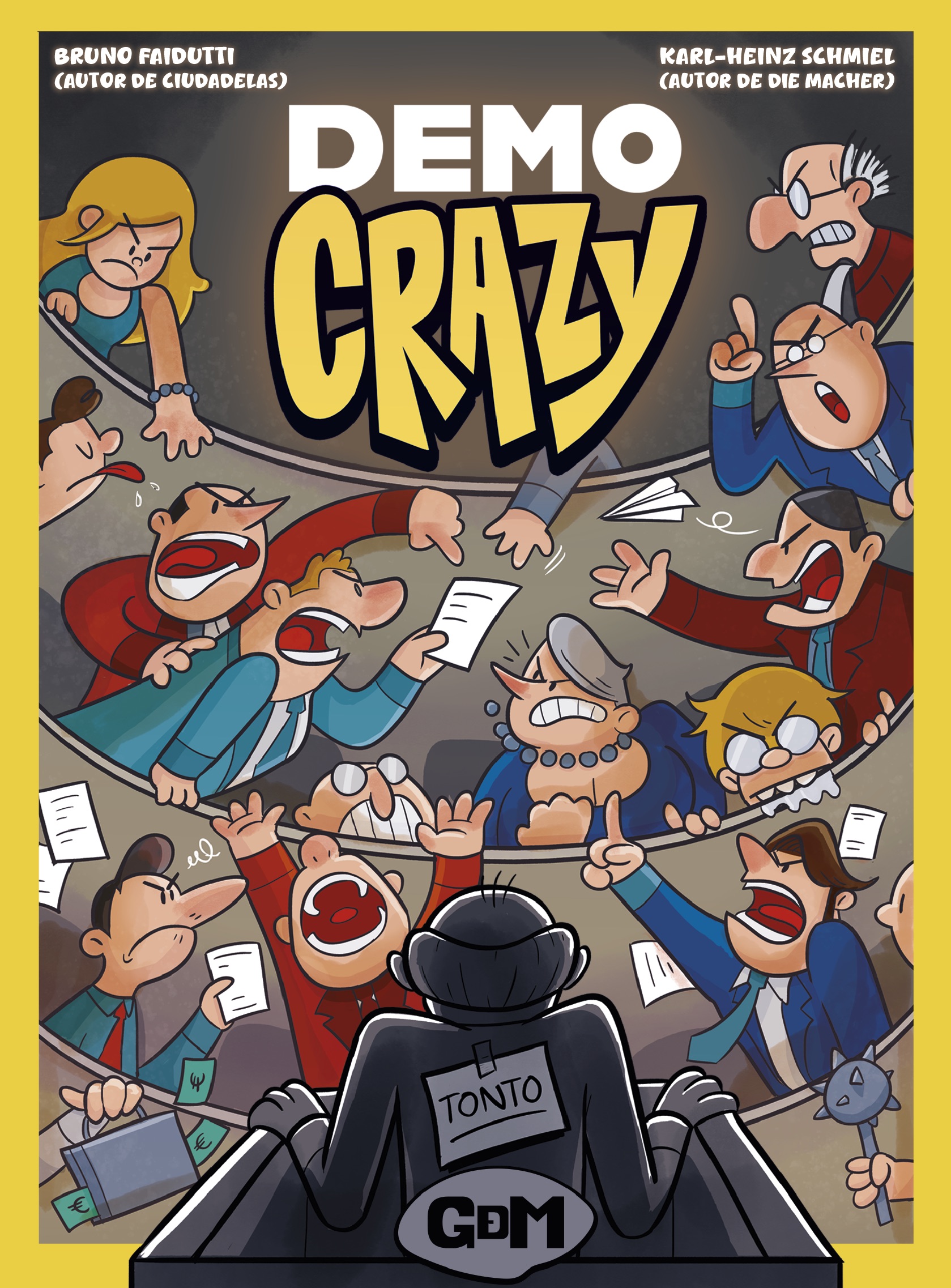
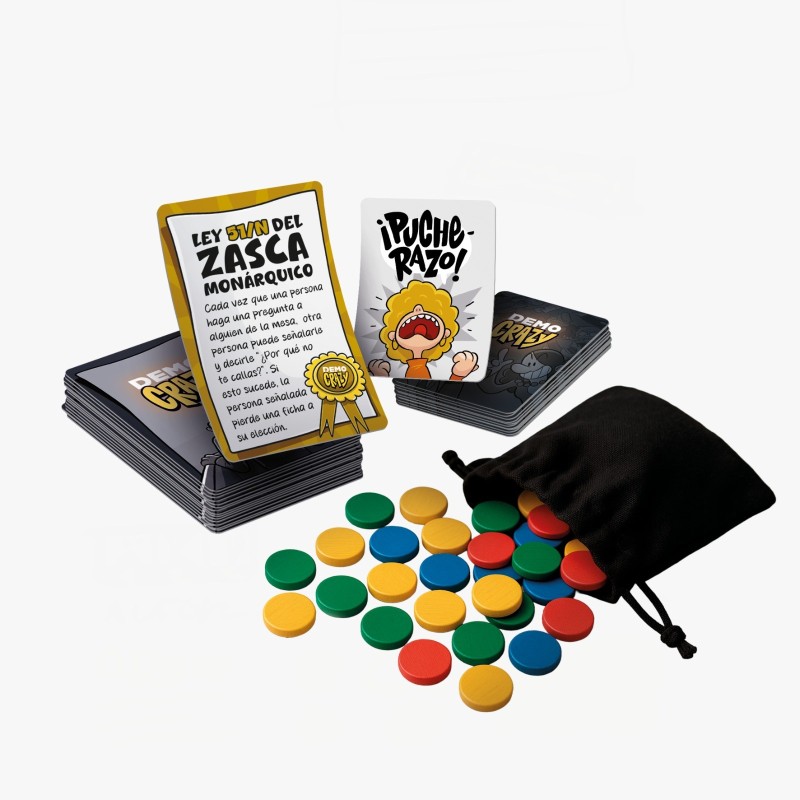
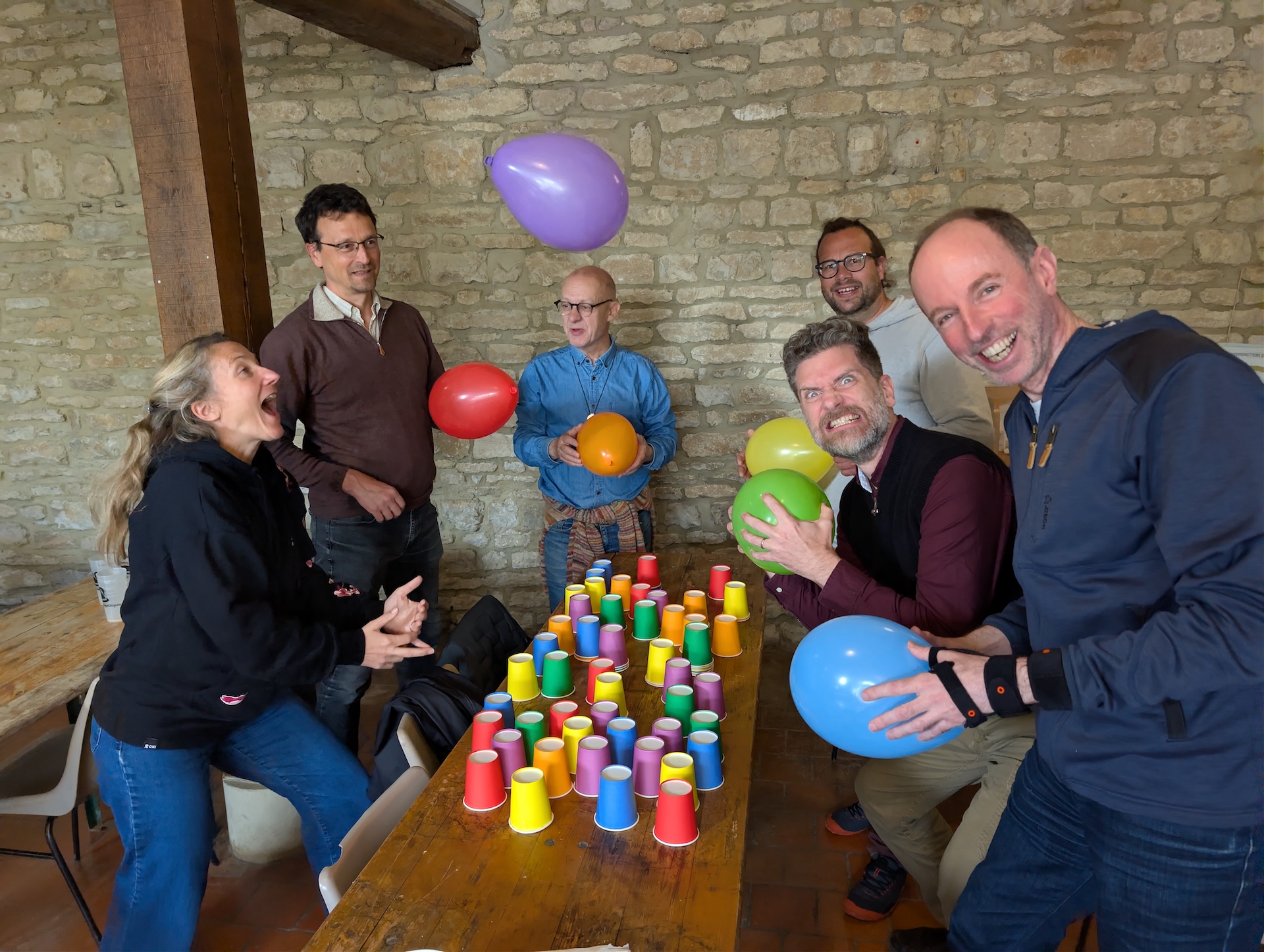
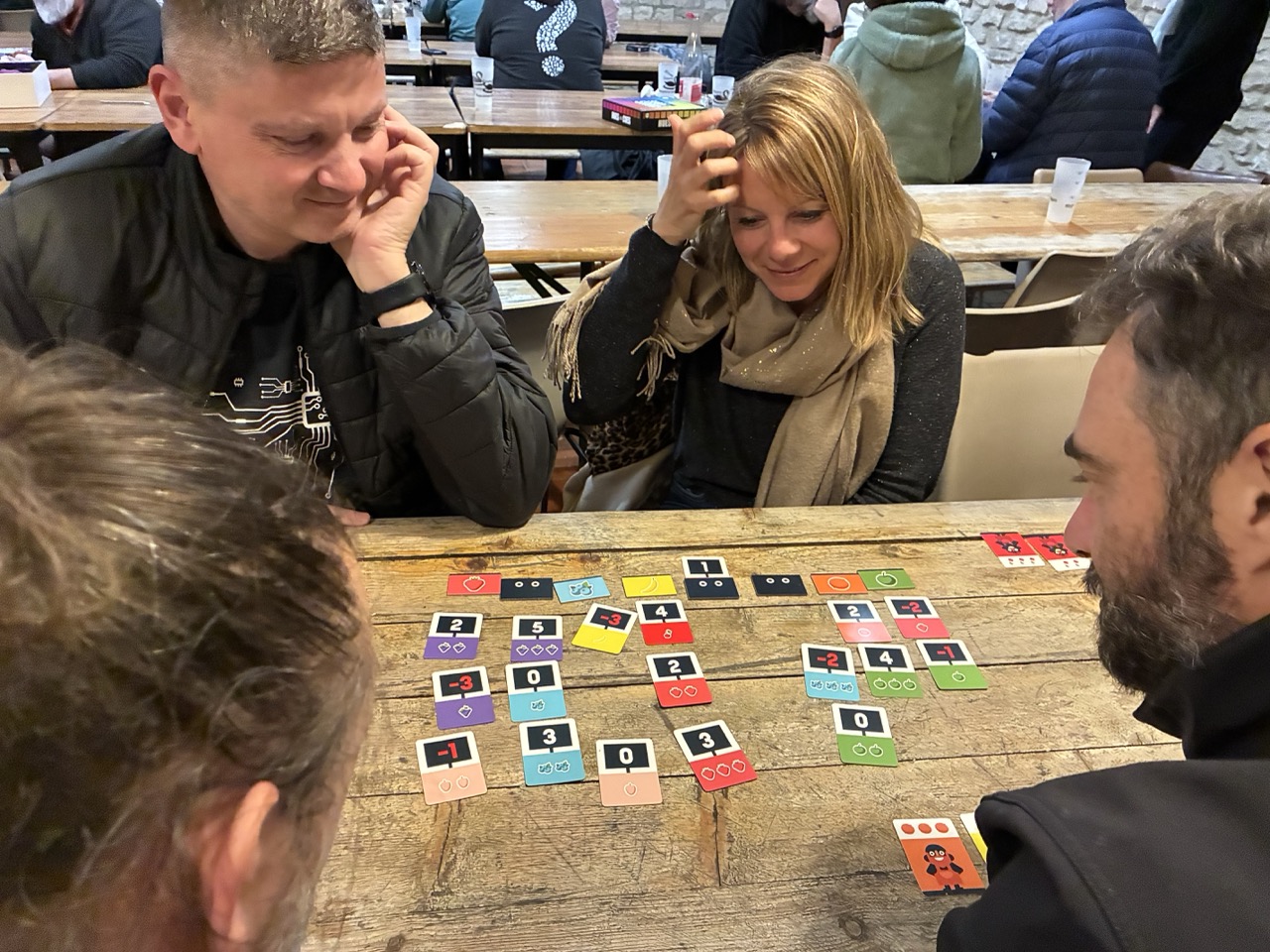
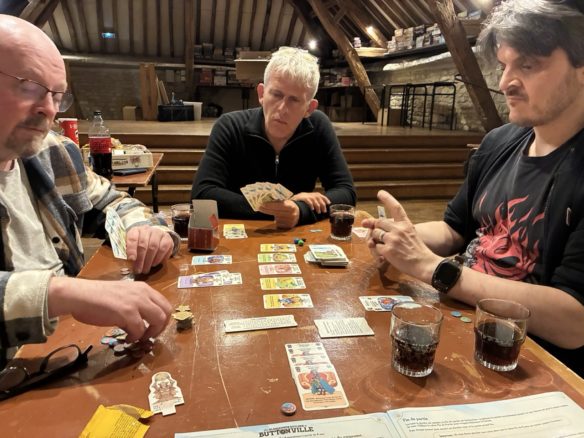
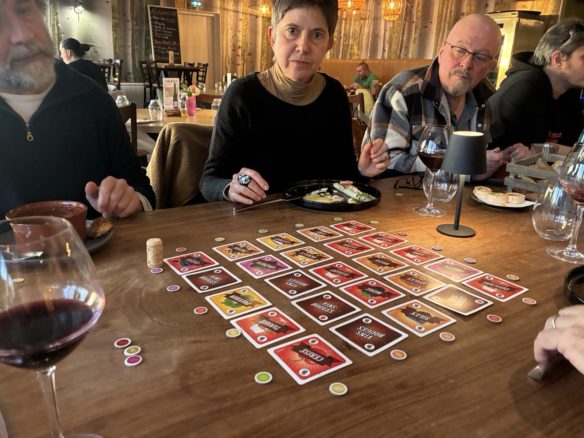
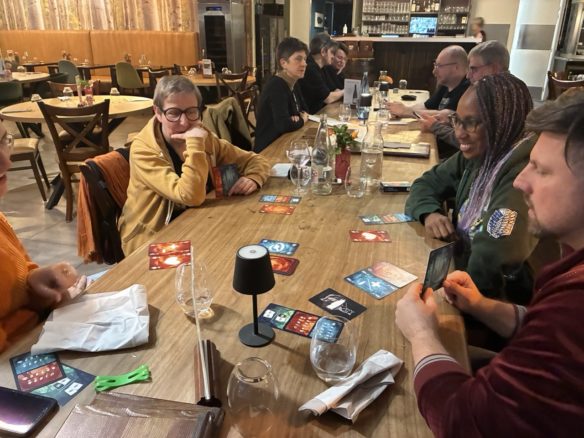
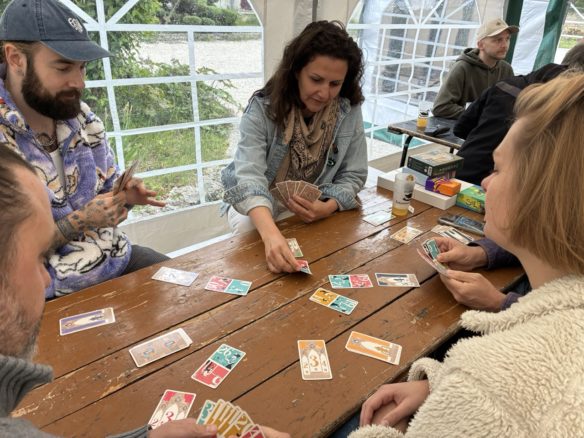
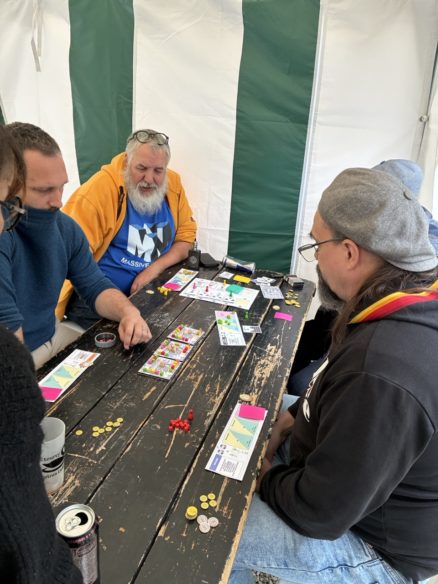
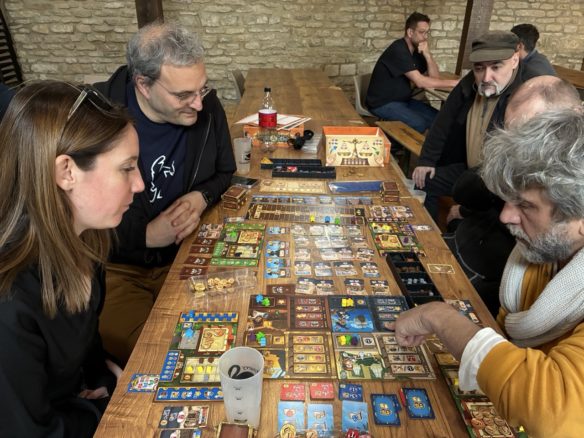
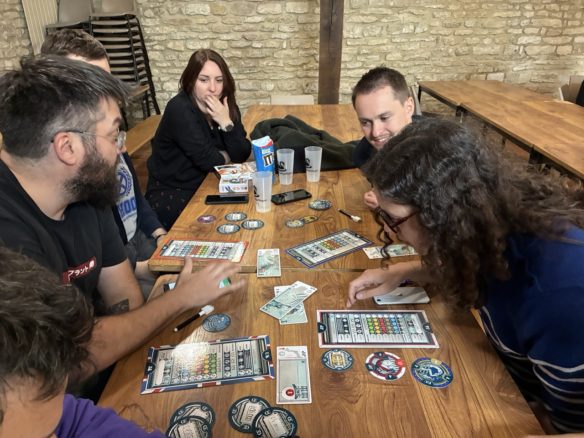
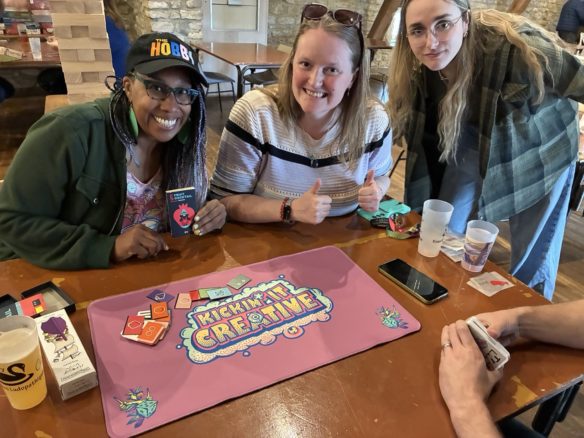
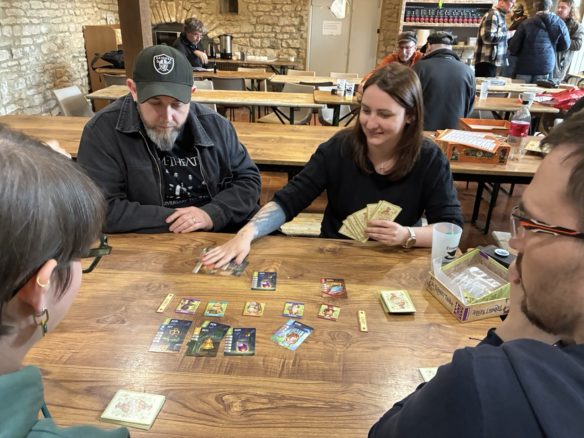
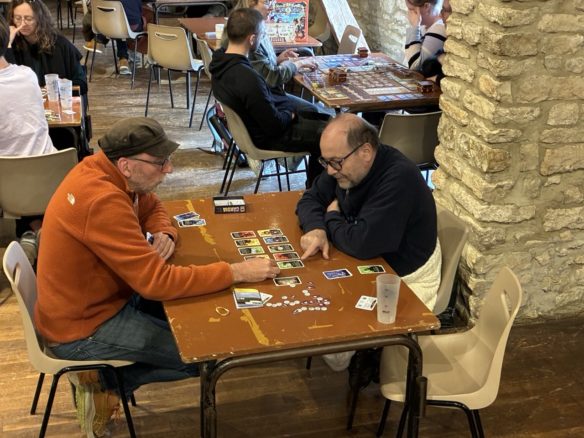
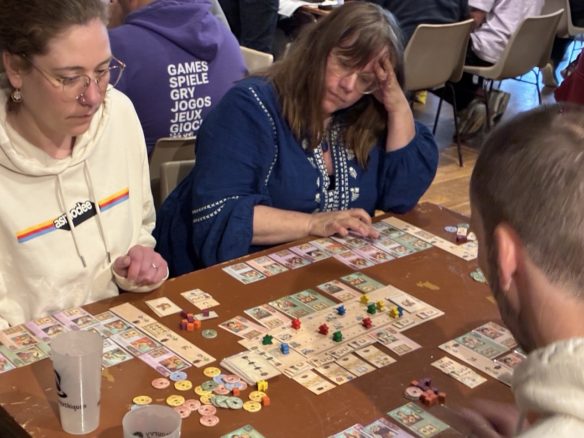
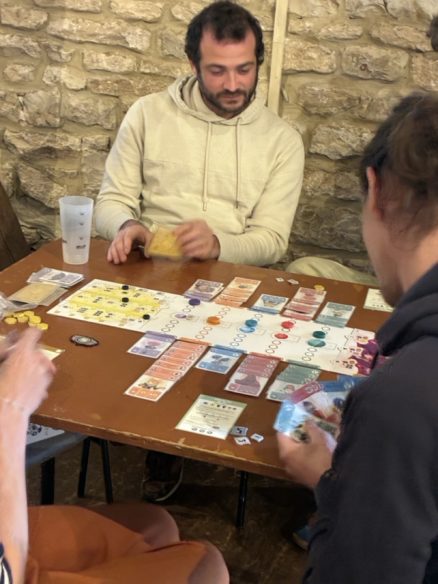
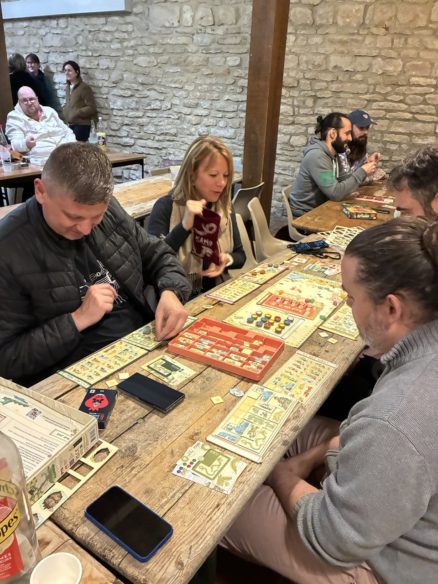
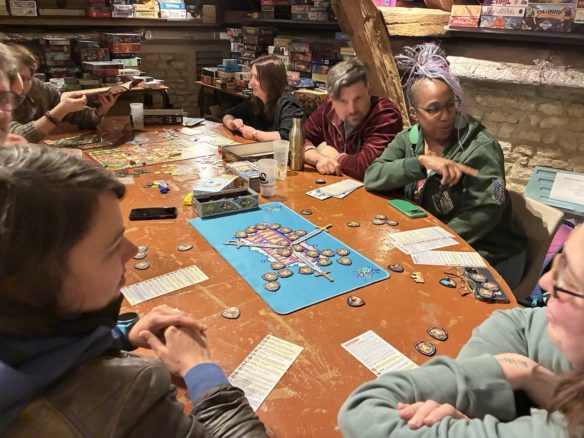
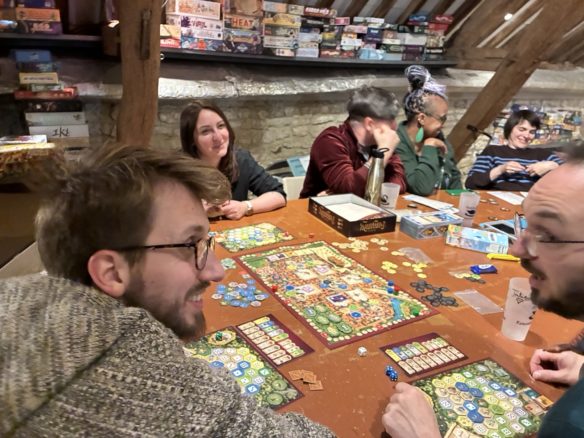
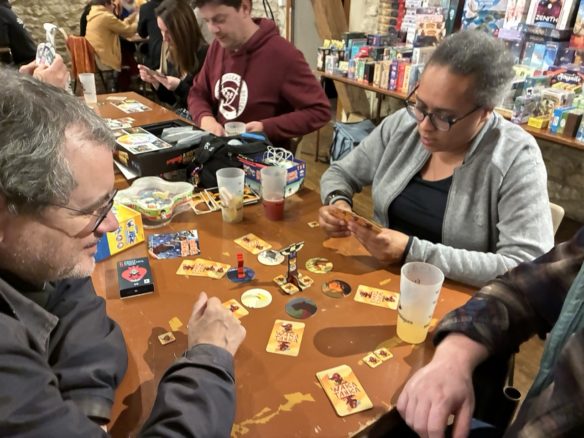
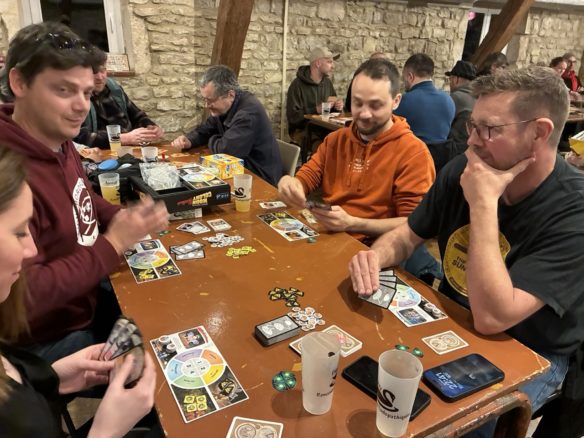
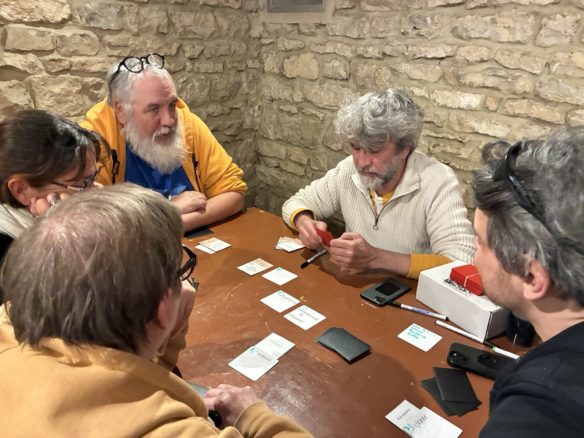
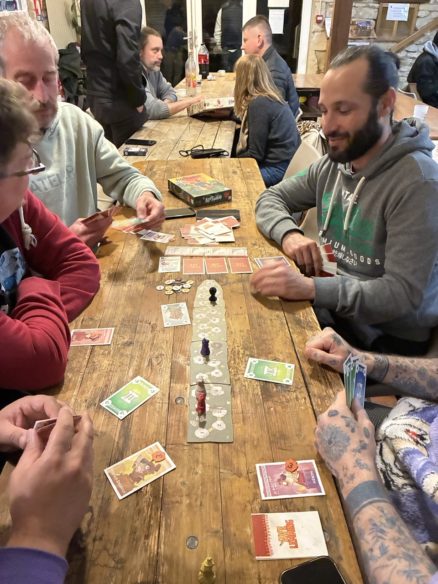
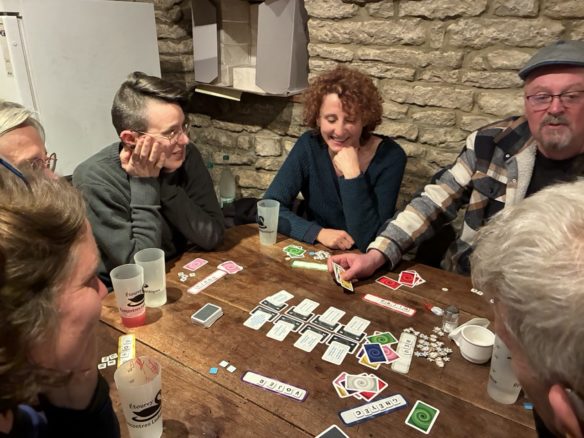
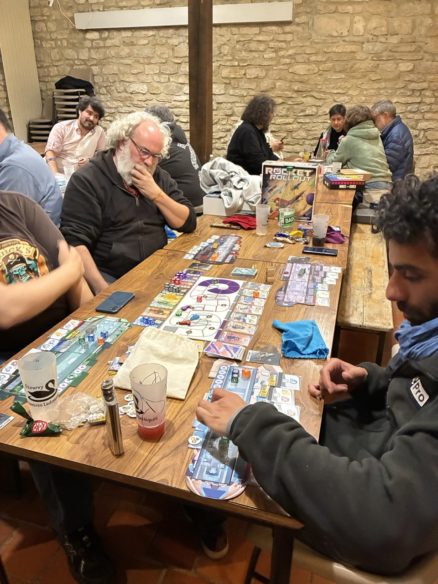
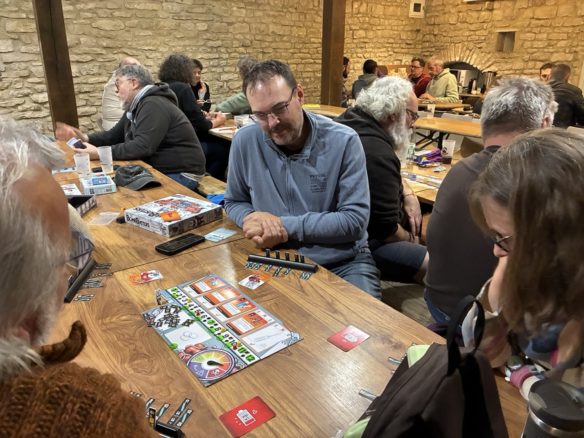
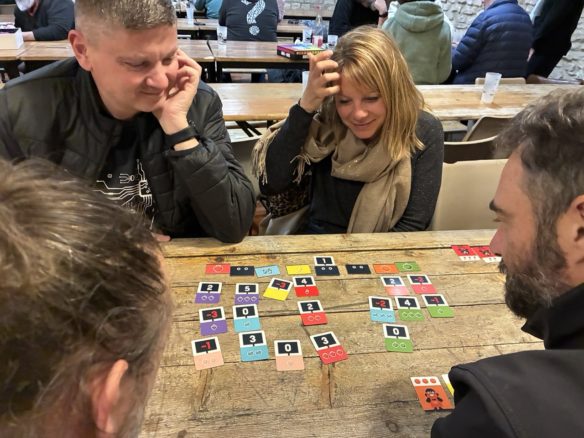
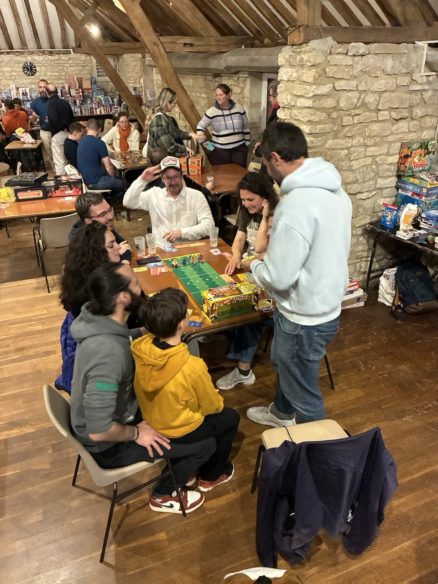
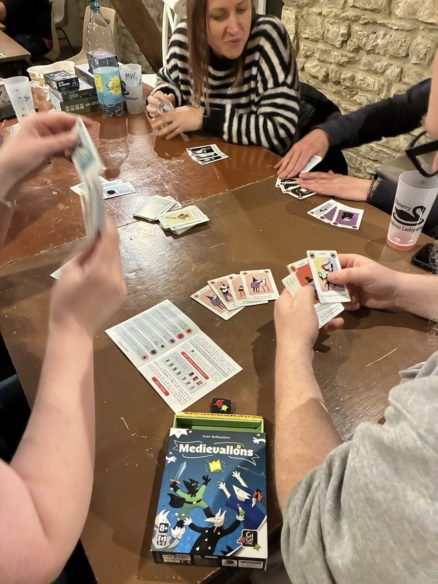
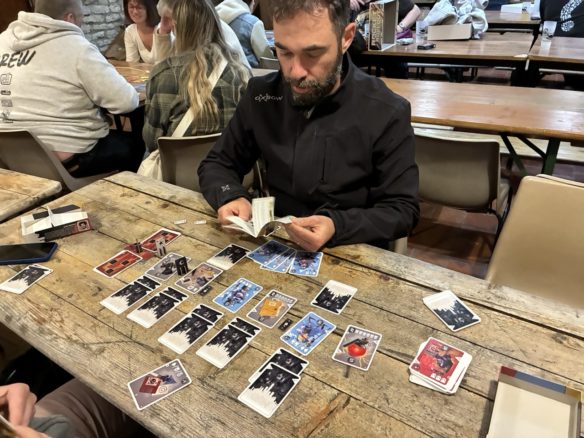
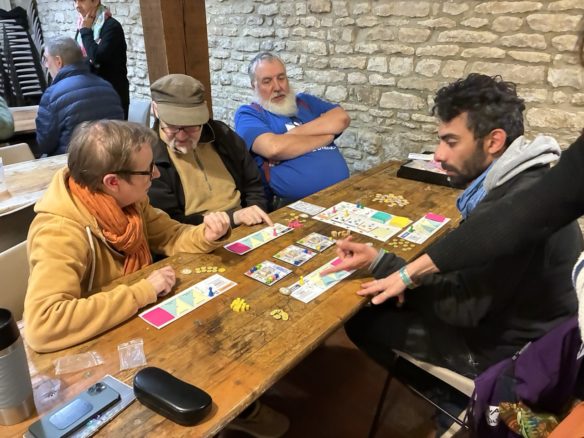
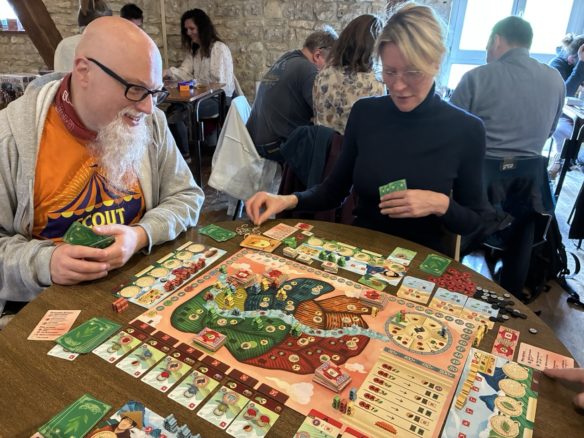
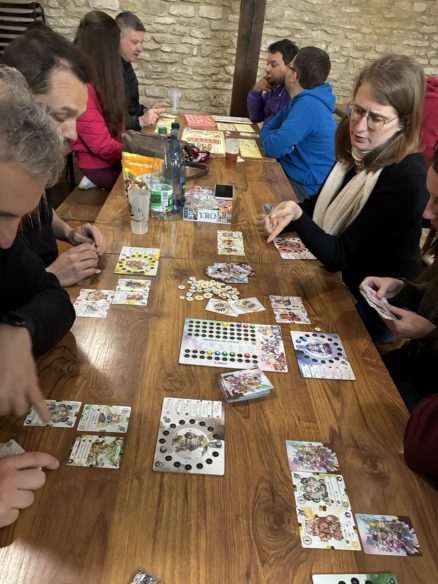
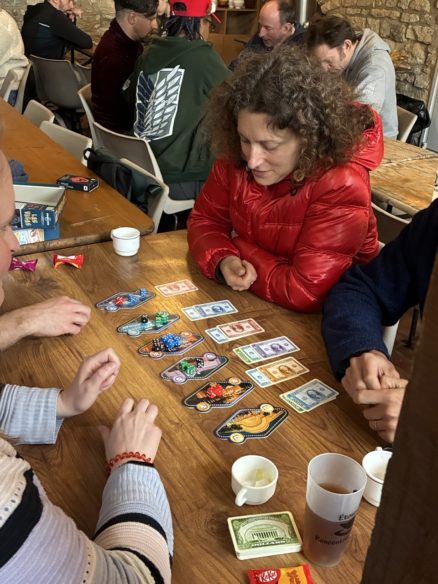
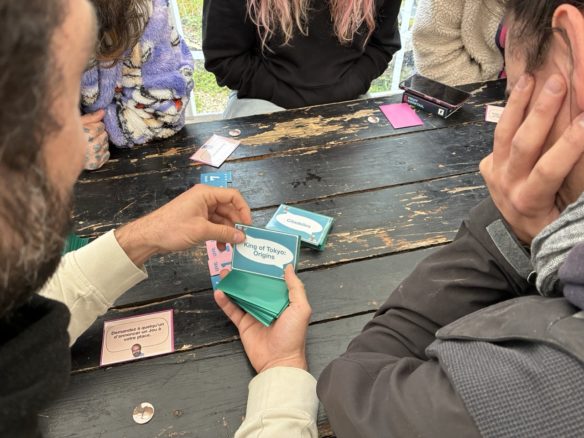
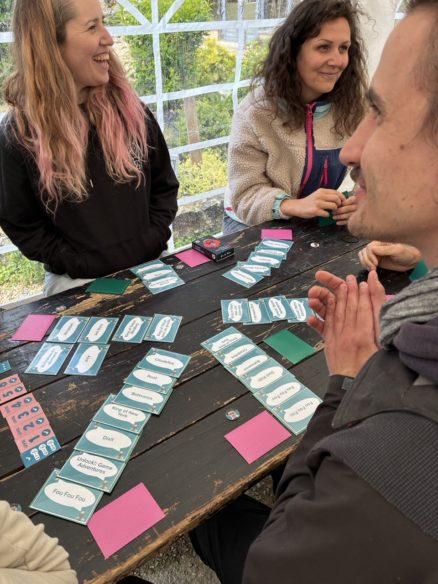
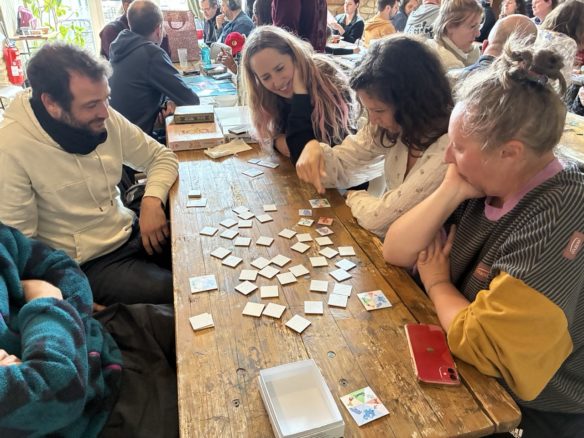
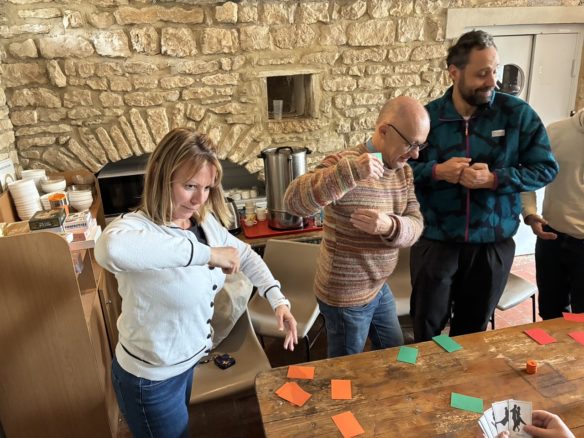
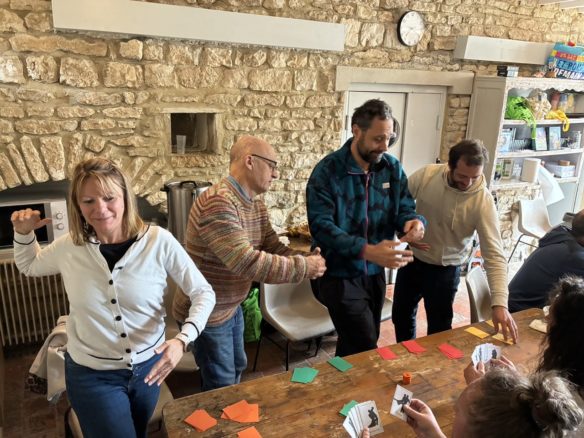
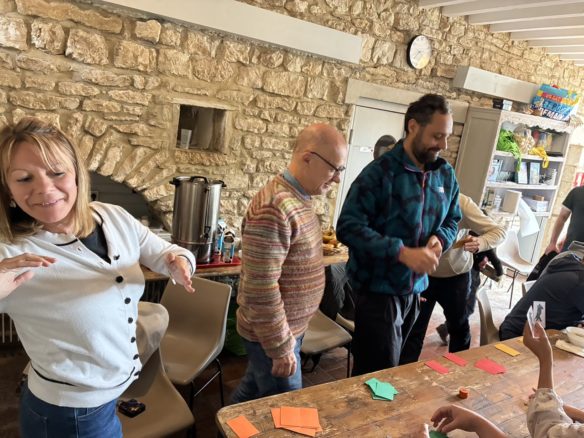
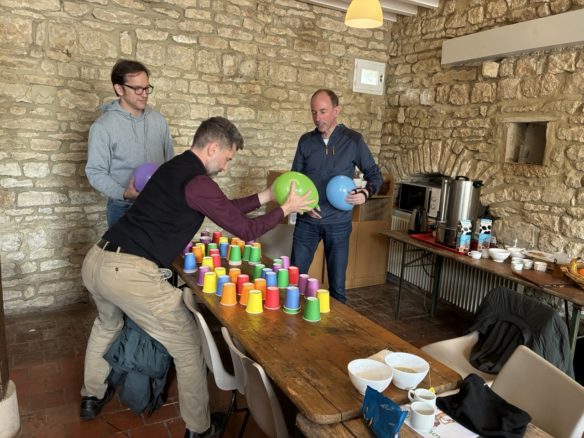
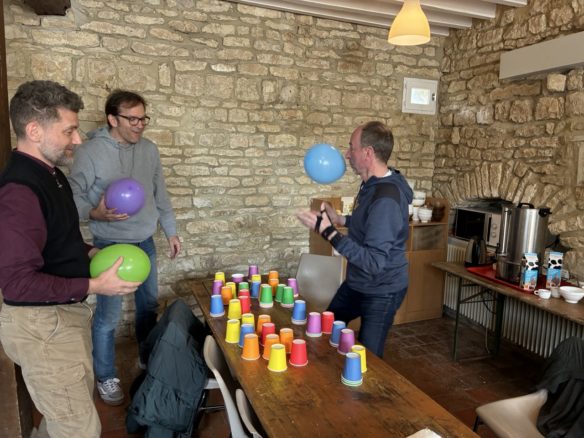
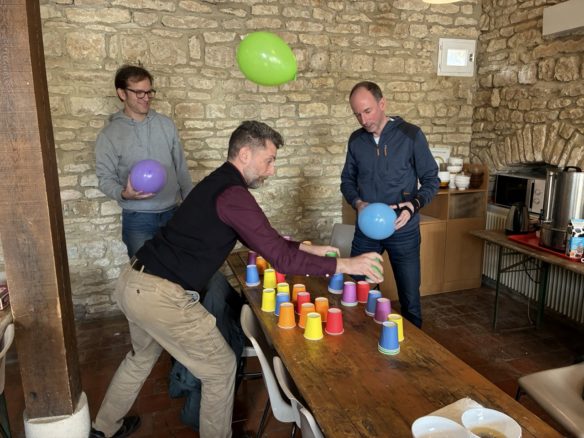
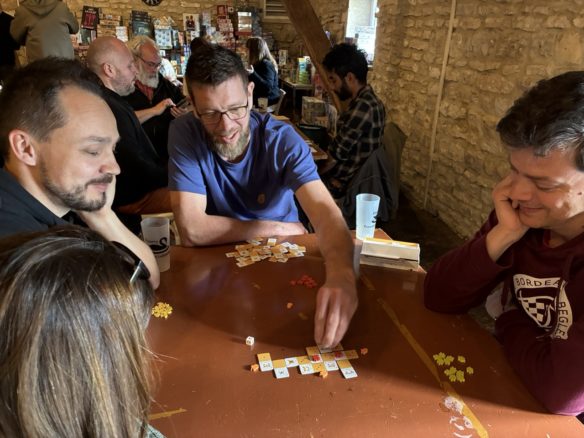
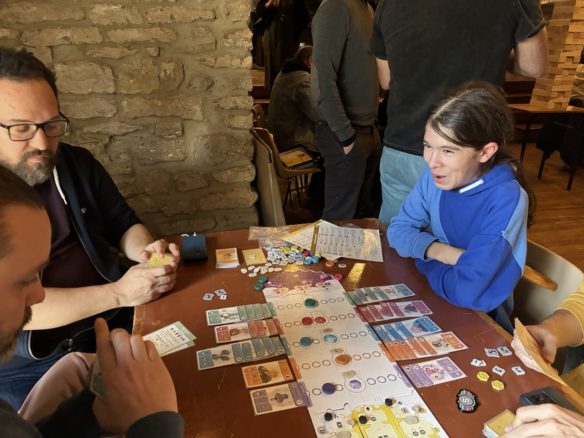
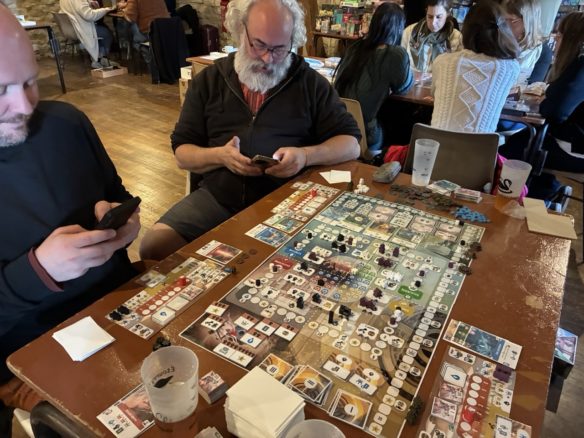
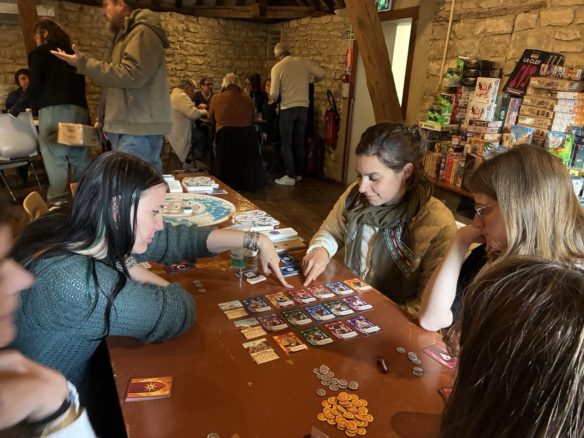
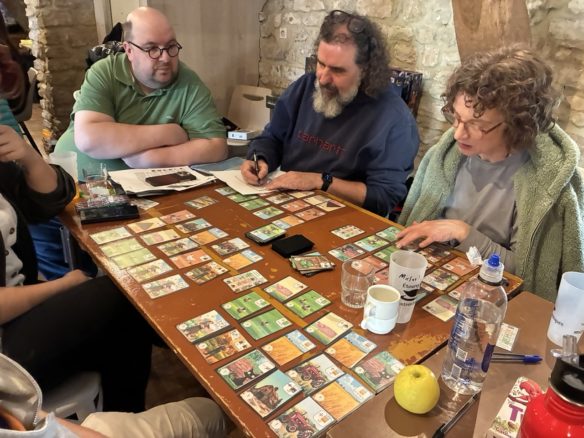
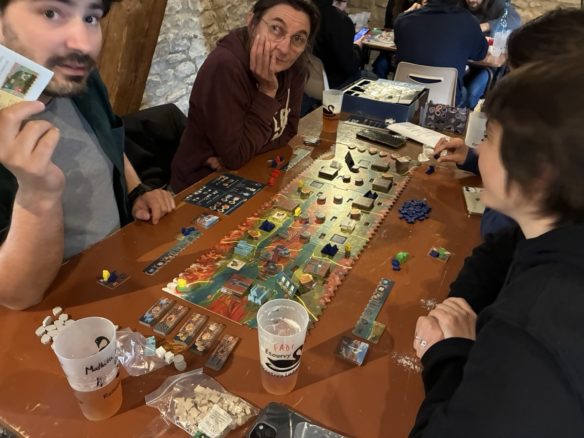
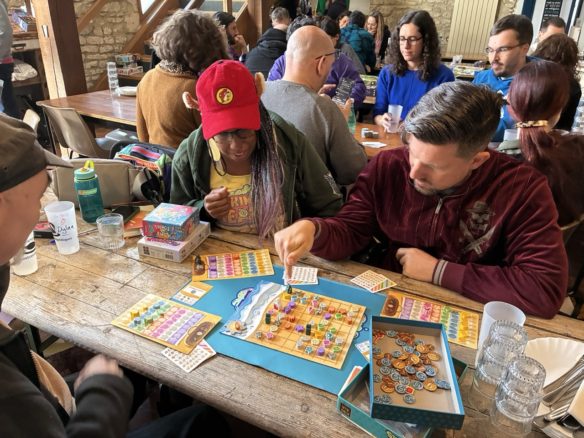
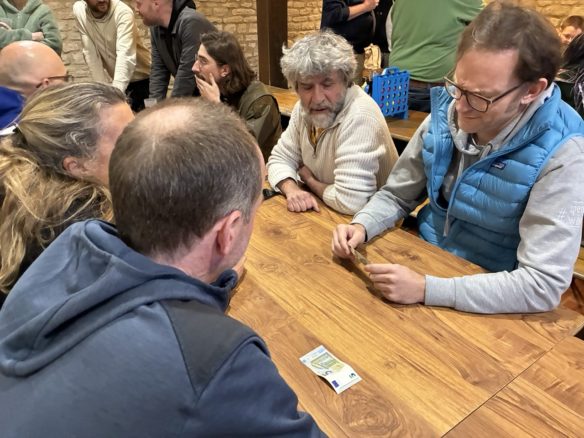
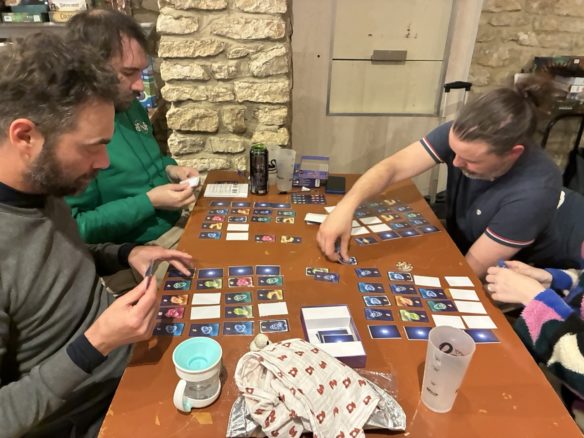
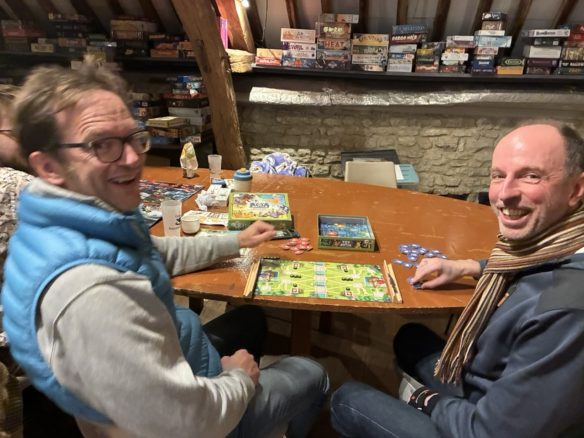
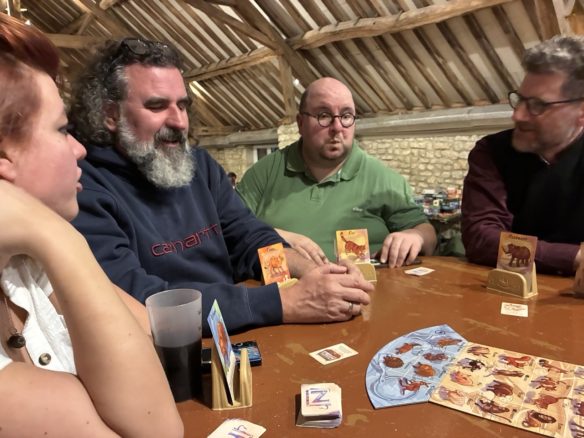
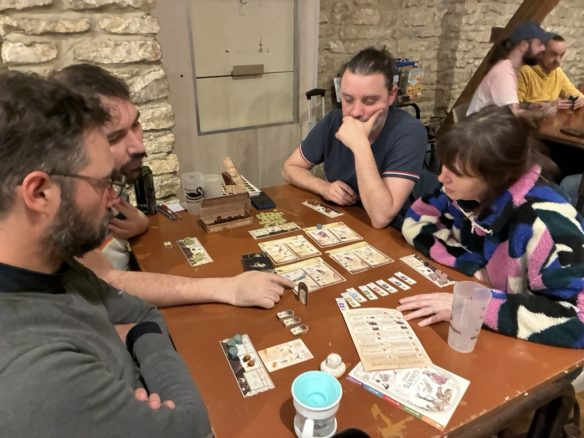
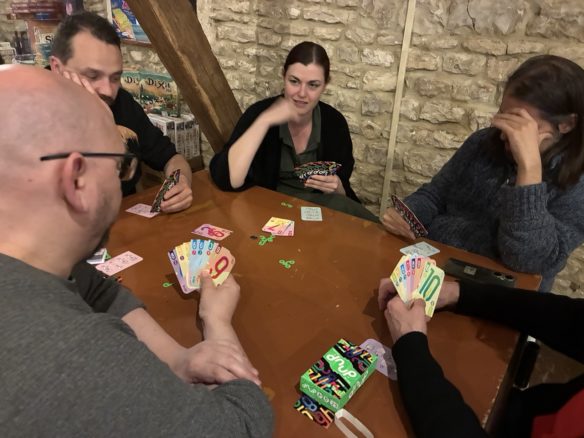
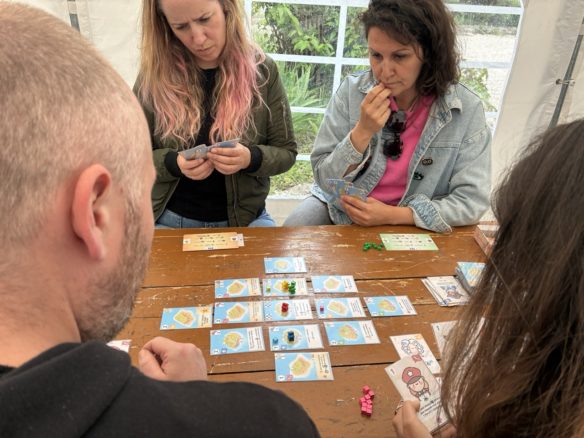
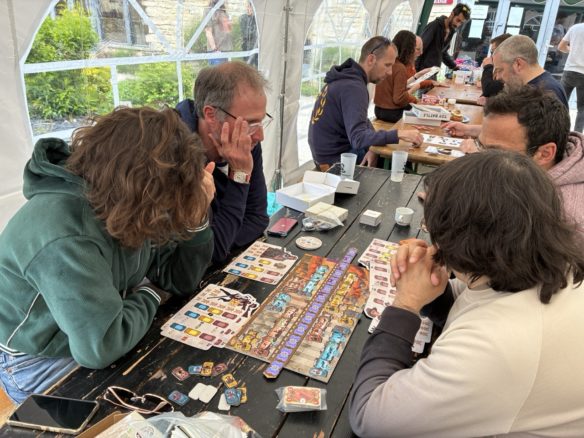
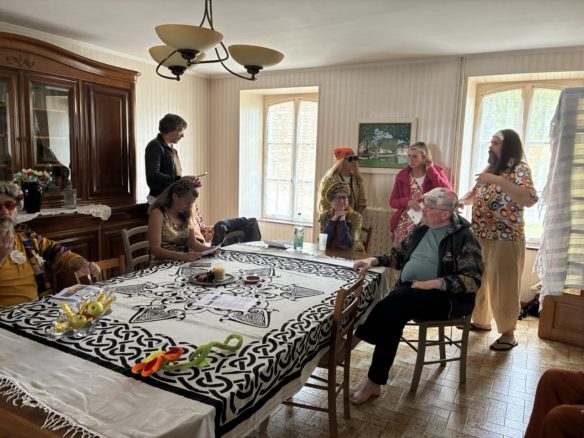
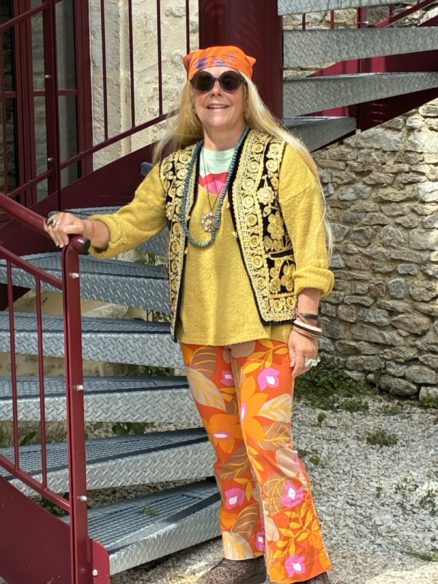
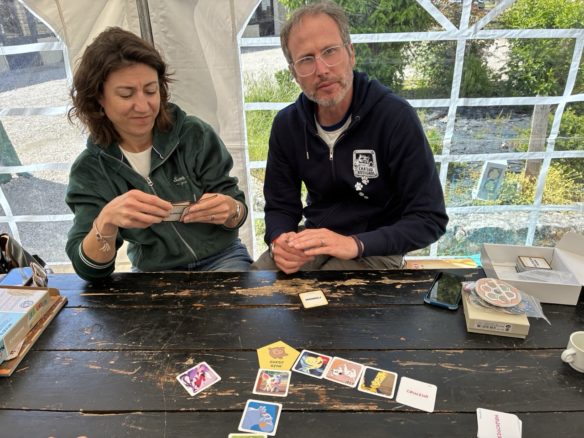
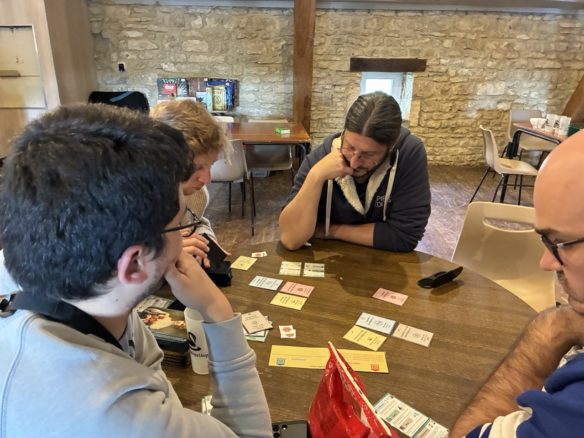
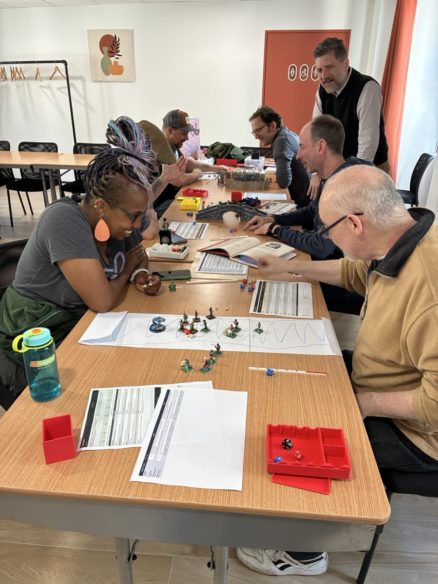
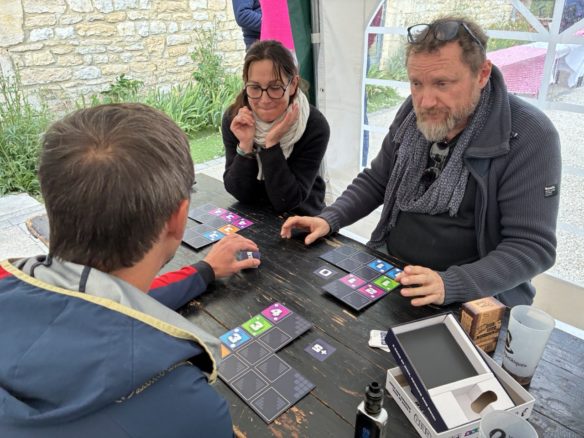
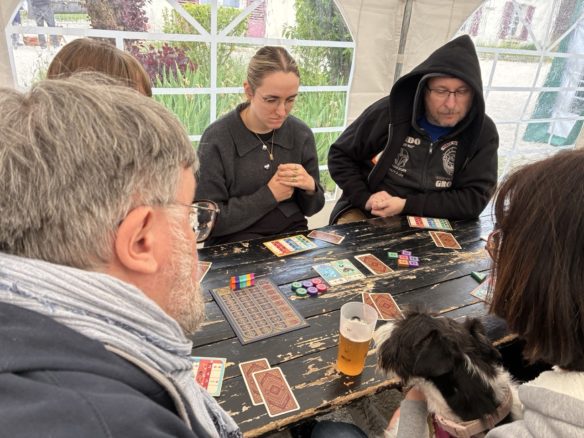
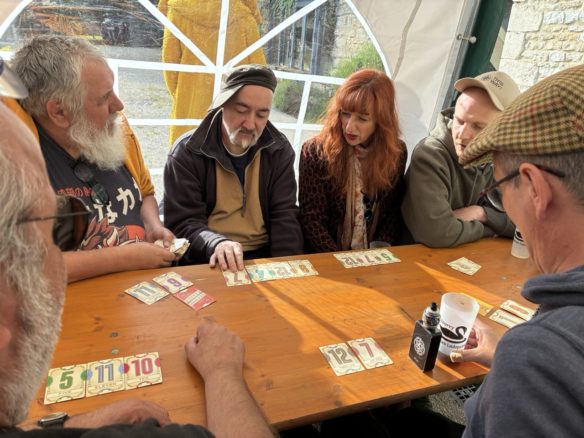
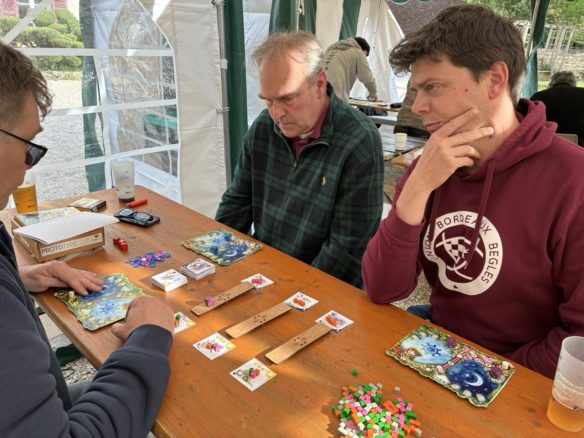
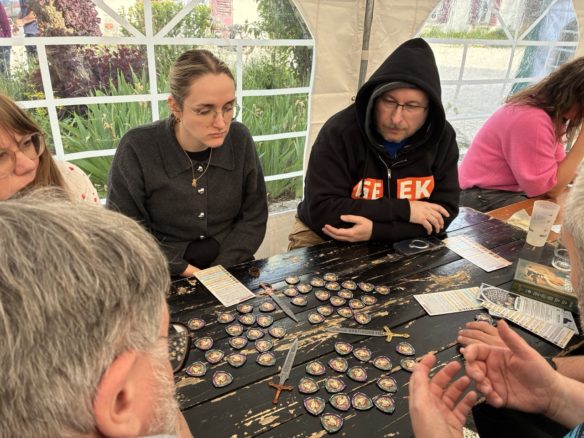
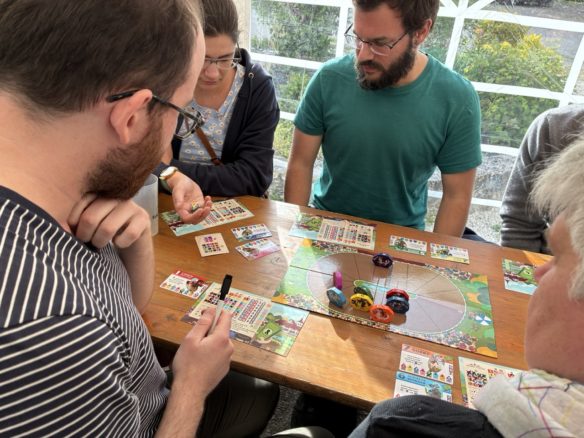
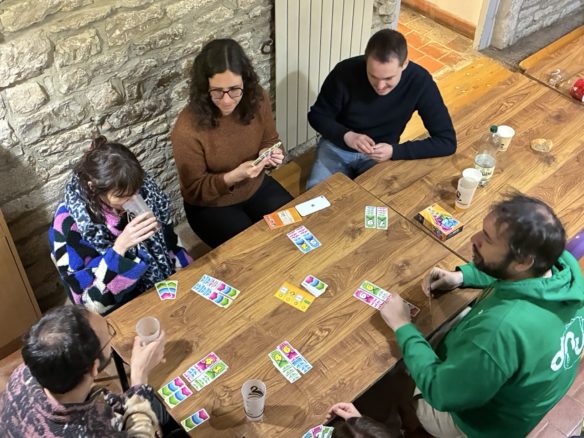
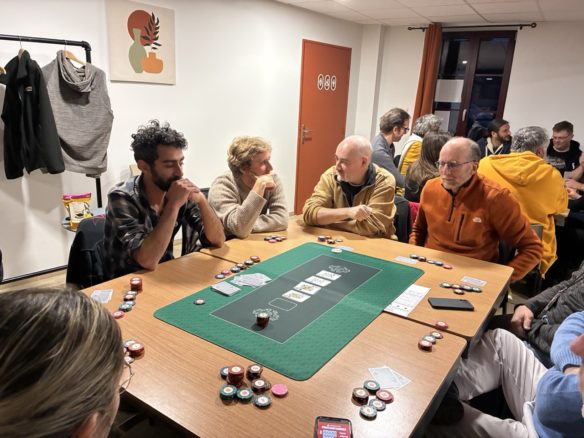
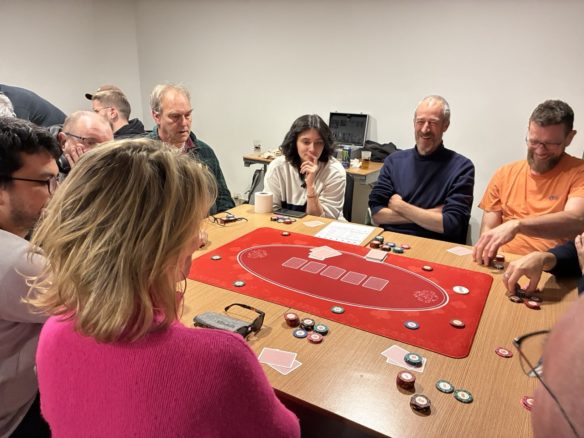
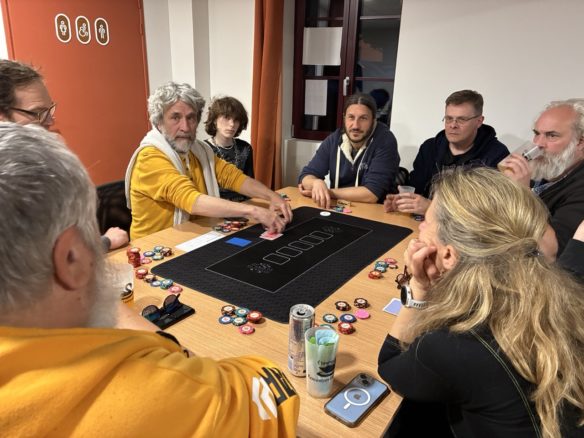
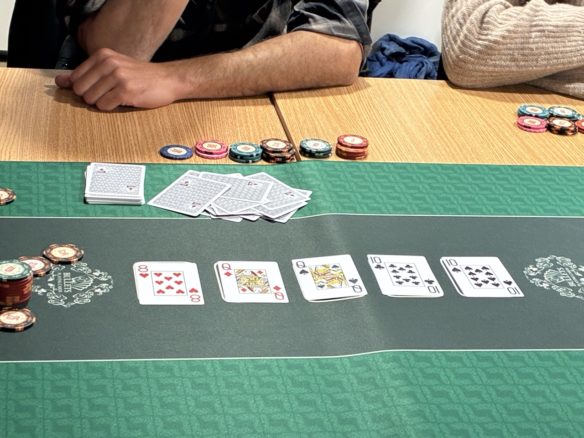
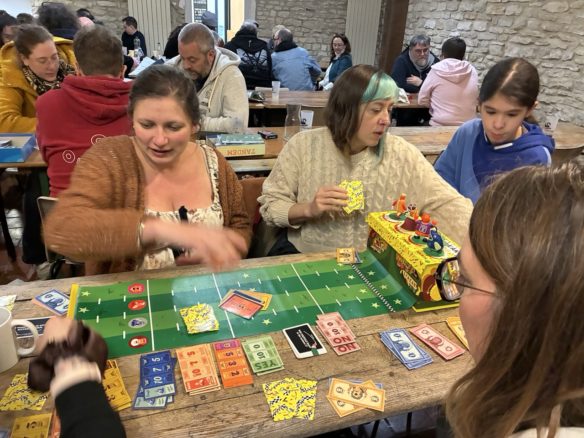
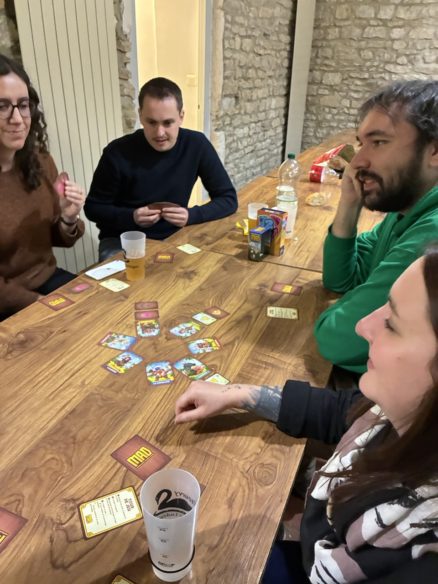
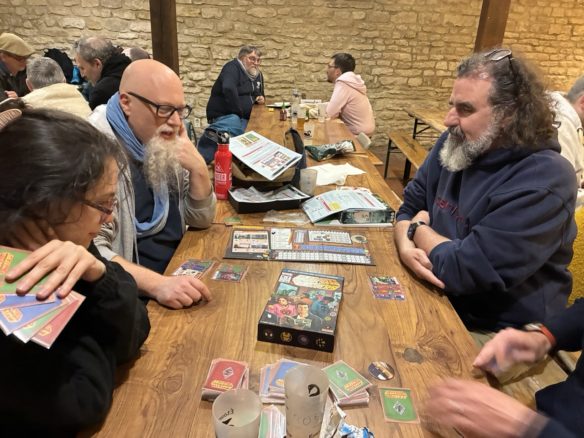
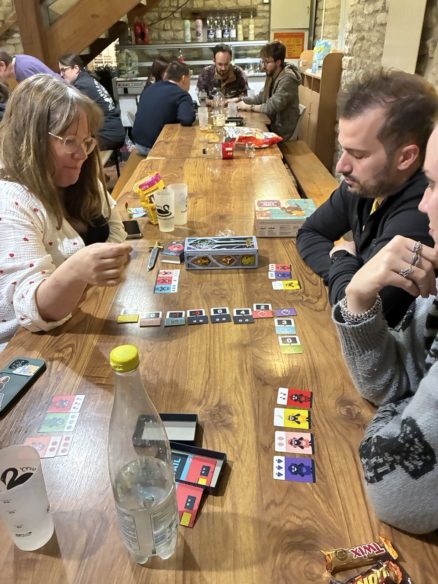
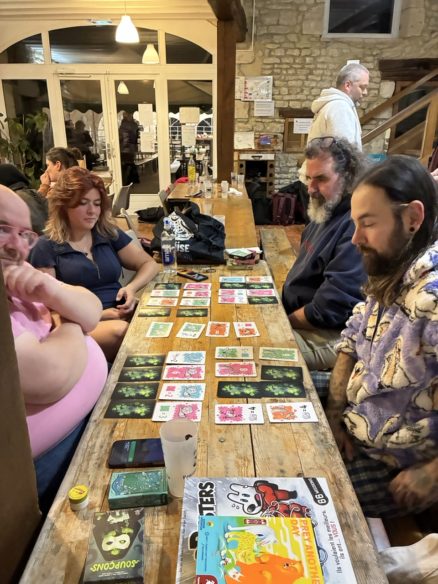
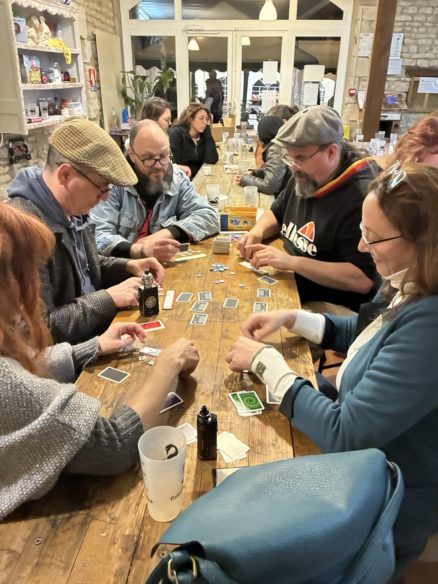
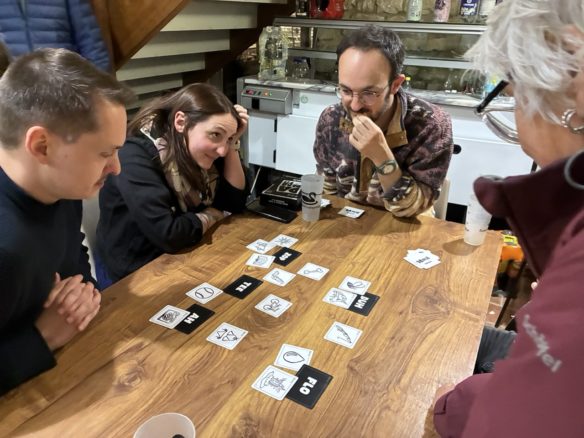
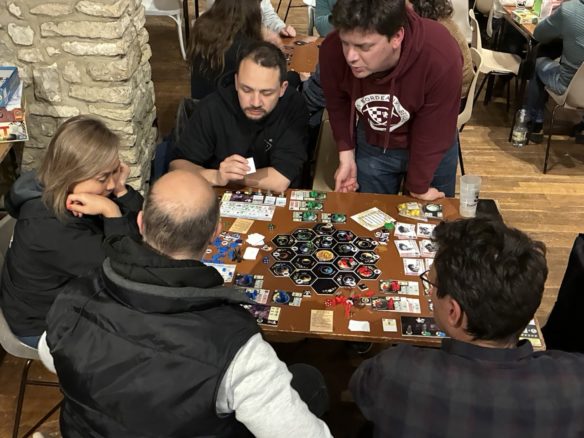
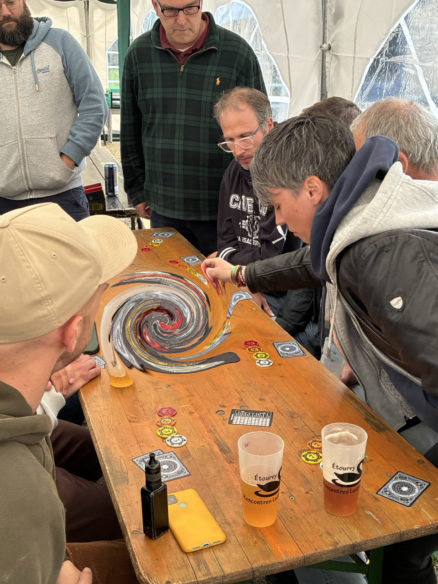
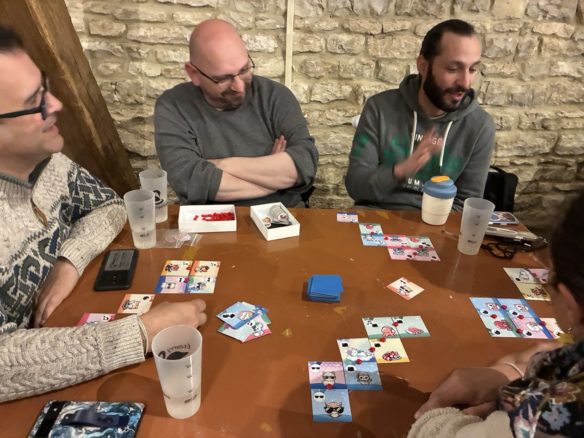
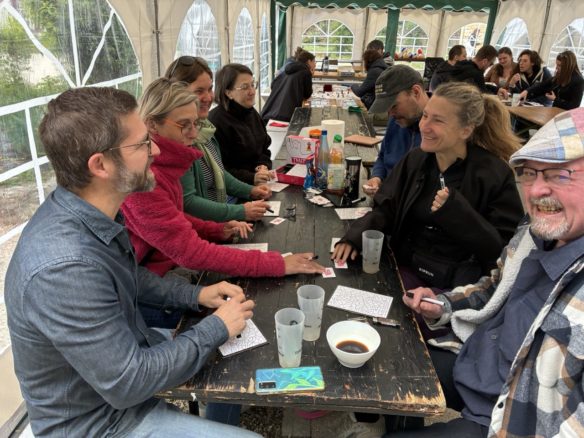
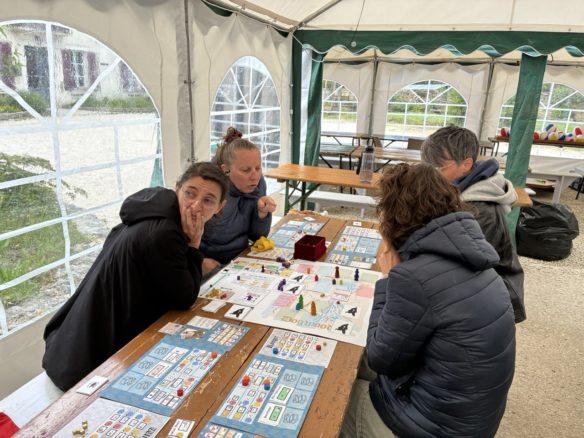
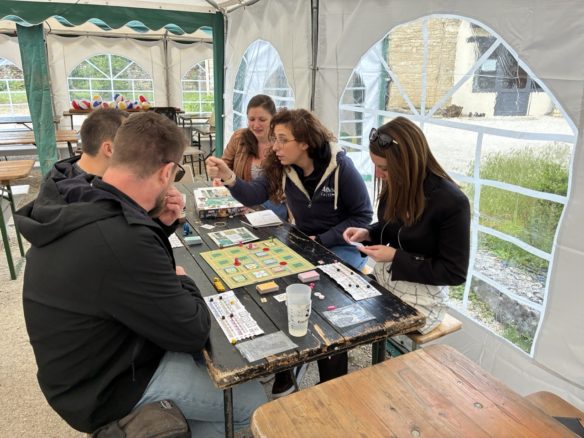
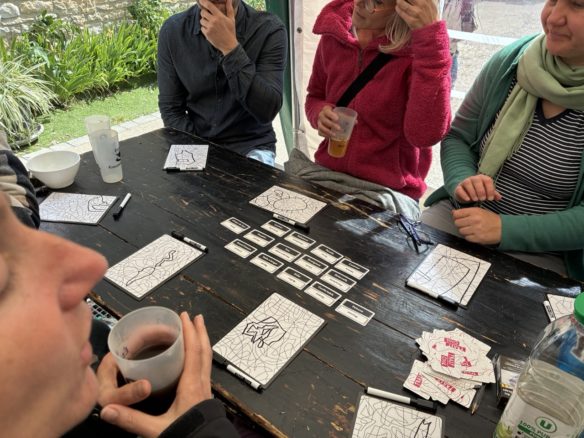
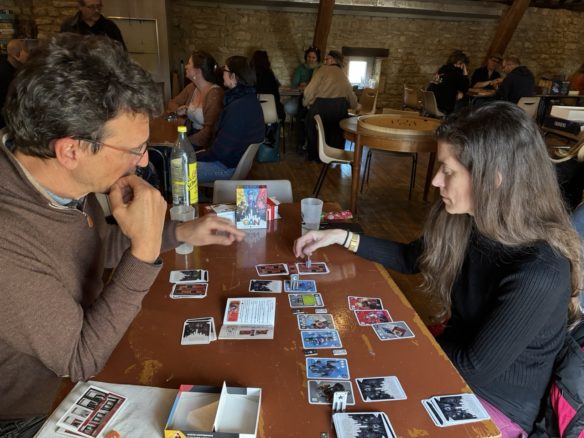
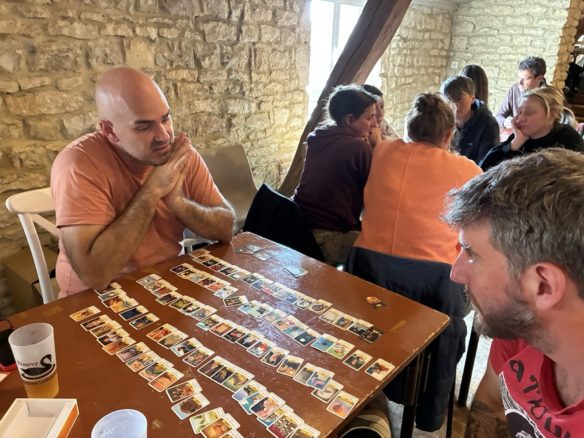
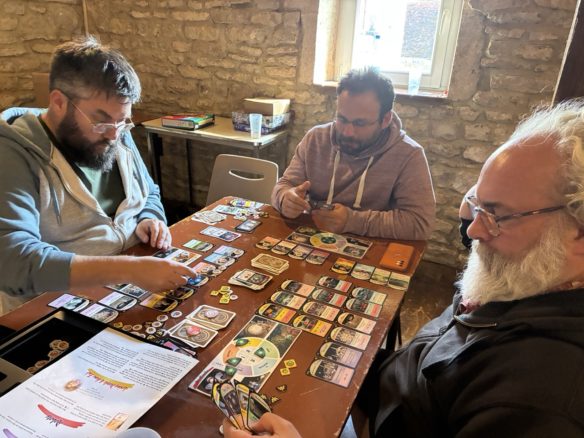
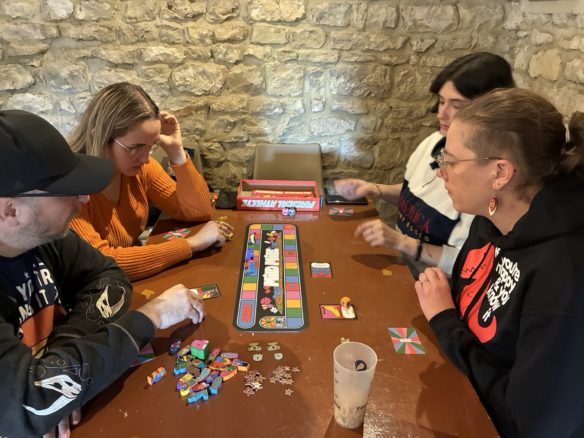
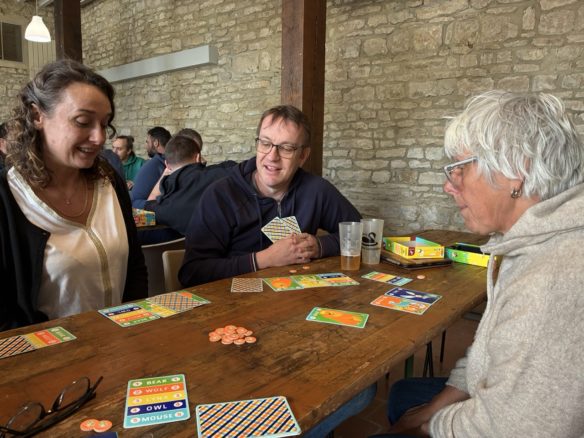
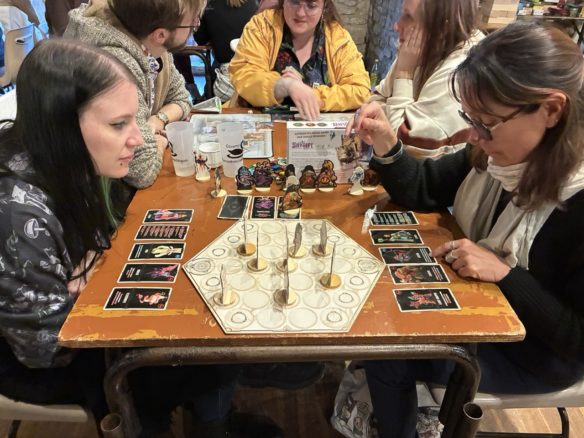
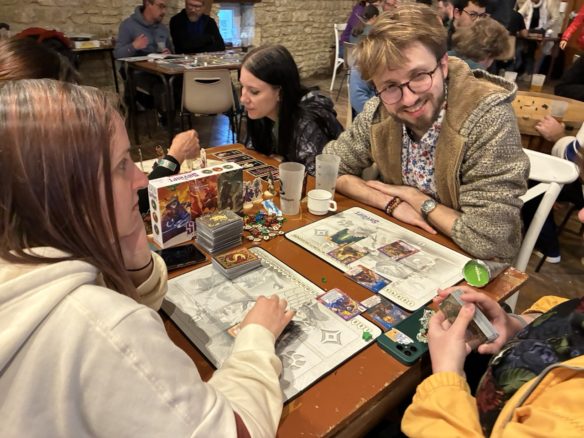
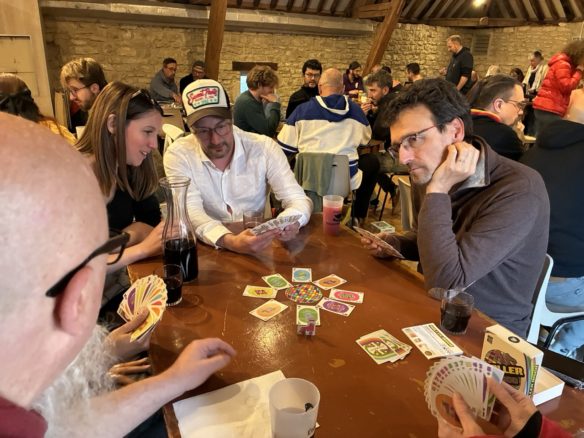
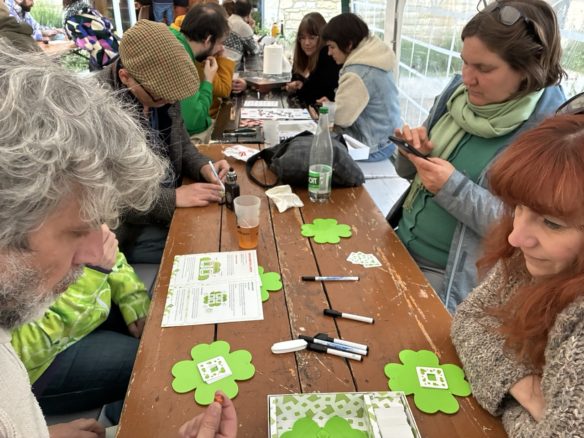
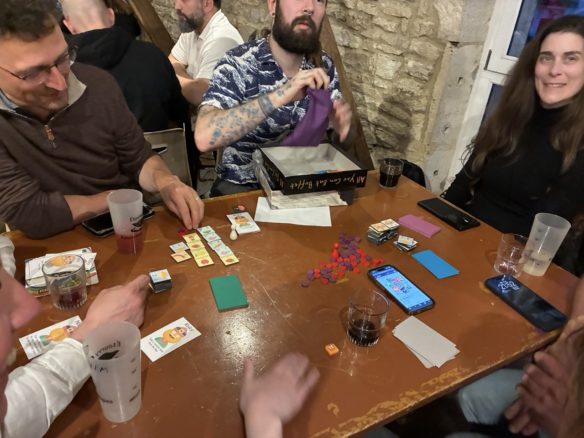
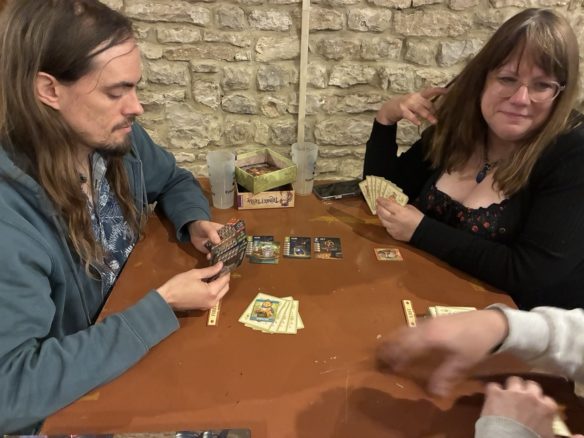
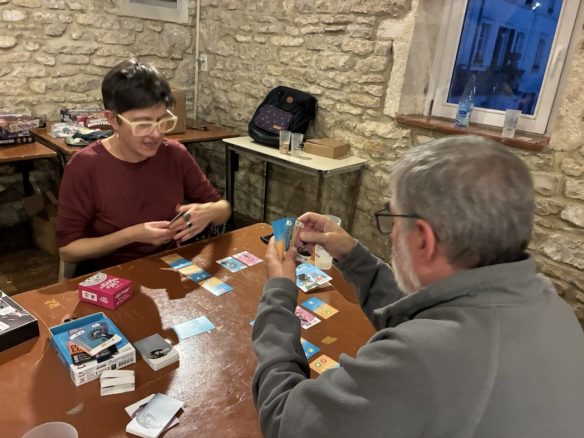
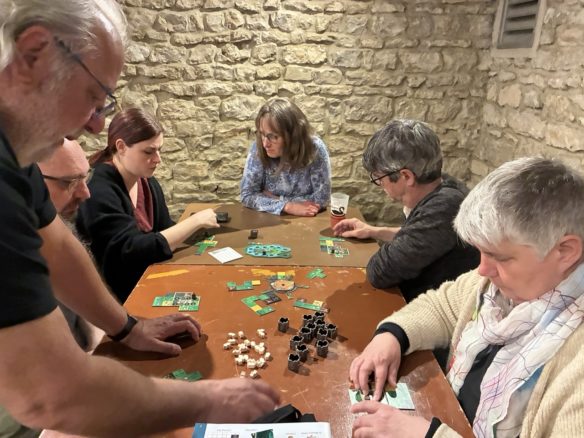
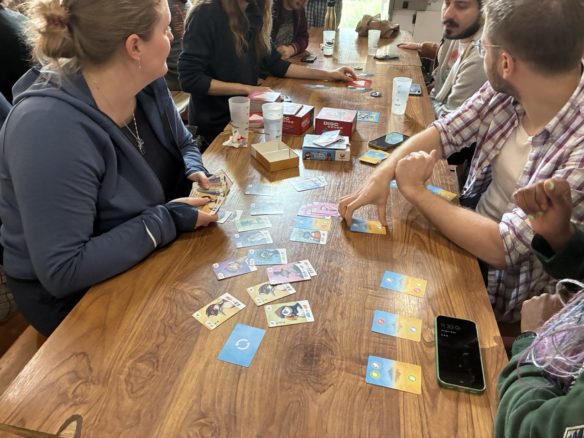
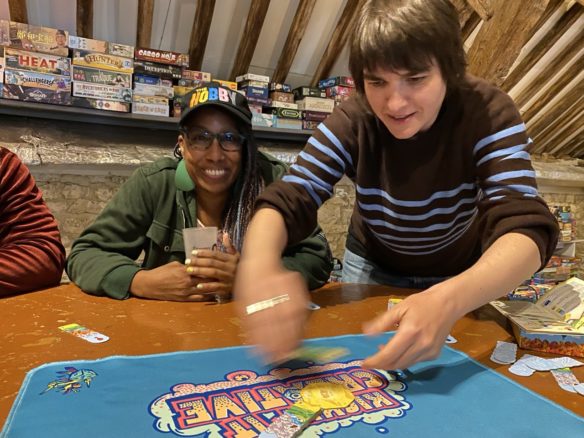
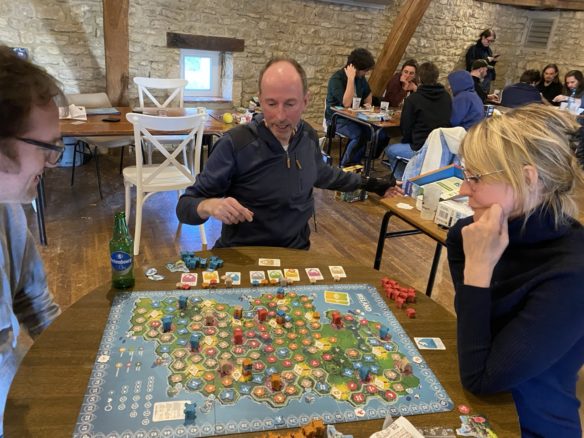
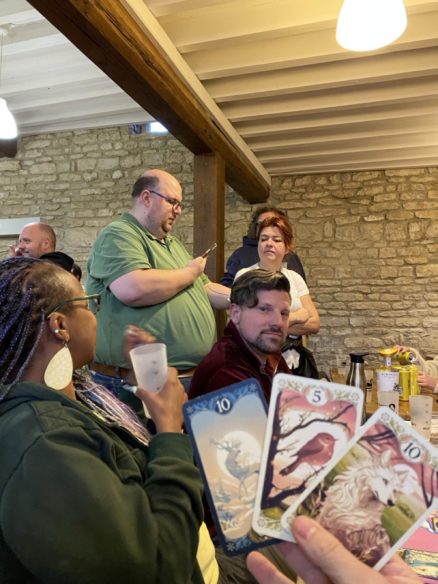
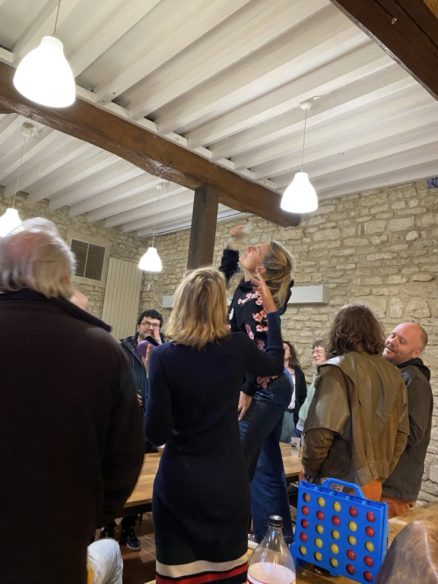
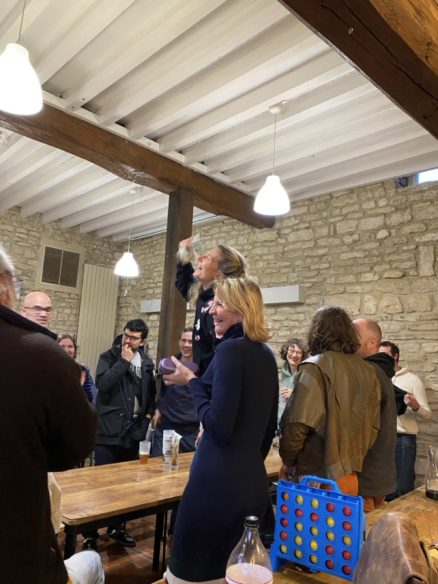
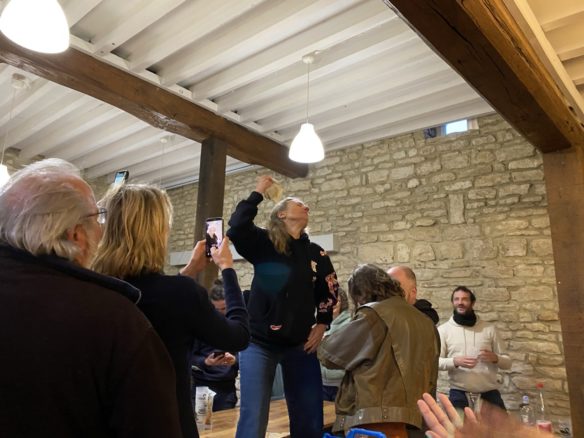
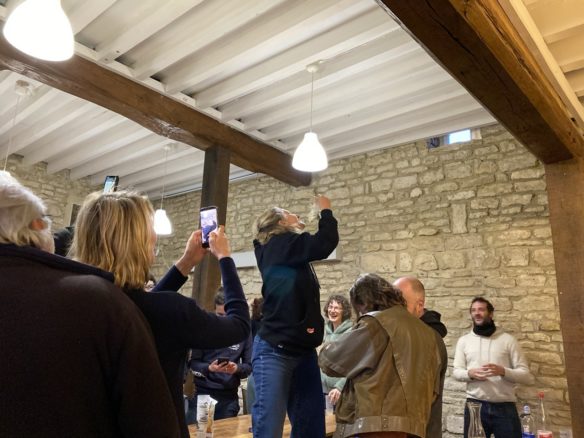
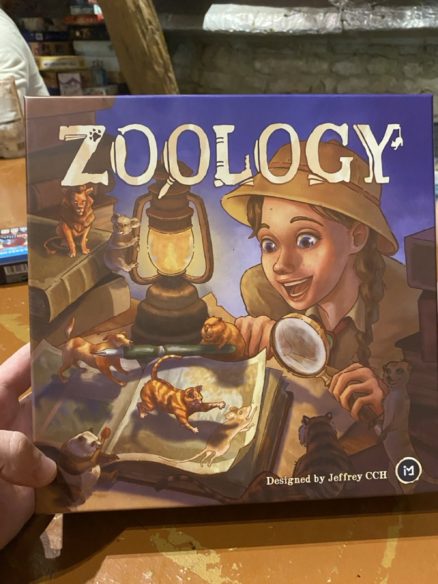
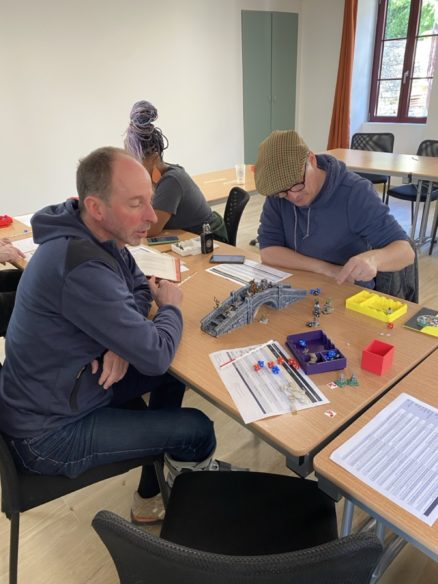
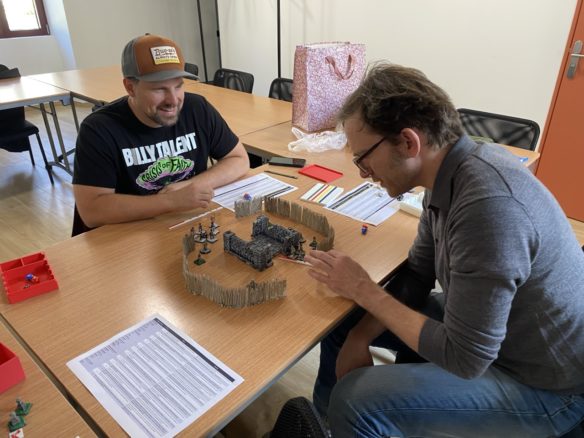
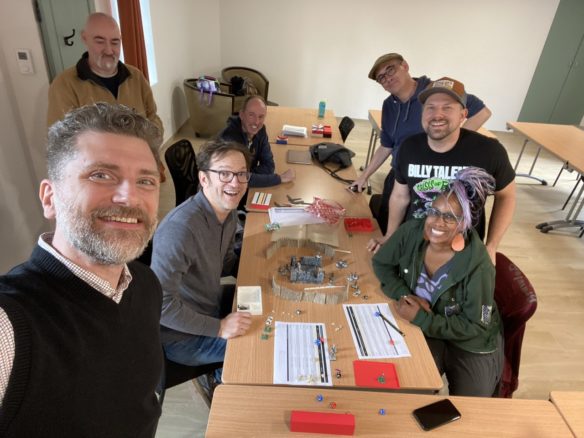
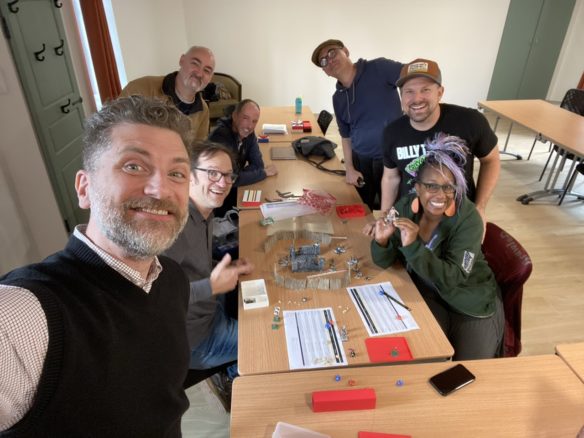
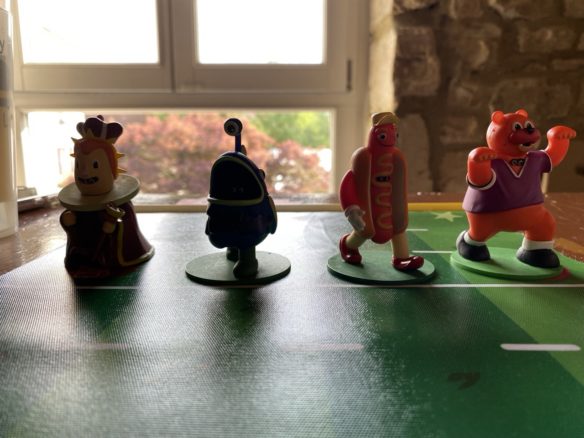
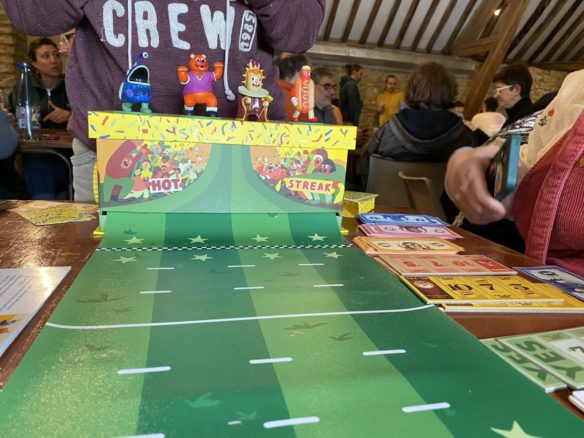
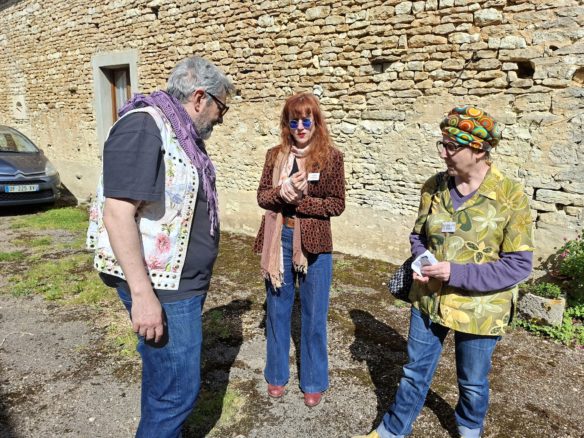
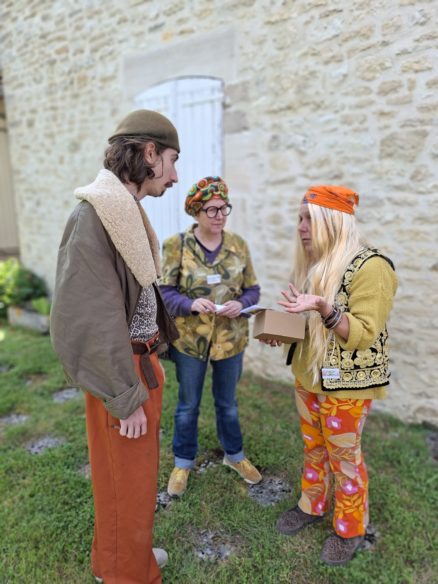
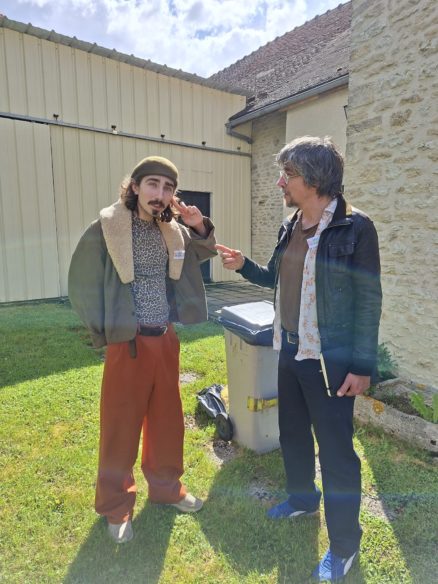
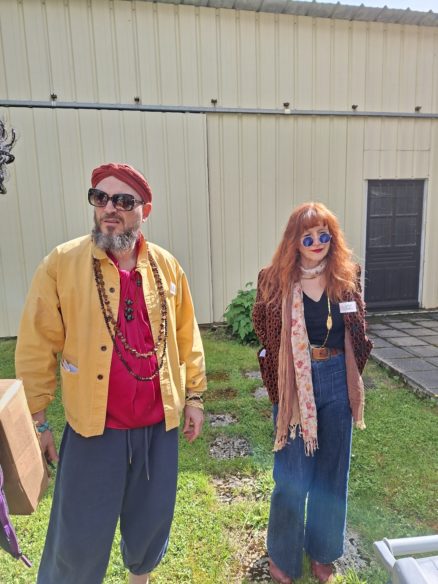
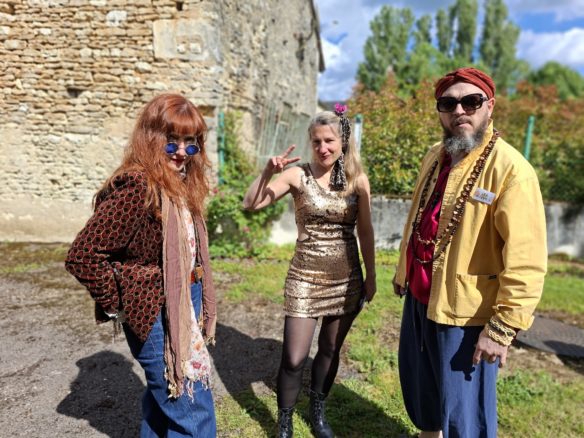
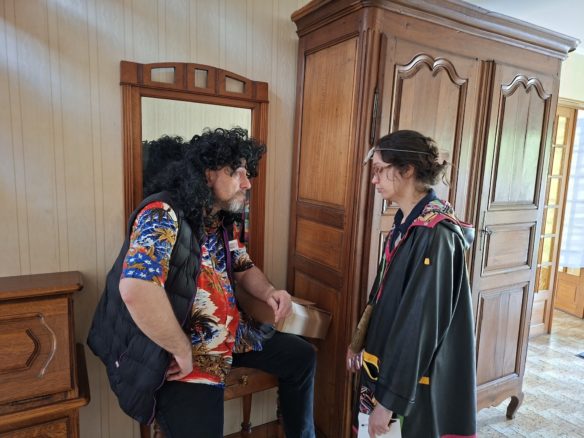
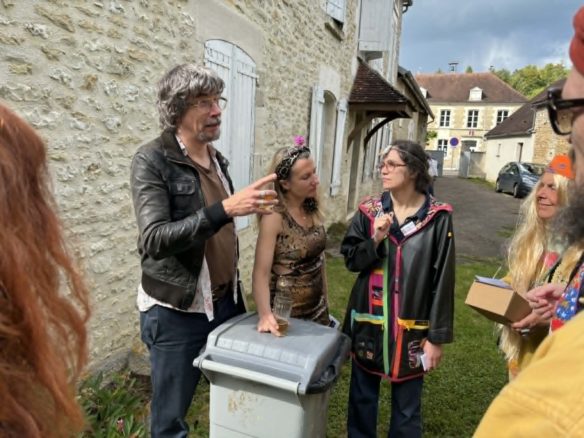
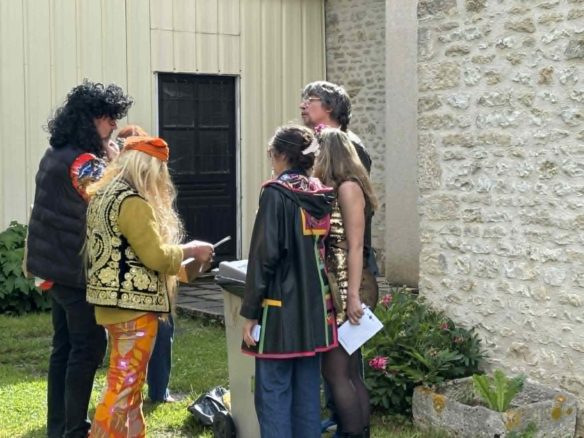
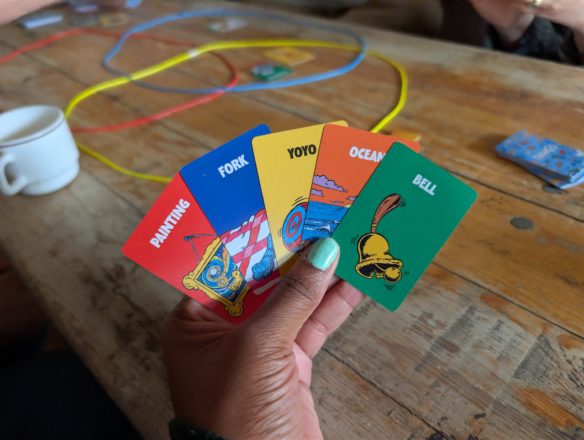
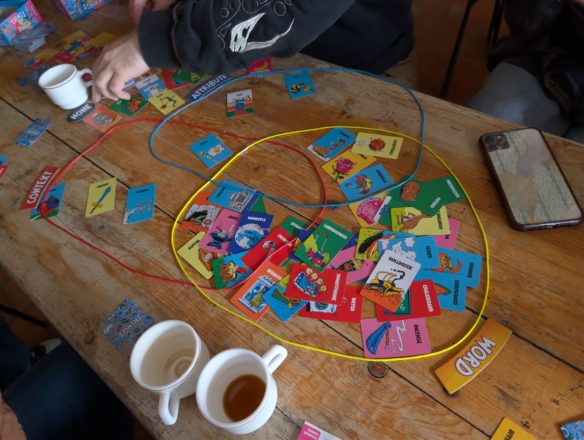
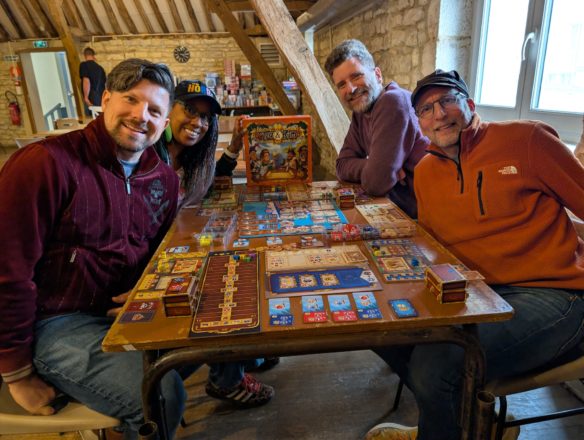
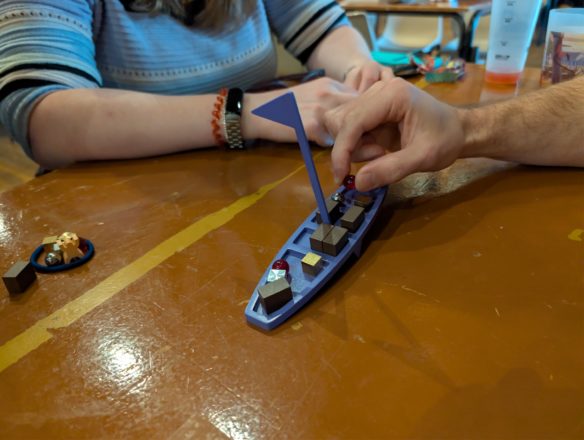
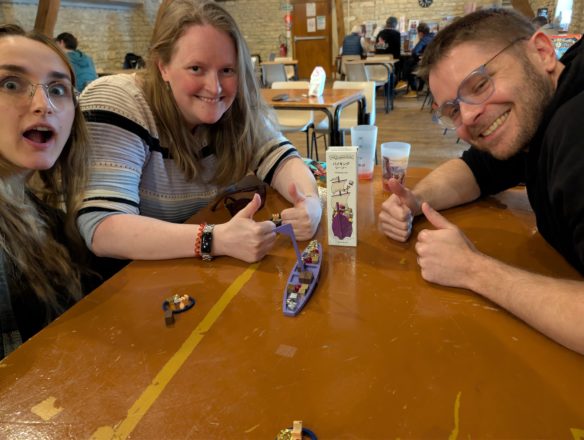
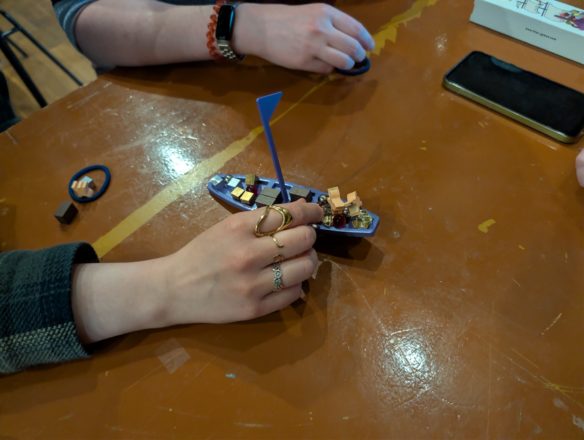
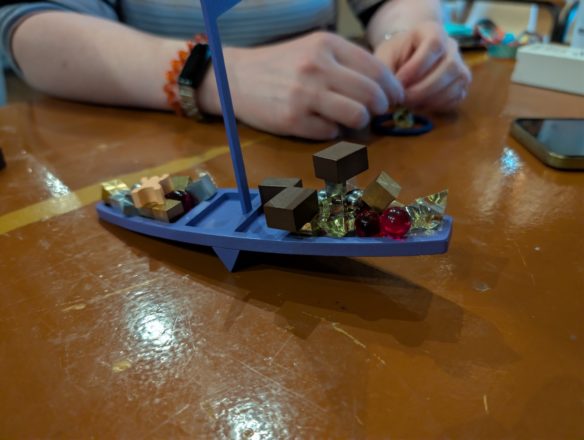
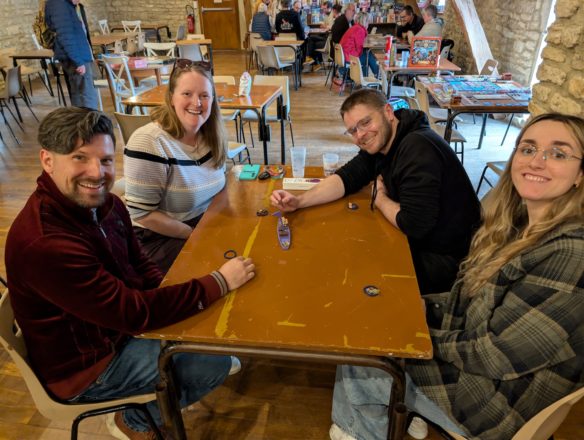
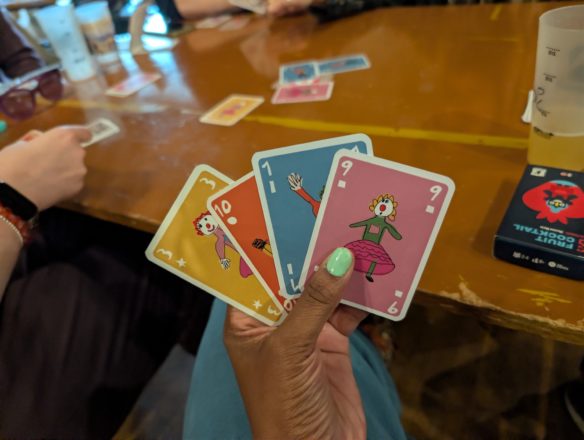
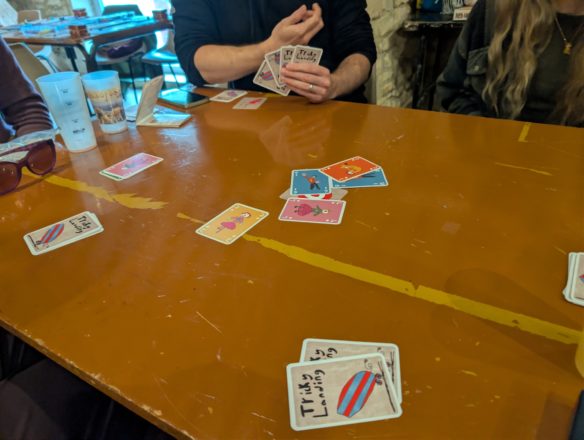
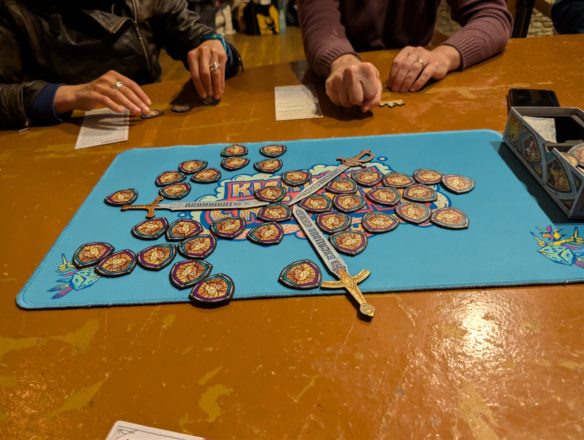
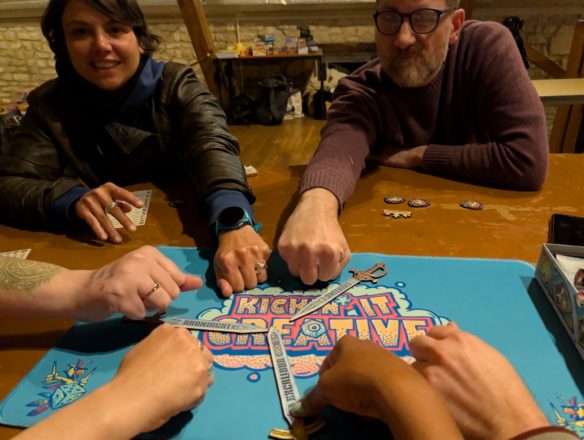
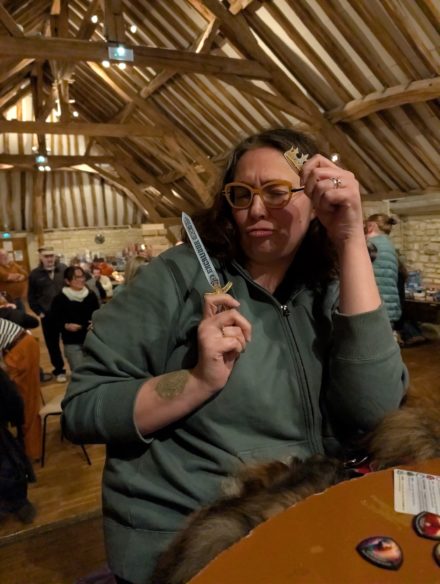
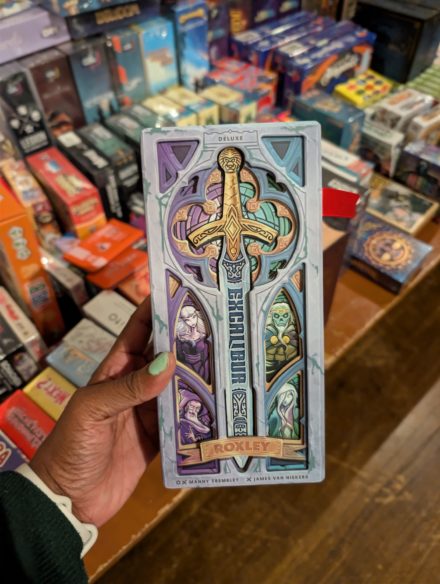
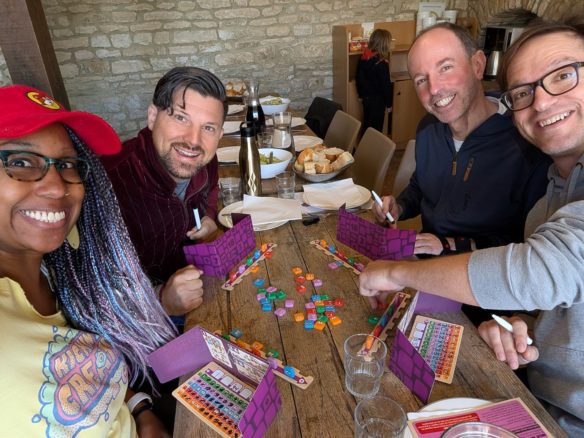
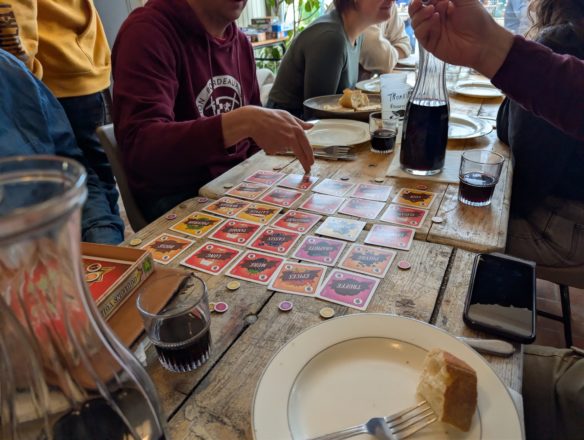
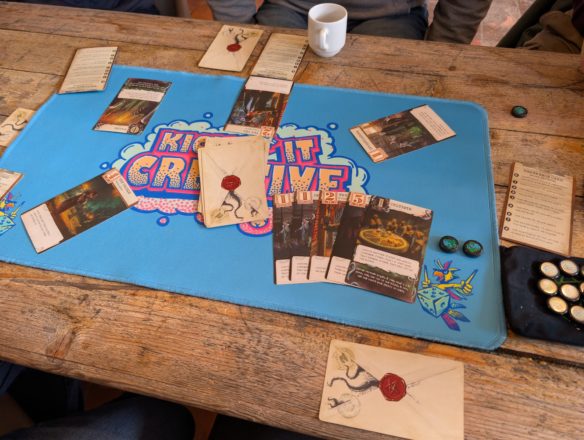
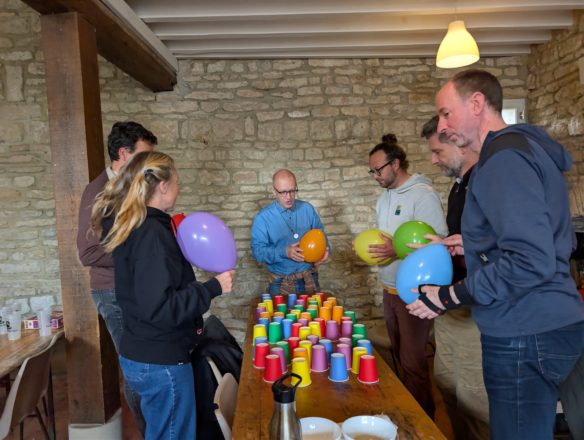
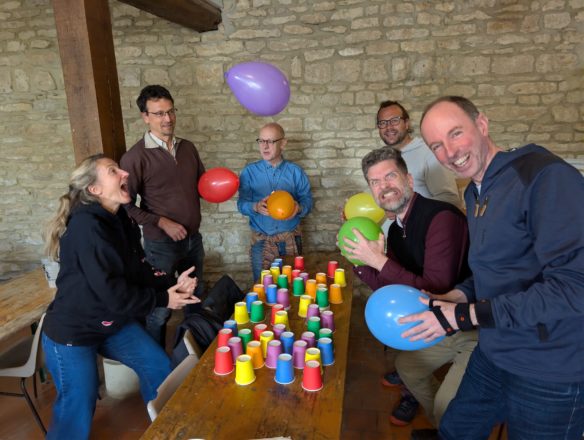
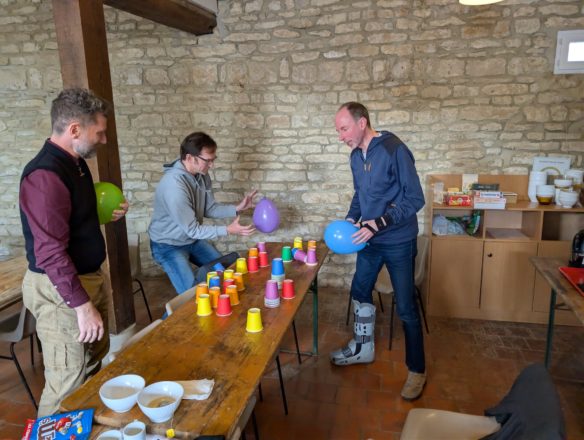
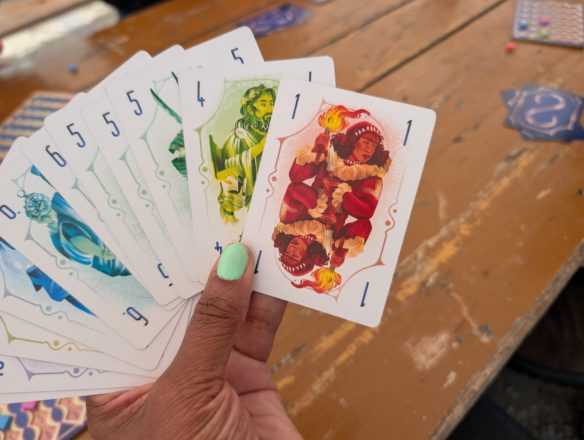
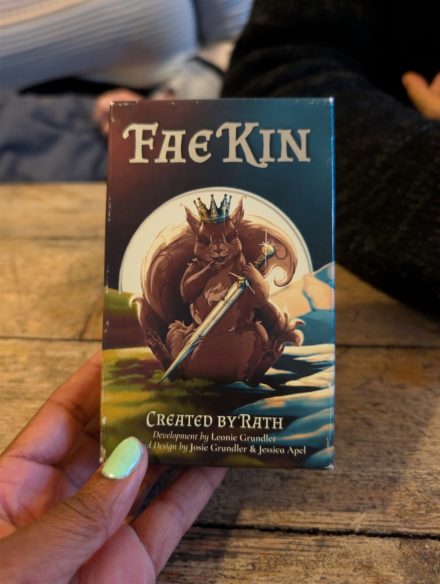
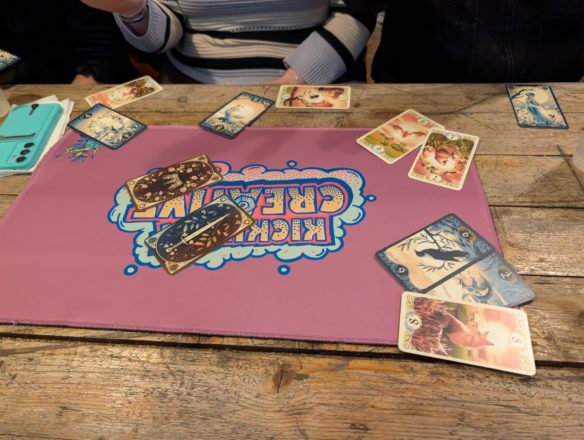
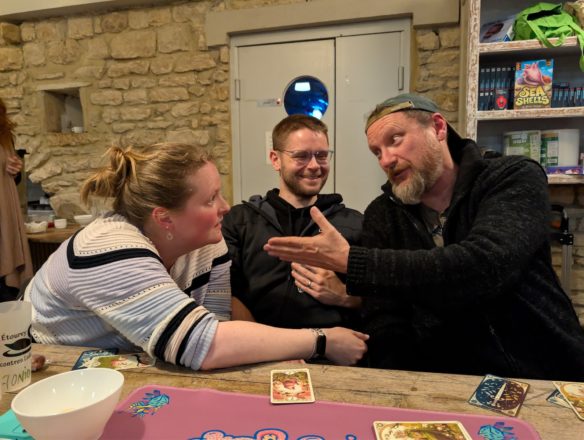
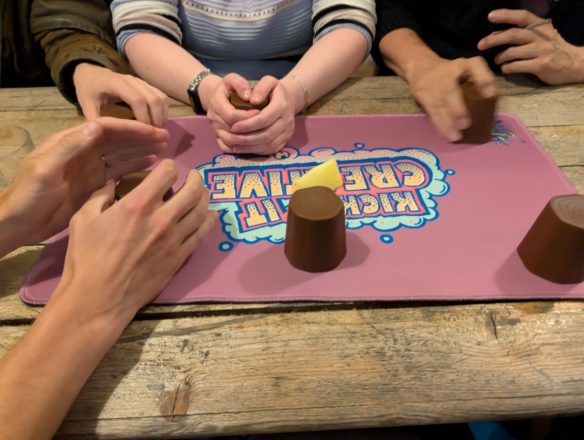
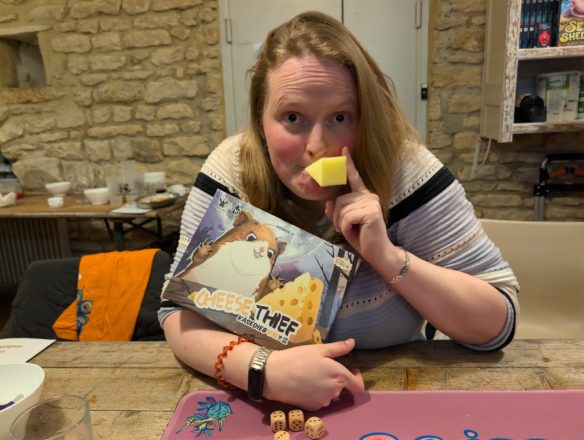
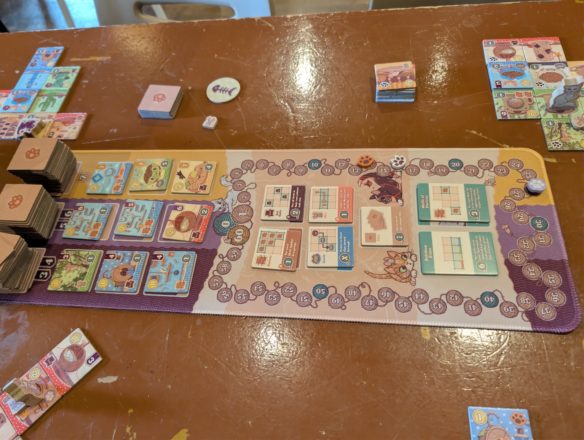
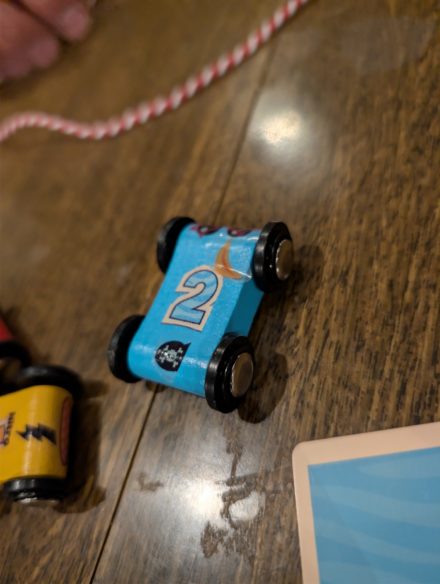
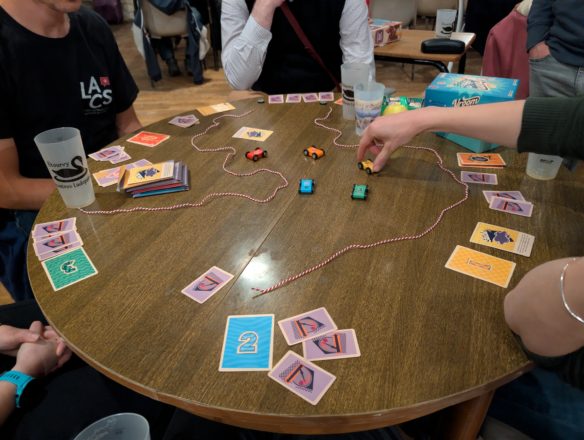
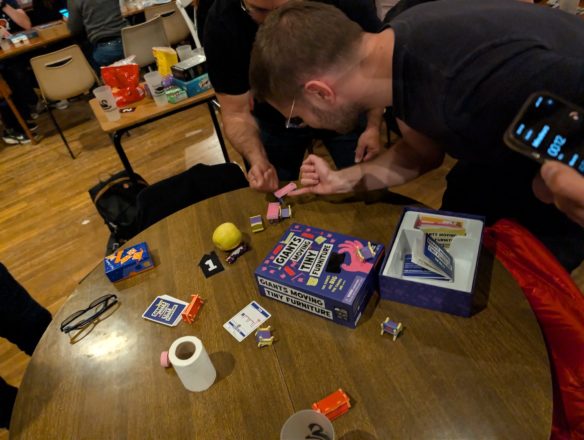
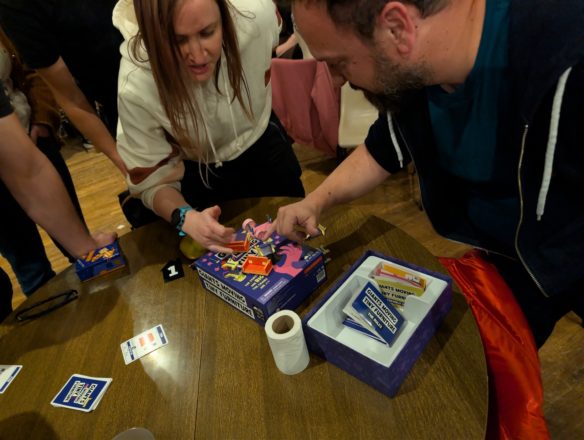
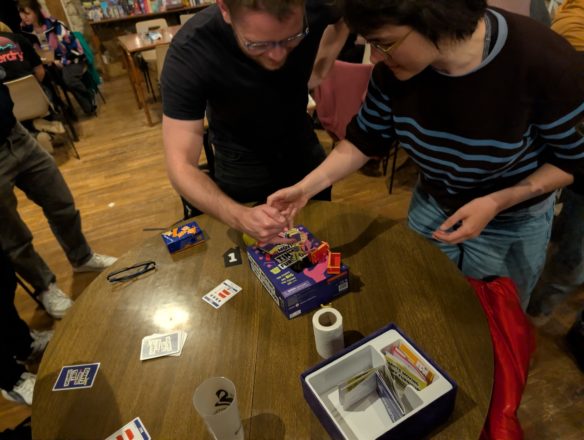
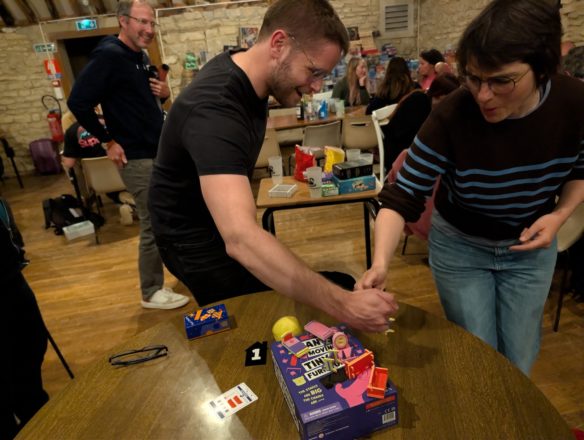
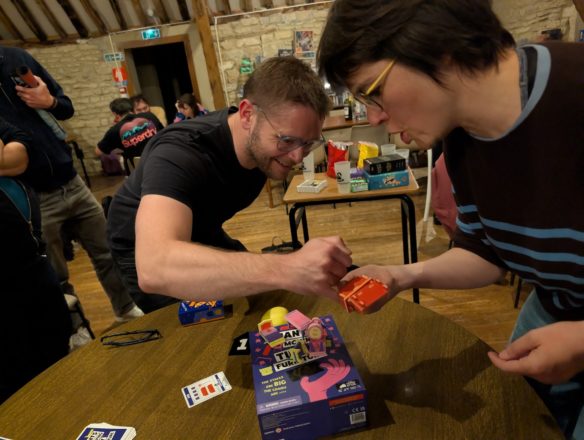
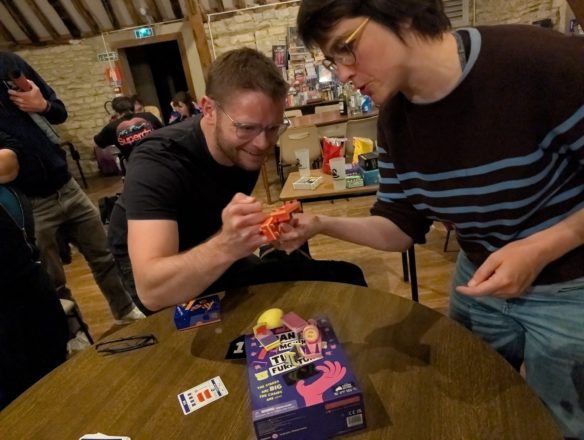
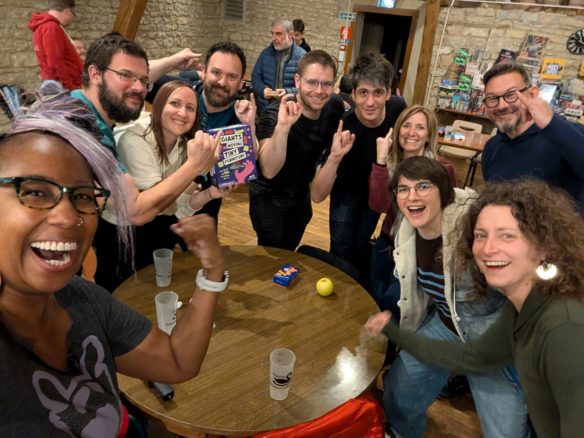
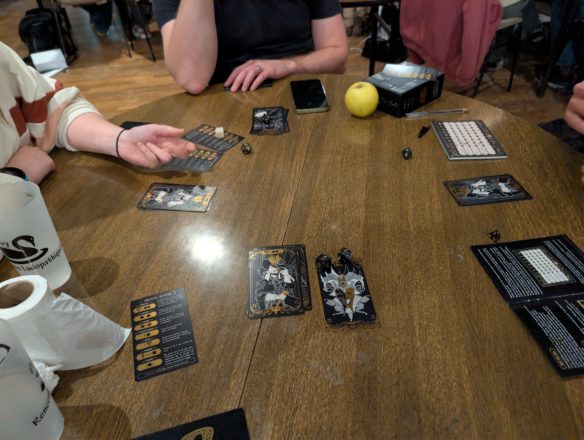
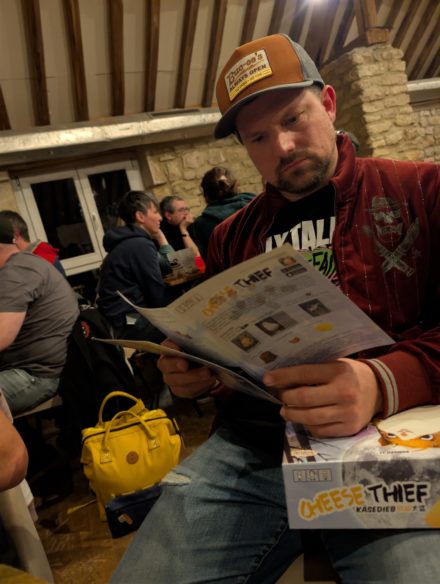
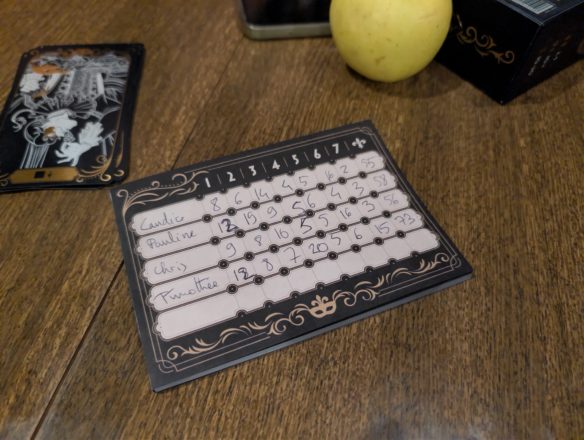
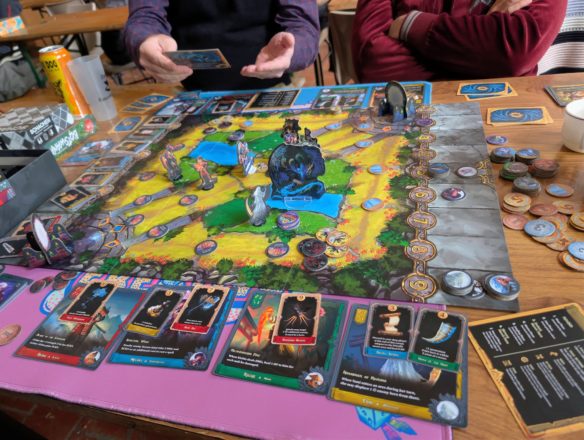
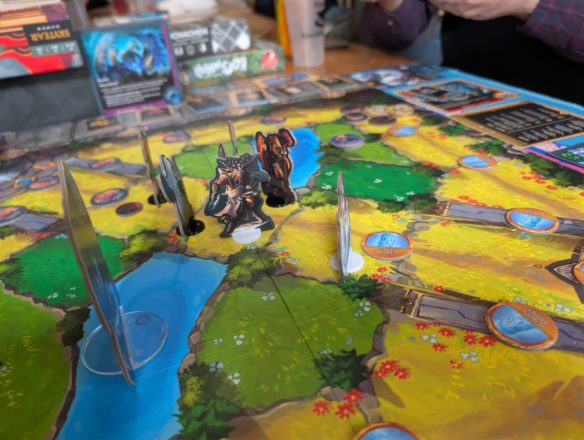
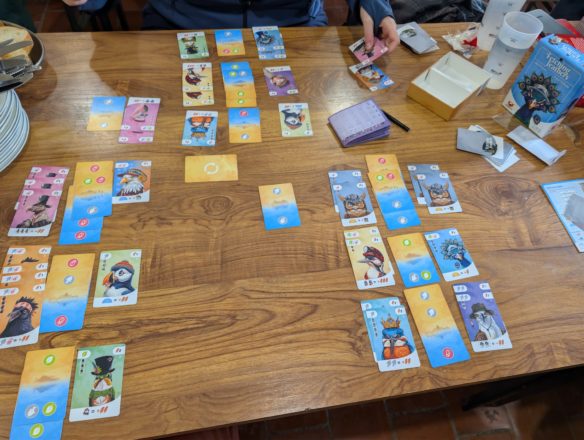
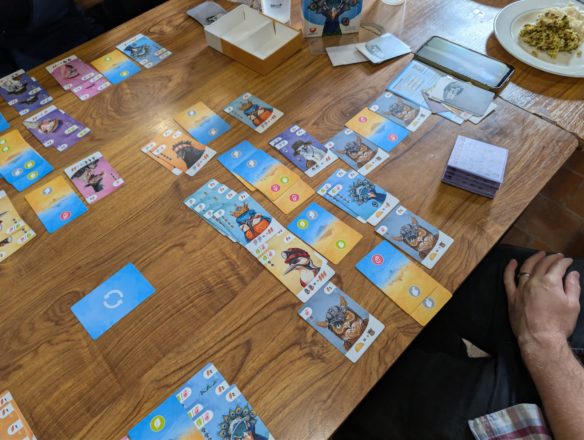
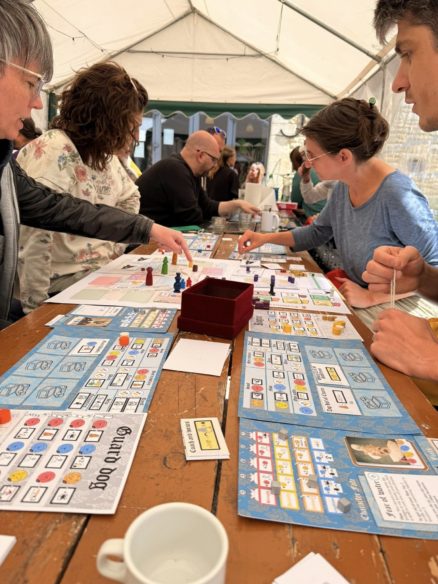
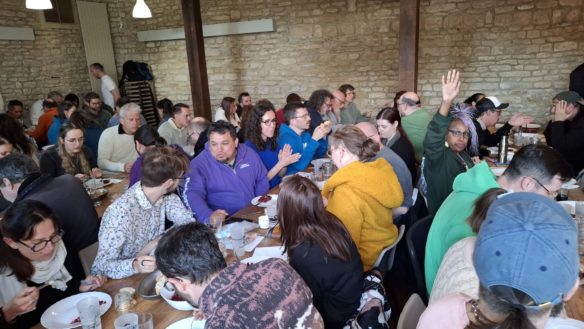
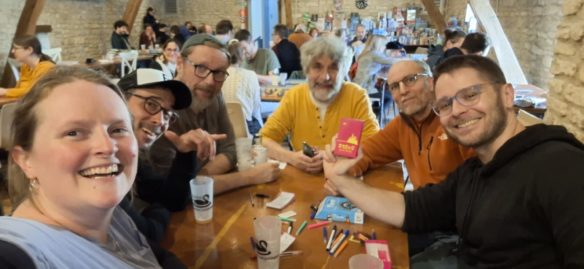
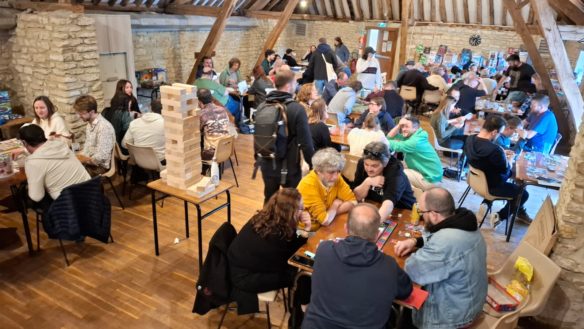
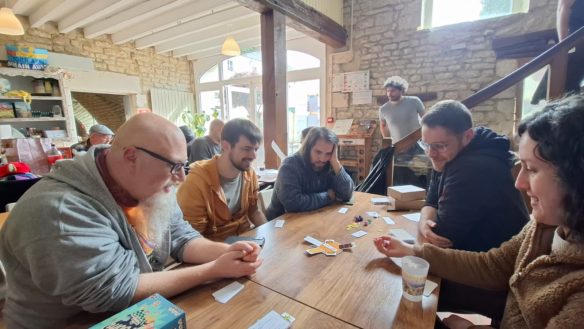
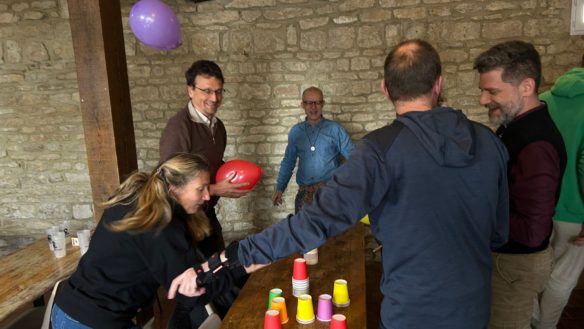
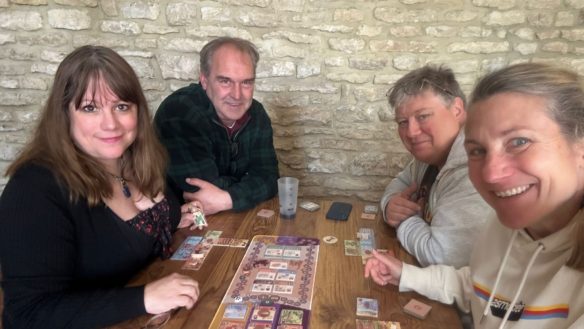
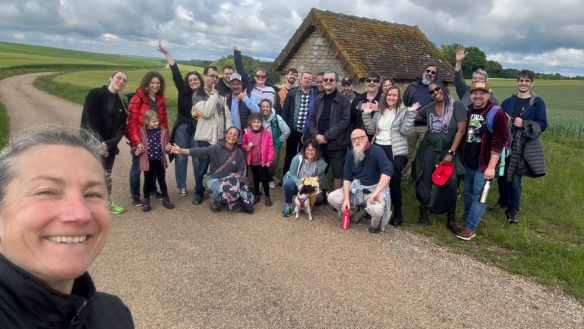
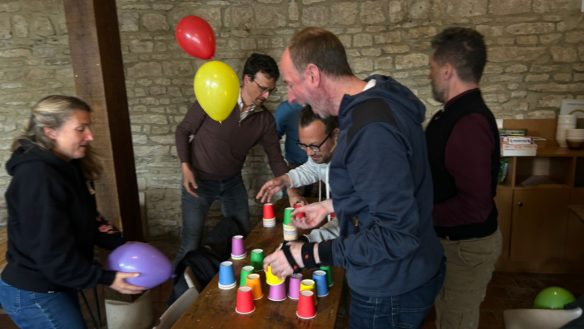
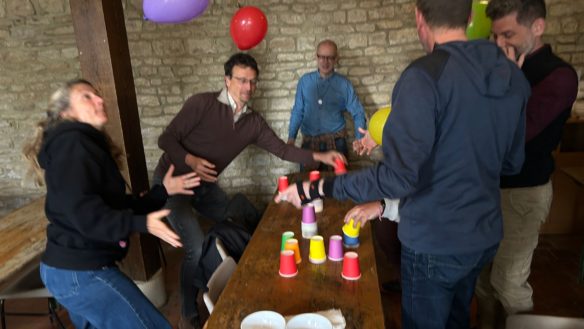
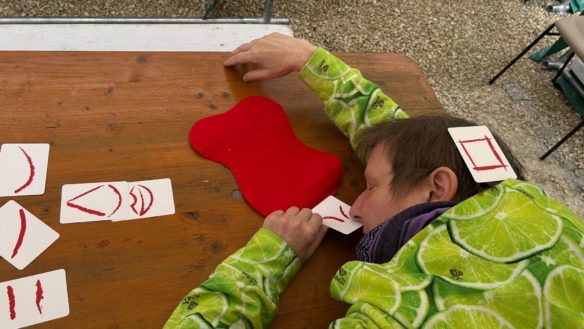
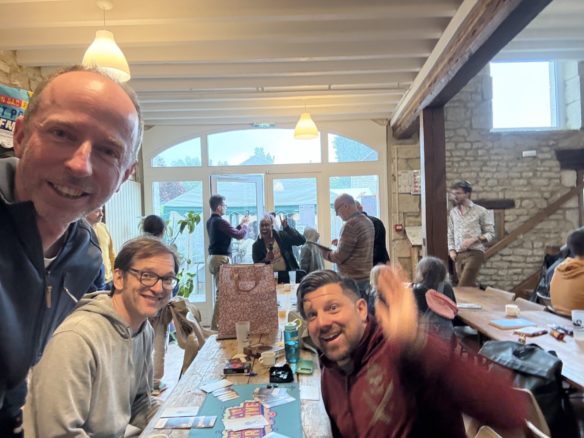
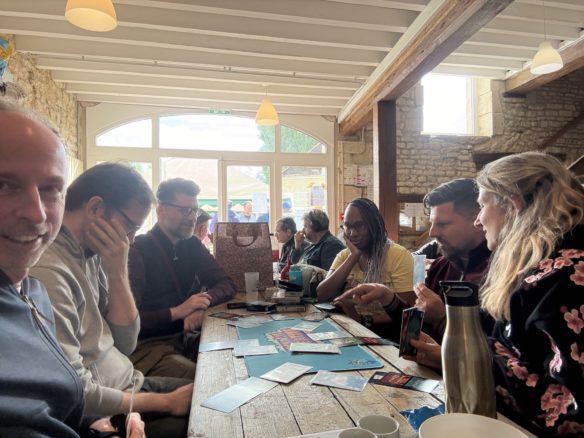
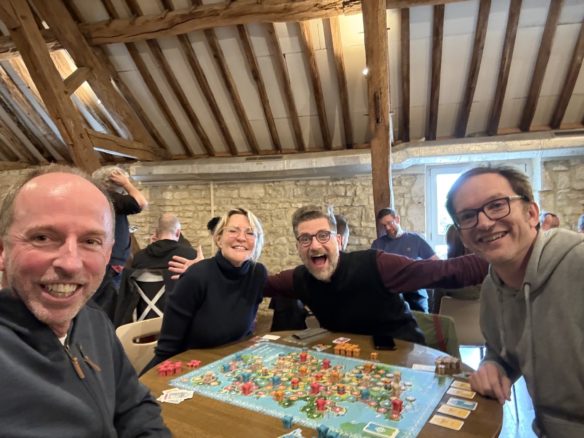
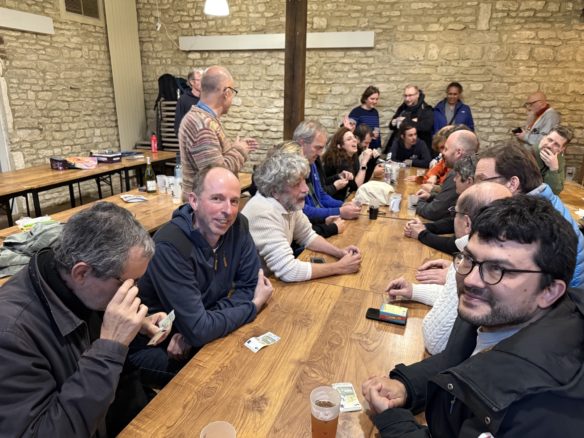
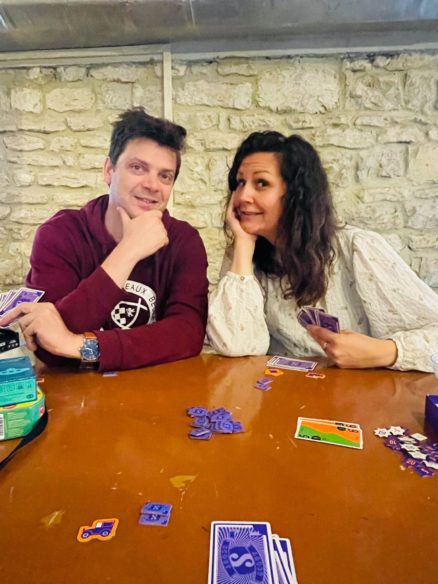
Pour ceux qui seraient intéressés par d’aventuelles localisations de ce jeu d’ambiance un peu loufoque, je précise que GDM a les droits pour l’Europe et l’Amérique latine, et Jolly Thinkers pour le reste du monde. Je peux vous mettre en contact avec eux.
Democrazy / Animocrazy Un jeu de Bruno Faidutti & Karl-Heinz Schmiel 4 à 10 joueurs – 30 minutes Publié par GDM & Jolly Thinkers Boardgamegeek
If interested in localizing this zany party game, know that GDM owns the rights for Europe and Latin America, while Jolly Thinkers has them for the rest of the world. I can put you in contact with them.
Democrazy / Animocrazy Un jeu de Bruno Faidutti & Karl-Heinz Schmiel 4 à 10 joueurs – 30 minutes Publié par GDM & Jolly Thinkers Boardgamegeek
Il y a deux mois de cela, le monde du livre a été secoué par la décision d’un grand nombre d’auteurs de quitter Hachette, la maison d’édition contrôlée par Vincent Bolloré. La raison n’était pas le positionnement politique, très très à droite, de Vincent Bolloré, mais l’éviction d’Olivier Nora, qui avait dirigé Grasset pendant plus de vingt ans. Les partants voyaient, certainement avec raison, une volonté de contrôle politique sur les publications, une mise au pas d’un homme trop indépendant. Preuve que ce n’étaient pas seulement les positions politiques de Vincent Bolloré qui justifiaient leur départ, les écrivains qui ont ainsi quitté le groupe Hachette ne sont pas tous de gauche, et l’on y trouve même quelques figures très à droite, comme Frédéric Beigbeder. Il s’en est suivi aussi quelques mouvements de solidarité dans le milieu du cinéma, que j’ai moins suivis parce que cela m’intéresse moins.
Quel rapport avec le jeu de société ? Le groupe Hachette n’est entré qu’il y a quelques années dans ce petit monde, mais, rachat après rachat, il en est rapidement devenu un acteur majeur. En font partie aujourd’hui une dizaine d’éditeurs français et canadiens, Gigamic, Studio H, Funnyfox, Le Scorpion Masqué, Sorry We Are French, Catch Up Games, La Boite de Jeu, Randolph, Blanc Manger Coco, et deux distributeurs incontournables, Blackrock et Gigamic. J’en oublie sans doute. Cela représente une bonne partie des jeux que vous pouvez trouver en boutique. J’ajoute qu’un autre acteur essentiel, avec lequel je travaille beaucoup, Iello, appartient à un groupe plus discret, Média Participations, contrôlé par Vincent Montagne, moins à droite que Bolloré mais tout aussi catho.
Croyant bien faire, quelques « influenceurs » du monde ludique ont, ces derniers jours, lancé une petite campagne sur les réseaux sociaux suggérant d’éviter les jeux publiés par les éditeurs du groupe Hachette, voire même tous les jeux distribués par Gigamic et Blackrock – en gros, on ne devrait plus acheter que chez Asmodee. Leurs discours relèvent de ce que les américains appellent le « virtue signaling », des prises de position motivées non par leur efficacité mais par une sorte de « posture morale », par le souci de monter que l’on est du bon côté. Je pense que c’est absurde.
Comme je l’ai expliqué plus haut, c’est par solidarité avec Olivier Nora, et parce qu’ils assistent à la mise en place d’un contrôle politique éditorial, que des auteurs ont quitté Hachette. Rien de tel ne s’est produit chez Blackrock ou Gigamic, et je suis bien certain que rien de tel ne se produira, ne serait-ce que parce qu’un jeu de société ne peut pas porter un discours politique avec la même subtilité et la même efficacité qu’un livre ou un film.
Et puis, surtout, Studio H, Gigamic, Blackrock, Scorpion Masqué, ce sont d’abord des gens que je connais bien, depuis longtemps, qui étaient là bien avant que Hachette ne rachète tout ça, et qui sont parfois très à gauche. Ce sont donc des amis avec qui j’ai plutôt envie de continuer à travailler. Je préfèrerais qu’ils ne soient pas chez Bolloré, ne serait-ce que parce que je n’aurais pas à écrire ce texte, mais je ne vais pas en faire une montagne.
De toute façon, quand vous achetez une boîte de Bellavista, la dernière grosse boîte de Studio H, vous faites gagner un peu d’argent à Bruno Cathala et Andrea Mainini, les auteurs, à Hicham et sa petite équipe, l’éditeur, et vraiment pas grand-chose à Vincent Bolloré, qui est bien au-delà de tout ça.
Je suis un homme de gauche. J’ai récemment repris, même si je ne fais guère que payer sagement ma cotisation tous les ans, ma carte du parti socialiste. Je ne soutiens en rien les positions identitaires de Vincent Bolloré, mais cela ne m’empêche pas de continuer à travailler avec des équipes que j’aime bien, que je connais parfois depuis vingt ans, et dont le boulot ne relève absolument pas du discours politique. Ils étaient tous à Etourvy le mois dernier, où l’on a d’ailleurs un peu parlé de cette situation. Je leur ai encore laissé des prototypes. Je serai aussi la semaine prochaine à Boulogne, avec tout le petit monde du jeu, à la fête d’anniversaire de Gigamic.
J’ajoute que je me méfie de plus en plus des discours annonant que « tout est politique ». C’est bien sûr un peu vrai, mais à force de le répéter, on en oublie que certaines choses le sont bien plus que d’autres, et on finit par se perdre dans des combats un peu ridicules et, pour cette raison, contre-productifs.
Two months ago, the French literary scene has been violently shaken when many well-known writers decided to leave Hachette, the publishing group controlled by the far right media mogul Vincent Bolloré. The reason was not Bolloré’s political convictions, but the fact that he had sacked Olivier Nora, the head of Grasset for twenty years. The leaving writers considered, probably rightly, that this sacking was the first step towards a political control on publications, something Olivier Nora has always avoided. The leaving were not all leftist, and there was even among them few very right wing authors, like Frederic Beigbeder. IN the following weeks, there has been also some ripple effect in the movie world, but I’m less interested in it and didn’t follow the details.
What does all of this has to do with boardgames ? Hachette has been in the French boardgaming world for a few years now, and has quickly become a major player. It now controls a dozen French and Canadian publishers, Gigamic, Studio H, Funnyfox, Le Scorpion Masqué, Sorry We Are French, Catch Up Games, La Boite de Jeu, Randolph, Blanc Manger Coco and two major distributors, Blackrock and Gigamic. This means a good chunk of the games you can buy in French gameshop. Furthermore, another major player on the French boardgaming scene, Iello, who published several games of mine, has been take over by another more discreet group, media-participations, owned by another less known media mogul, Vincent Montagne, who is less on the right than Bolloré, but as catholic as him, if not more.
Believing they were doing the right thing, a few French boardgame influencers have, these last days, suggested on social network that gamers avoid all games published by studios in the Hachette group, or even all the games distributed by Gigamic and Blackrock. Basically, this means buying only what’s sold by Asmodee. I think this virtue signaling is absurd, and may be counter-effective.
As I have explained before, the writers who left Hachette did it by solidarity with Olivier Nora, and because they were afraid of a political editorial control. Nothing like this happened at Blackrock or Gigamic, and I am confident nothing like this will happen because a boardgame cannot carry a deep and effective political message like a novel or a movie does.
And, most of all, Studio H, Gigamic, Blackrock, Scorpion Masqué, these are people I know for some time, who were there long before Hachette went in, and some of them are even dedicated leftists. They are friends with whom I have enjoyed working and hope to keep on working. Of course, I would have preferred them not to be in the Bolloré group, if only because I would not have to write this blogpost, but I can make do with it.
And anyway, when you buy a copy of Bellavista, Studio H’s last big box game, you are giving some money to Bruno Cathala and Andrea Mainin, the designers, to Hicham and his small team, the publisher, and almost nothing to Vincent Bolloré, who doesn’t need it anyway.
I am a leftist. I am in the French Socialist Party, even when I don’t do much more than paying my yearly subscription. I am as far as one can be from Vincent Bolloré far right identity politics, but this doesn’t prevent me from keeping on working with people I like, with teams I know sometimes for twenty years and whose work is not really political. They were all last month in Etourvy, and there was some discussion about this issue. I’ve given them prototypes, as usual. And I will be next week at the Gigamic 35th birthday party, with most of the French small boardgaming world.
I am more and more wary of people stating that “everything is political”. There is some truth in it, of course, but when we say it over and over about everything, we end up ignoring that some things are much more political than others, and we lose ourselves in ridiculous and often counterproductive fights.
Il y a plus de 10 ans, en 2014, je discutais déjà, sans trop insister il est vrai, de savoir s’il y avait « trop de jeux » publiés. C’est une question qui revient régulièrement, posée par des boutiques, des éditeurs et des auteurs, mais aussi, de plus en plus, par les joueurs. La réponse est complexe, et va m’amener à aborder, toujours très rapidement, de nombreux points qui mériteraient sans doute, pour la plupart d’entre eux, une réflexion plus approfondie.
Quelques chiffres
Ces dix dernières années, le nombre de nouveaux jeux de société publié chaque année a encore rapidement augmenté. Le nombre de nouveaux jeux entrés dans la base de données du Boardgamegeek est ainsi passé de 1500 environ en 2005 à plus de 3000 en 2015, et plus de 8000 en 2025. Ces dix dernières années, ce nombre a donc été multiplié par 2,5 environ. Certes, le marché a également fortement progressé, mais un peu moins vite, puisque l’on estime qu’il a doublé, soit une augmentation de 7% par an en « lissant » les effets de la période Covid, quand le nombre de jeux publiés augmentait de 10% par an. Des chiffres impressionnants donc, mais leur différence confirme que si le jeu de société est devenu plus populaire, les choses n’en sont pas pour autant plus faciles pour les éditeurs et les auteurs.
Deux à trois fois plus de jeux pour un marché deux fois plus important, cela pourrait sembler assez supportable, mais cela change en fait énormément de choses pour les éditeurs, les boutiques, les auteurs et les joueurs.
Édition et distribution
Du côté de l’édition et de la distribution pour le grand public, la tendance a été à la concentration, avec notamment les nombreux rachats effectués par Asmodée, Hachette et quelques autres. Simultanément, le développement des plateformes de financement participatif, Kickstarter puis Gamefound, a permis à l’inverse à de petits éditeurs très spécialisés de trouver directement une audience pour des jeux plus complexes mais aux tirages pas toujours ridicules. Coincés entre les deux, ce sont les éditeurs de taille moyenne, ceux qui sortent sept ou huit jeux par an et vendent surtout en boutique, qui se sont retrouvés en difficulté lorsque lesdites boutiques, faute de place et parfois dépendantes des choix des distributeurs, ne pouvaient plus mettre leurs produits en avant aussi systématiquement et aussi longtemps.
Fuite en avant
Beaucoup ont opté pour la fuite en avant. Face à baisse des ventes de nouveaux jeux qui restent de moins en moins longtemps dans les vitrines des boutiques, Il était tentant de sortir des salves de nouveautés de plus en plus rapprochées, tous les six mois au lieu de tous les ans, puis tous les trois mois, puis tous les mois. En Chine et en Europe de l’Est, les fabricants l’ont compris et se sont aussi adaptés à des tirages plus réduits mais plus fréquents. Et puis, on ne sait jamais, un plus grand nombre de sorties augmente aussi la probabilité d’avoir un hit, un jeu que tout le monde se met à jouer et acheter. Quand cela n’a pas fonctionné, certains éditeurs ont fermé boutique, d’autres réduit la voilure. Beaucoup sont passé sous le contrôle de plus grands groupes mais, bon, Asmodée et Hachette ne peuvent quand même pas racheter tout le monde.
Comment sortir du rang
C’est en effet un autre effet pervers de cette augmentation des sorties. Quand les jeux étaient peu nombreux, et souvent médiocres, les meilleurs sortaient naturellement du lot. Il suffisait qu’un jeu soit bon pour qu’il se vende correctement, il suffisait qu’il soit excellent pour devenir un classique. Aujourd’hui, dans une production plus nombreuse, de meilleure qualité et mieux éditée, il faut aussi qu’il soit beau, qu’il soit poussé par les distributeurs, ce qui peut s’arranger, et qu’il ait de la chance, ce qui est totalement imprévisible. Treasure of the Dwarves, que je tiens pour ma meilleure création, ne s’est pas vraiment vendu, non parce qu’il n’a pas plu mais parce qu’il est passés inaperçu.
Les auteurs
S’il y a trop de jeux, ne serait-ce pas aussi parce qu’il y a trop d’auteurs ? Les joueurs sont de plus en plus nombreux à vouloir passer « au niveau supérieur » en concevant leurs propres jeux et en tentant de les faire éditer ou, de moins en moins rarement, en les éditant eux-mêmes.
Il y a à cela des explications culturelles et économiques. La croissance du marché depuis vingt ans, ainsi que le développement sur internet de sites de référence comme le boardgamegeek, ont fait émerger une véritable « culture ludique » que les joueurs sont de plus en plus nombreux à maîtriser suffisamment pour vouloir sauter le pas. Contrairement à la culture littéraire ou musicale, et malgré un certain eurocentrisme des thèmes abordés, la culture ludique est récente est une culture global, où tout se fait en anglais, ce qui permet aujourd’hui aux auteurs d’Asie ou d’Amérique du Sud de s’ajouter à ceux d’Europe et d’Amérique du Nord, en s’adressant directement aux mêmes éditeurs, avec des jeux qui ne sont pas bien différents.
Il y a aussi des explications économiques. Les technologies modernes rendent aussi possibles des tirages de plus en plus modestes, que les sites de crowdfunding permettent de rentabiliser modestement mais assez facilement, diminuant ainsi grandement les coûts et les risques de l’autoédition.
Trop de bons jeux ?
Des auteurs plus nombreux, plus jeunes, d’origines de plus en plus variées, cela rend bien sûr le métier un peu plus compliqué pour les anciens comme moi. C’est d’autant plus vrai que, du fait d’une culture ludique plus vaste et plus facilement accessible, les jeux qu’ils proposent aujourd’hui sont, dans l’ensemble, de meilleure qualité que ceux d’il y a une vingtaine d’année. Beaucoup des « chefs d’œuvre » parus dans les années quatre-vingt-dix ou deux-mille, dont certains comme mon Citadelles sont désormais des succès commerciaux solidement installés, feraient sans doute pâle figure s’ils sortaient aujourd’hui – même s’il leur reste toujours le fait et le charme d’avoir été des précurseurs. Il n’y a pas seulement plus de jeux, il y a plus de bons jeux. Peut-être même y a-t-il trop de bons jeux.
Les IAs et les jeux
Les illustrateurs de jeux ont pris de plein fouet, depuis trois ou quatre ans, la concurrence des intelligences artificielles. Les auteurs de jeux, en revanche, n’ont pour l’instant guère été affecté. Beaucoup, moi le premier, ont eu recours aux IAs pour quelques réglages, pour des statistiques, et peut-être certains pour des tests, mais les mécanismes ludiques eux-mêmes semblaient avoir échappé à Chat GPT, Claude et les autres. Même dans le jeu vidéo, me suis-je laissé dire, le rôle des IAs est resté assez limité.
C’est peut-être en train de changer puisque, ces dernières semaines, de premiers jeux de société visiblement entièrement ou du moins très largement conçu par des IAs sont arrivés sur les plateformes de financement participatif. On peut les repérer à quelques indices, l’absence de nom d’auteur et d’illustrateur, un éditeur dont personne n’a entendu parler auparavant, et surtout un look, un thème et des mécanismes extrêmement génériques, en gros des jeux de gestion et de placement avec beaucoup de cartes sur un thème vaguement médiéval fantastique. À la lecture des règles, ils sont sans originalité, inutilement complexes et probablement médiocres. Peut-on imaginer que les IAs fassent, dans les mois qui viennent, des progrès en game design équivalents à ceux qu’elles ont fait en écriture et en dessin ? C’est possible, mais en attendant, elles n’apportent rien de nouveau.
Les IAs sont plutôt bonnes dans les activités extrêmement formelles, et il n’y a pas de texte plus formel et direct qu’une règle de jeu, si ce n’est peut-être un mode d’emploi de machine à laver ou d’imprimante. La différence pourtant est que l’objectif du mode d’emploi, et ce à quoi l’on reconnaît qu’une machine à laver ou une imprimante fonctionne comme prévu, est assez évident. À l’inverse, au-delà de la clarté et de la cohérence des règles, ce qui fait exactement le plaisir du joueur, ce qui distingue un bon jeu d’un mauvais, est peut-être plus difficile à formaliser. Je prends peut-être mes rêves pour la réalité – je préfère l’expression anglaise, wishful thinking -, on verra bien.
Quoi qu’il en soit, puisque leurs jeux commencent à arriver sur le marché, les IAs sont des auteurs en plus, on ne sait juste pas encore si elles deviendront des auteurs stylés et talentueux.
Les joueurs
Curieusement, les éditeurs, les boutiques et les auteurs, dont le métier devient en effet plus concurrentiel, ne sont pas les seuls à se plaindre de voir arriver « trop de jeux ». Les plus nombreux à râler, du moins sur les réseaux sociaux que je fréquente, sont les joueurs, dont on pourrait penser qu’ils ont tout à gagner à avoir plus de choix grâce à une offre plus nombreuse et, dans l’ensemble, de meilleure qualité.
On compare souvent le marché du jeu de société à celui du livre. Cela a du sens, mais l’analogie a des limites. On lit presque toujours seul, et on ne lit généralement un même livre qu’une seule fois. Lire et relire sans cesse le même livre, parfois à plusieurs, est une pathologie psychiatrique – ça s’appelle la religion. À l’inverse, on joue presque toujours à plusieurs, et la plupart des jeux gagnent en intérêt quand on y rejoue plusieurs fois (idée à creuser : le jeu vidéo et le jeu de rôles tiendraient, chacun à sa manière, à la fois du livre et du jeu, le jeu vidéo parce qu’on le pratique souvent seul, mais de manière répétée, et le jeu de rôles parce qu’il se pratique à plusieurs, mais on ne joue chaque scénario qu’une seule fois.)
Je m’égare, revenons à nos meeples. La multiplication des nouveautés change la manière dont on joue. Dans les années quatre-vingt, il n’était pas rare de faire des dizaines parties du même gros jeu, et quelques centaines des mêmes petits jeux de cartes, et ce pour une raison très simple, nous n’avions pas beaucoup de jeux sous la main. Aujourd’hui, chacun étant curieux de découvrir les dernières et innombrables nouveautés, il est de plus en plus fréquent de voir des groupes de joueurs jouer à un jeu seulement deux ou trois fois avant qu’il ne soit remplacé par une autre nouveauté, et ainsi de suite. On découvre plein de choses, ce qui est très bien, mais cela laisse aussi une certaine frustration, le sentiment de ne pas être allé au fond des choses, de ne pas avoir vraiment compris un jeu. Alors, bien sûr, on peut décider de s’arrêter, de se forcer un peu à rejouer aux mêmes jeux, mais on perd alors l’excitation de la découverte et le sentiment d’appartenance à la communauté ludique que donnait la connaissance des nouveautés, les discussions en ligne, etc… Pour ma part, j’essaie de rejouer assez régulièrement à quelques jeux et de me contenter de lire les règles de la plupart des nouveautés, mais cela aussi peut-être un peu frustrant – après tout, un jeu est fait pour être joué.
Jeux à usage unique
C’est sans doute ce changement dans nos pratiques ludiques qui explique la multiplication récente des jeux à usage unique, souvent des jeux d’enquête à scénarios comme Exit ou Unlock, et des jeux de type « Legacy », que l’on ne pratique qu’un petit nombre de fois avec, à chaque partie, un petit élément de nouveauté. Je suis personnellement peu attiré par ces jeux, que ce soit pour y jouer ou pour les concevoir, même si j’ai récemment bien apprécié Warden Keene, de Paolo Mori et Silvano Sorrentino. Il y a vingt ans, il était très difficile de vendre un un jeu ne pouvant être joué qu’une dizaine de fois, aujourd’hui, quand beaucoup de jeux, ou du moins beaucoup de gros jeux, ne sont de toute façon joués qu’une ou deux fois, cela ne pose plus aucun problème ni aux joueurs, ni par conséquent aux éditeurs.
Le crash n’aura pas lieu
Vingt années de croissance rapide qui ont donné tort à tous ceux qui pensaient que le jeu vidéo, puis le jeu en ligne, allait tuer le jeu de société en boite et en carton. Au contraire, ils ont plutôt contribuer à le populariser, en faisant passer l’idée que le jeu est une activité sociale qui ne concerne pas particulièrement les enfants. Après ces vingt années, l’offre de nouveautés augmentant clairement plus vite que la demande des joueurs, faut-il s’attendre à un crash du marché du jeu de société ?
Je ne le pense pas, car le développement récent du jeu n’a rien d’un effet de mode. Comme je le dis souvent, dans une société complexe, souvent angoissante et incompréhensible, le jeu, un petit monde hors de la réalité, avec son objectif et ses règles simples et clairs, est un refuge, un repos dont nous avons tous besoin. Cela n’est, malheureusement sans doute, pas prêt de cesser. Le marché ne s’effondrera donc pas, mais il y aura quelques ajustements dans le sens d’une baisse, pas nécessairement du nombre de boîtes vendues, mais sans doute du nombre de références. Bref, je ne suis pas certain qu’auteur ou petit éditeur de jeu de société soient des métiers d’avenir.
More than 10 years ago, in 2014, I was already asking here if there were “too many games published”. Since then, this question has been asked regularly, by boardgame shops, by publishers, by designers and even, more and more often, by gamers. To answer it, I will have to discuss several points which all would probably deserve a deeper enquiry.
Figures
These ten last years, the number of new games published every year has kept regularly increasing. There were about 1.500 new entries in the Boardgamegeek database in 2005, more than 3.000 in 2015, and more than 8.000 in 2025. There are more or less 2.5 times more games published these now than ten years ago. In the same ten years, the market volume has also grown, but less so, having more or less doubled. If we spread the effect of the covid years, the market has grown by 7% every year when the number of games has grown by 10%. The numbers are impressive, but the gap means that, while boardgames have certainly become more popular, life is not necessarily easier for designers, publishers and other boardgame professionals.
Publishing and distribution
In the mass market publishing and distribution business, there has been a strong concentration trend, mostly with takeovers by Asmodee, Hachette and a few other ones. At the same time, crowdfunding platforms like Kickstarter and now Gamefound have made possible for smaller and highly specialized publishers to find an audience for more complex hobby games, whose print runs were sometimes impressive. Stuck in between, mid-sized publishers, who used to publish more or less five new games every year, faced a difficult situation. The boardgame shops where they used to sell most of their games lost some of their market share and anyway, lacking shelf space, could not keep on pushing all of their new games as systematically and as long as they used to do.
Fleeing forward
Some tried to flee forwards (do you say this in English?). With their new games selling less and staying less time in the game shop displays, it was tempting to just do more games, with a new salvo every six months instead of every year, then every three months, then sometimes every month. In China and Eastern Europe, printers adapted and made possible smaller and more frequent print runs. And anyway, one never knows – the more games you publish, the better the odds have a hit, a game everyone buys and can even become an evergreen. When this strategy failed, some publishers closed shop, some downsized, many sold to bigger groups but, anyway, Asmodee cannot buy everyone.
Good games lost
This is another side effect of this increase in new games published. When there were few and mostly mediocre games published, the best ones always get noticed and became hits – even when hits didn’t sell as much as they do now. Good games always sold well, and the best ones became classics. Nowadayts, with so many games published, most of them really good (more about this later), a good game also needs to look nice, to be pushed by distributors, and, most of all may be, to be lucky. Treasure of the Dwarves, which I consider to be my best design, didn’t sell well, not because gamers didn’t like it but because it flew under the radars and went largely unnoticed.
Designers
Are there too many games because there are too many game designers? More and more boardgamers want to upgrade to the next level and become boardgame designers, and then either find a publisher or, which is becoming easier and more usual, publish their own design by themselves.
There are bot cultural and economic reasons to this. With the rapid growth of the boardgame hobby these last years, and the help of reference websites like the boardgamegeek, a true “boardgame culture” has been appeared. Unlike literary or musical culture, and despite some thematic eurocentrism, this recent culture is globalized almost from the start. Everything is done in English, and we have recently seen designers from East Asia or South America join the fray, submitting to the same publishers with games which are not very different from ours.
There are also economic reasons. Modern printing technologies have made possible smaller print runs, while crowdfunding websites have made self publishing easier, cheaper and, most of all, less risky.
Too many good games ?
More game designers, but also younger and more varied game designers. This, of course, makes the job a bit harder for old relics like me. Even more, due to a larger and easily accessible gaming culture, the games they are designing are, on average, better than the ones we were creating twenty years ago. Many of the “masterworks” published in the nineties and two thousand years, including my Citadels, are now evergreens but would probably look weak if published today – even when having been precursors still carry some charm and elegance. There are not only more game, there are more really good games. May be there are too many good games ?
AI and boardgame design
These last three or four years, boardgame illustrators have taken AI competition head on, but, a bit surprisingly, boardgame designers have been so far largely unaffected. Many, including myself, have made some use of AI for fine tuning, for stats, some other may be for tests, but game core mechanisms and ideas have mostly been kept out of reach of Chat GPT, Claude and their friends. I’ve been told that even in video game design, AI is not that prevalent.
It looks like, just now, things are starting to change. These last weeks, the first boardgames entirely, or at least mostly, designed by AIs have appeared on crowdfunding platforms. A few telltale signs can still help recognizing them – no designer or artist name, a so far unknown publisher, and most of all extremely generic look, setting and rules. They seem to be all management, drafting and placement eurogames with tons of cards and a bland medieval fantasy setting. From their rules, when one can get them, they are unoriginal, unnecessarily convoluted, and probably mediocre. Ais might become better at boardgame design as fast as they have become better at graphic art or at writing essays and short stories, but in the meantime, they don’t bring anything new or interesting.
Ais are good at writing game rules because games are very explicit and formal systems – the only more formulaic and straightforward texts are probably washing machine or printer instructions. The difference though is that everyone, and therefore AIs, know what is the point of a washing machine or a printer, when one can say that it works or doesn’t when, aside from rules clarity, what makes a good, tense and exciting game is very difficult to formalize. So, I think we still have some time – but may be this is wishful thinking….
Anyway, since their designs are starting to hit the market, AIs are also game designers – we just don’t know yet if they will soon become talented and innovative ones.
Gamers
Surprisingly, shops, publishers and designers, whose jobs are becoming more competitive, are not the only ones to complain about “too many games”. Gamers are complaining as much, if not more, at least on my social networks, when one could think that having more choice thanks to more and better games were a good thing.
The boardgame market is often compared to that of novels. This makes sense, but only to certain point. We usually read books alone, and rarely read the same one more than once. Reading the same book over and over, often in group, is a mental condition, usually associated with religion. On the contrary, most games are played in groups, and become more interesting when played several times (wild digressive idea: video games and rpgs are both in between boardgames and books, video games because they are mostly a solitary activity, but often a repetitive one, and rpgs because they are played in groups, but the same scenario is played only once).
Let’s get back to the meeples (untranslatable French pun, sorry). In the eighties and nineties, when I discovered boardgames, playing the same heavy game dozens of times, or the same small card game hundreds of times, was usual. The main reason was that we didn’t have many games available. Nowadays, we are all and always curious to discover the exciting new stuff. As a result, more and more gamers groups play a game only two or three times, if not just once, before it is replaced by another new one, and so on. The excitation of discovering new games is unfortunately counterbalanced by the frustration of not having experienced the games in depth, of not really knowing them. Of course, we can decide to stop buying new games and play more older stuff, but we lose the fun of discovery and the sense of belonging to the gaming world given by the knowledge of new stuff, the online discussions, etc. I personally try to play a few games at least two or three times, and to just read the rules of most new ones, but this also can be frustrating – after all, games are meant to be played.
Single use games
This change in the way we play games is probably the main reason there are more and more “single use” games, mostly deduction games like the Exit or Unlock series. or Legacy style games, played a few times with a new twist in every game. I’ve never been very interested in these games, though I recently had great fun playing Paolo Mori and Silvano Sorrentino’s Warden Keene. Twenty years ago, selling a game intended to be played only a few times was extremely difficult. Nowadays, when most games, or at least most heavier games, are played only two or three times anyway, it’s not an issue for most players and, therefore, for most publishers.
The crash which won’t happen
Twenty years of fast growth have proven wrong those who thought and said that video games, and then online gameing, would kill boxed cardboard games. On the contrary, they have actually helped, by promoting the idea that games are a social activity not specifically for children. After these twenty years, with the supply of new boardgames growing much faster the demand from gamers, should we expect a market crash?
I don’t think so, mostly because the recent popularity of boardgames is not just a passing fad. As I often say, we live in a more and more complex and therefore stressful and uncomprehensible society. Games, as a small outside world with an obvious goal and explicit rules, give us a well needed respite, a rest. This will, unfortunately, not stop. The boardgame market will therefore not crash, but there might be adjustments – not necessarily fewer games sold, but very probably fewer new games published. I am not sure that boardgame publisher or designer is a good career choice for the coming years.
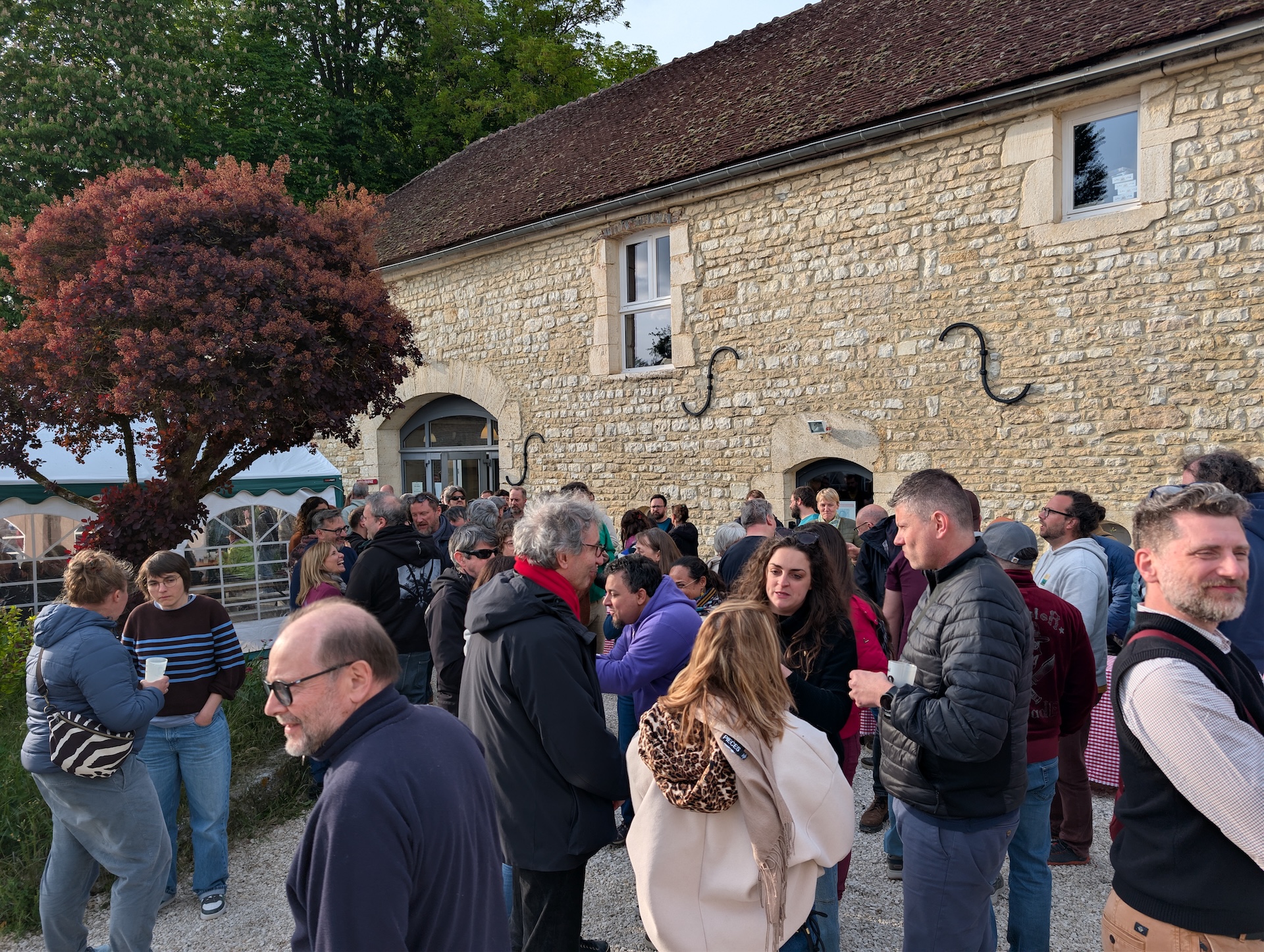
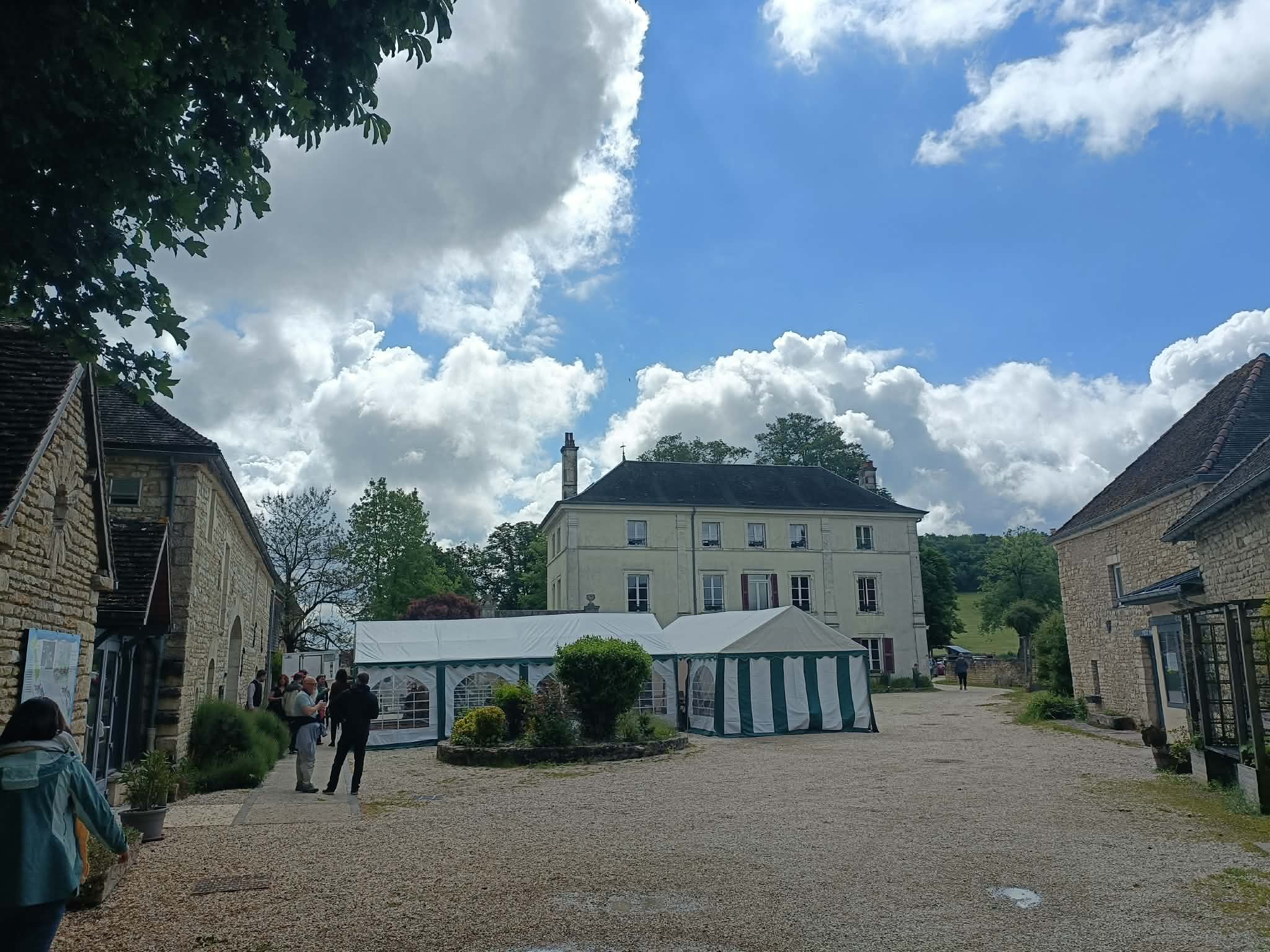
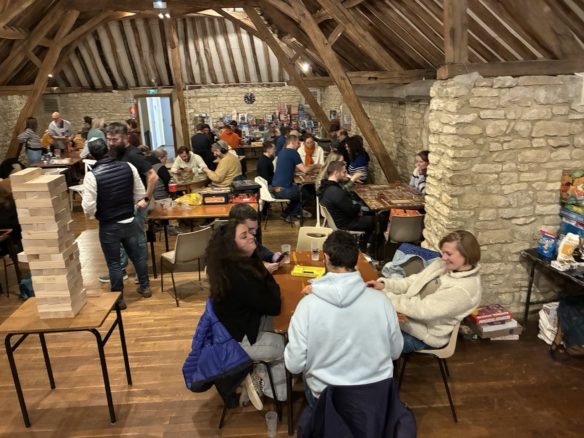
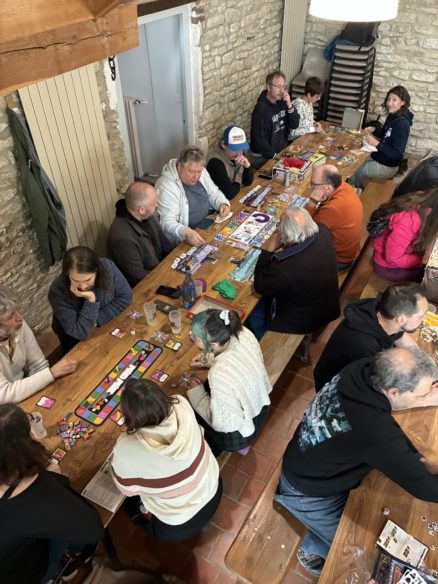
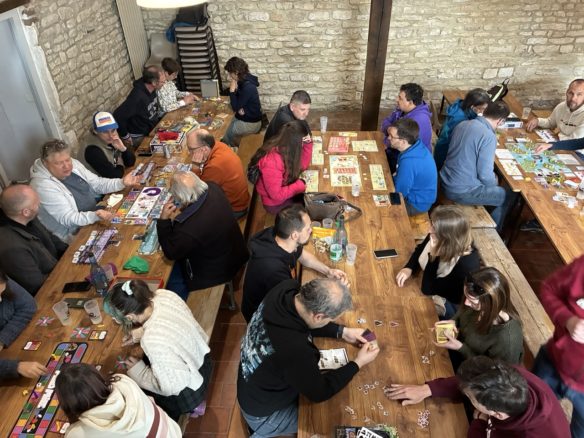
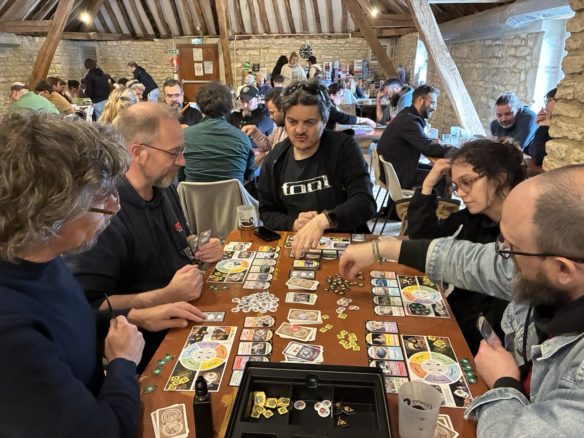
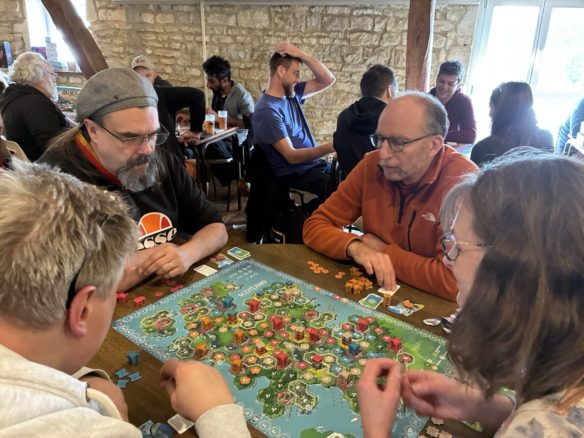
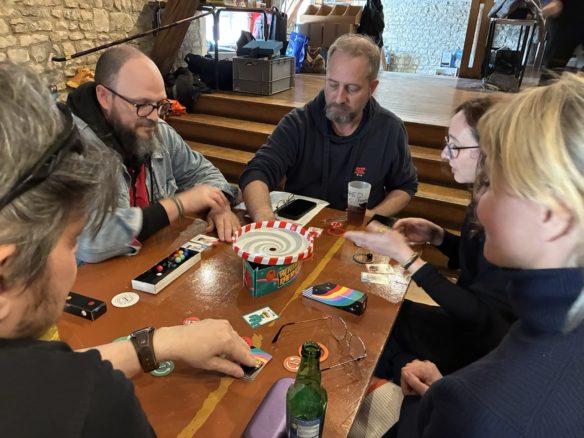
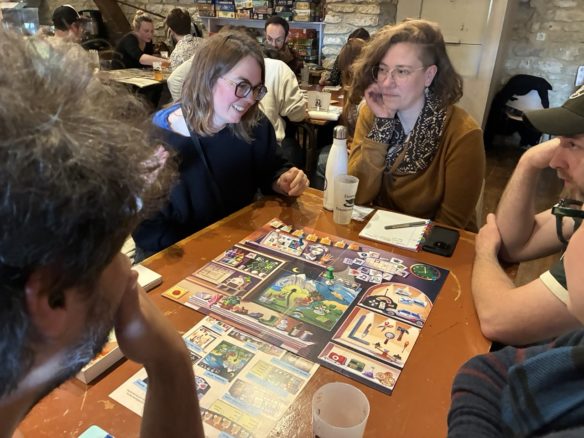
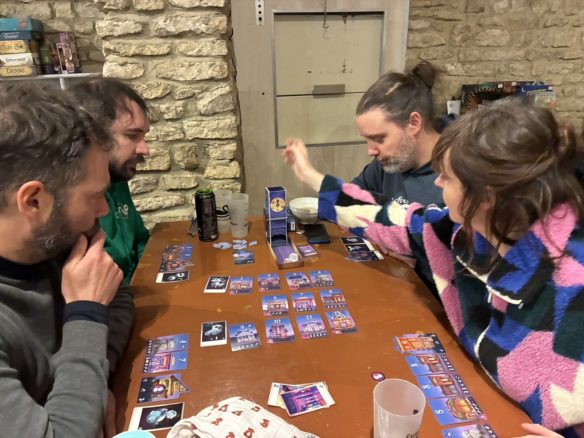
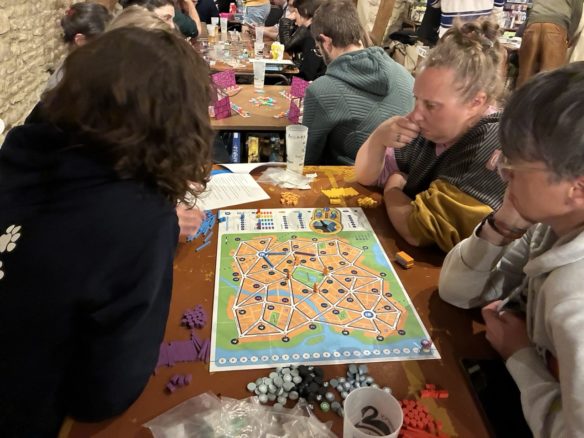
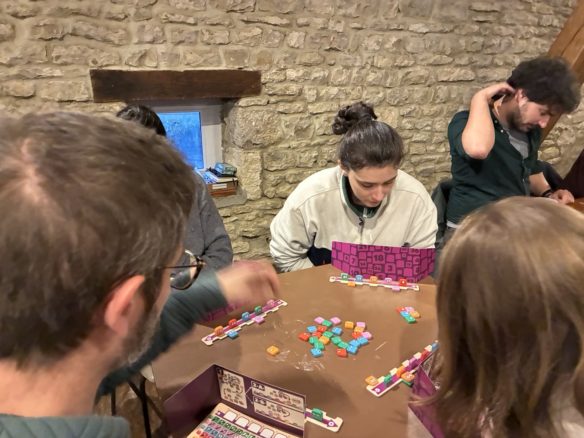
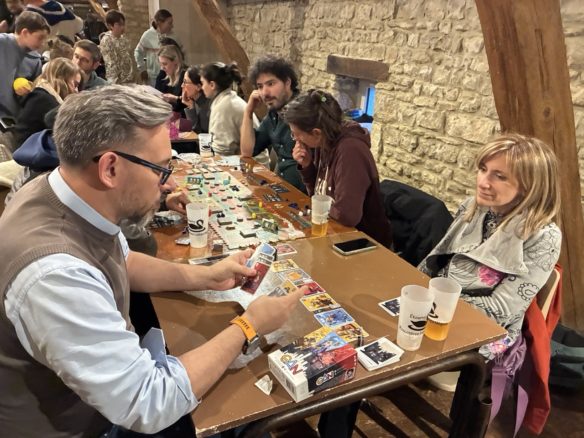
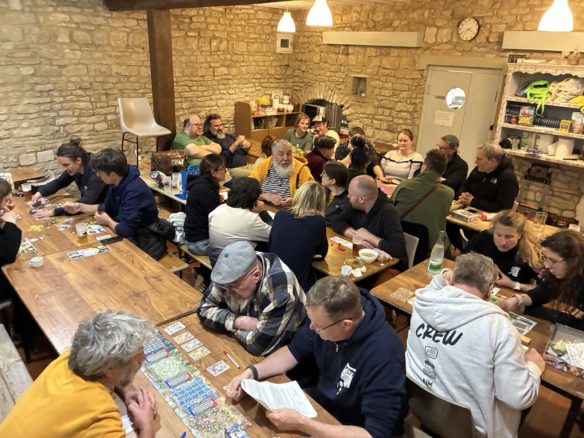
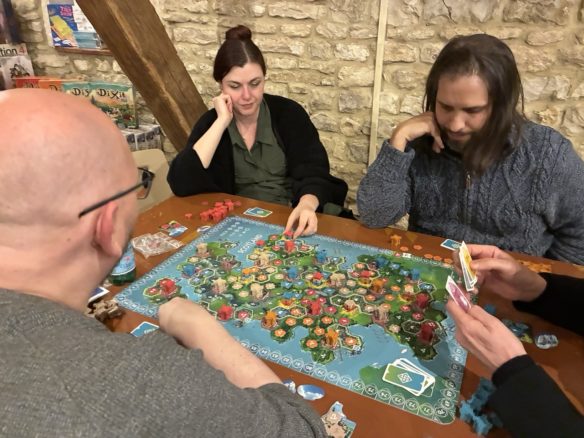
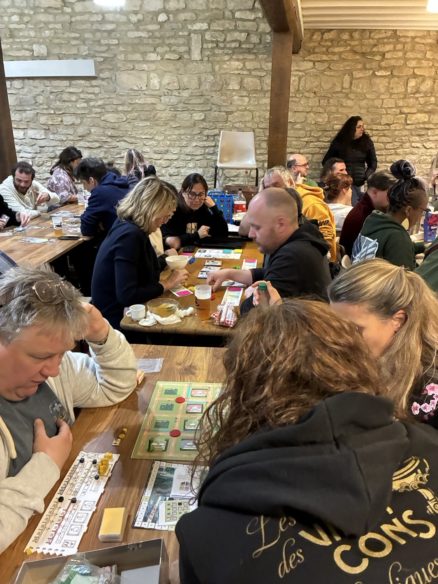
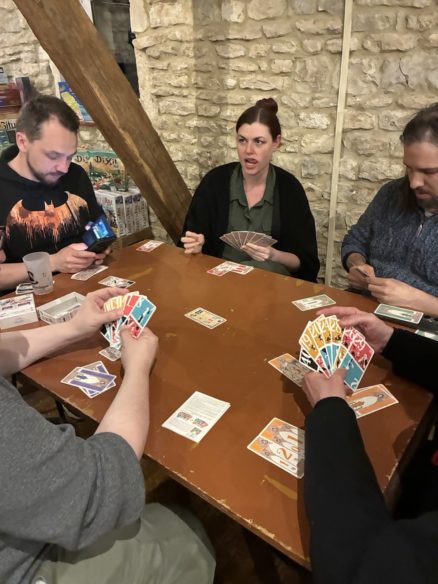
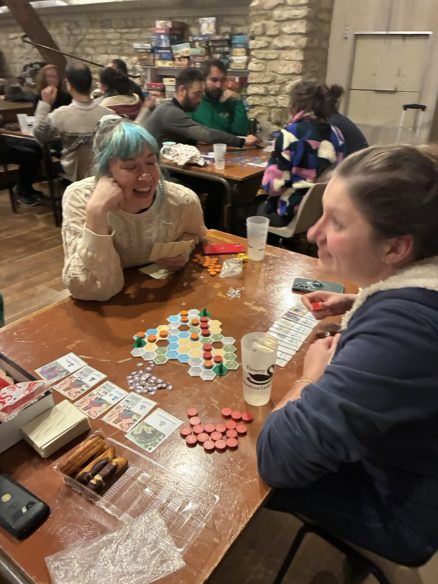
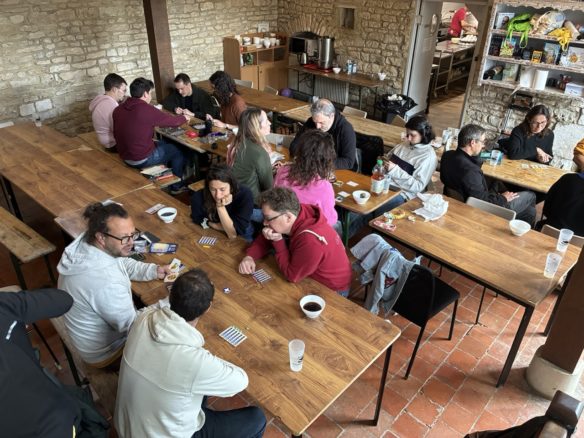
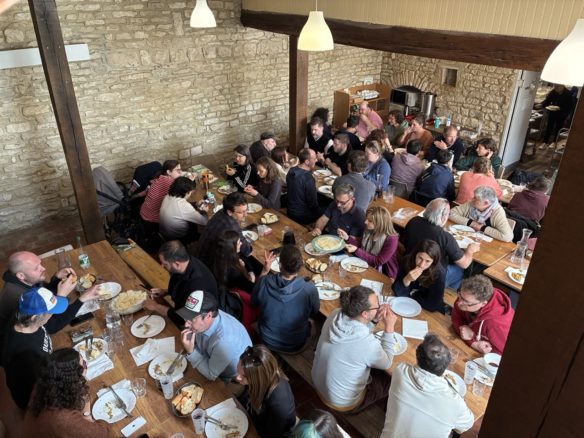
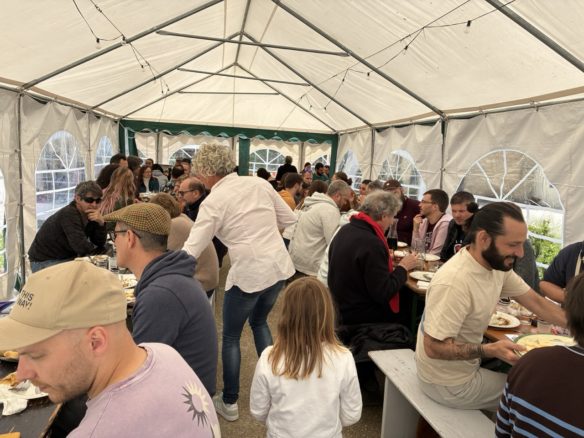
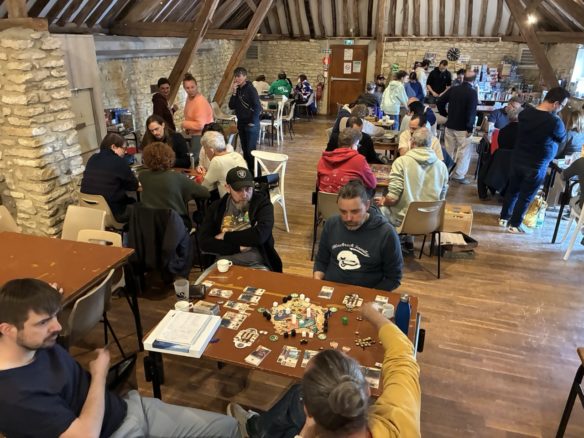
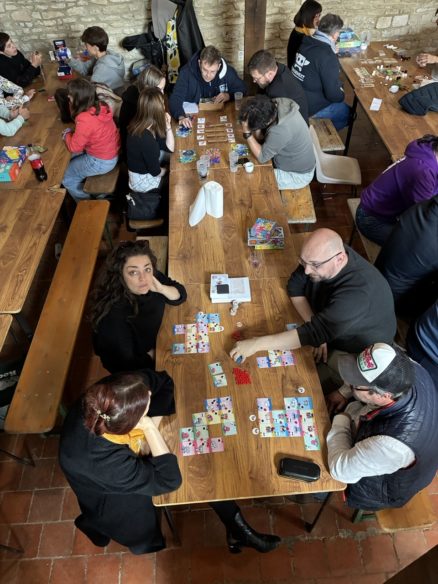
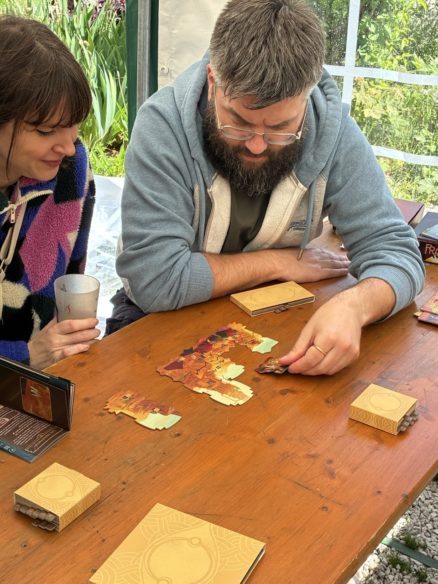
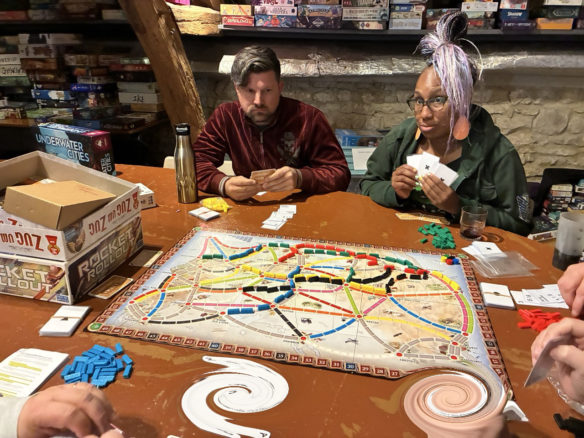
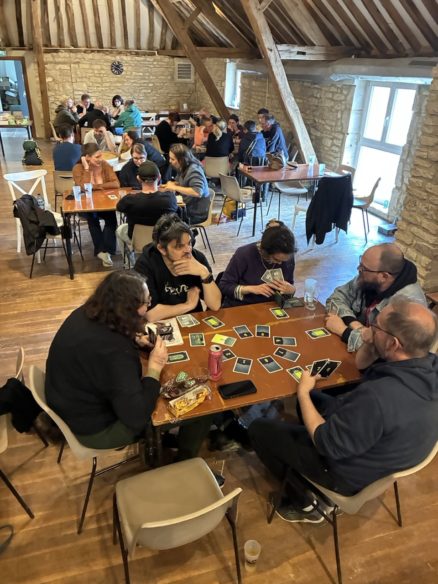
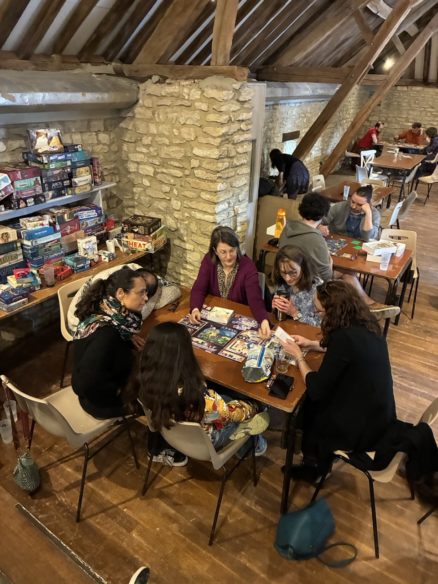
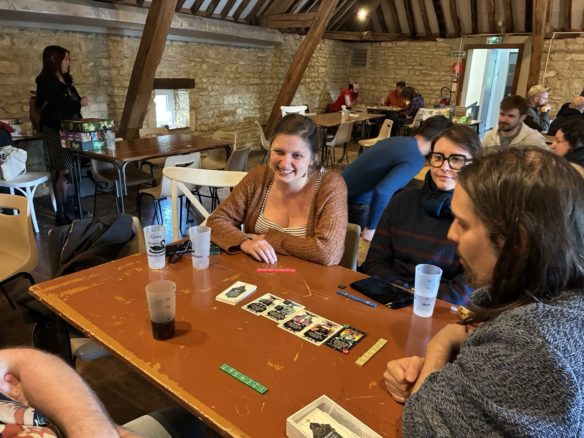
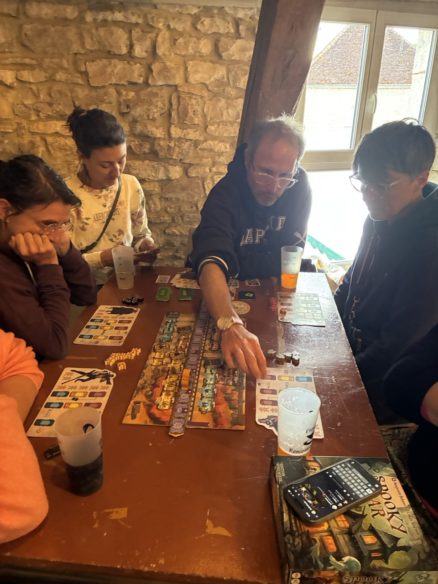
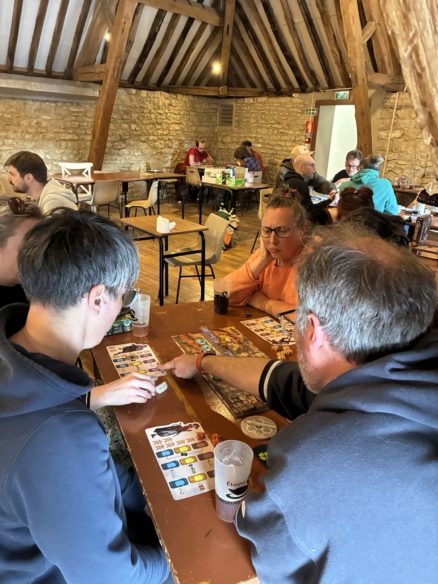
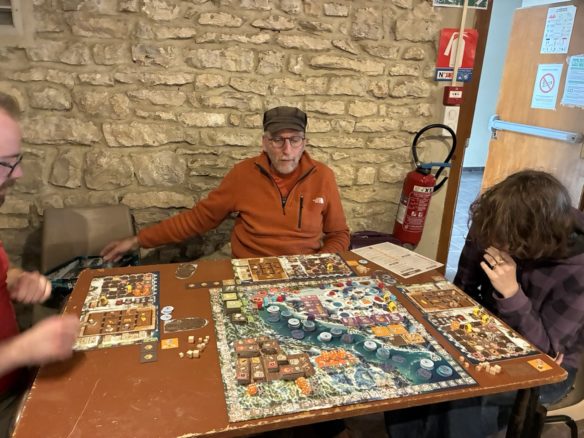
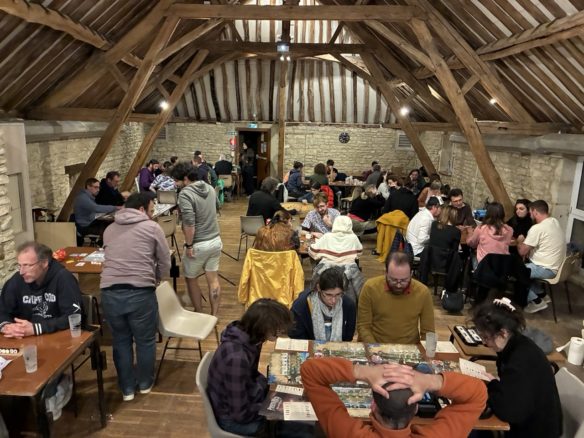
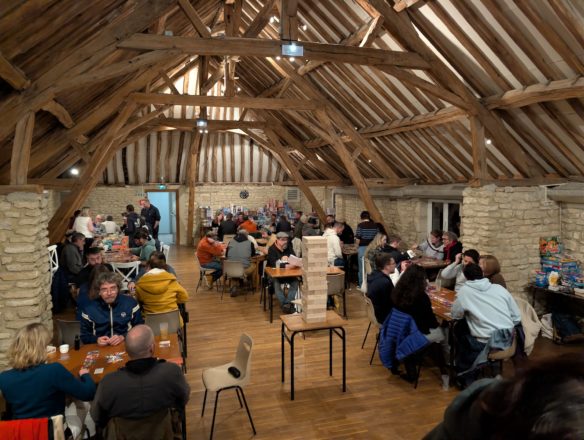
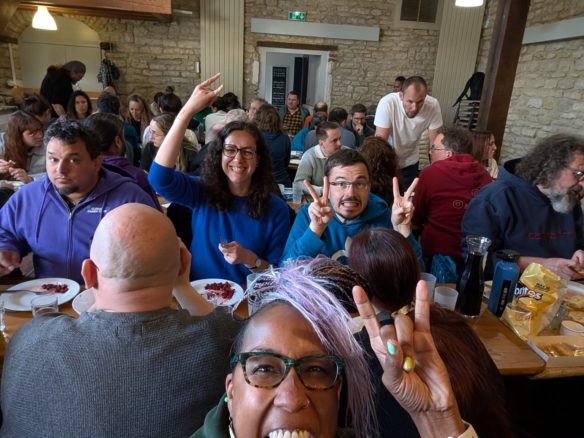
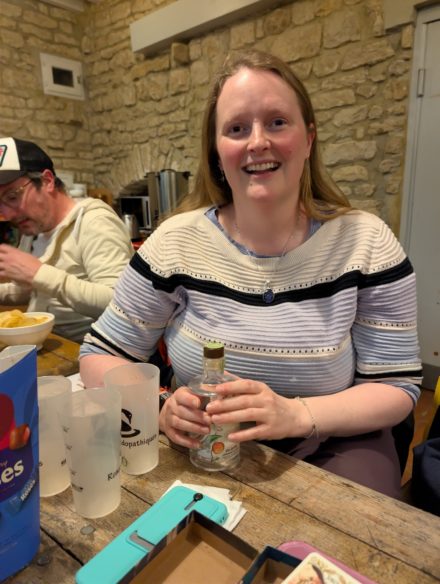
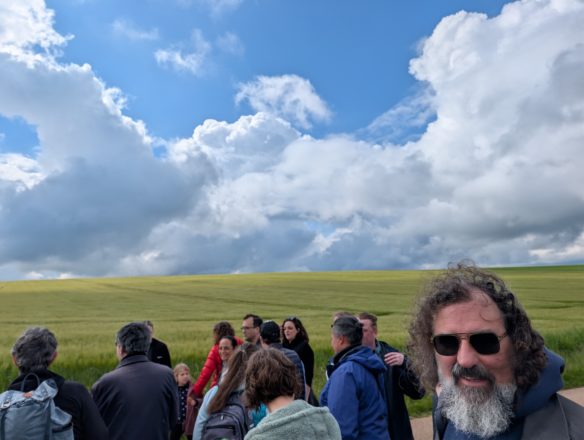
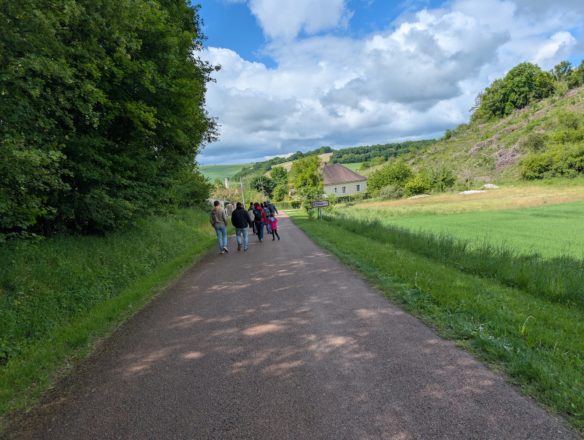
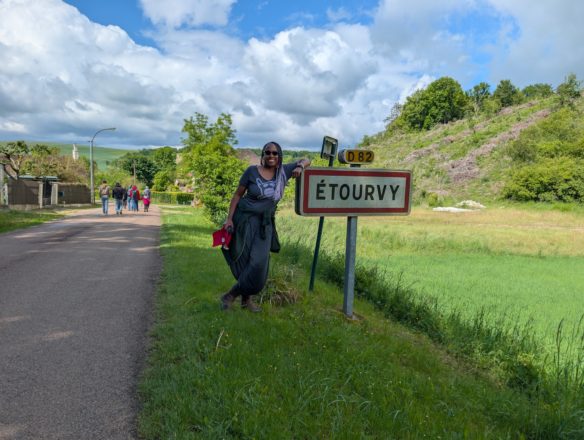
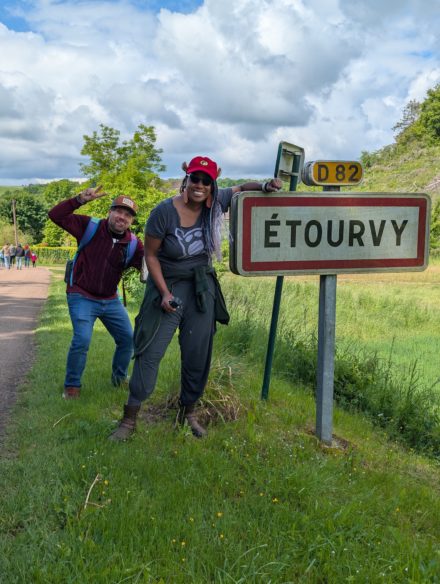
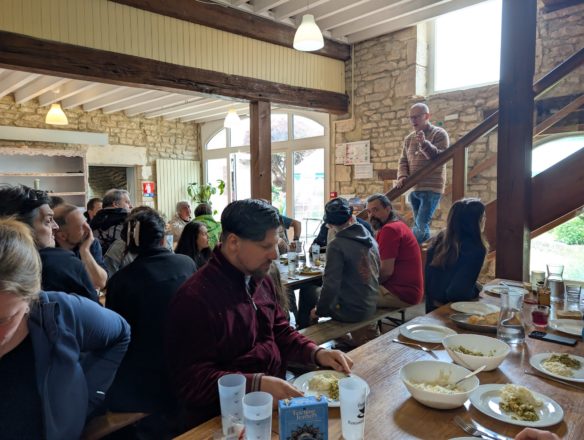
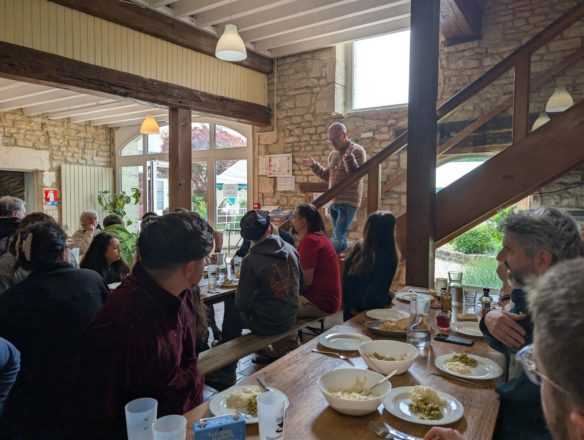
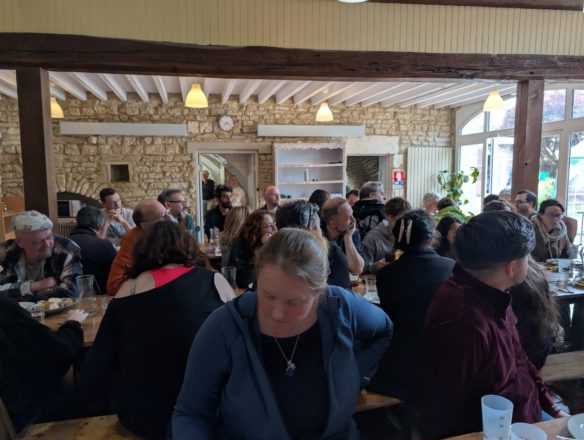
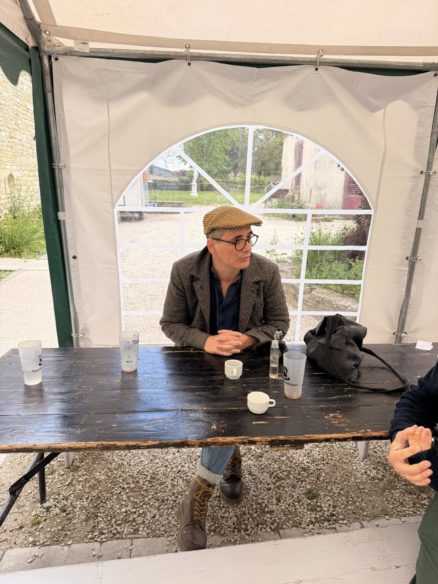
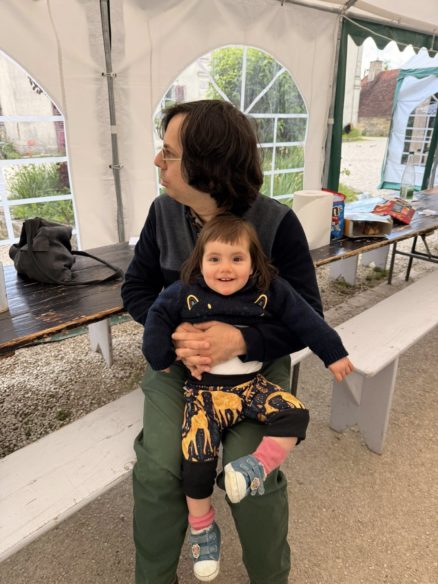
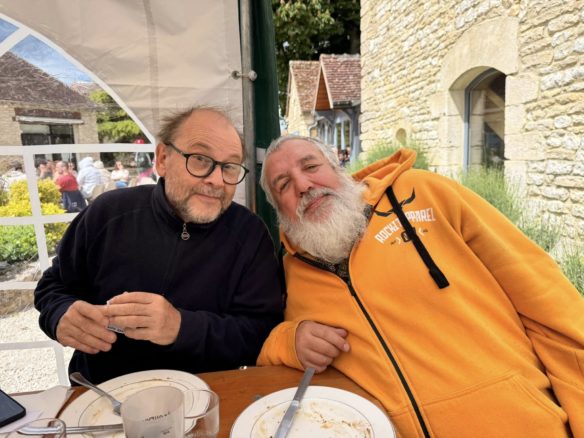
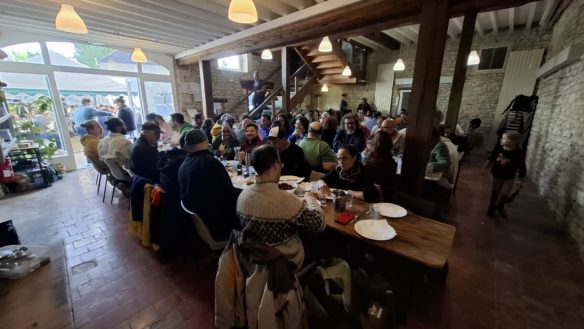
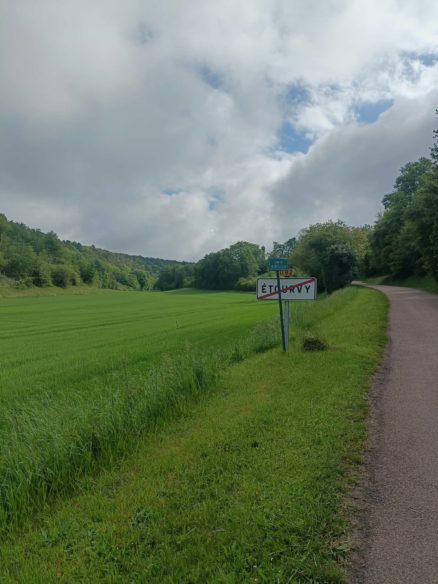
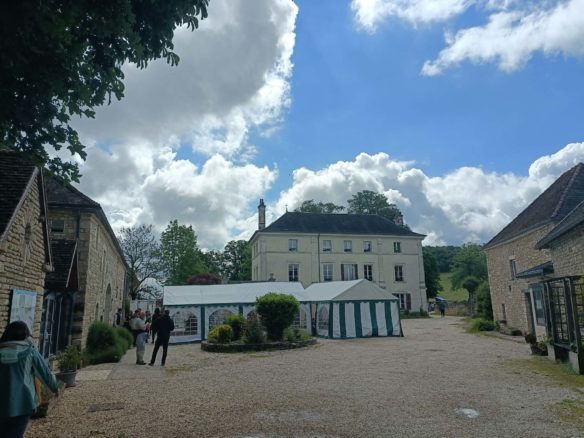
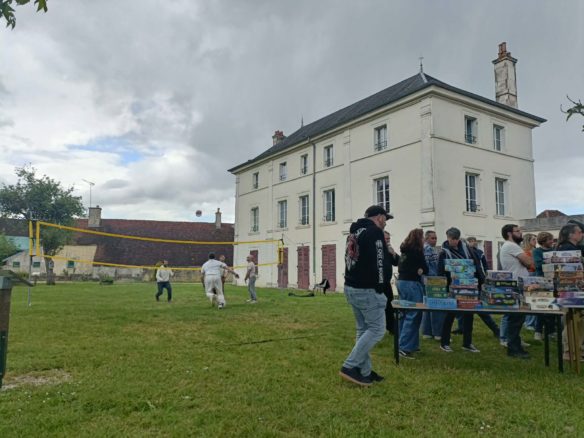
Et voilà, je suis rentré d’Etourvy, le petit village où j’organise, depuis une trentaine d’années, les rencontres ludopathiques. Ce qui avait débuté comme un petit week-end entre amis, avec la petite équipe de Ludodélire et mes potes de GNs, est devenu un événement international certes amical et de taille modeste, mais relativement important dans le petit monde du jeu de société. Nous étions près de 200 cette année parmi lesquels, je crois, deux personnes qui étaient là lors de la toute première édition, en 1994 – Hervé et Droopy.
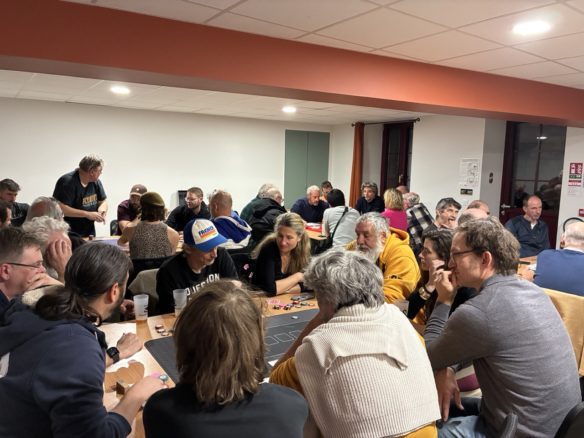
200 participants environ, une cinquantaine de plus que l’an dernier, essentiellement parce que la date était plus pratique, un week-end qui ne coïncidait ni avec UKGE, ni avec le Tokyo Game Market, pour lequel certains s’envolaient dès le lendemain. Le pont de l’Ascension permettait aussi aux français de venir en famille. J’ai eu grand plaisir à revoir des habitués qui n’étaient pas venus depuis plusieurs années, Agathe, Anja, Sergio. Je ne suis pas fan du formalisme des quotas mais j’essaie toujours d’avoir un public varié, et je pense y être assez bien parvenu cette année, avec pas mal de femmes, pas mal d’enfants, et des joueurs venus d’un peu partout, d’Allemagne, d’Italie, du Brésil, des Etats-Unis, du Canada et même de Hong Kong. Bon, il y a une quinzaine d’années, on a eu une joueuse qui venait d’Antarctique, je ne ferai jamais mieux – et je serais curieux de savoir ce qu’elle est devenue, si par hasard elle lit ce billet. 200 participants, c’est aussi le maximum que peuvent supporter les locaux et les équipements du domaine Saint-Georges. Les rencontres ludopathiques ne grossiront plus et si, l’an prochain, je veux faire venir quelques nouveaux participants, il faudra que quelques-uns de ceux qui étaient là cette année renoncent à revenir.
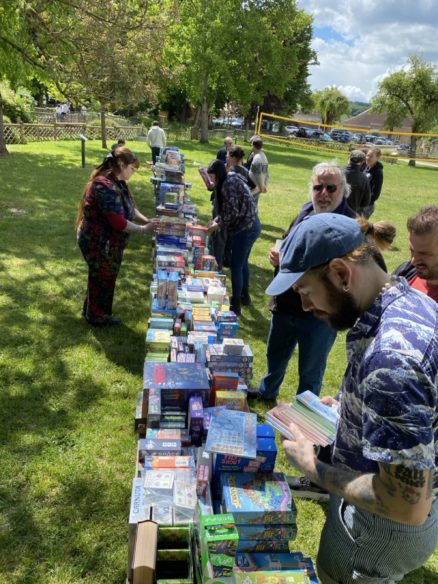
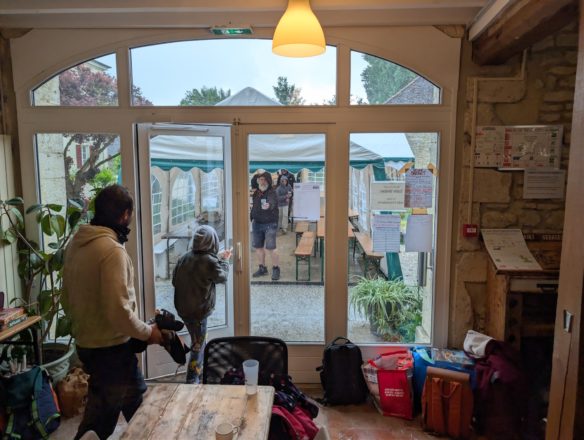
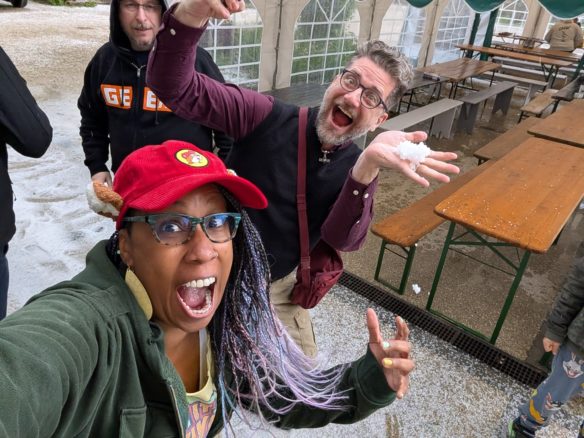
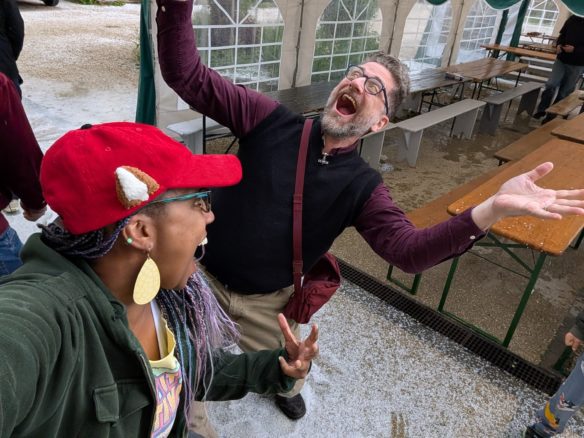
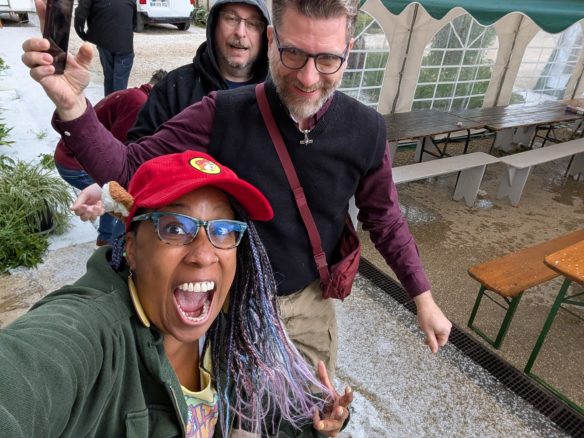
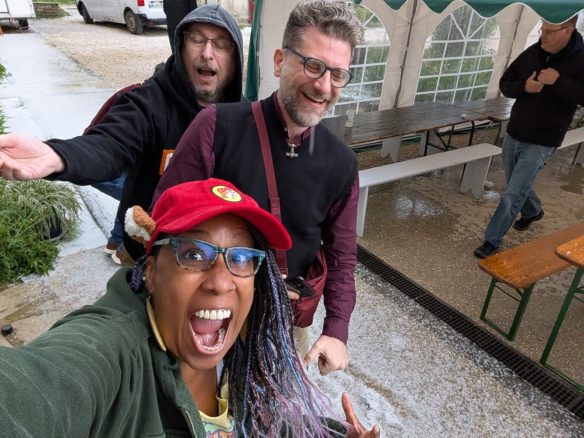
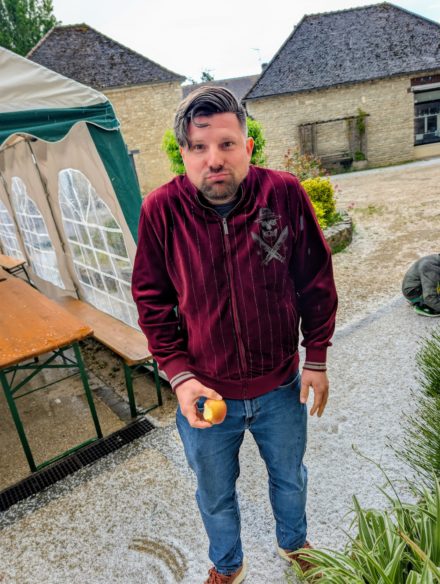
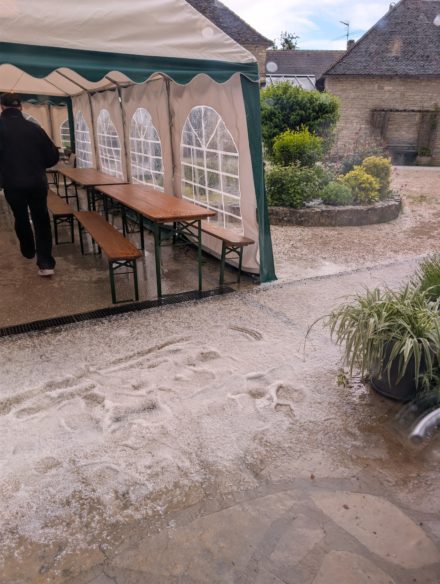
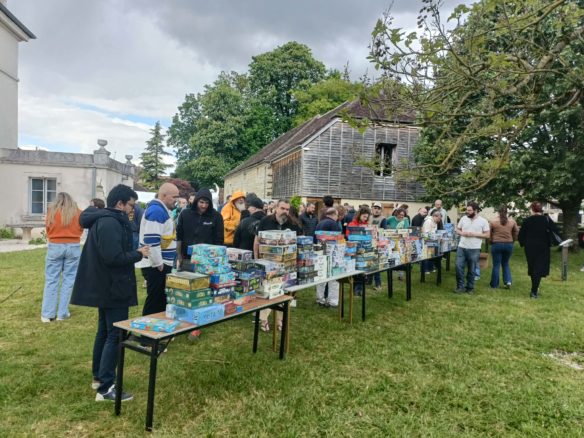
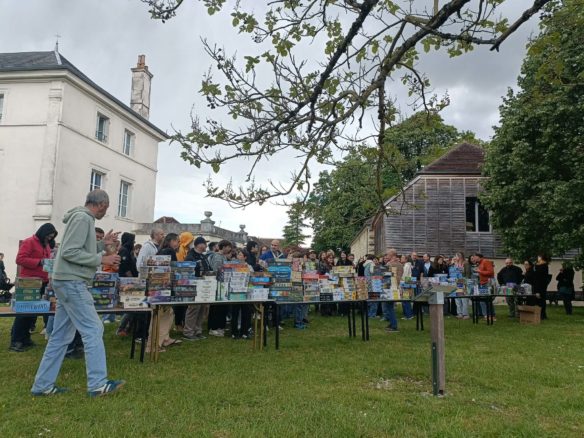
Durant les quinze jours qui ont précédé ce long week-end de jeu, la météo a pas mal joué avec mes nerfs, les prévisions changeant du tout au tout plusieurs fois par jour. Finalement, ce n’était pas terrible, avec des giboulées et même un impressionnant orage de grêle le jeudi, mais cela aurait pu être pire, et l’on a eu quand même quelques chouettes moments ensoleillés. Une averse totalement inattendue le samedi, alors même, que j’avais installé la table des prix offerts par les éditeurs dans le pré attenant à la grange où nous jouons, fait que la distribution des prix s’est déroulée dans un certain chaos.
Après plus de trente ans, la machine des ludopathiques est bien rodée. Une petite équipe m’aide à gérer tout cela, Camille, Ghislain, Didier, Hervé et, cette année, Éric qui s’est joint à nous en arrivant dès le lundi. C’est largement grâce à eux que j’ai pu trouver un peu plus de temps pour présenter mes prototypes aux éditeurs présents, même si j’ai complètement oublié ce que j’ai laissé ou promis à qui, merci de m’envoyer un mail pour me le rappeler…
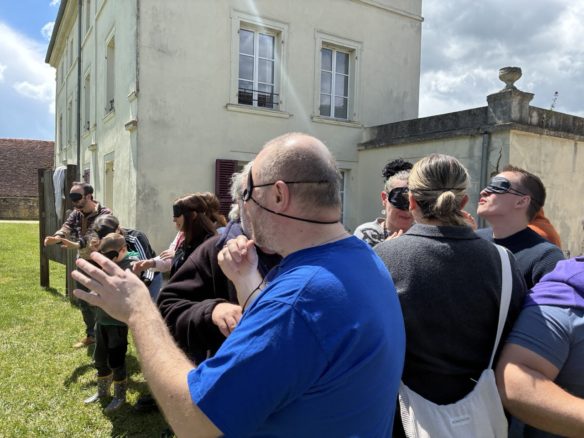
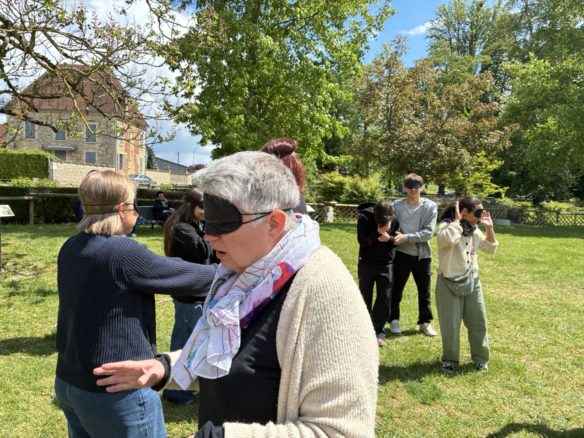
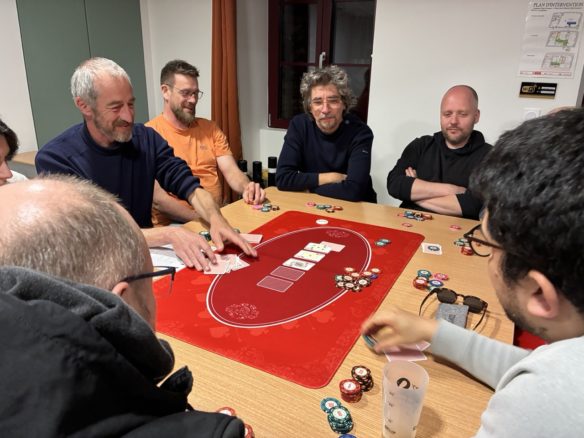
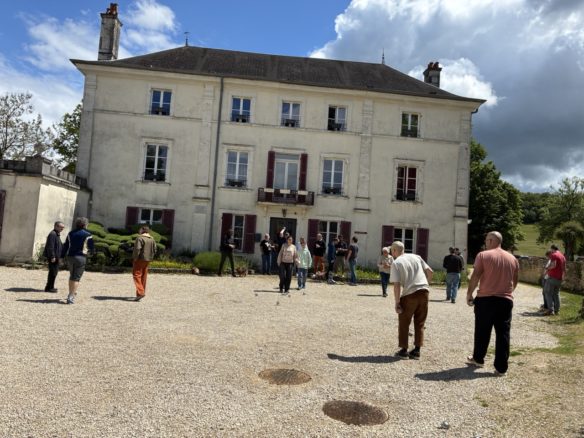
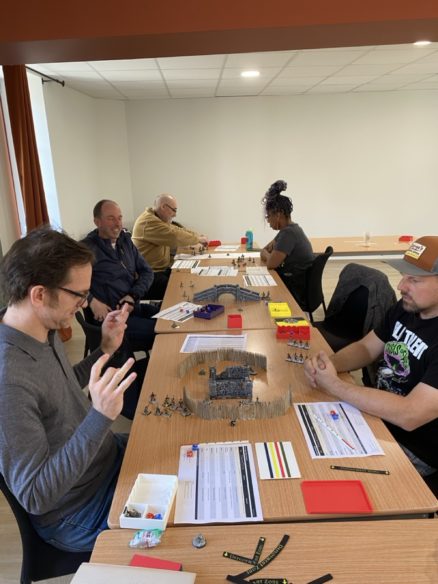
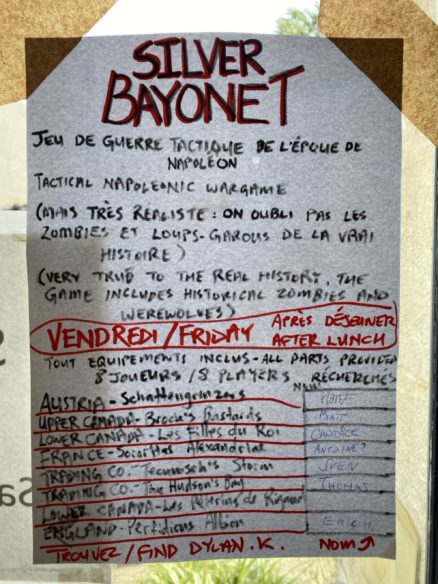
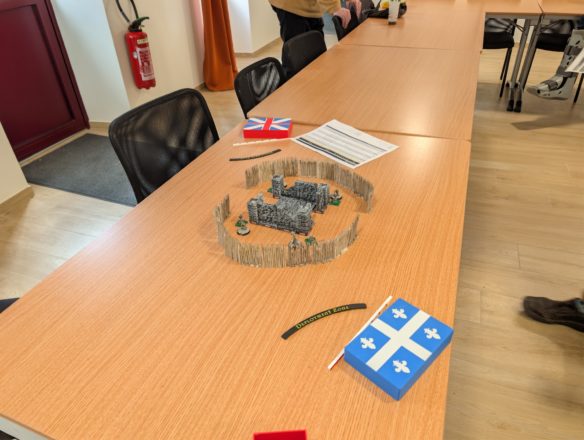
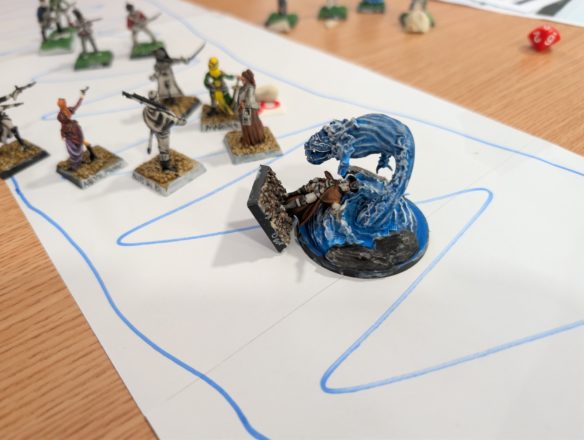
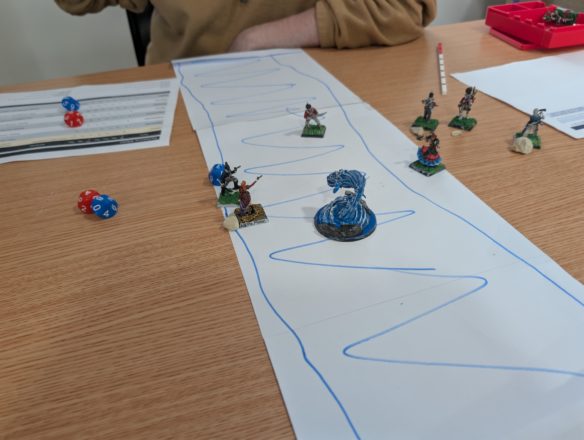
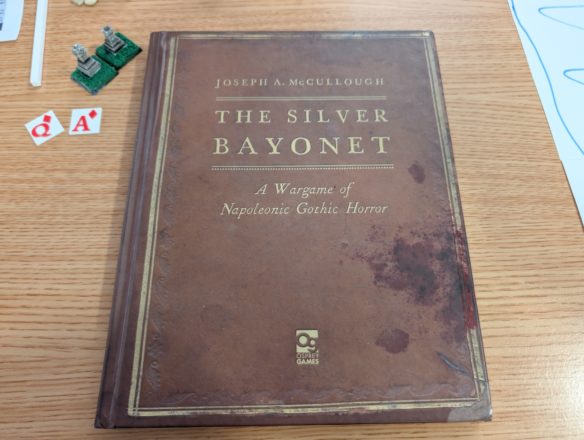
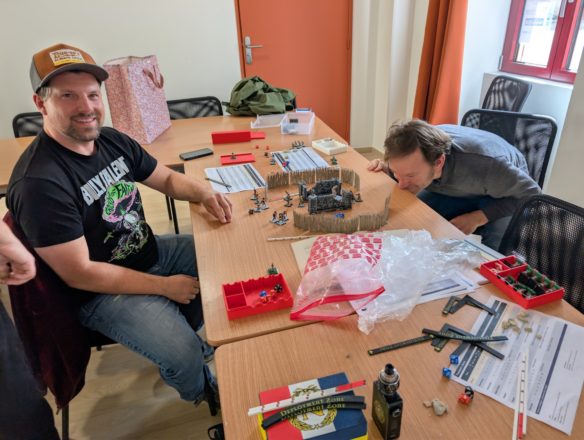
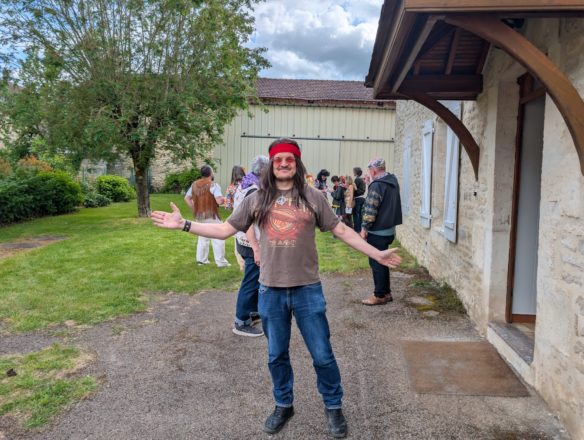
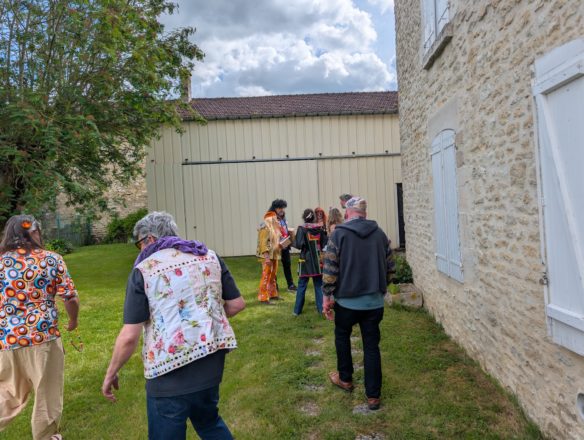
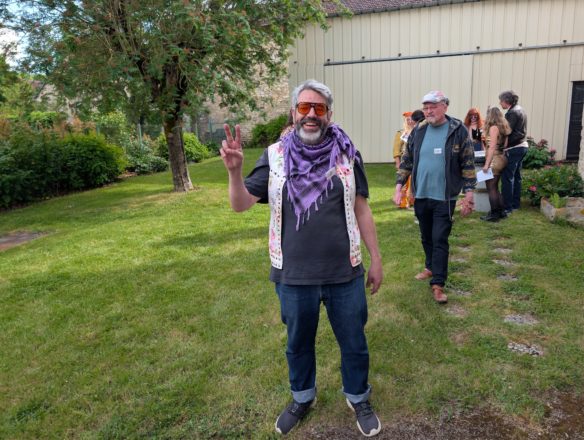
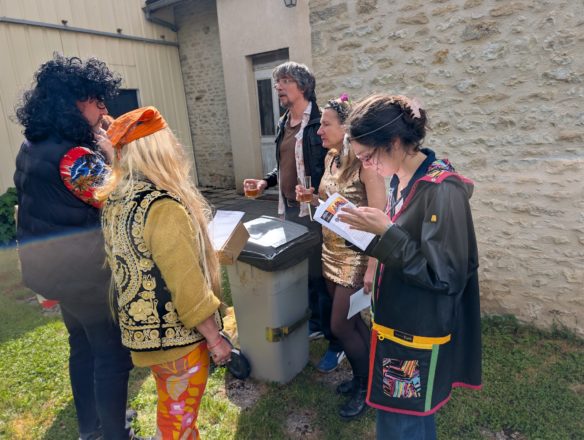
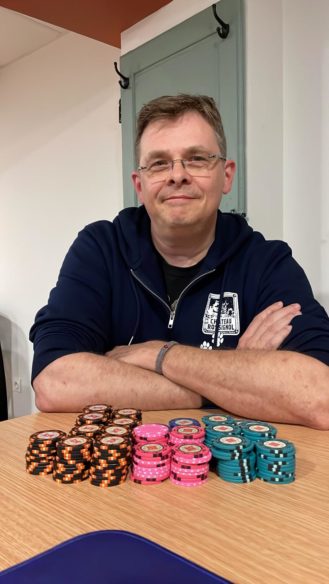
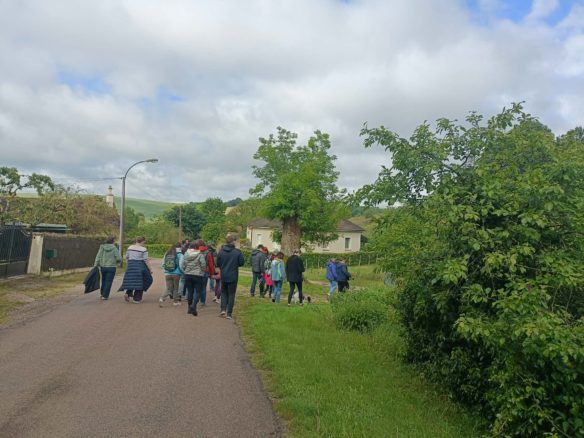
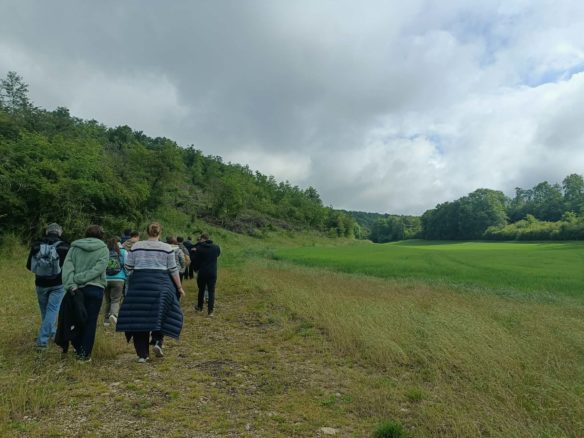
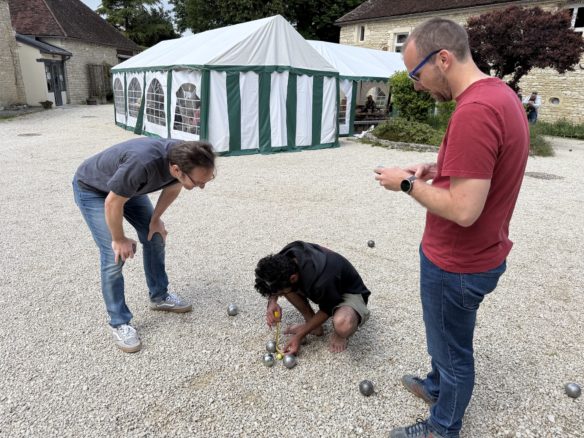
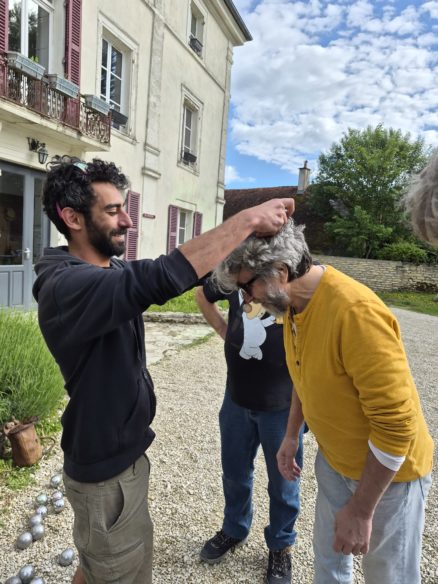
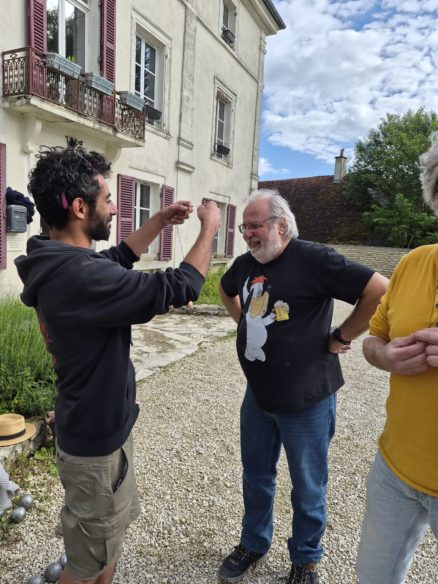
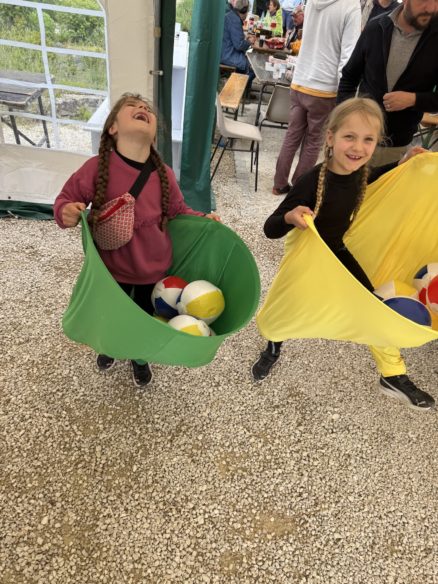
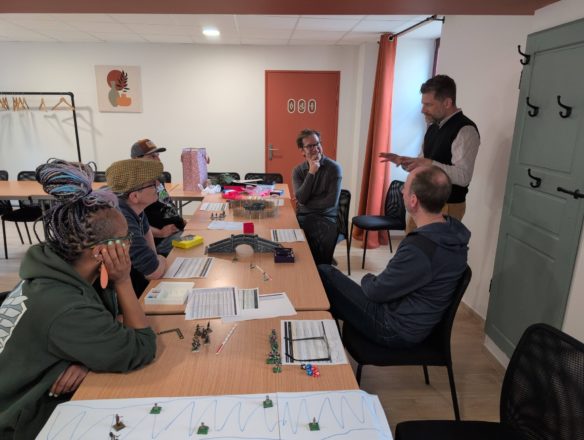
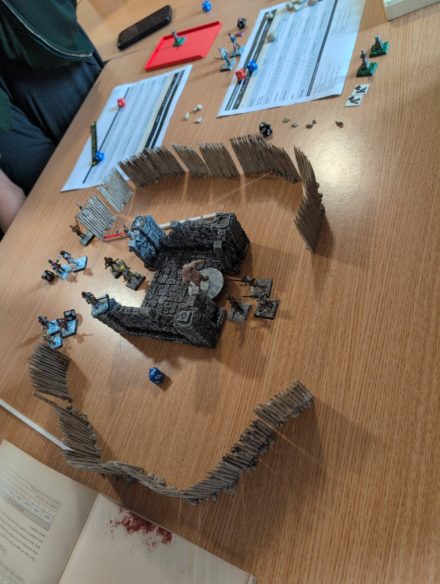
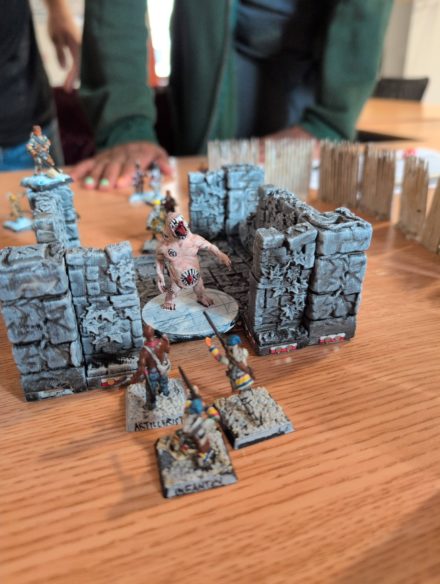
La météo capricieuse a limité les activités extérieures, mais nous avons quand même pu faire un brouhaha, dont j’ai curieusement peu de photos, et quelques courageux sont allé marcher, voire courir, vendredi et samedi matin. J’avais prévu un Turtle Wushu géant, mais j’ai bêtement oublié et ne l’ai réalisé qu’en partant, en retrouvant les grenouilles qui me servent de tortues… ce sera pour l’année prochaine. La nouvelle salle de la meunerie, un peu à l’écart, a permis de faire quelques activités ludiques dans un certain calme, des parties de jeux de rôles, le traditionnel tournoi de poker, et un jeu de guerre napoléonien fantastique organisé par le Dylan canadien. C’est dans un coin encore plus cosy et discret que s’est déroulée la murder-party Woodstock, dont j’espère que quelqu’un a pris des photos parce que je n’en ai aucune ! Le vainqueur du Super Cats géant organisé par Théo a été Cathy, avec 12, le chiffre le plus petit à n’avoir été chois qu’une fois par les participants. Marc avait organisé un étonnant concours de lecture sur des nouvelles ludiques écrites par Viencent Everaert. Le tournoi de poker menteur a été remporté par Maud, celui de poker tout à fait classique par Cyrille (y aurait-il un pattern ?), celui de pétanque par Droopy et Hervé.
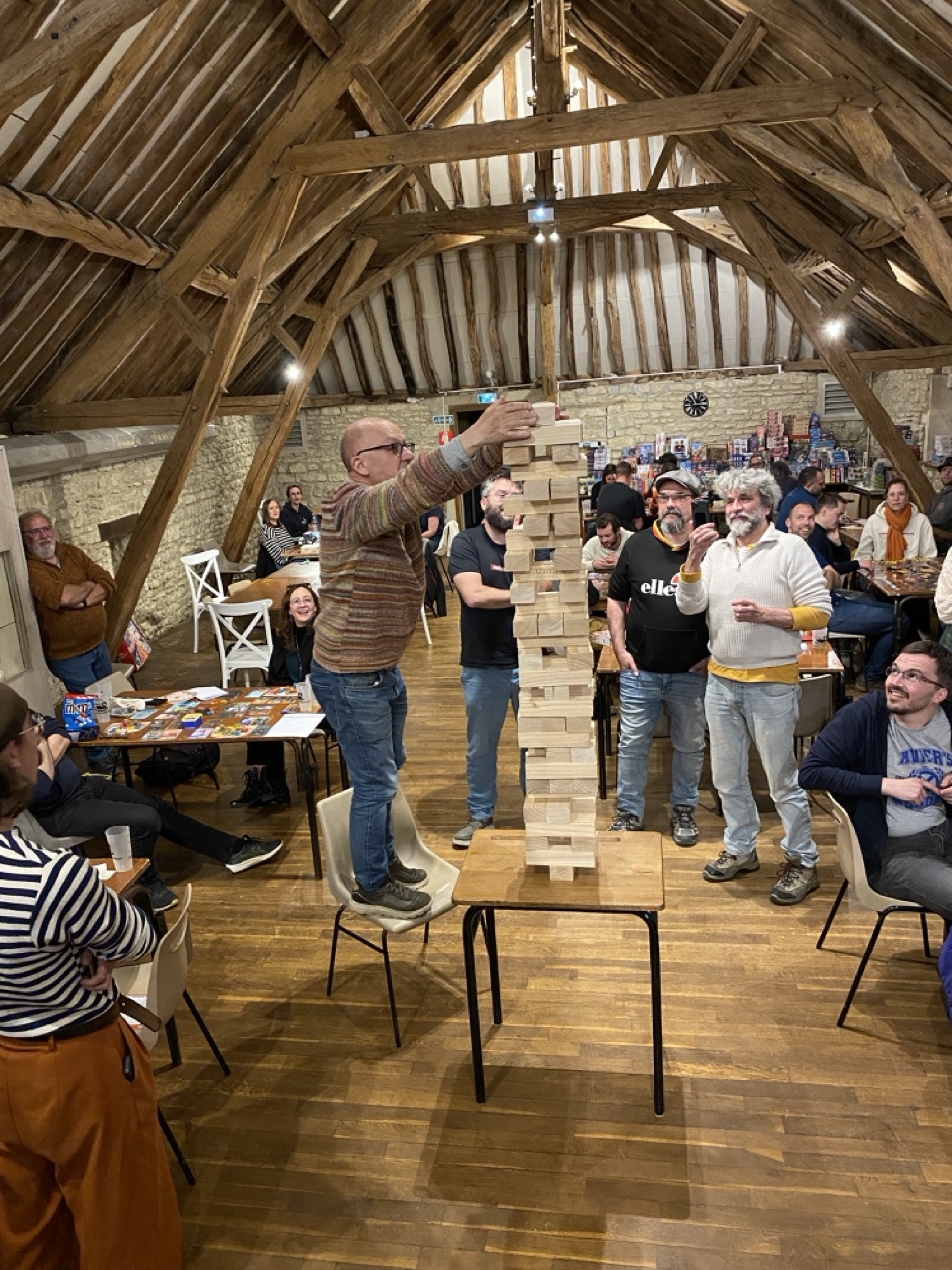
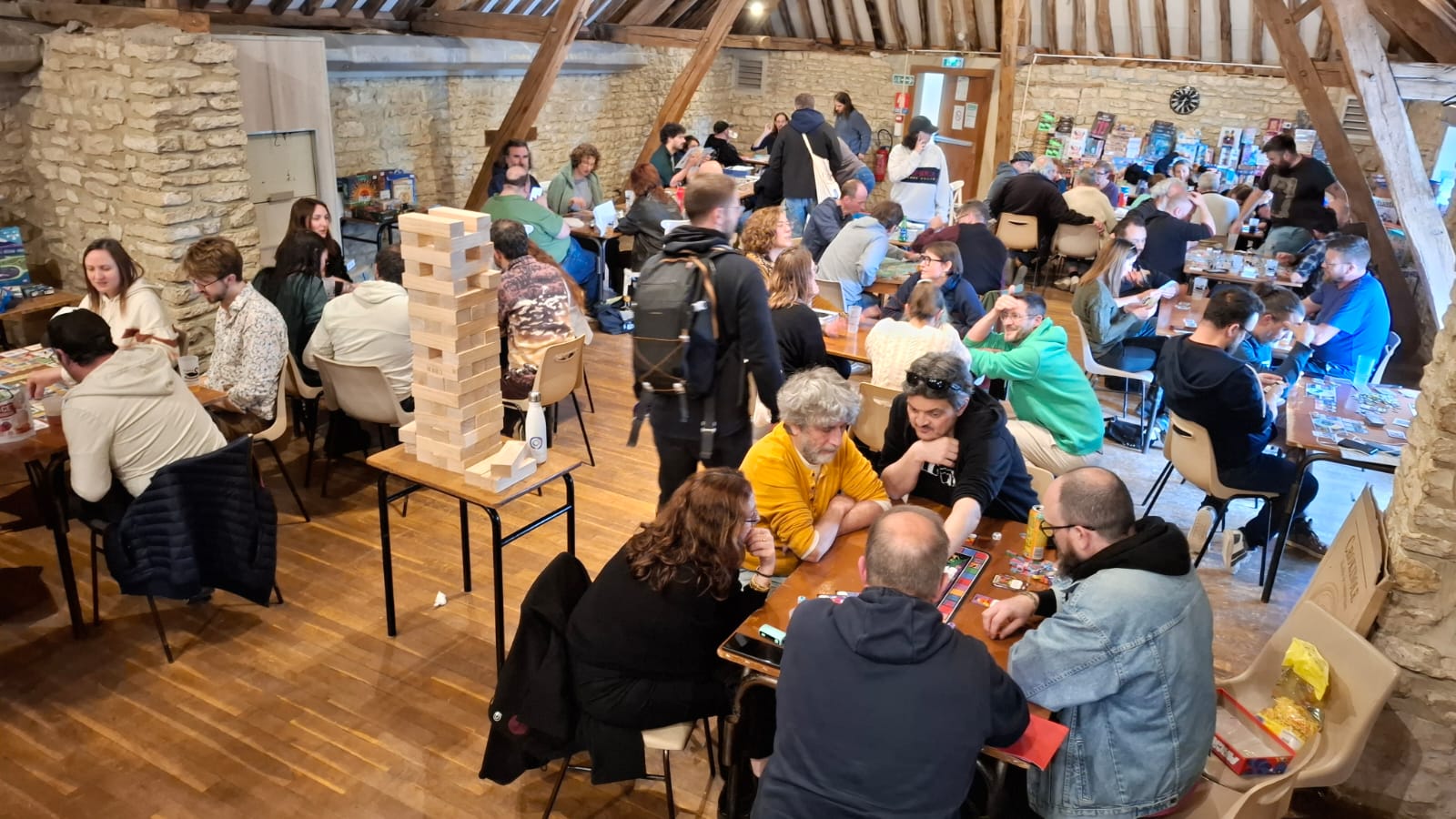
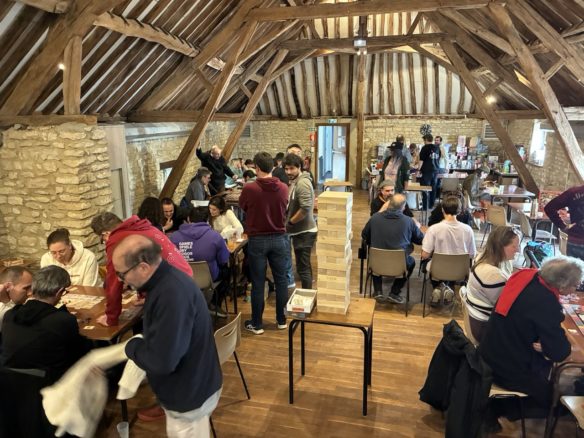
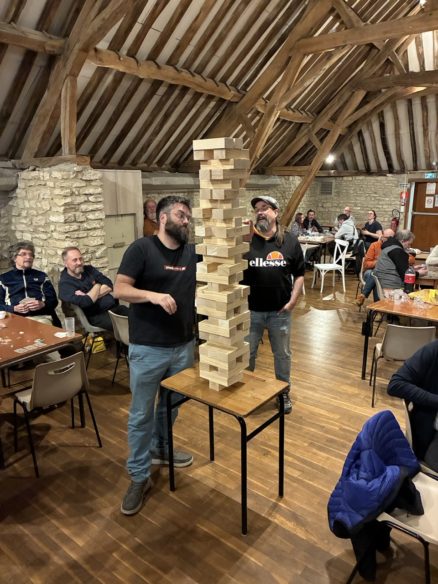
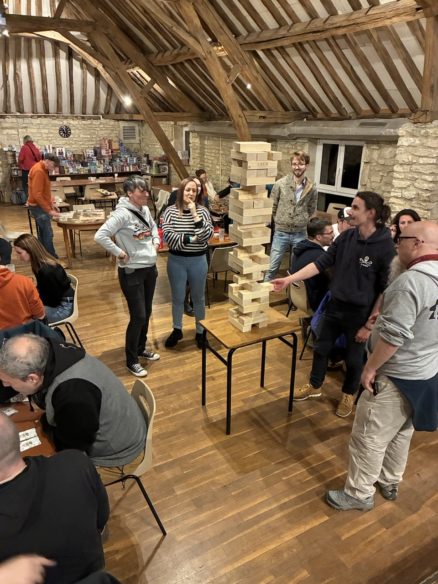
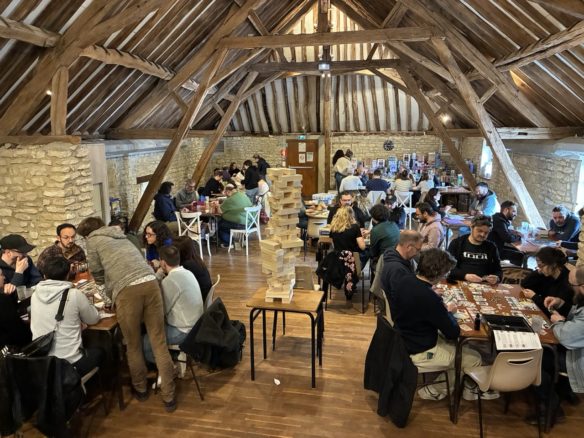
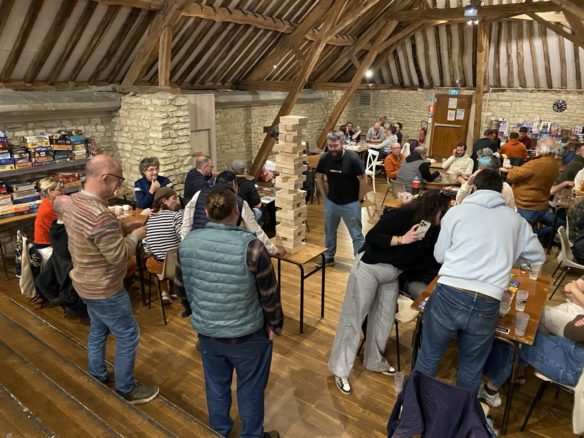
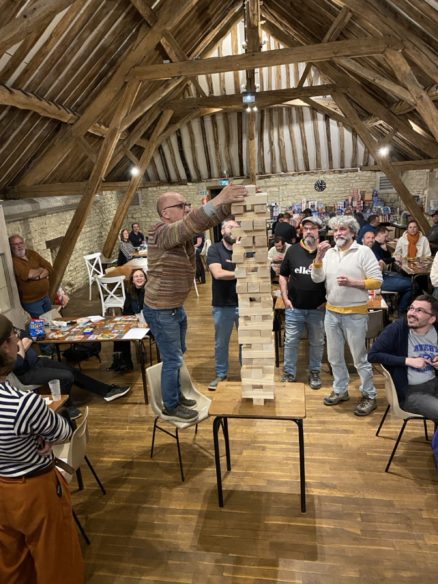
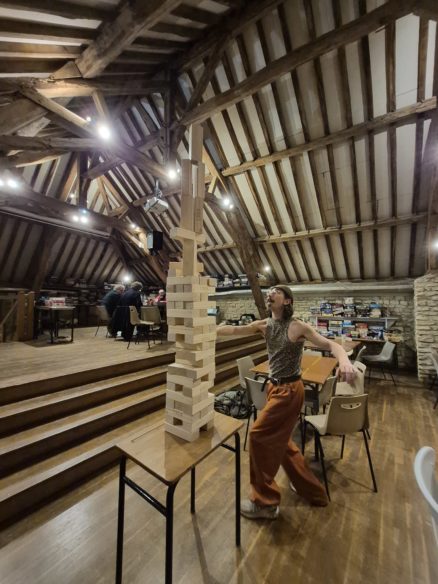
La collection de gros jeux en bois que je laisse sur place d’une année sur l’autre s’est enrichie cette année d’un jenga géant, et passablement bruyant quand il s’effondre, qui a eu un certain succès. Il sera encore là l’an prochain mais s’il fait beau on le mettra dehors pour éviter de faire trop trembler les tables de jeu.
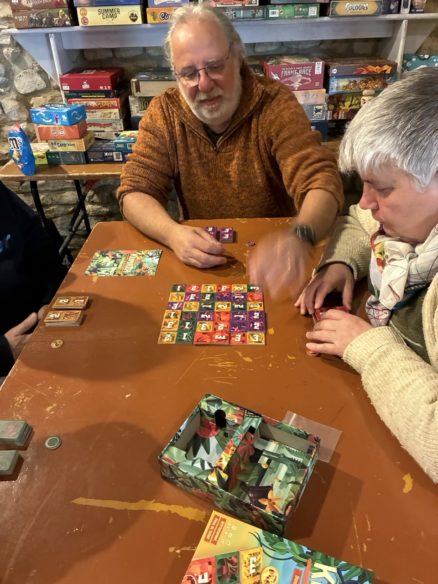
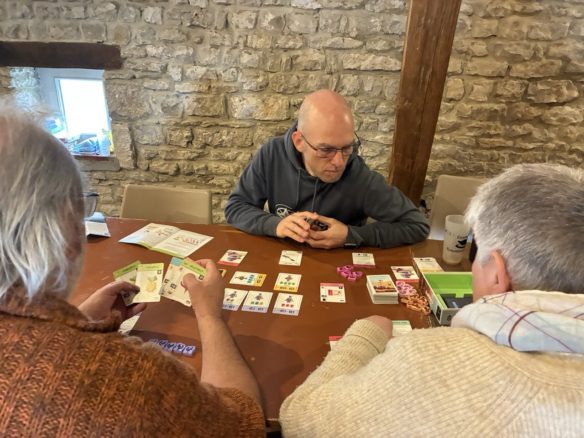
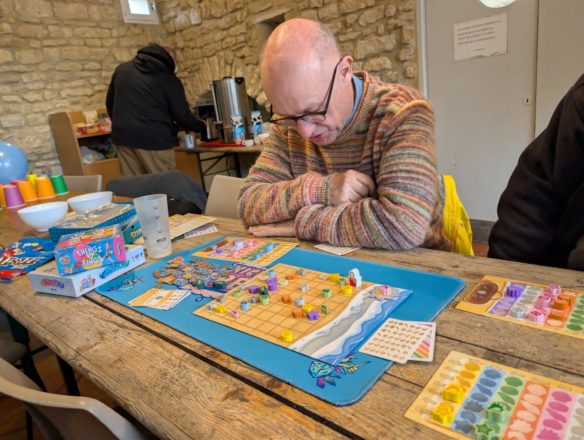
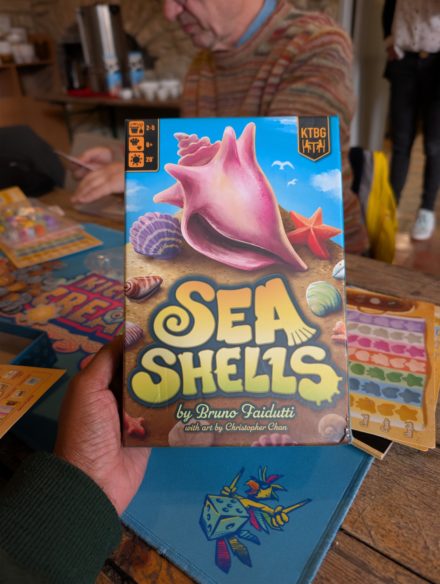
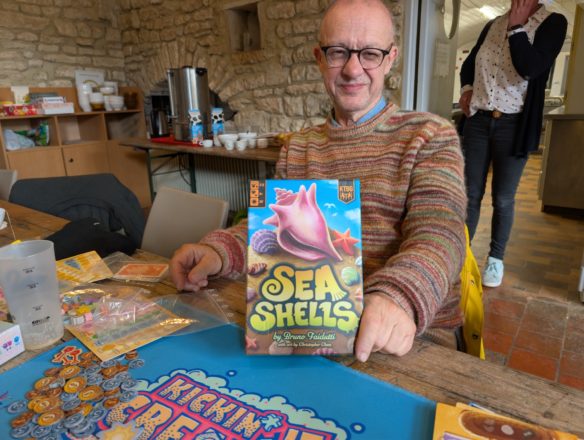
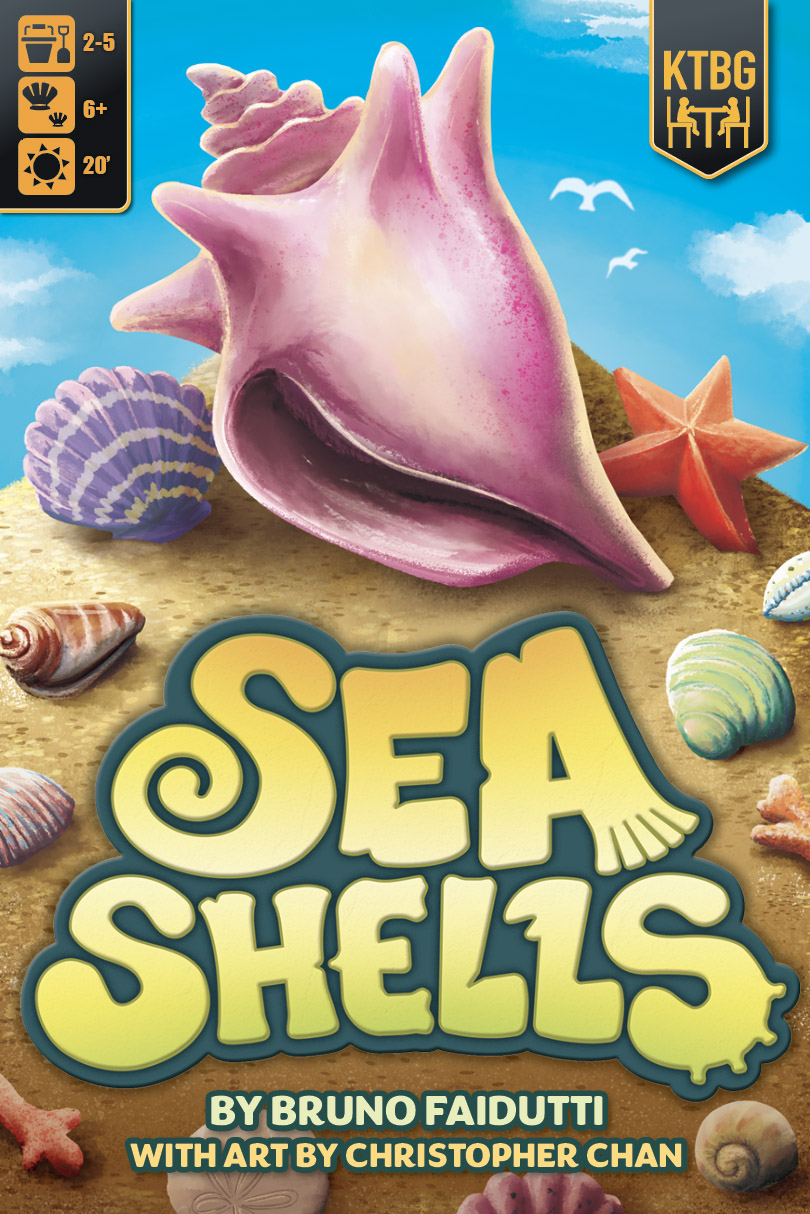
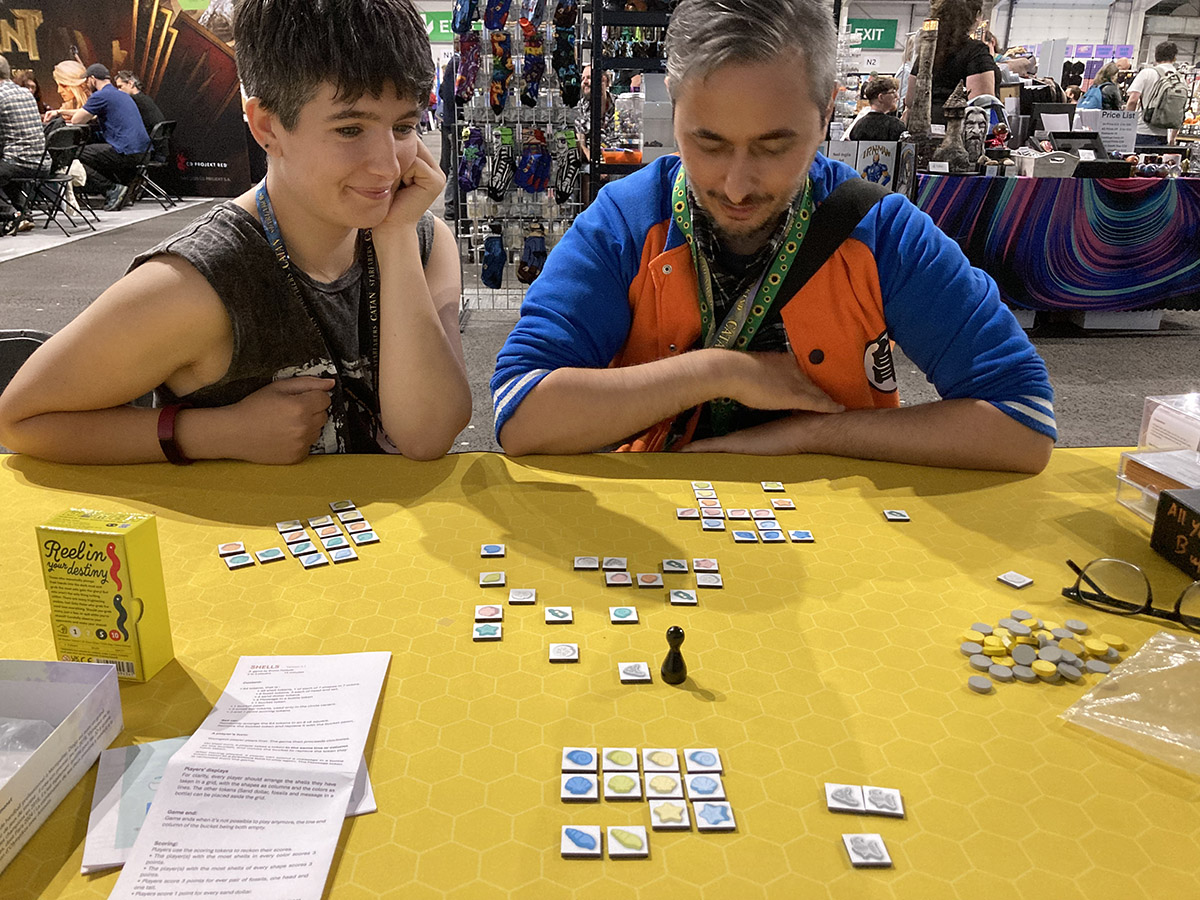
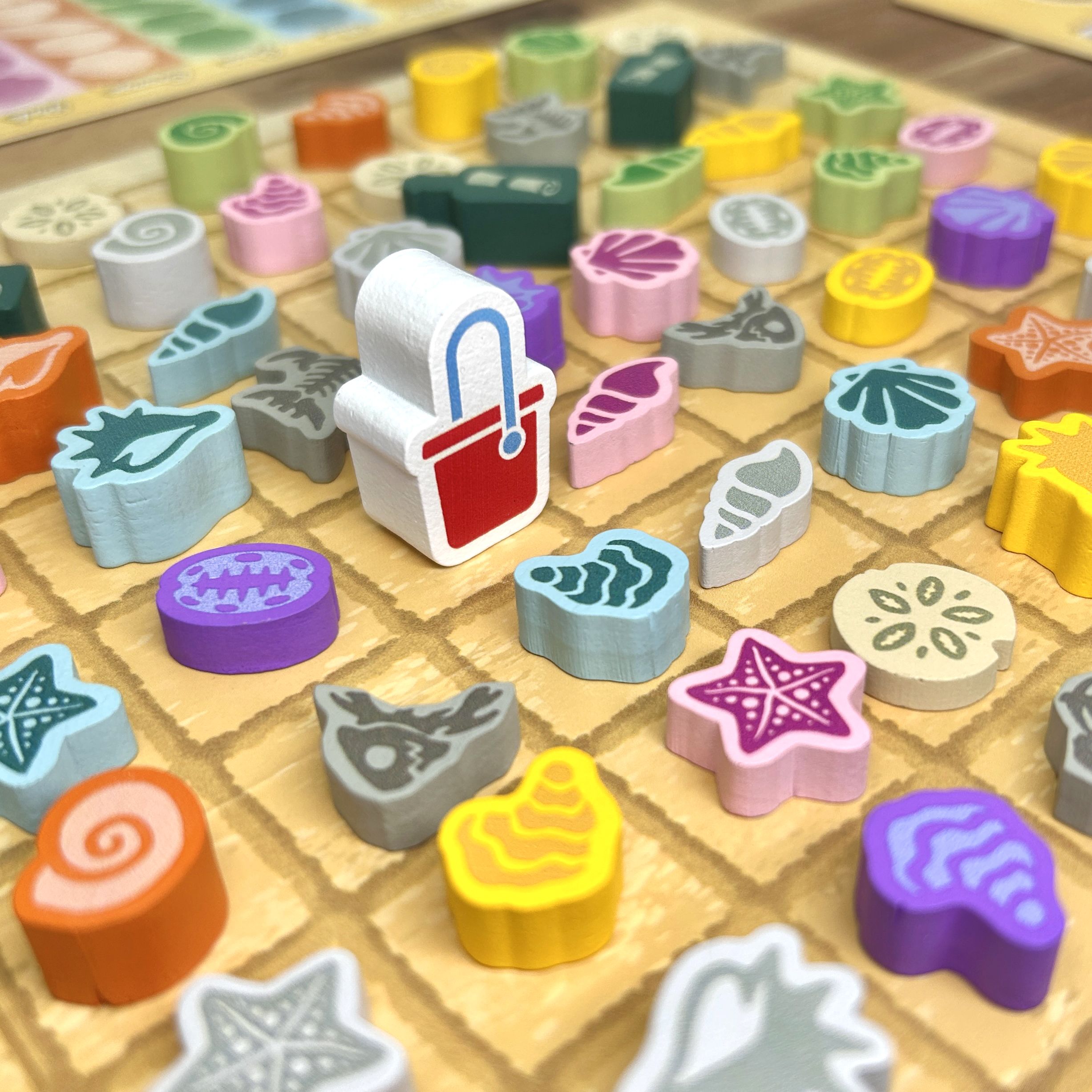
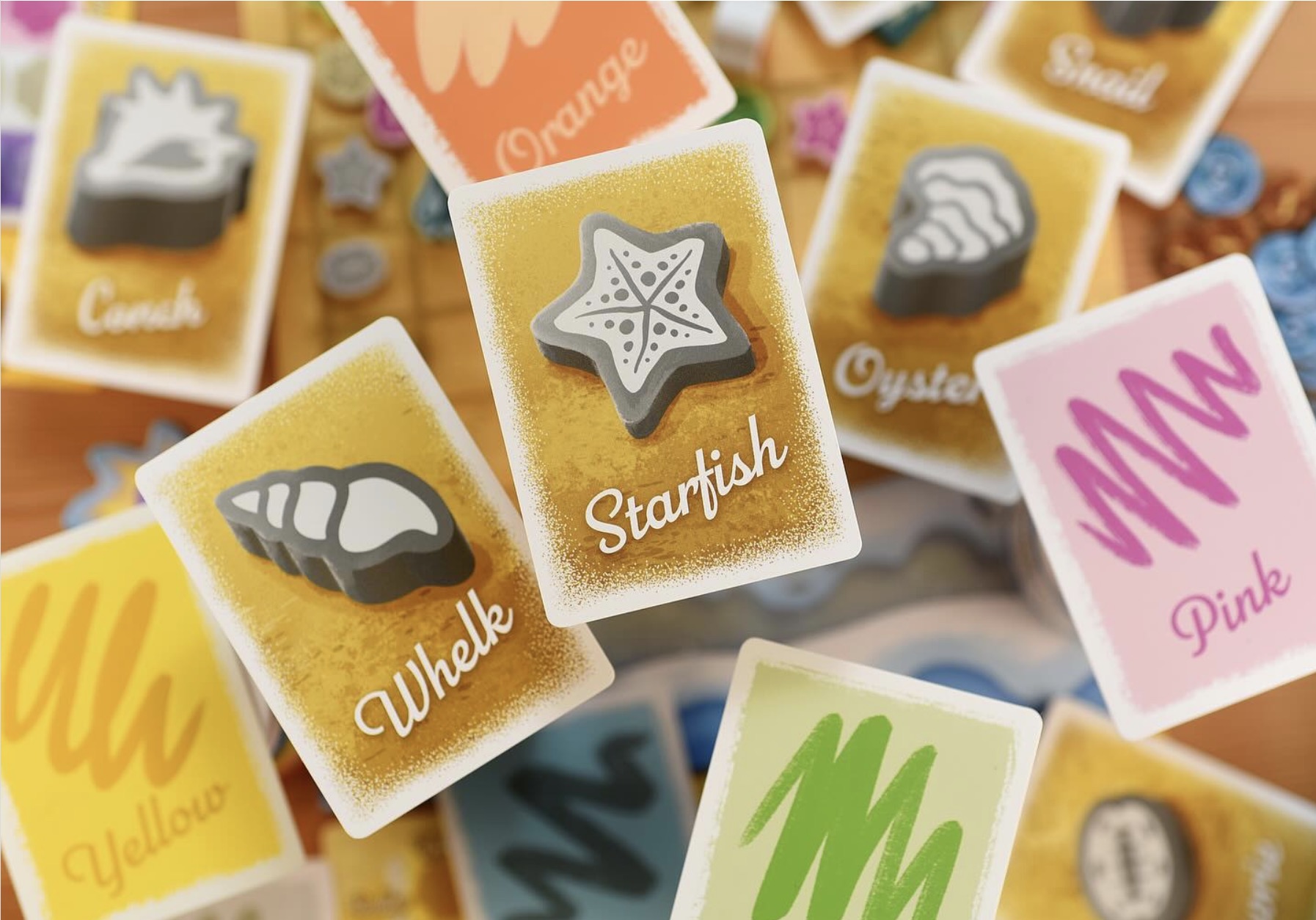
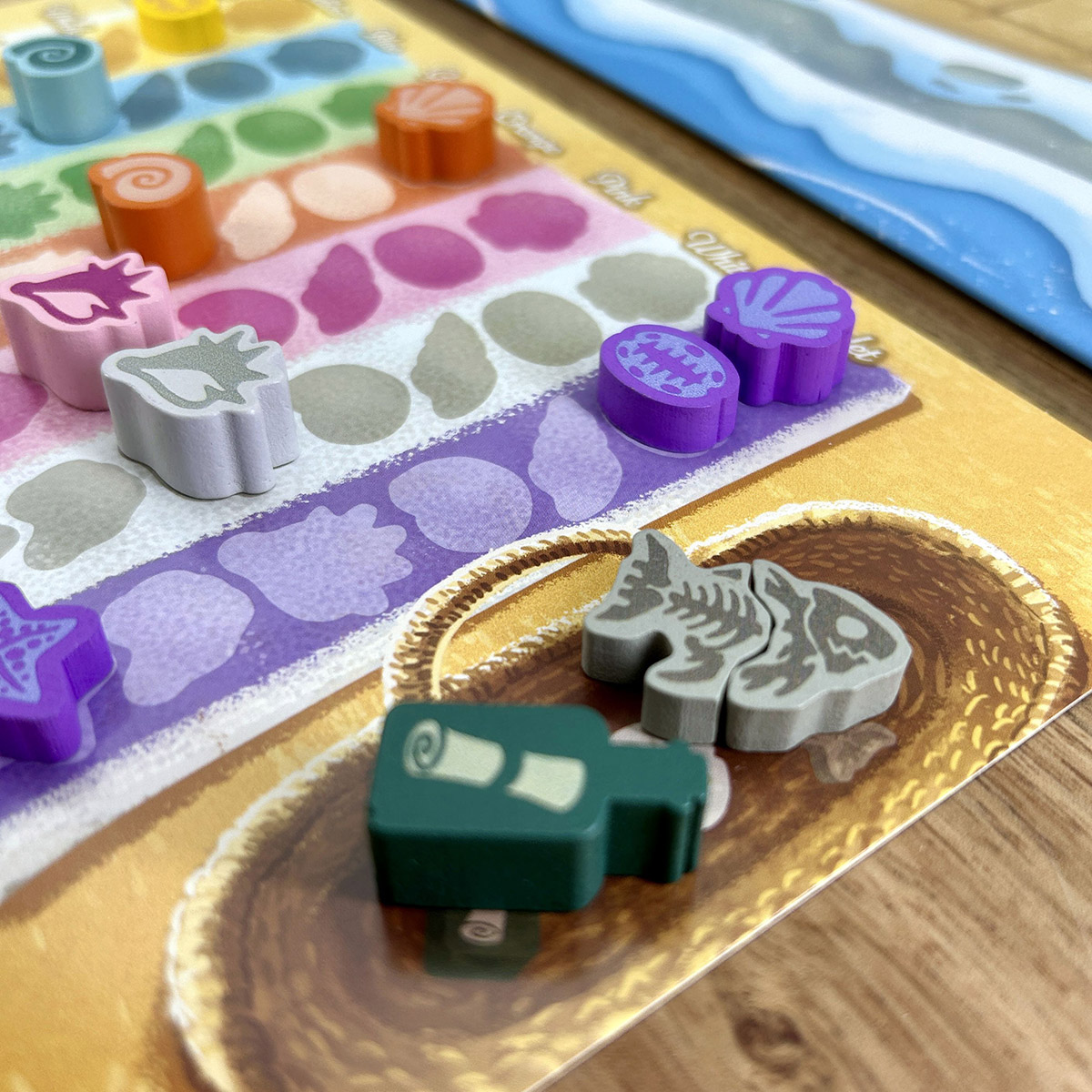
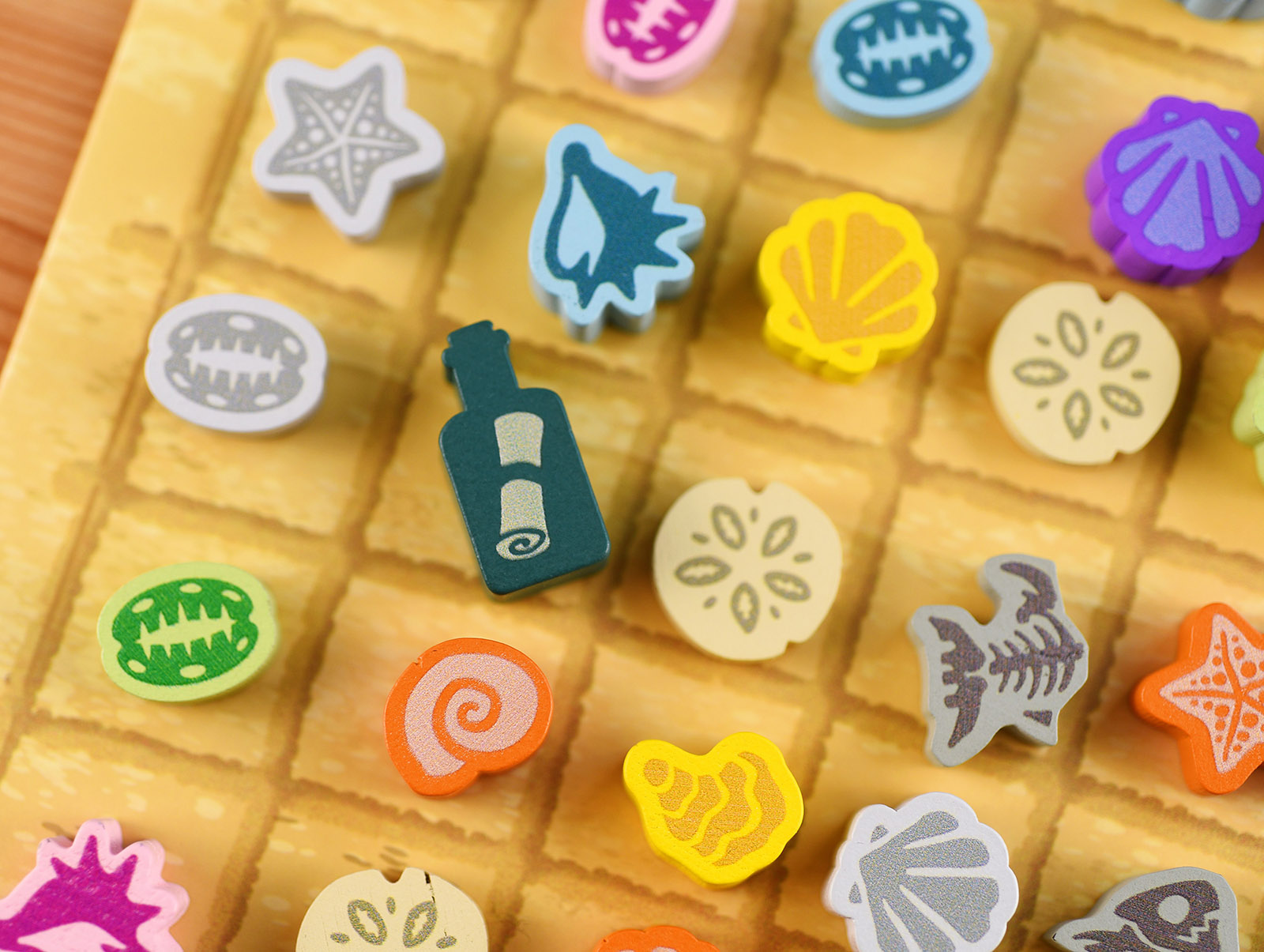
L’un des jeux les plus joués aura certainement été mon Fruit Cocktail, mais j’avais triché puisque j’en avais offert une boîte à chacun des participants. J’ai aussi présenté Seashells, dont l’éditeur, KTBG, avait envoyé mes exemplaires d’auteur directement à Etourvy, et deux boites en avant-première de Citadels Duel, dont les deux auteurs, Manu et Guillaume, étaient présents – au fait, si vous avez apprécié l’un de ces trois jeux, allez mettre une note et un commentaire sur le boardgamegeek, merci !
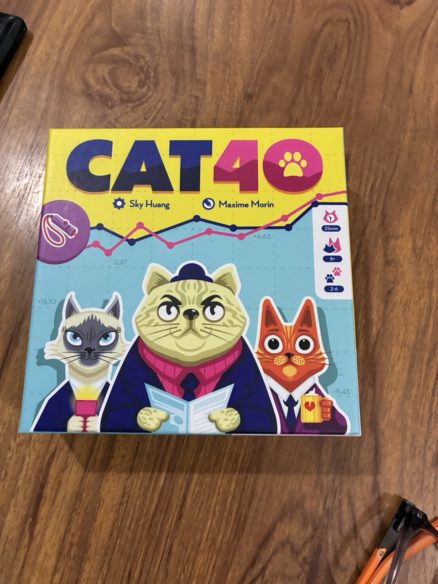
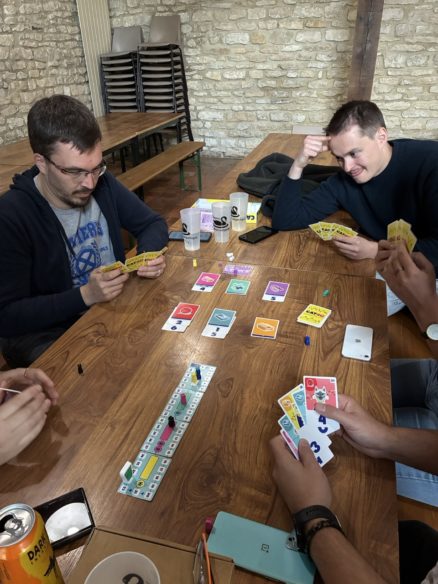
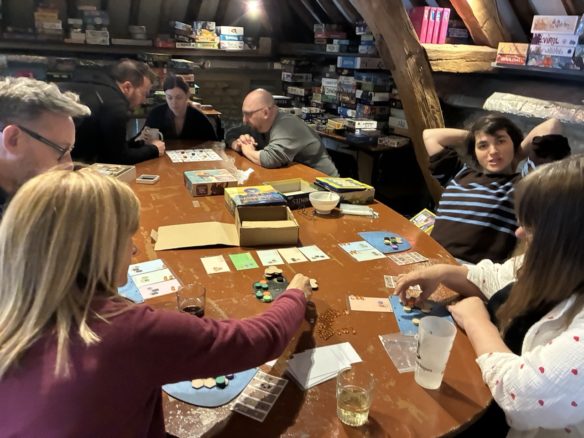
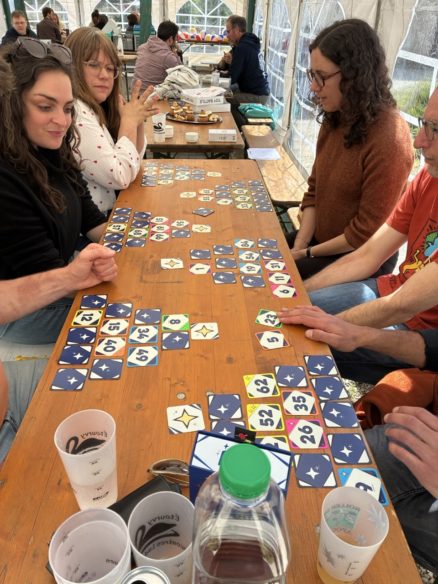
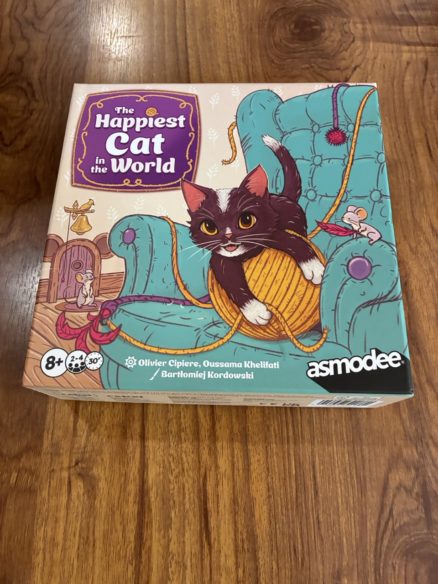
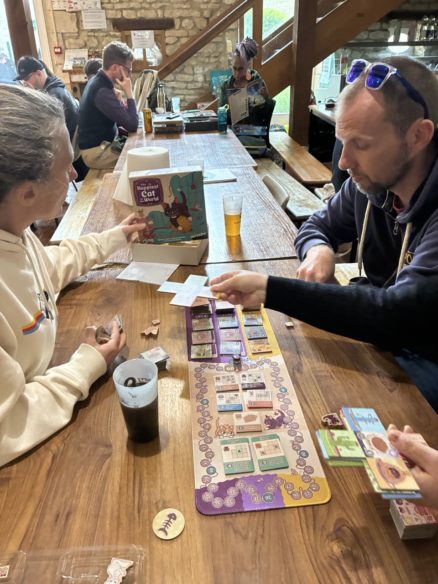
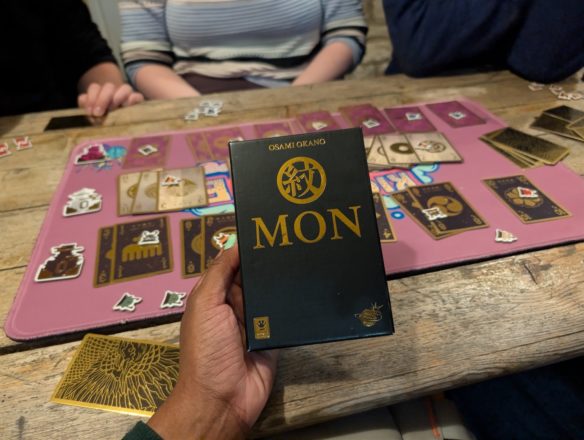
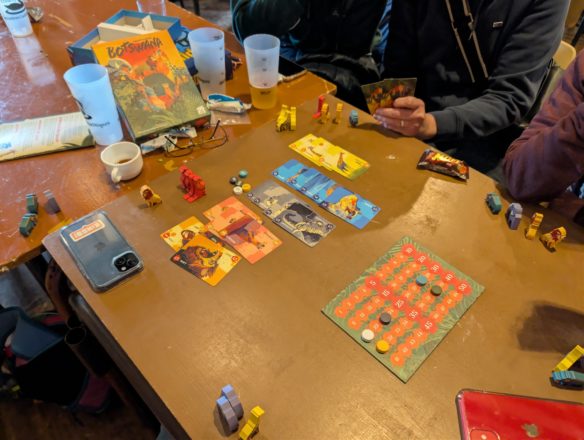
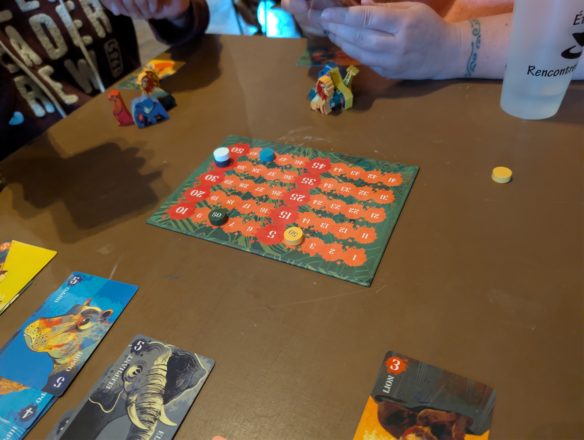
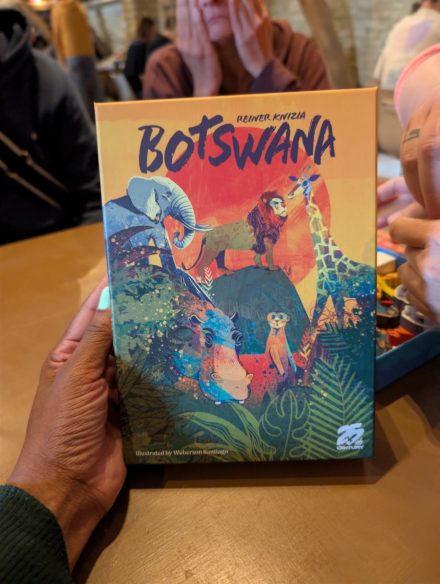
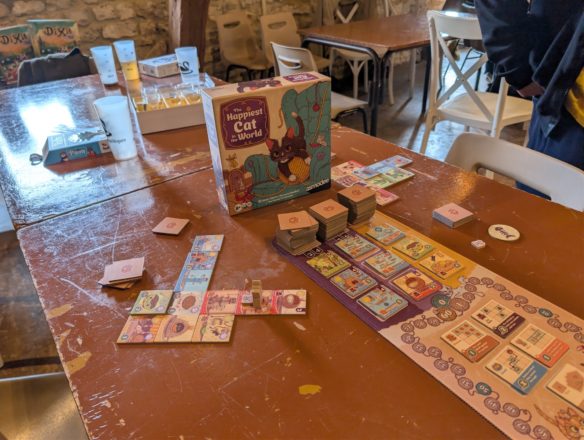
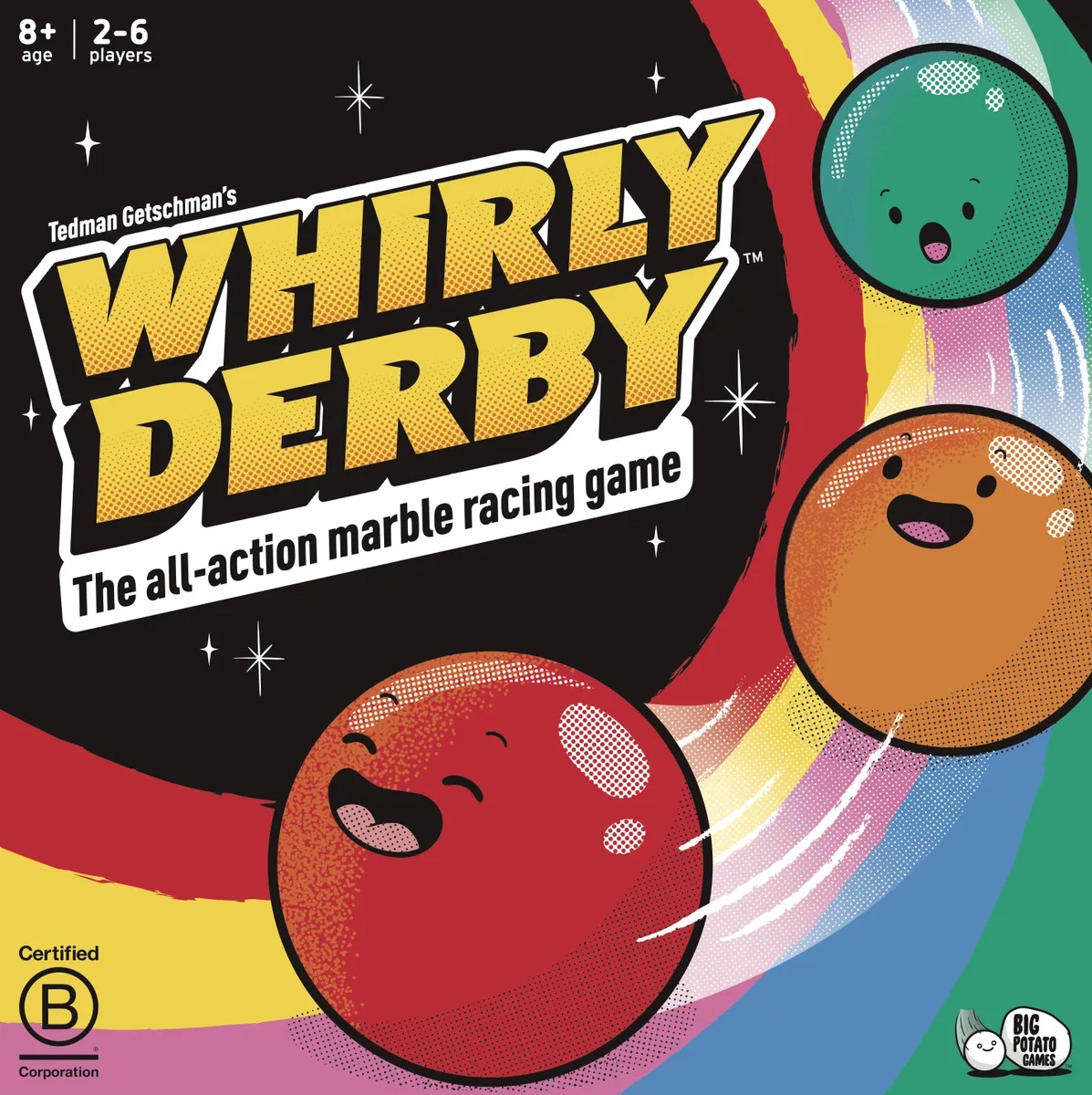
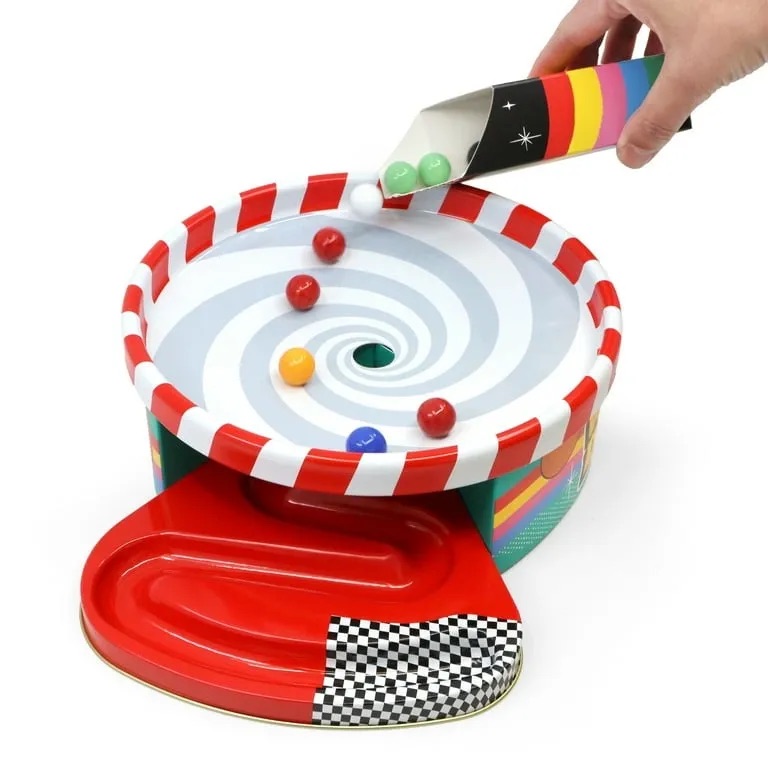
Sinon, parmi les jeux qui m’ont semblé les plus joués, j’ai notamment remarqué quelques nouveautés comme Trinket Trove, Magical Athlete, Hot Streak, Got Five, FlipToons, Paon, Moon Colony Bloodbath, Dnup, Excalibur, Misfit Heroes, Amarok, Vroom, Symbiose ou Whirly Derby mais aussi quelques jeux qui étaient déjà là l’an dernier comme Botswana, Things in Rings, Dude, Long Shot, Flip 7, Come Sail Away, Tea Garden, Rebirth ou Krazy Wordz. Plusieurs éditeurs faisaient tourner des prototypes ou des avant-premières de jeux destinés à sortir bientôt. Parmi ceux dont je pense avoir le droit de parler, The Happiest cat in the World, Rocket Rollout et Tea and Rum semblent avoir été les plus appréciés, tandis que Paon, Mon, San et Cat 40, de petits jeux de cartes, m’ont paru le plus dans mon style, même si je n’ai pas eu l’occasion d’y jouer. Le succès de jeux comme Magical Athlete, Hot Streak, Whirly Derby et Moon Colony Bloodbath, parmi les plus joués du week-end, est particulièrement notable. Ce sont d’excellents jeux, mais ce sont aussi des jeux édités avec humour, ce qui se faisait rare ces derniers temps, et j’espère que c’est une tendance qui va se confirmer. Je n’ai pas pu jouer à toutes ces nouveautés, loin de là, mais je prévois de me rattraper un peu cette semaine en passant trois jours au chalet d’Aline et Martin Vidberg – ils n’ont pas pu venir à Etourvy cette année, ce qui était bien dommage.
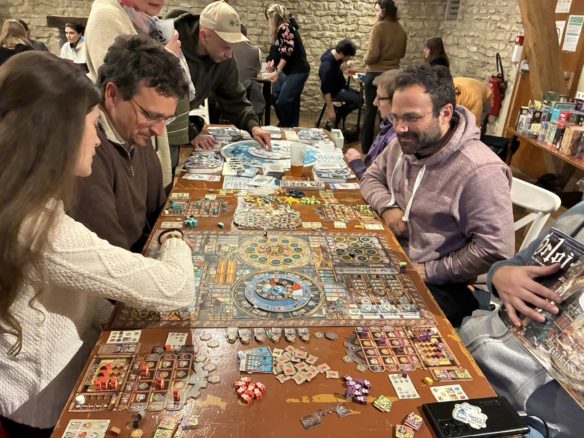
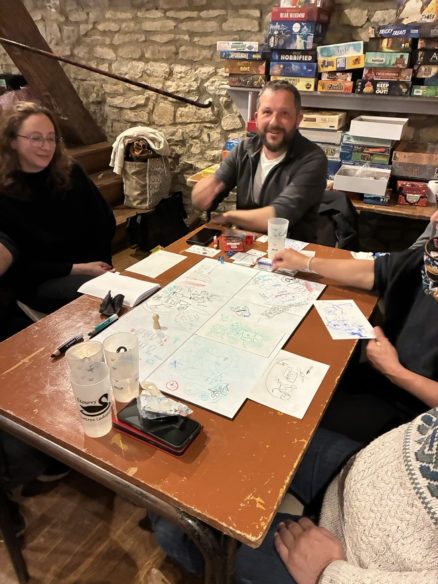
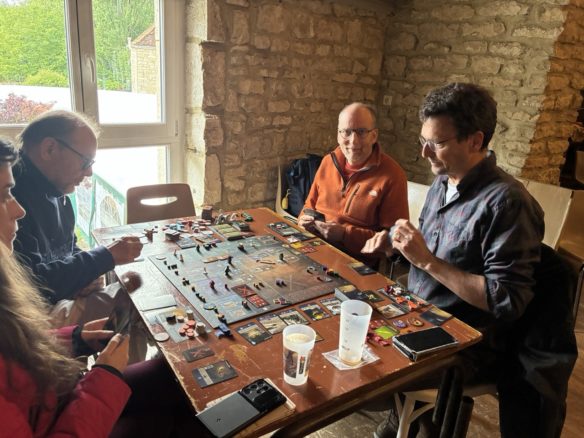
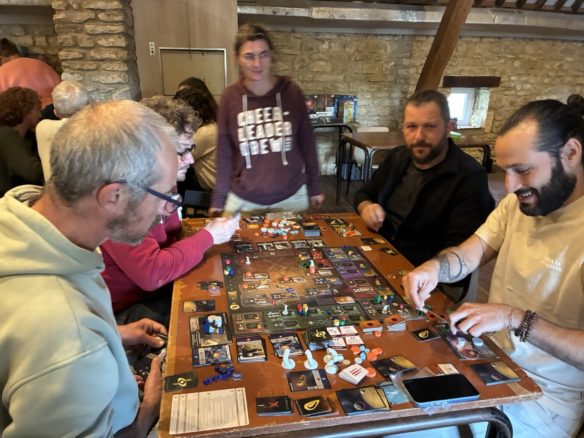
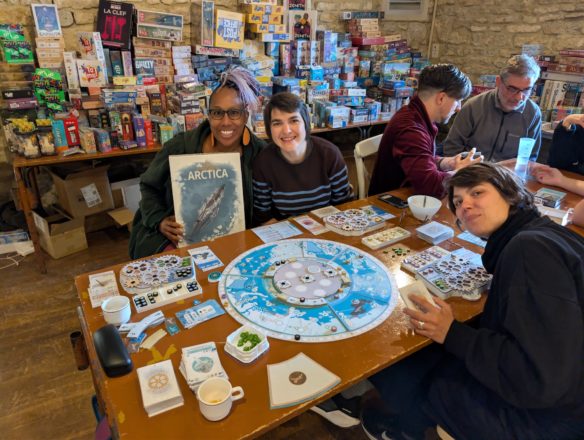
J’ai vu aussi pas mal de parties de The Gang, Duel for Cardia et Harmonies, mais il s’agissait le plus souvent d’auteurs ou d’éditeurs testant de futures ou possibles extensions. Avec une trentaine d’auteurs de jeux présents, et autant d’éditeurs, les prototypes étaient nombreux et pas toujours faciles à distinguer des jeux édités. Deux tendances m’ont frappé. Beaucoup de cartes ressemblant à des cartes à jouer classiques servaient de support à des variations plus ou moins sophistiquées sur les jeux de plis, sur le poker et, dans une moindre mesure, sur les jeux de défausse – j’en ai d’ailleurs un qui sort l’an prochain. J’ai aussi été frappé par le nombre de tables occupées par d’énormes plateaux de jeu rectangulaires où l’on place des ouvriers de toutes formes, tailles et couleurs sur des cellules de tableau excel, qu’il s’agisse de prototypes ou de jeux publiés – Kikai, Tea and Rum, Arctica et plein d’autres que je ne connais pas ; c’est un genre que je pensais, sans doute à tort, sur le déclin. L’un des prototypes les plus joués, et certainement le plus mystérieux, était cependant le jeu narratif de Manu et Guillaume avec son grand plateau blanc. Entre les petits jeux de cartes et les gros jeux de gestion ou d’aventure, on pouvait parfois avoir l’impression que les jeux poids moyen, ceux ont quatre pages de règles et se jouent en un peu plus d’une demi-heure, avaient disparus. Qu’ils soient petits ou gros, les jeux strictement pour deux joueurs m’on paru absents des nouveautés, mais c’est paut-être parce que nous étions nombreux et cherchions à jouer en grands groupes.
En rentrant d’Etourvy, j’ai découvert la sélection 2026 du Spiel des Jahres allemand, qui reste le prix le plus renommé et le plus influent. Parmi les neuf jeux sélectionnés par le jury, je n’en ai vu que trois, Rebirth, Moon Colony Bloodbath et l’Île des Mookies, joués à Etourvy. Cela illustre bien la variété, mais aussi la qualité de l’offre ludique actuelle – il y a tellement de bons jeux que l’on ne peut, et c’est vrai aussi bien pour mes amis joueurs que pour le jury du Spiel, que passer à côté de beaucoup.
Si nous avons bien sûr passé le plus clair de notre temps à jouer, il est arrivé aussi que l’on cause un peu. Suite à l’un de mes posts sur Facebook la semaine précédente, il a pas mal été questions d’aphantasie, qui semble relativement répandue dans le monde du jeu. Nous avons un peu discuté des ambiguïtés politiques du milieu ludique, avec des créateurs et des équipes éditoriales plutôt de gauche et des investisseurs franchement de droite ; nous ne sommes pas les seuls, mais pour l’instant, cela se passe plutôt bien. On a parlé, comme l’an dernier, du poids croissant de l’Asie dans le marché et dans la création ludique ; certains pensent même que l’avenir du jeu de société était euro-asiatique, avec un marché américain condamner à se marginaliser, et plusieurs des hôtes d’Etourvy s’envolaient dès le lendemain pour le Tokyo Game Market. D’autres, ou les mêmes, se demandaient si le « jeu de plateau narratif », sorte d’hybride entre nouvelle, jeu de rôle et jeu de société classique, était là pour rester ou n’était qu’une mode passagère ; j’ai longtemps pensé que ce n’était qu’un discours, un concept un peu creux, mais j’avais visiblement tort. Je me suis fait un peu expliquer le monde, que je connaissais mal, des « influenceurs ludiques » entre lesquels la concurrence semble nettement moins bienveillante qu’entre auteurs ou éditeurs; cela m’a rappelé la formule de Kissinger sur les universitaires entre lesquels « la haine est d’autant plus féroce que les enjeux sont ridicules ». La place des intelligences artificielles, dont tout le monde parlait l’an dernier mais qui pour l’instant ont relativement peu affecté le monde du jeu, m’a semblé curieusement absente des discussions, peut-être parce que beaucoup de personnes, comme moi, changent d’opinion deux ou trois fois par jour sur ce sujet. Peut-être aussi suis-je passé à côté des conversations sur ce thème.
Et voilà, je pense que c’est tout, dites-moi si j’ai oublié des trucs, à l’année prochaine. J’espère que tout le monde est bien rentrés, et que ceux qui s’envolaient dès le lendemain pour Tokyo ont bien dormi dans l’avion.
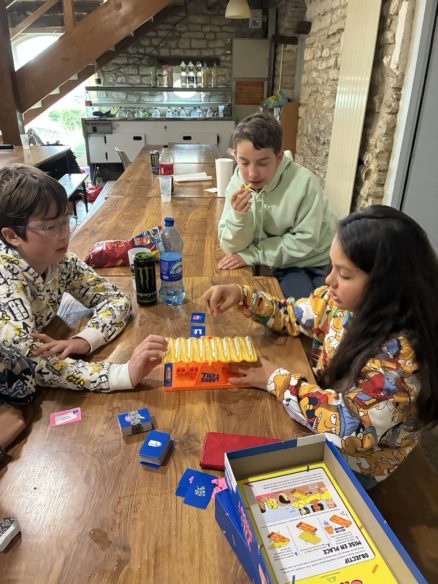
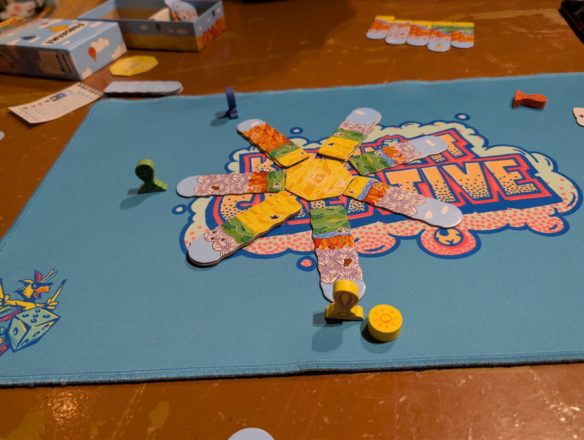
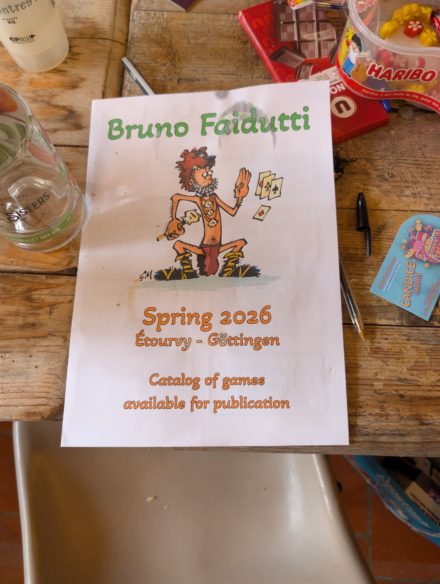
Plusieurs raisons font que j’ai attendu plusieurs semaines avant de poster ce compte-rendu. Souhaitant l’illustrer de jolies photos, j’ai décidé d’attendre d’e recevoir’avoir reçu les portraits d’Antoine, sans doute le meilleur photographe parmi les participants, qu’il ne pouvait m’envoyer qu’après son retour du Tokyo Game Market. Une semaine après les ludopathiques, j’avais également prévu de passer quelques jours en Franche-Comté, dans le chalet d’Aline et Martin Vidberg, ce qui m’a d’ailleurs donné l’occasion de jouer à quelques uns des jeux que j’avais vu tournet à Etourvy sans trouver les temps de les essayer. J’ai particulièrement apprécié Minikin City et FlipToons, deux petits jeux de cartes dans l’esprit de Far Away ou de Château Combo, Fû Festive Fortunes, un jeu de bluff et de placement d’ouvriers sur le thème du nouvel an chinois, et French Toast, un party game pas vraiment nouveau mais à côté duquel j’étais passé, et que Pénélope avait pris à Etourvy sur la table des prix. Dans une semaine, je serai au petit salon des auteurs de jeux allemands à Göttingen, où je vais sans doute jouer à quelques autres.
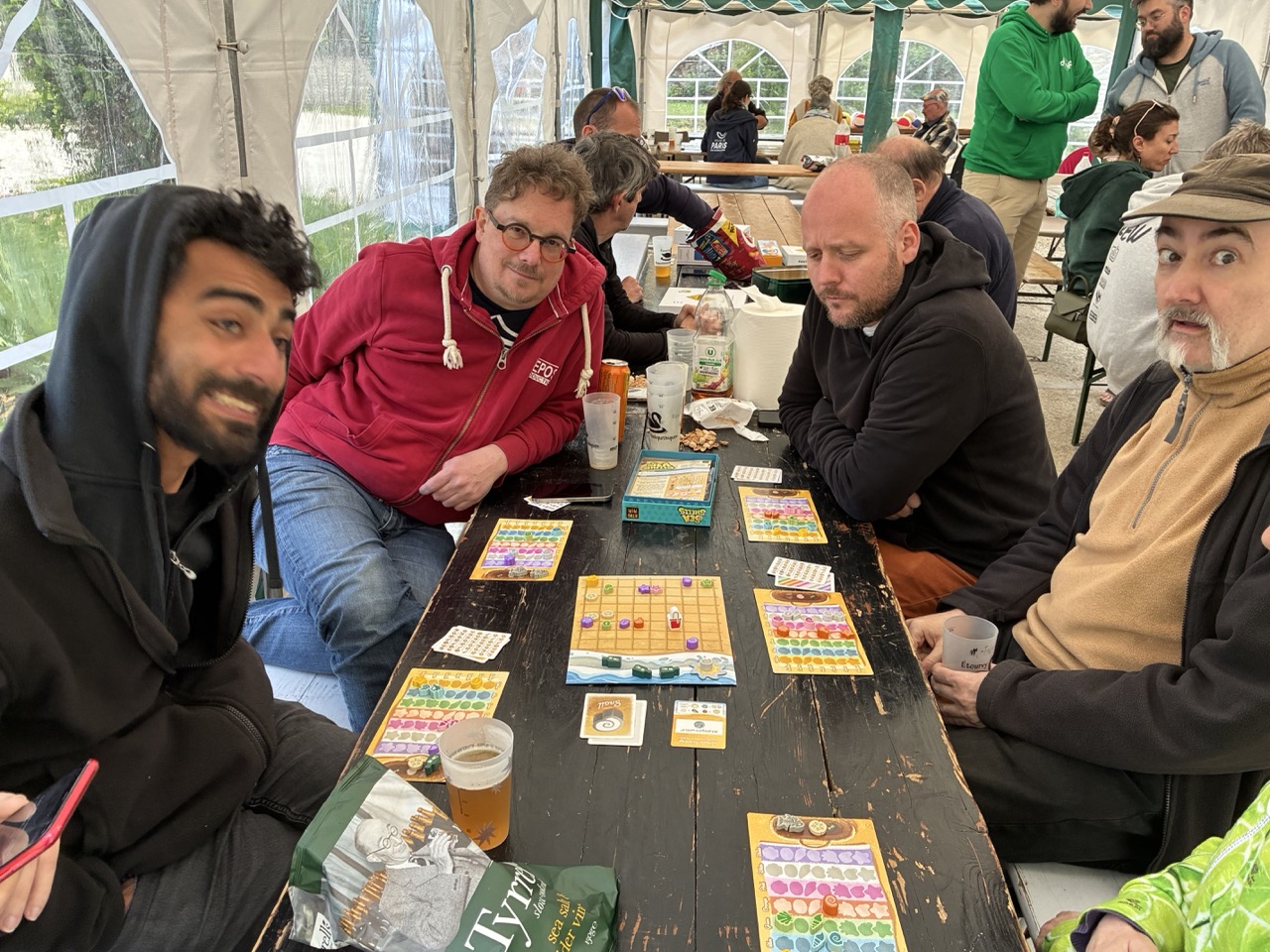
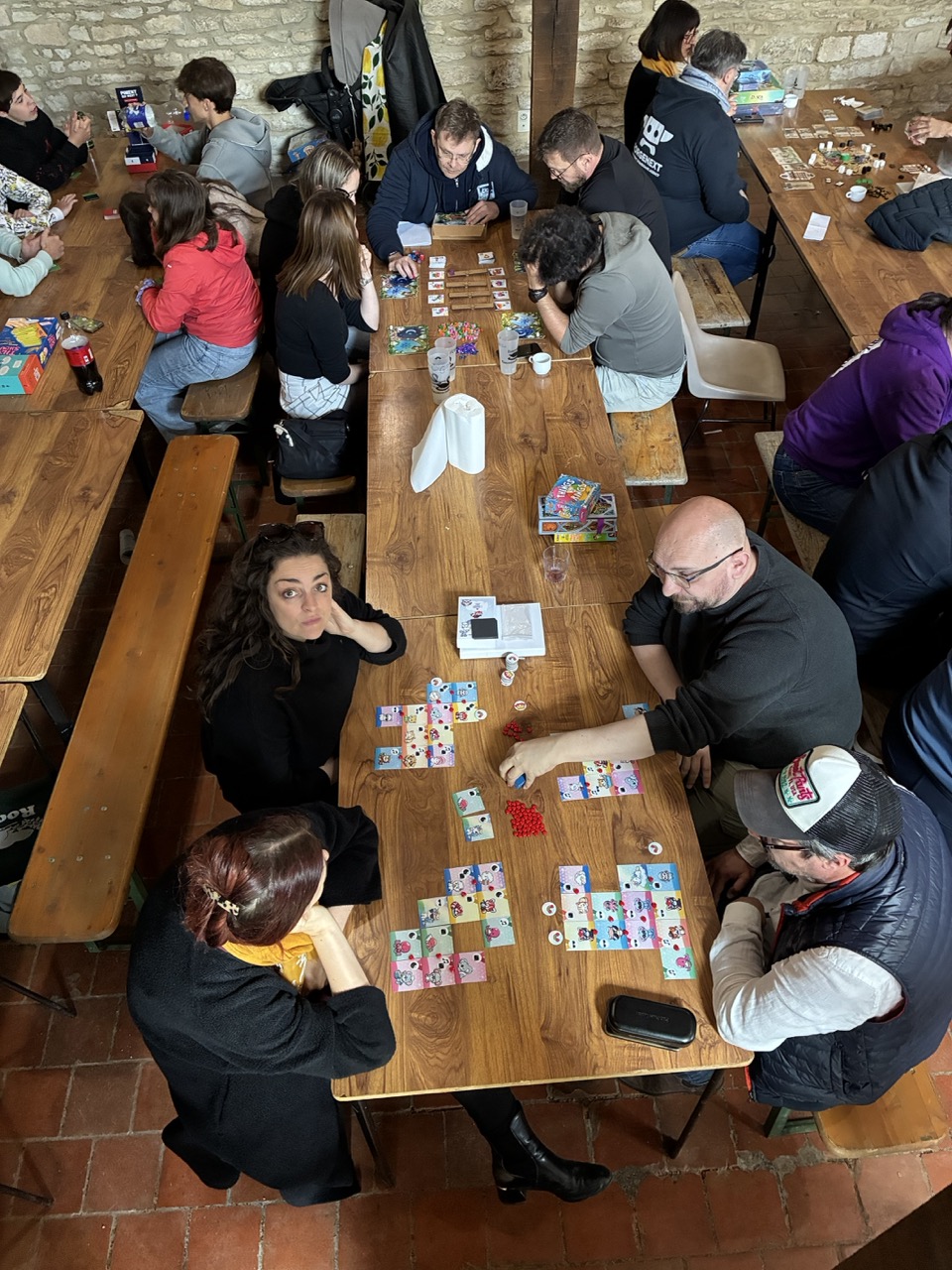
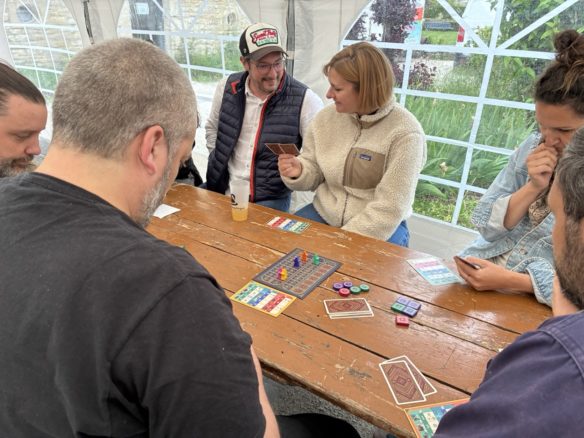
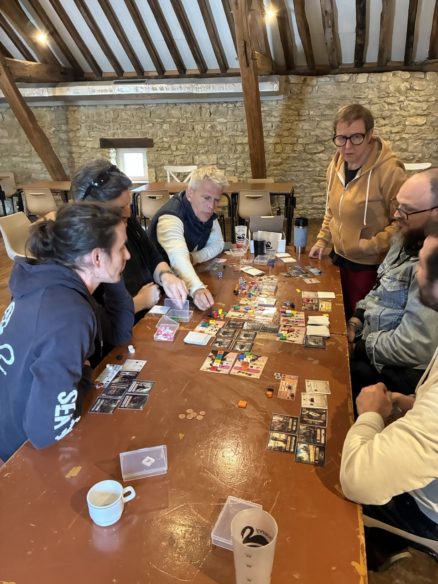
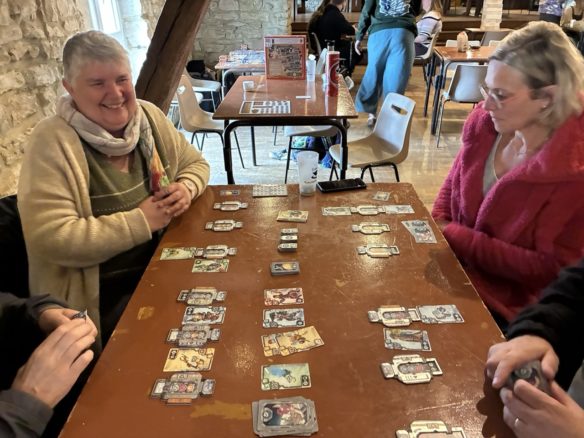
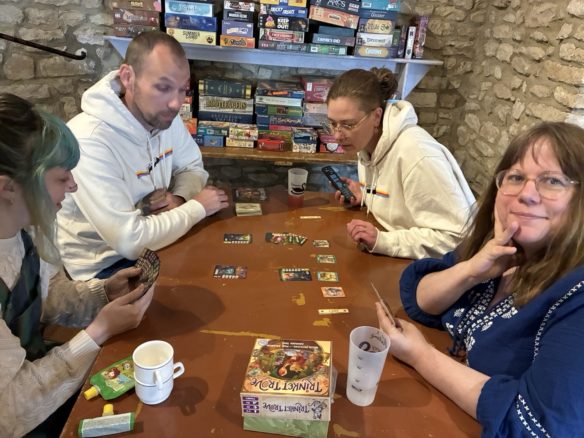
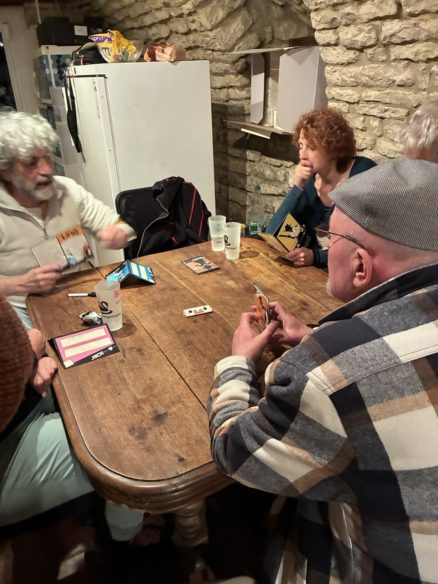
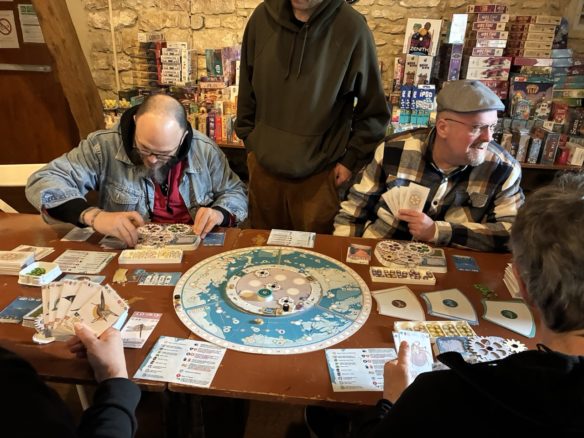
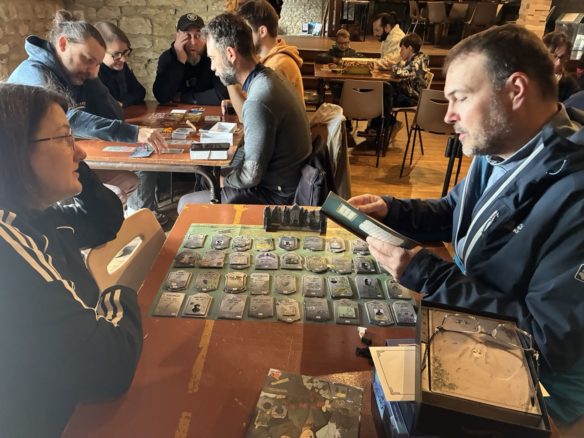
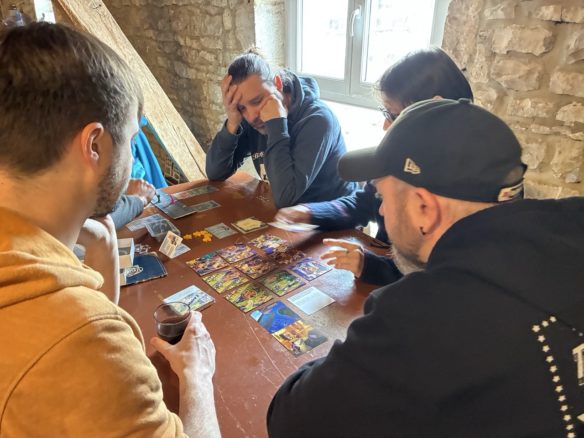
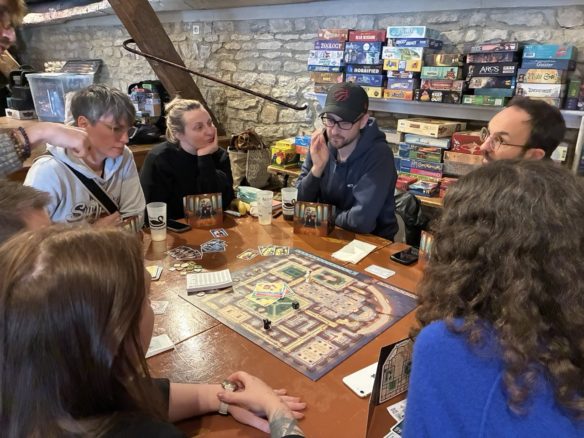
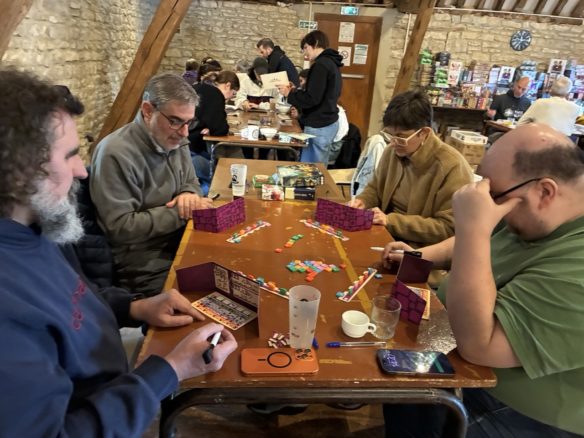
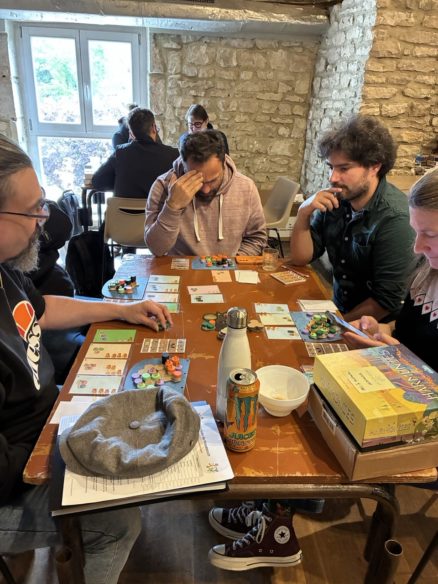
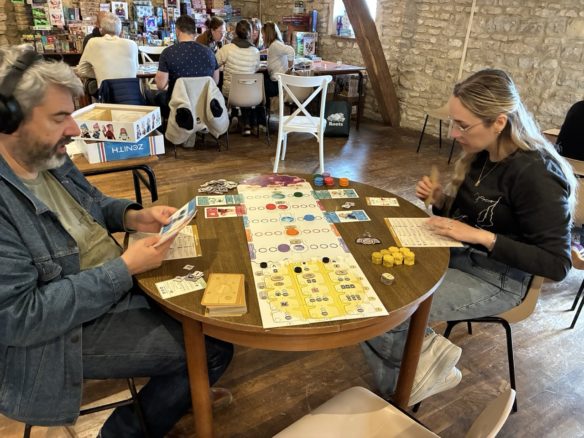
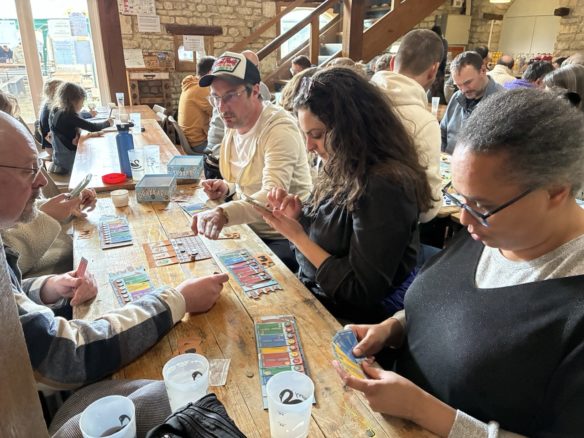
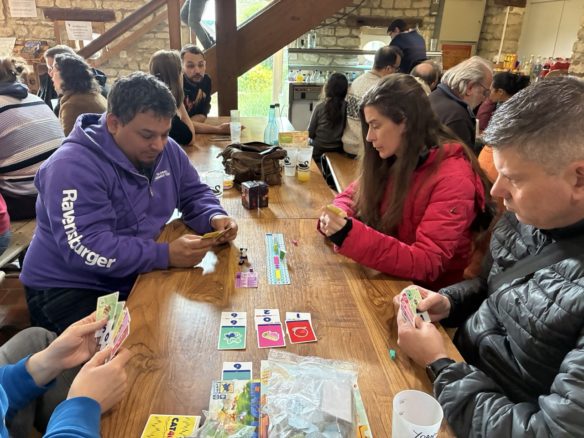
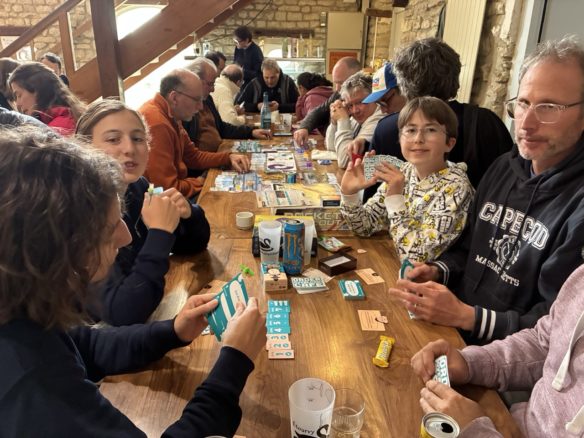
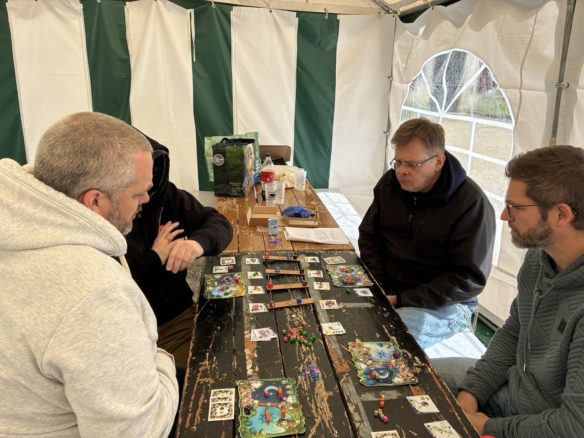
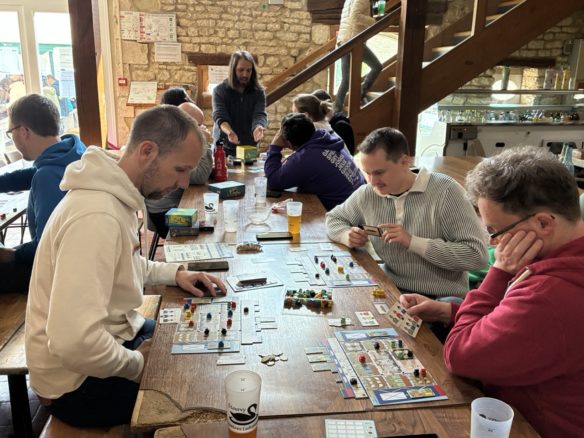
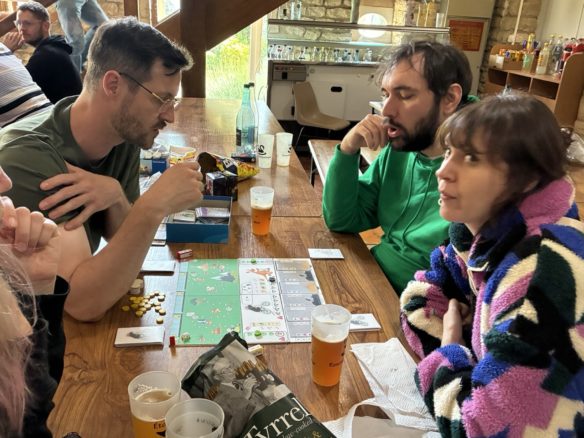
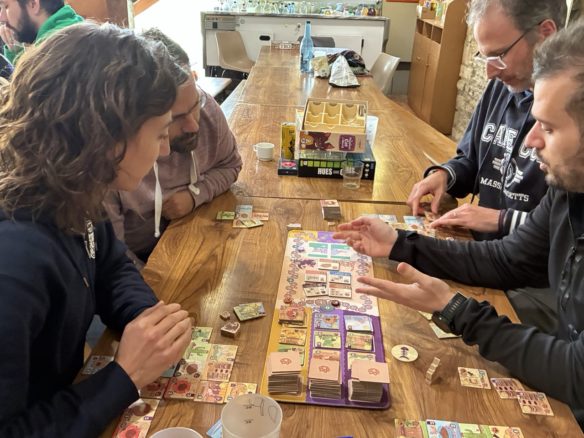
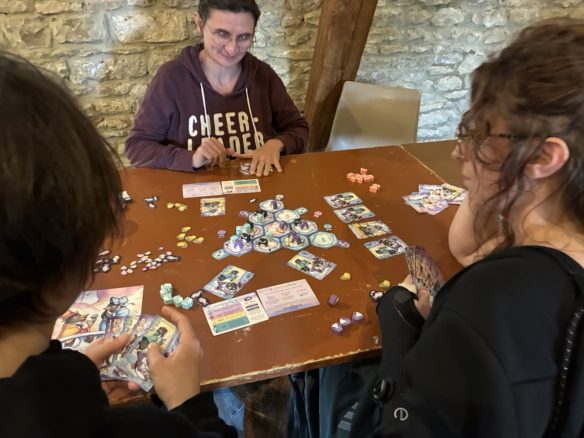
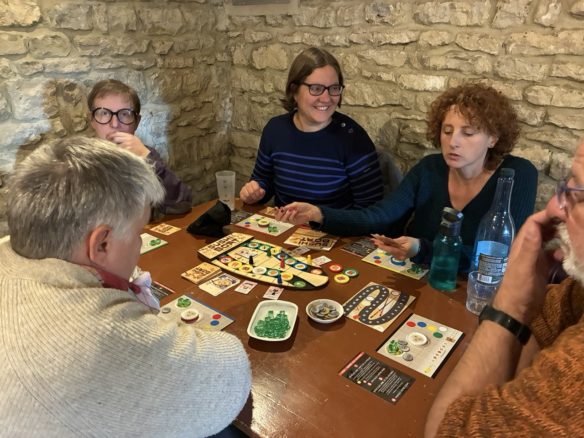
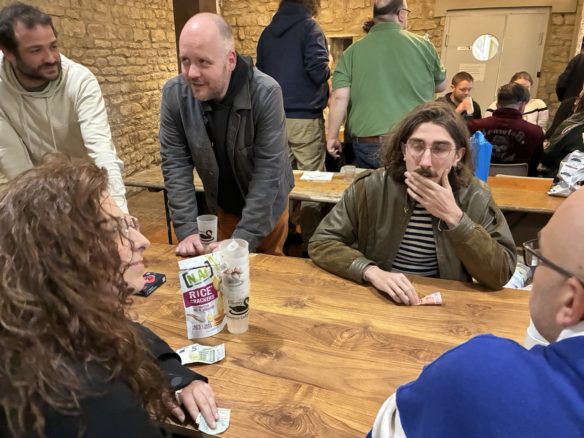
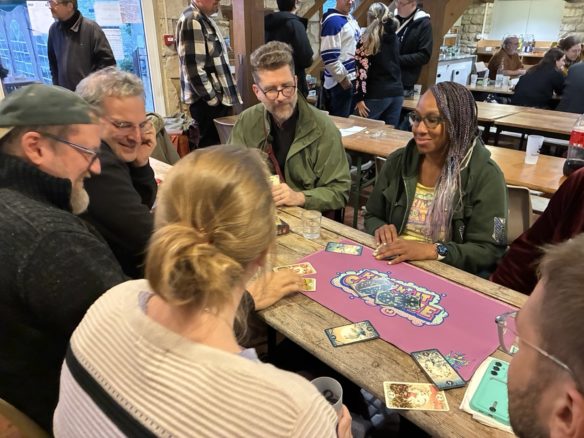
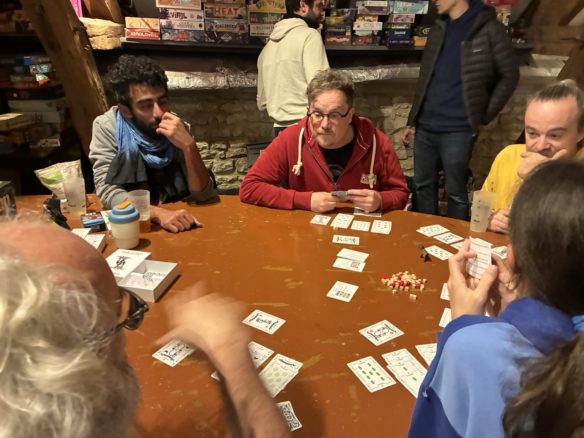
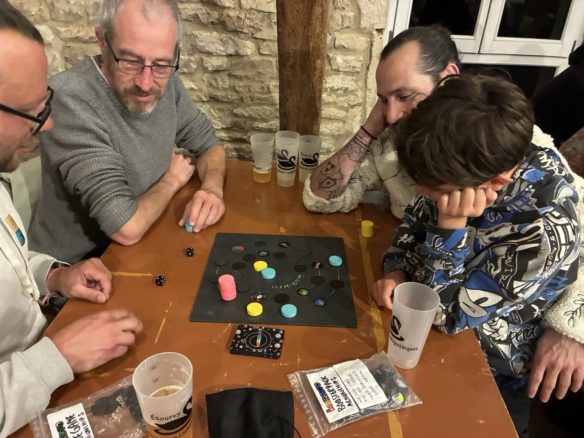
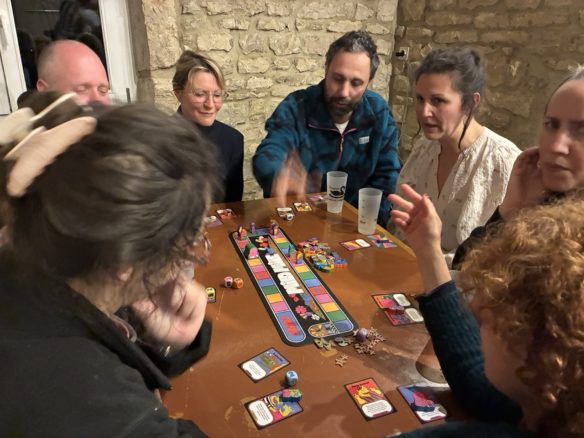
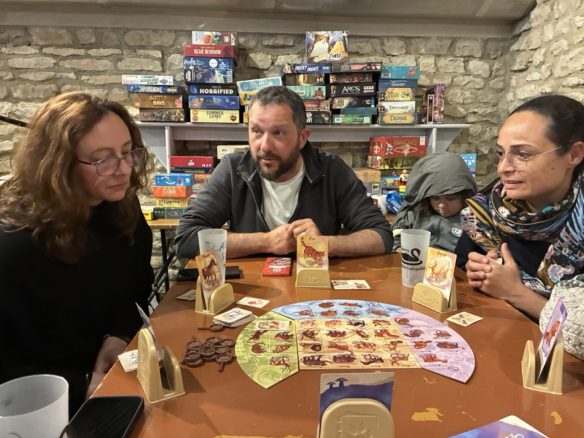
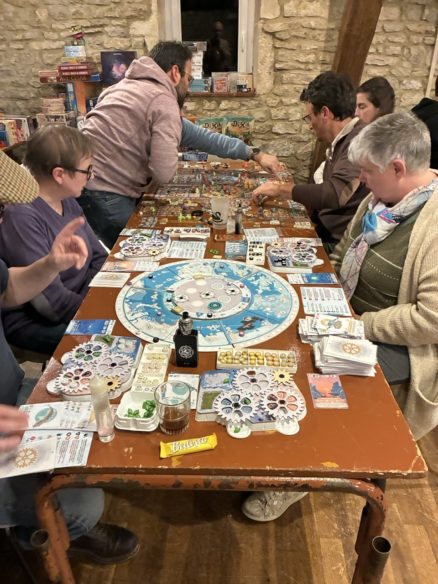
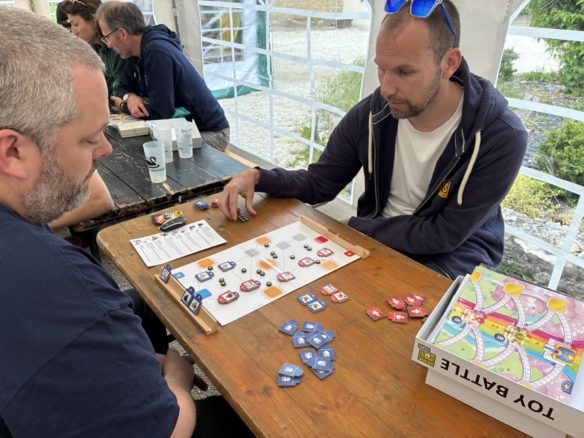
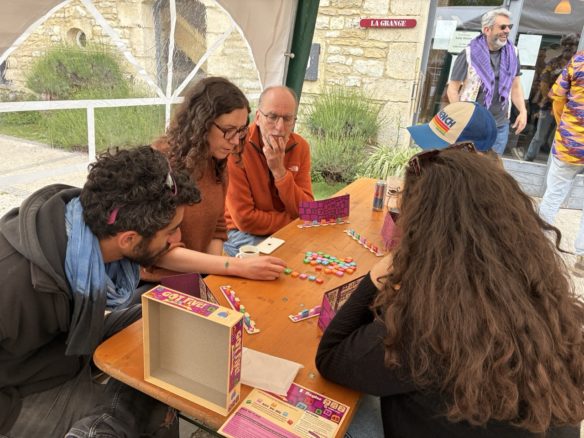
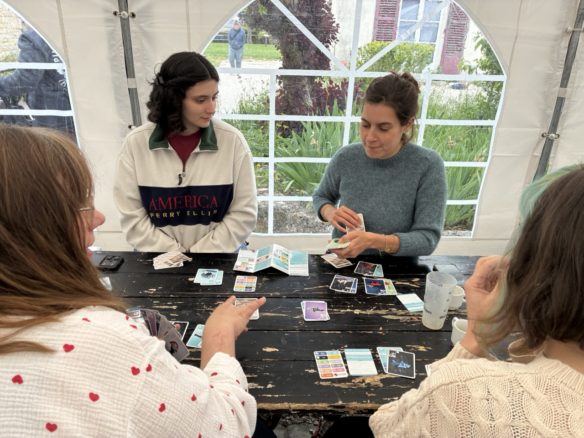
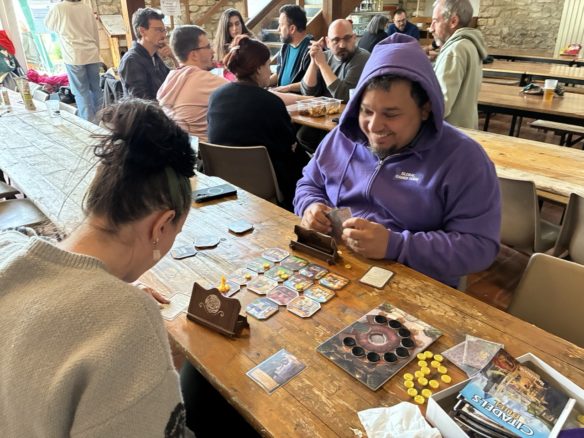
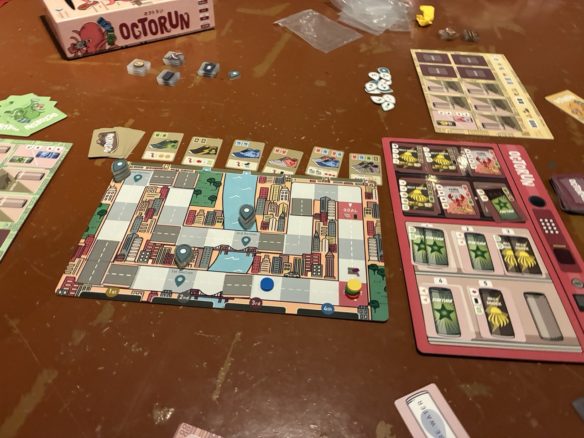
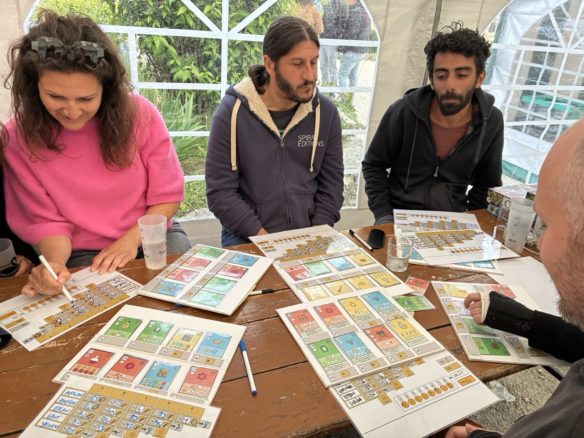
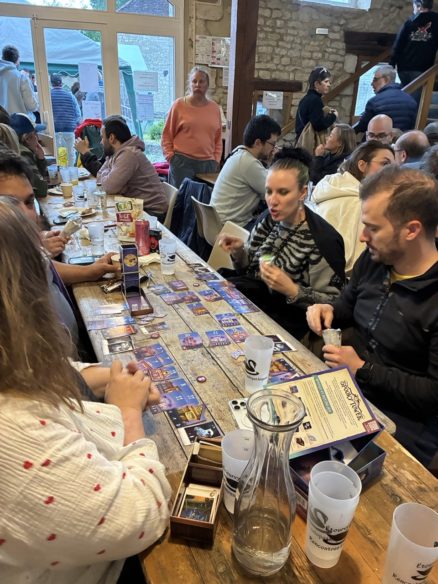
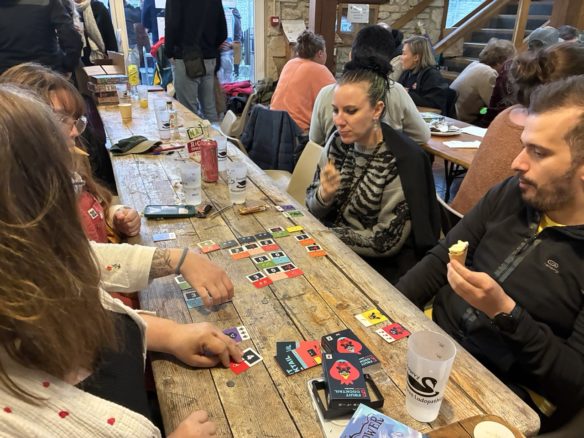
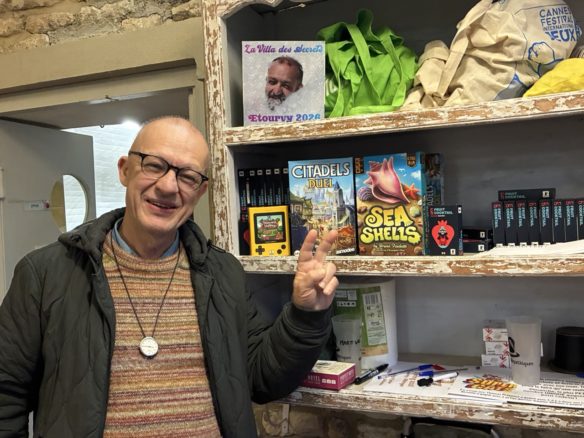
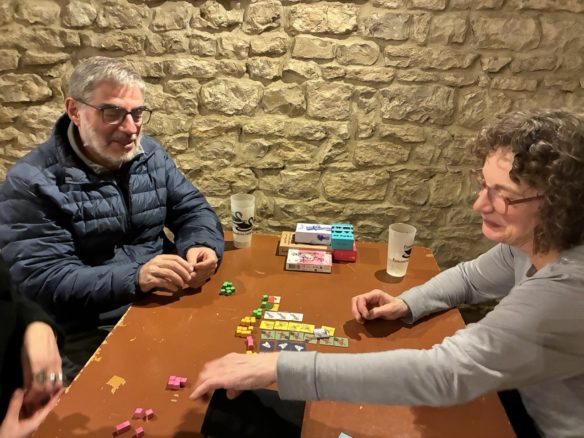
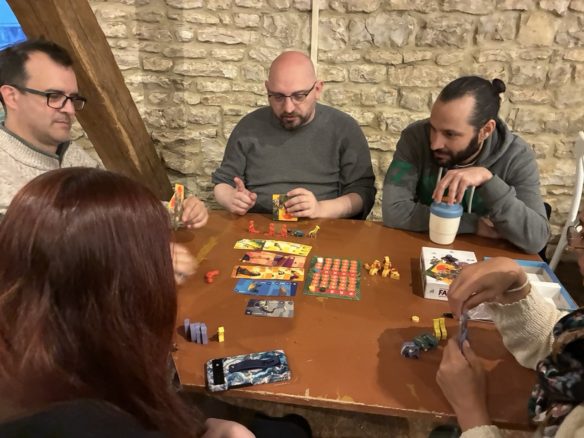
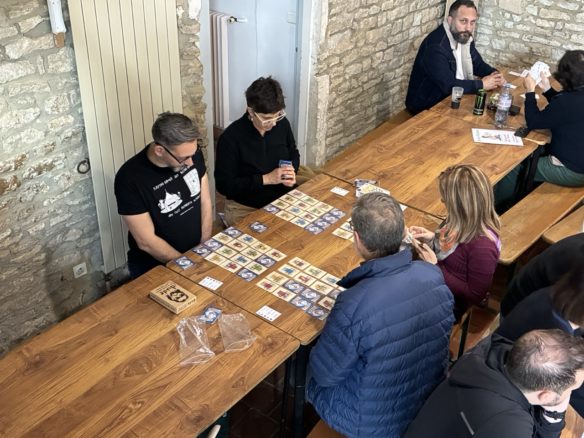
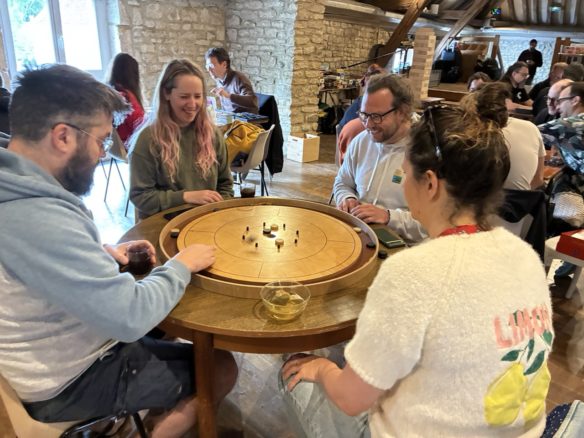
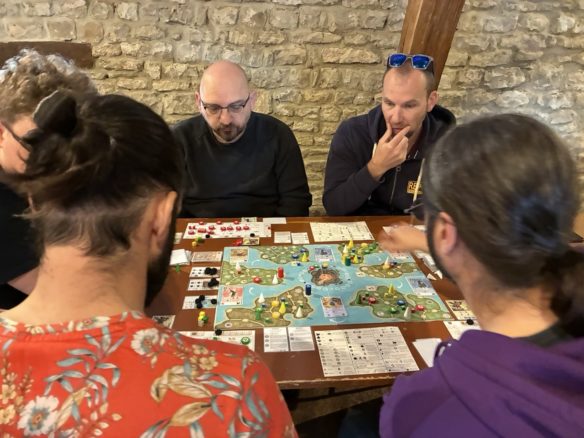
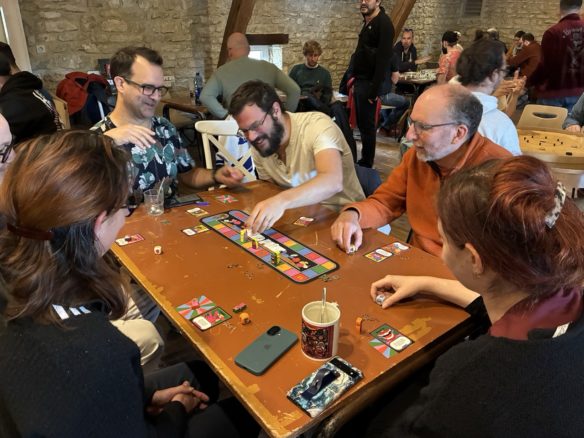
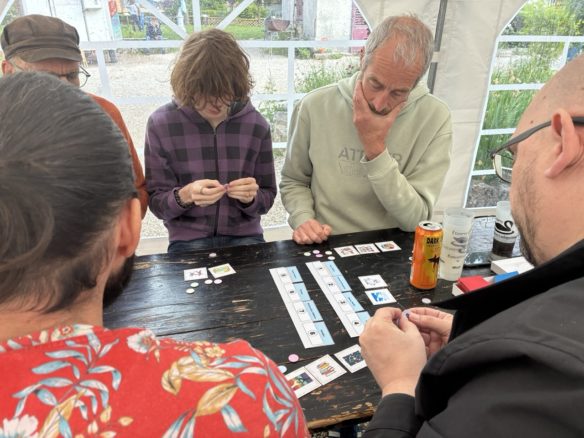
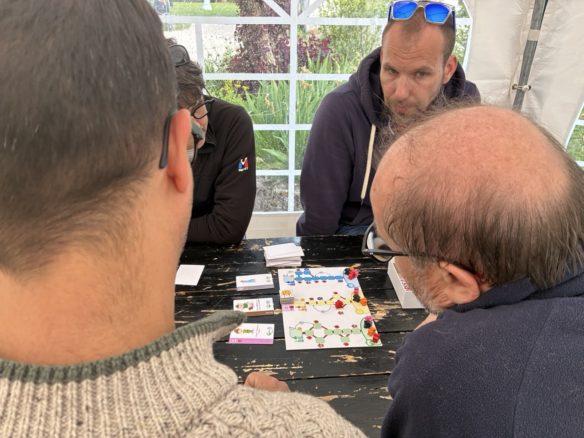
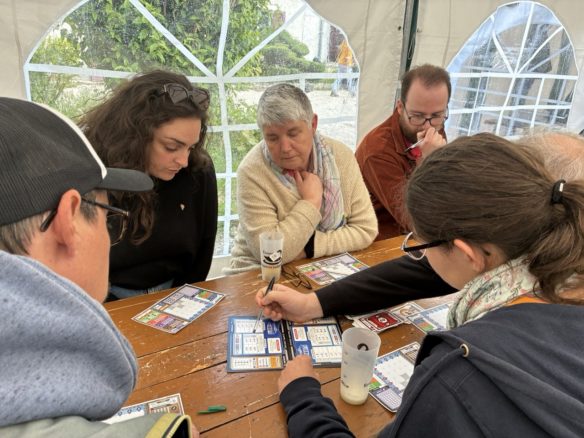
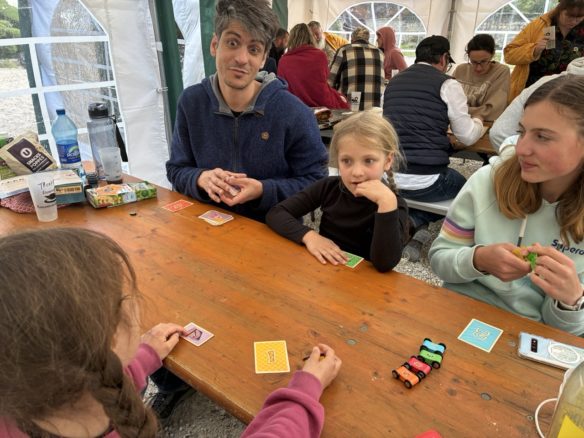
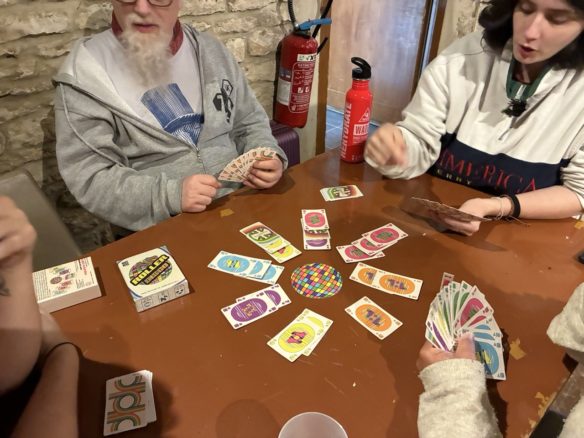
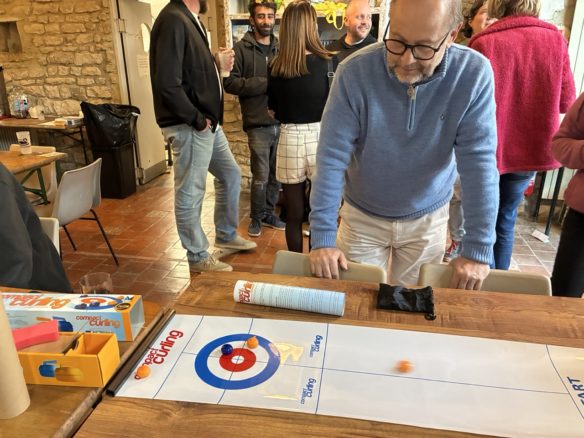
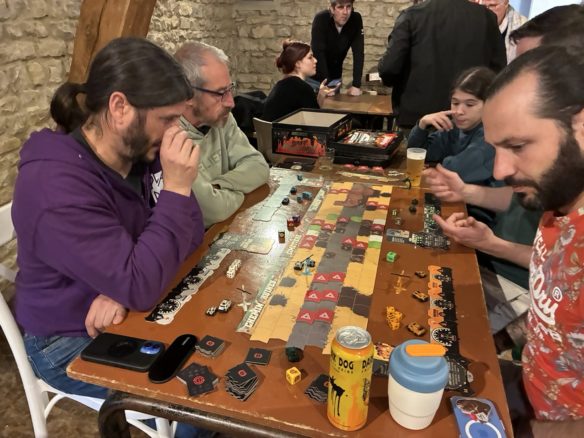
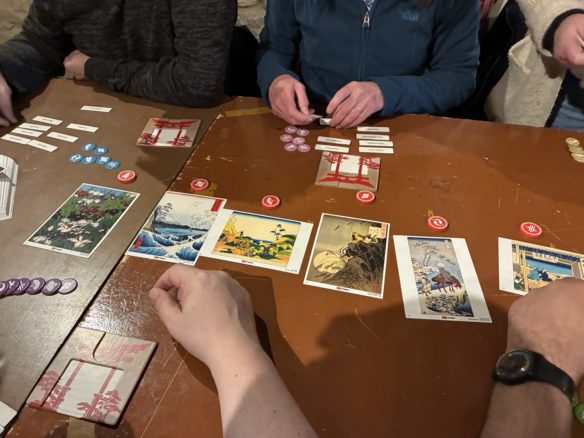
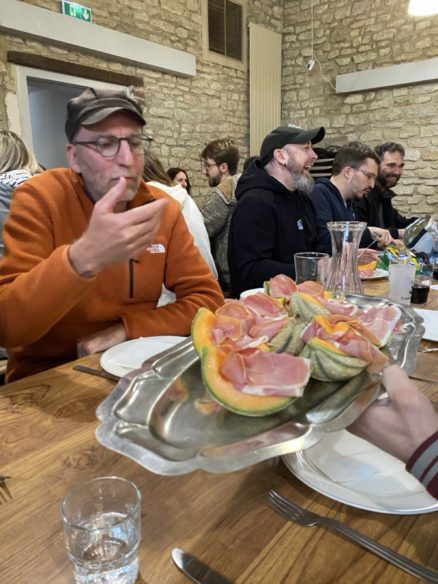
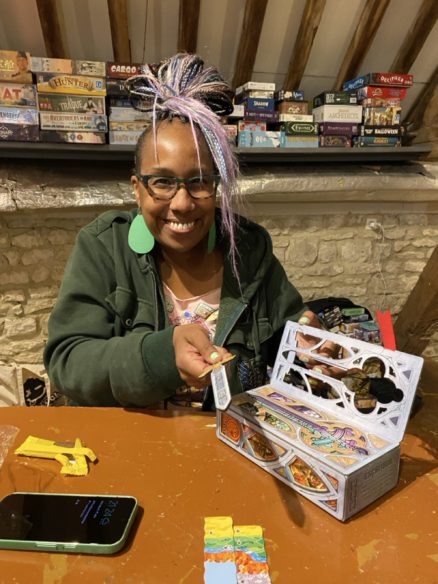
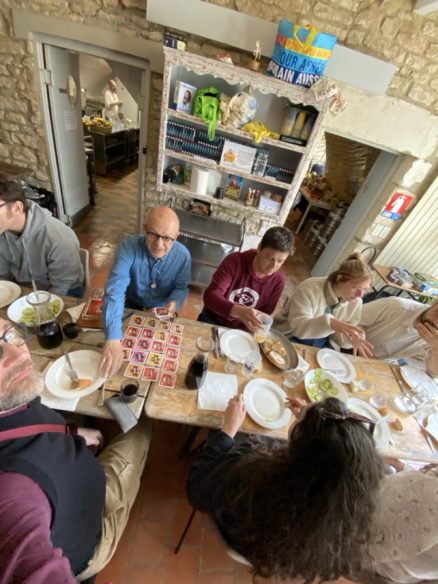
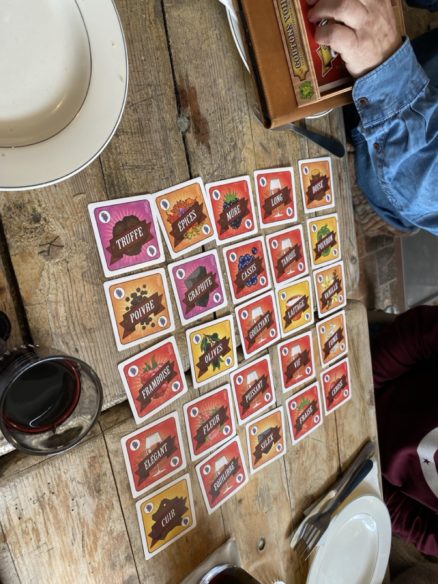
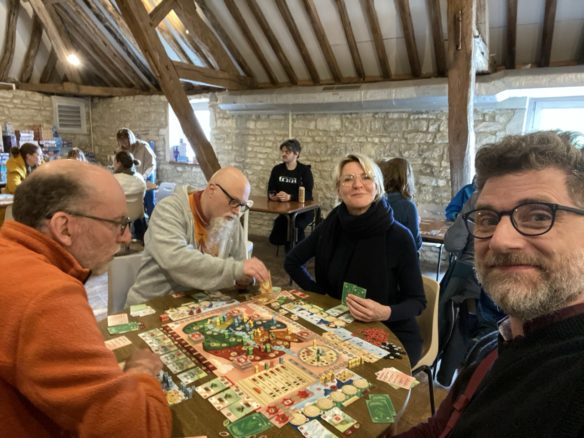
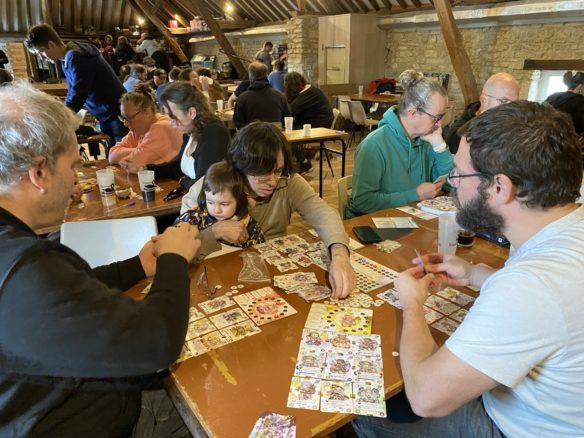
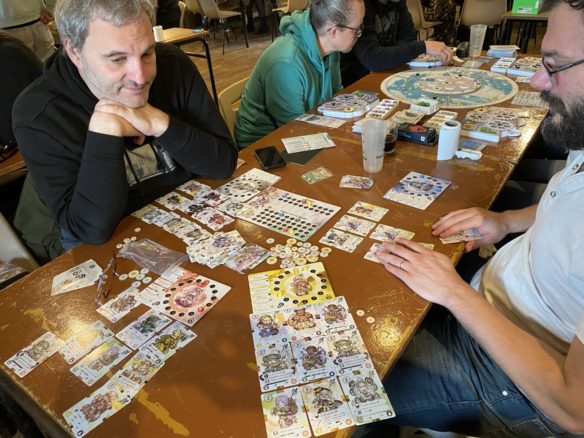
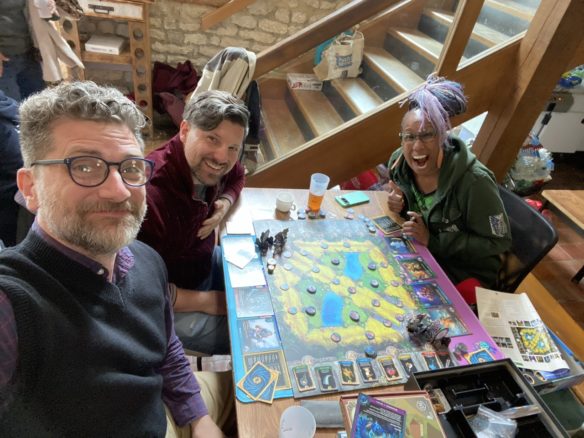
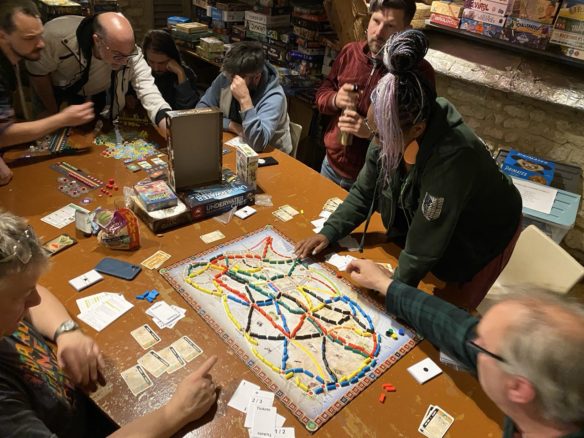
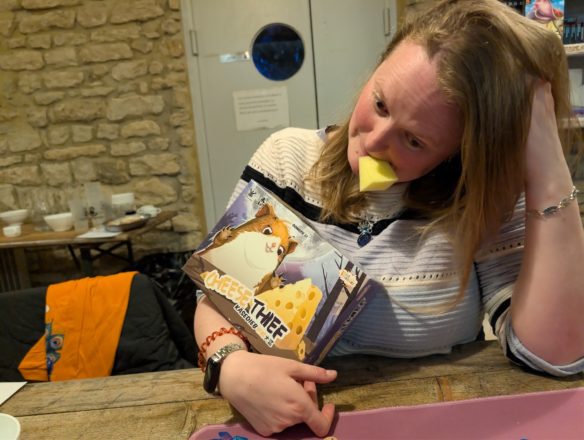
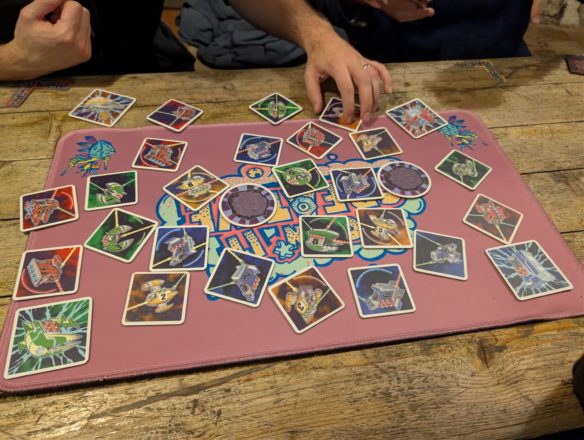
Plus de photos après la version anglaise de ce compte-rendu. Attention, il en va des jeux comme des jeux, certains sont plus photogéniques que d’autres. Les jeux les plus présents sur les photos ne sont pas nécessairement ceux qui ont été le plus joués.
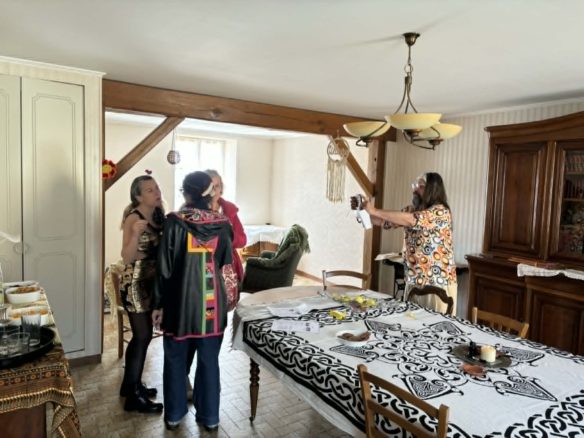
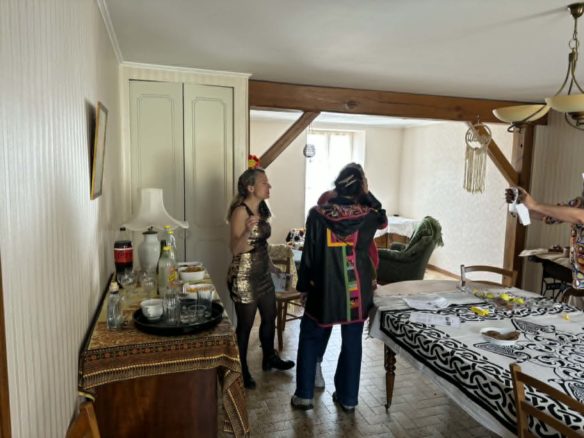
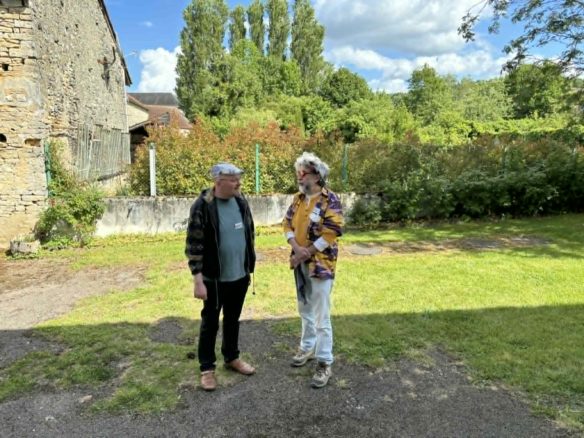
I’m back from Etourvy, the small French village where, for more or less thirty years, I hold my yearly personal game convention, the ludopathic gathering. What had started as a small gaming week-end with friends, mostly the Ludodelire team and my larp friends, has now become a small and friendly but nevertheless relatively important event in the small boardgaming world. We were almost 200 this year, including, I think, two attendess who are here since the very first edition, Hervé and Droopy.
200 attendees, almost 50 more than last year, mostly because the timing was better. It was before two other events which many planned to attend, the Tokyo Game Market, to which a few people were flying the next day, and UKGE. It was also a “long week end” for French schools, allowing older gamers to come with their kids. I’m wary of formal quotas, which usually backfire, but I always try to have a varied attendance, and I think I managed it well this year, with a good proportion of women, kids and people coming from all over the world – Germany, Italy, Brazil, USA, Canada, and even Hong Kong. OK, fifteen years ago we had a gamer come from Antarctica, it’s a unbeatable record – and btw, I’m curious to learn what became of her, if anyone knows or if she reads this post.200 attendees was also the maximum the main place, the Domaine Saint-Georges, can accomodate, and the Ludopathic Gathering will not grow bigger than this.
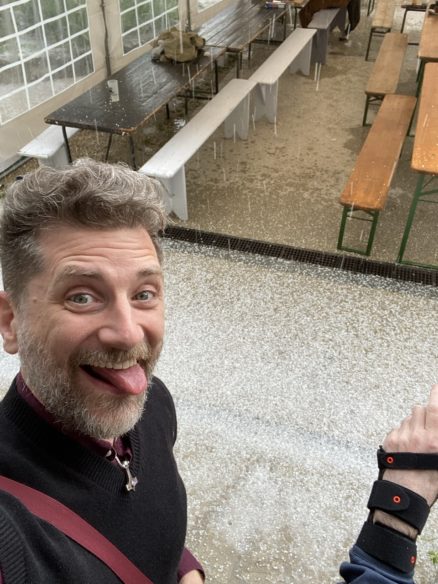
I spent the two weeks before this game prolonged week-end worrying about the weather forecast, which was changing completely every few hours. In the end, weather was mediocre, but it could have been worse. We had an impressive hailstorm on Tuesday, and an unexpected rain on Saturday just when I had prepared the prize table with all the games sent by the publishers in a nearby field. The prize giving was therefore a bit hurried and messy.
The thirty years old process of the ludopathic gathering is now well oiled. A small team help me managing everything, Camille, Ghislain, Didier, Hervé and, this year, Eric who arrived with us on Monday. Thanks to them, I had more time this year to show prototypes to publishers, even when I forgot which ones I have given or promised to send to whom – please email me to remind me of it.
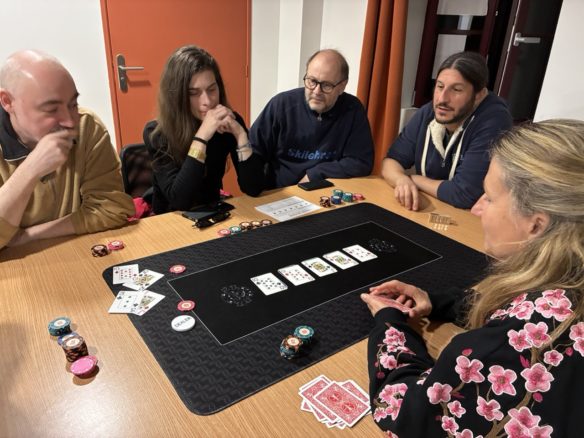
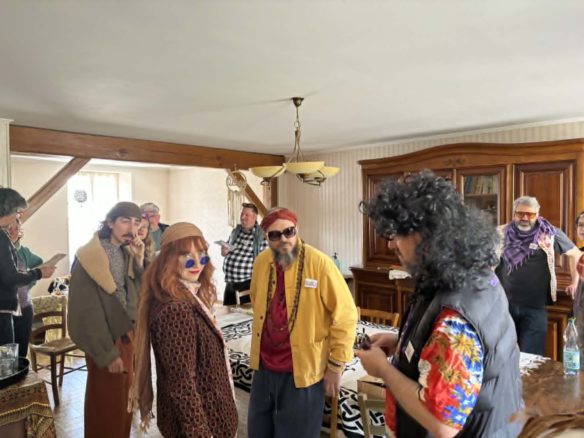
The capricious weather restrained the outdoor activities, but we nevertheless managed to play the traditional Brouhaha, of which I have surpringlu few photos. A few dedicated people went walking, and for some of them even running, on Friday and Saturday morning. I had scheduled a giant game of Turtle Wushu but completely forgot about it, it will be held next year. The new room in the Meunerie was very convenient for activities requiring some calm and concentration, a few rpg sessions, the yearly poker tournament and a Napoleonic horror war game held by the Canadian Dylan. The Woodstock murder party took place in an even more cosy and isolated place, so isolated that I have no pictures of the event – if someone took pictures, please send them to me. Cathy won Théo’s giant Super Cats tournament with the number 12, the smallest to have been chosen by onely one player. Maud won the liar’s poker tournament, and Cyrille the true poker one – is there a pattern here ? Droopy and Hervé won the boules tournament.
There was a new addition to the collection of big wooden games I let in Etourvy from year to year, an oversized Jenga game, which was quite successful. It will still be there next year but, if the weather is better, we will place it outside so that gaming tables don’t quake too much when it falls.
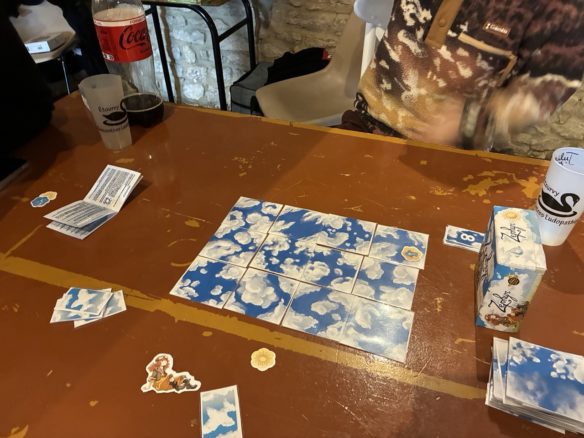
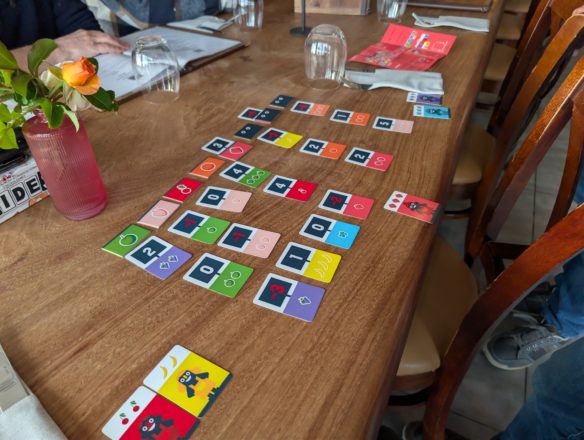
Fruit Cocktail, un jeu que Yohan Levet aurait pu faire. Fruit Cocktail, a game Yohan Levet could have designed.
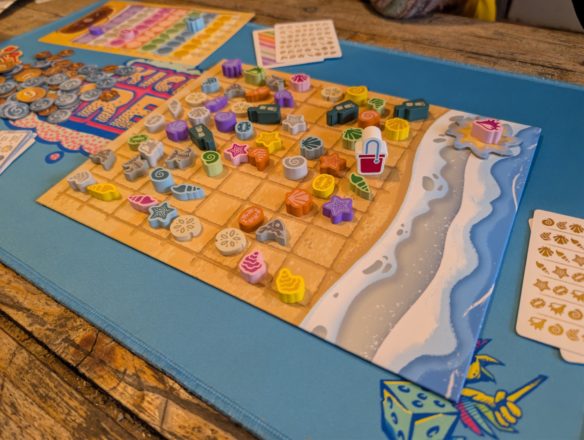
One of the most played games was my new Fruit Cocktail, but I had cheated a bit since every attendee had been offered a copy. I also showed Seashells, whose author copies I had been sent directly to Etourvy by the publisher, KTBG, and two prepress copies of Citadels Duel, whose designers, Manu and Guillaume, were both present. By the way, if you were there and enjoyed these games, please go rate them on BGG !
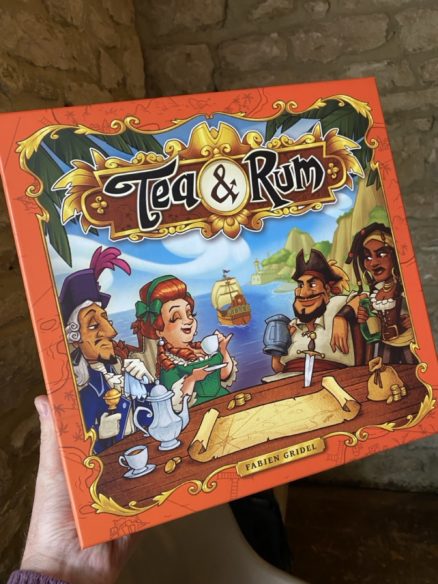
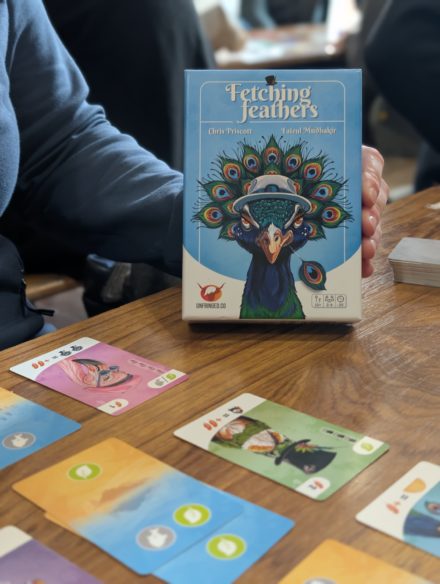
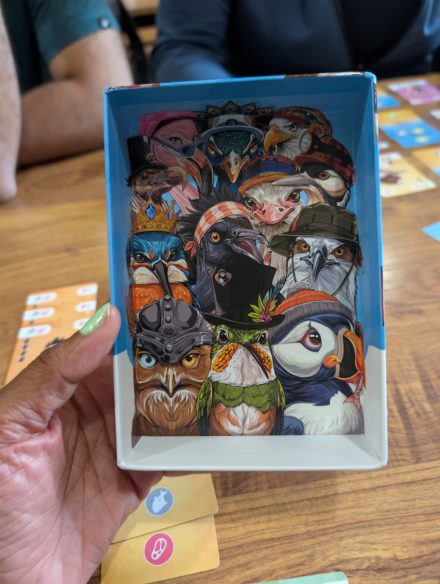
Among the most played games, I noticed many other brand new games, Trinket Trove, Magical Athlete, Hot Streak, Got Five, FlipToons, Moon Colony Bloodbath, Dnup, Fetching Feathers, Excalibur, Misfit Heroes, Amarok, Symbiose, Vroom and Whirly Derby, as well as some older stuff like Botswana, Things in Rings, Dude, Long Shot, Flip 7, Comme Sail Away, Tea Garden, Rebirth or Krazy Wordz. Many publishers were showcasing prototypes or prepress copies of games which will soon hit the shelves. Among those I think I am allowed to name, or at least I was not told not to, The Happiest cat in the World, Rocket Rollout and Tea and Rum had the most table presence, while Paon, Mon, San and Cat 40, four smaller card games, look more in my style, though I didn’t have the opportunity to play them.I am especially happy to see the succes of games like Magical Athlete, Hot Streak, Whirly Derby or Moon Colony Bloodbath. These are really good games, of course, but also games published with humor – I hope it’s only the start of a trend.I didn’t find the time to play most of the new games, but I plan to make up for it in the coming week with spending three days at Aline and Marin Vidberg’s place – they could not make it to Etourvy this year and we missed them.
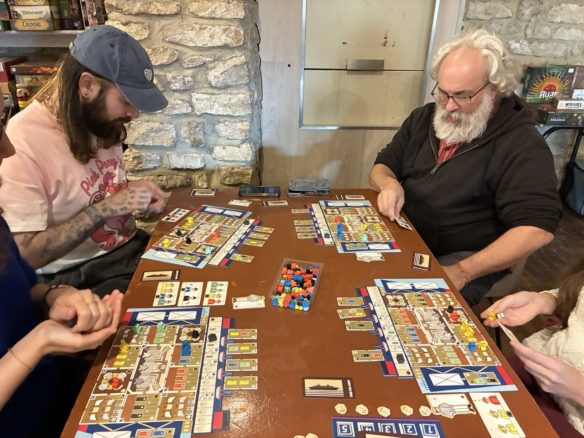
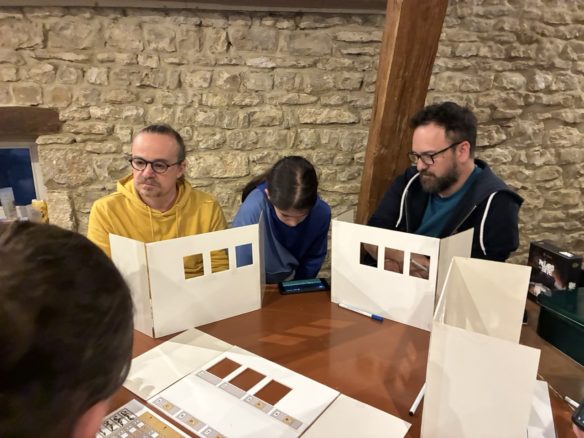
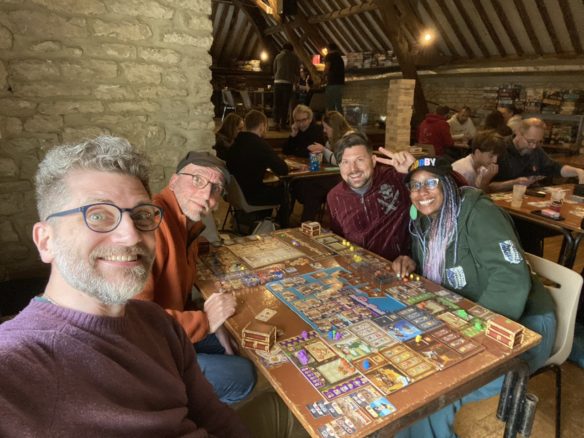
I also saw many games of The Gang, Duel for Cardia and Harmonies, but most of them were designers or publishers playtesting future possible expansions. There were about thirty boardgame designers around, and as many publishers, prototypes were everywhere, some of them hard to distinguish from published games. I Noticed two main trends. Many card games were variations on trick taking games or on poker and used cards looking more or less like those in traditional card games – fewer climbing games, I think, which is good since I have one coming next year. I was surprised by the number of heavy looking games with oversized boards where players seemed to be placing workers of various shapes, sizes and colors on large spreadsheet cells. There were Tea and Rum, Kikai, Arctica and a dozen other ones. I thought, visibly wrongly, that the genre was on the wane. One of the most played prototype, and certainly the most mysterious, was Manu and Guillaume narrative game with its large white board.So many light card games and heavy management or adventure games, that it sometimes felt as if everything in between, middle-sized board games lasting a bit more than half an hour, had vanished.Strictly two player games wrer also largely absent, but this may be because we were many and wanted to play with everyone.
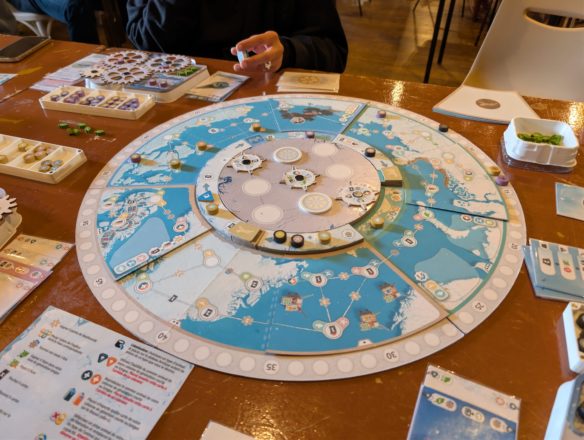
Les tableaux excel existent aussi en version circulaire. Circular excel sheets ?
Back from Etourvy, I discovered the 2026 nominees for the Gerrman Spiel des Jahres, still the best known and the most influential award. From the nine nominees, only three, Rebirth, Moon Colony Bloodbath and Mookie Island, were consistentlyt played in Etourvy. This clearly shows the variety, but also the diversity, of today’s boardgame design and publishing. There are so many good games that everyone, including my gaming friends and the Spiel jury, inevitably misses many of them.
We spent most of our time playing games, but still found some time for discussions. The week before, I had posted on Facebook about aphantasia, which seems to be extremely prevalent among boardgame designers and became one of the most discussed topic. We discussed the political ambiguities of the French boardgaming world, with publishing teams rather on the left and investors very much on the right. So far, the cohabitation seems to go smoothly. Like last year, we talked about the growing place of Asia in the hobby, in the market and in the design of boardgames; some even think that the US market will slowly get marginalized and that future of boardgames will be Euro-Asian. Several of the Etourvy attendees were flying the next day to the Tokyo Game Market. We discussed whether “narrative boardgames” were there to stay or were just a passing fad ; I used to think it was just a marketing discourse, an empty concept, but I was probably wrong. I listened to some stories of the world of « boardgame influencers »,about which I knew nearly nothing, and was surprised to learn that their competition is far less benevolent than that between designers or publishers; it reminded me of Henry Kissinger’s saying about university scholars, between whom hatred « is so vicious because stakes are so small ». Surprisingly, while last year everyone was talking AI, the subject was largely ignored this year, either because boardgame design has so far not been really affected, or because many people, like me, still change their mind on the topic two or three times a day.
That’s all for this year. Please tell me if I forgot something worth mentioning, and see you next year. I hope everyone went home safe, and those who were flying to Tokyo the next day slept well in the plane.
I’ve waited a few weeks before posting this report, for several reasons. I wanted to enrich it with nice pictures, and decided to wait for Antoine’s photos, which I would only get after he came back from the Tokyo Game Market. I had also scheduled, one week after the ludopatic gathering, a few days in Antoine and Aline Vidberg’s cabin in the Jura mountains, which was an oportunity to give a try to some of the games I have only seen being played in Etourvy. I especially enjoyed Minikin City, Fliptoons, Fu Festive Fortunes, a double guessing and worker placement game about the Chinese New Year, and French Toast, a really fun party games which Pénélope had taken on the prize table in Etourvy. Next week, I will be at the German Game designers meeting in Göttingen, and might play a few other ones.
After this report, you will find a selection of pictures from all attendees. Don’t be fooled, though, games are like people, some are more photogenic than others. The most photographed games are not necessarily the most played ones.
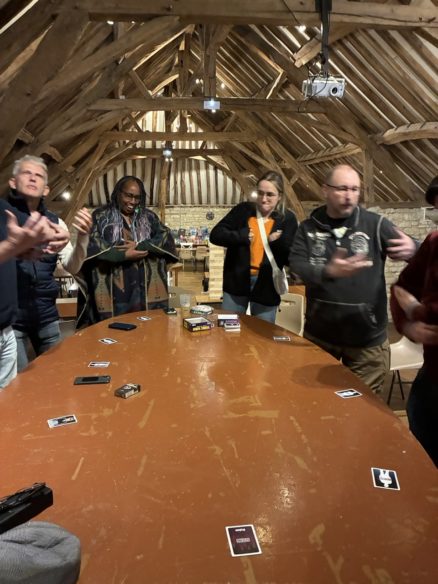
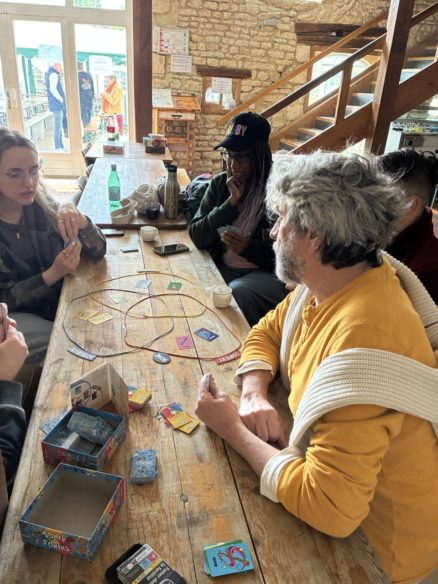
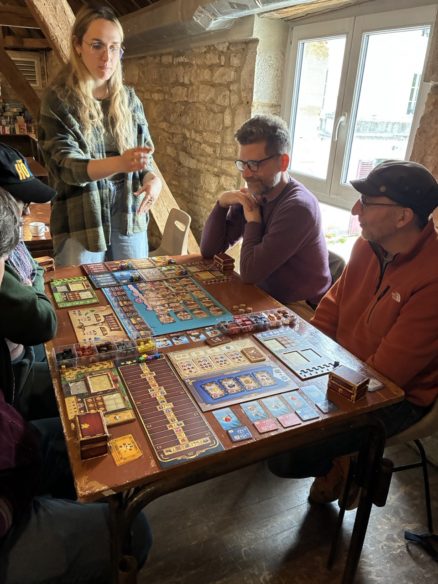
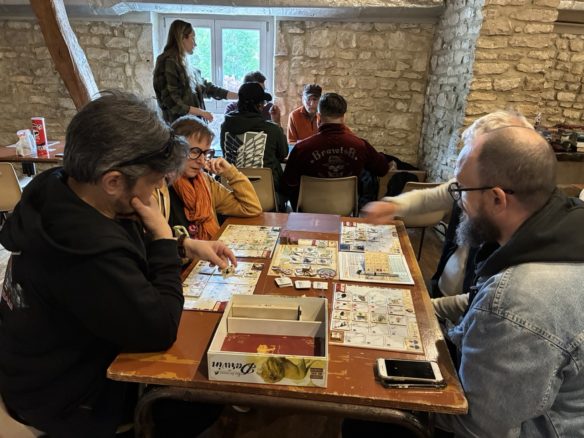
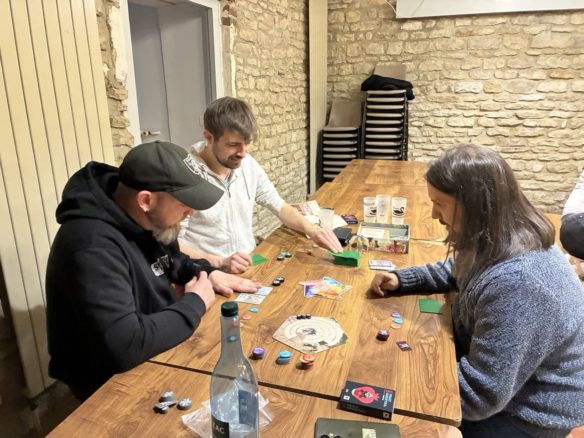
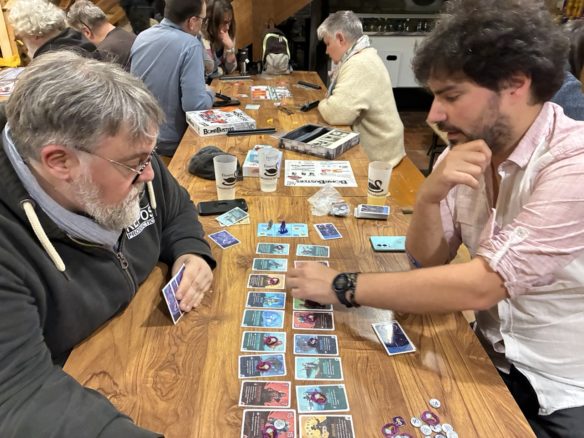
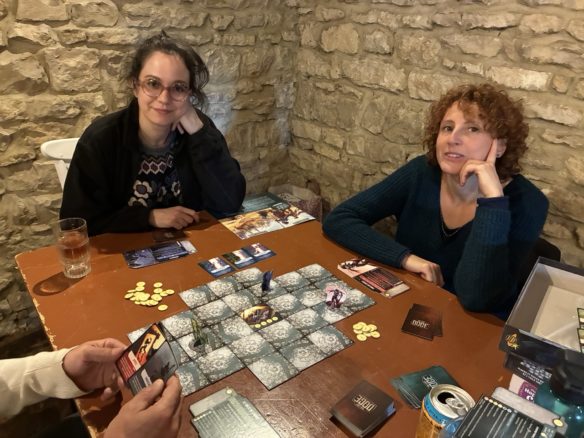
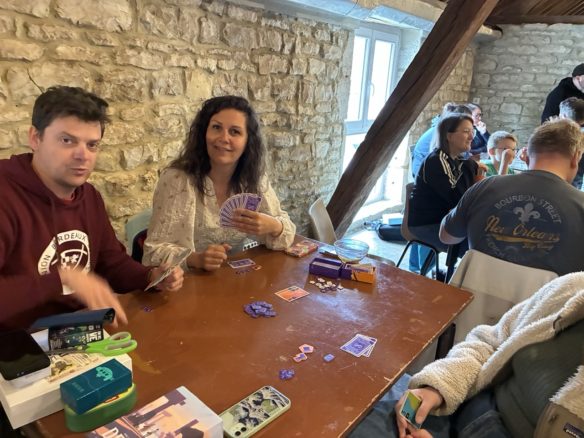
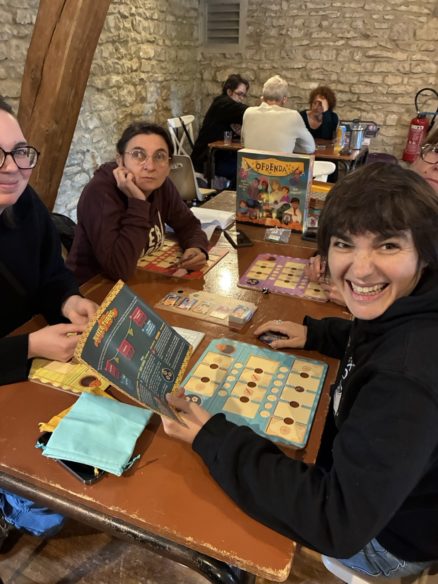
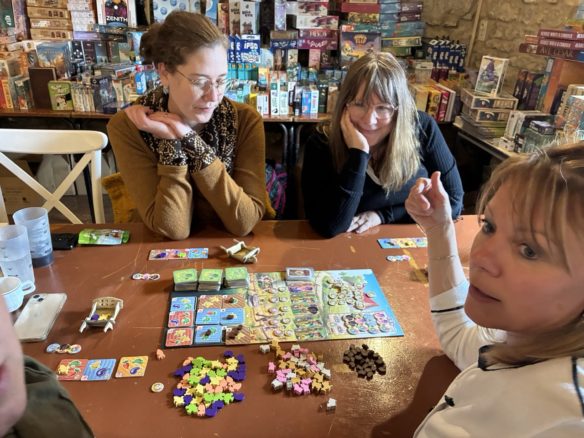
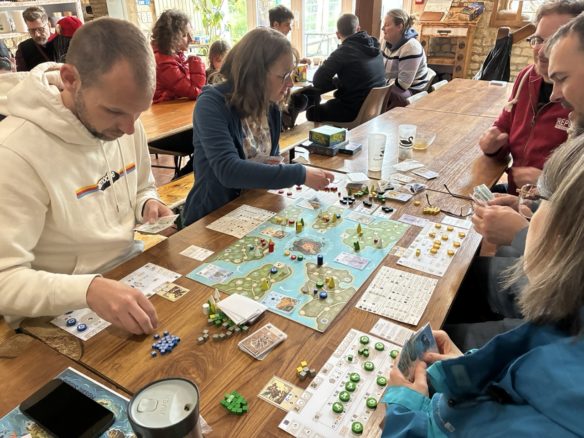
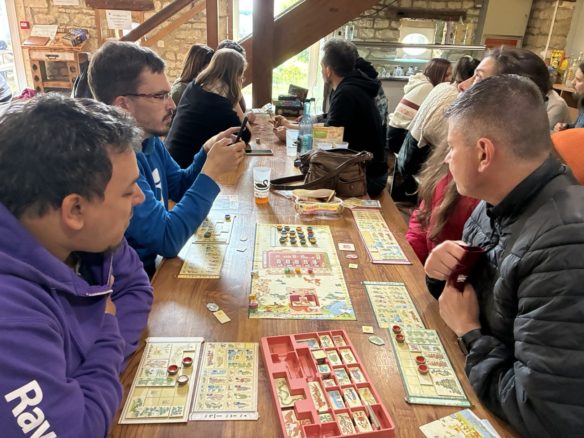
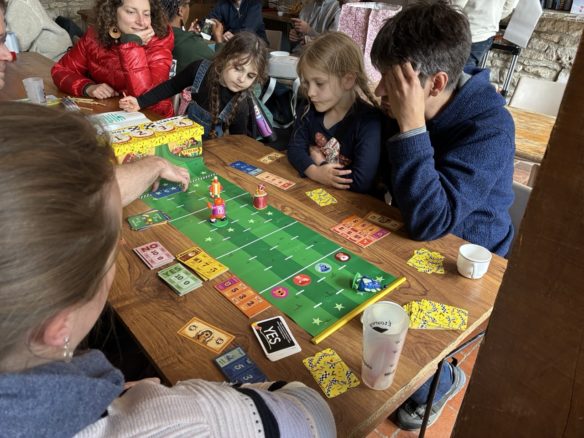
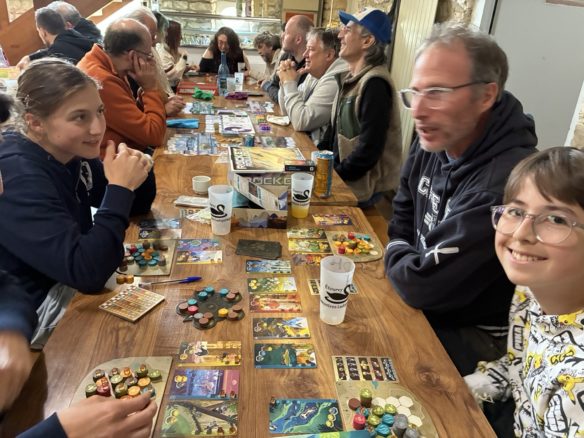
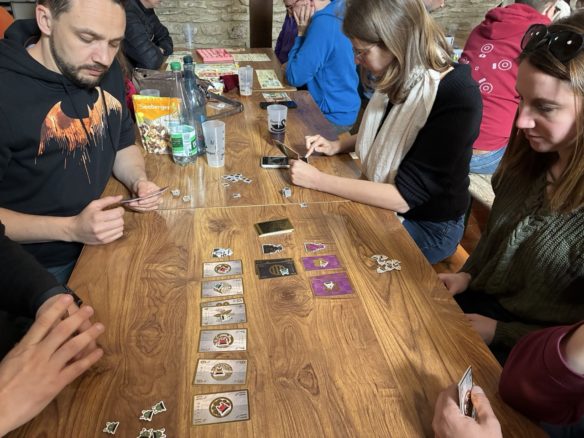
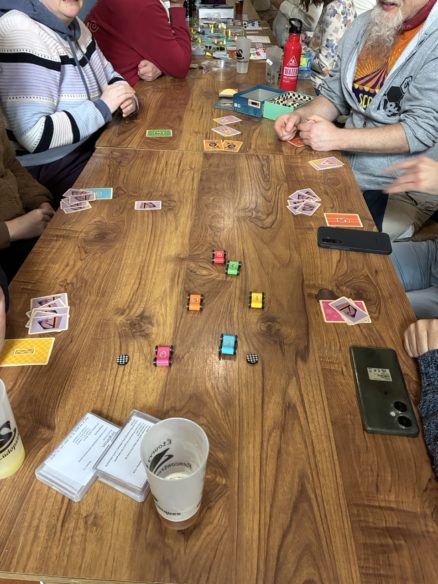
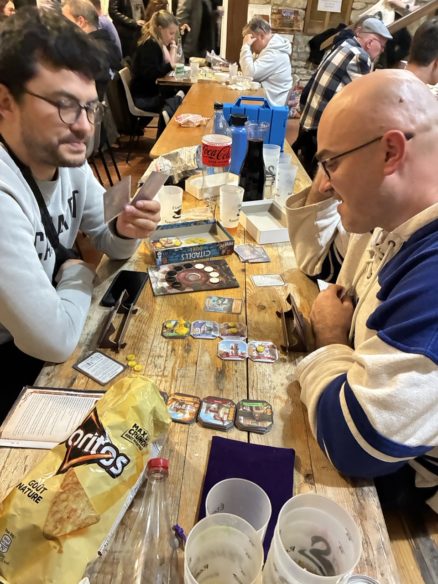
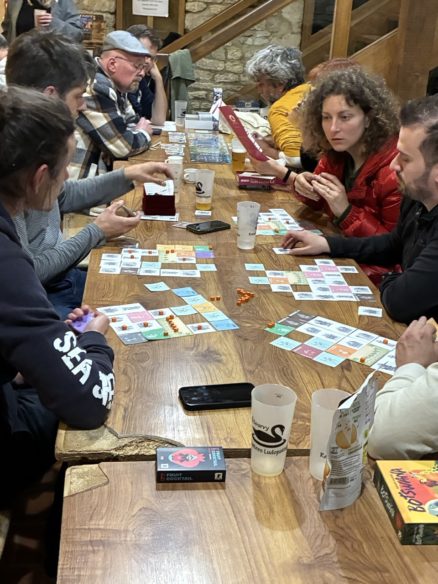
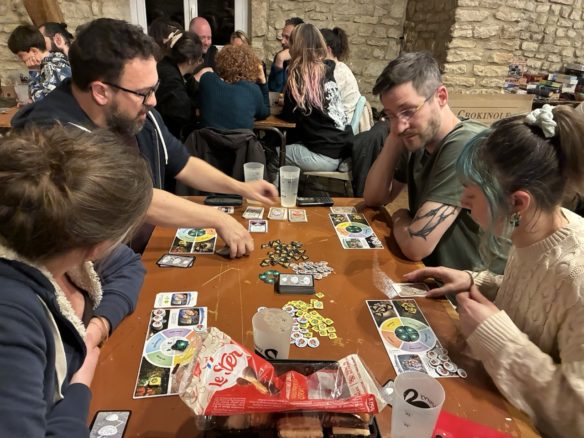
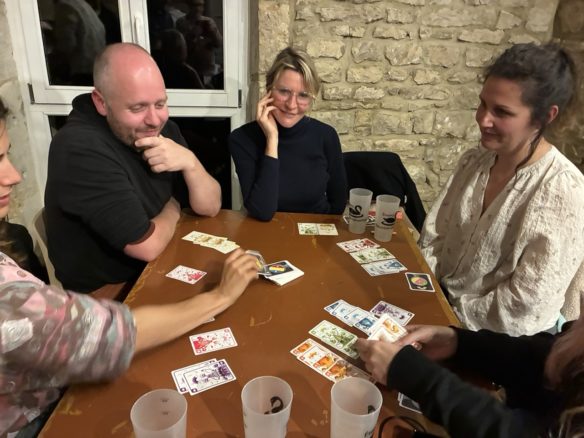
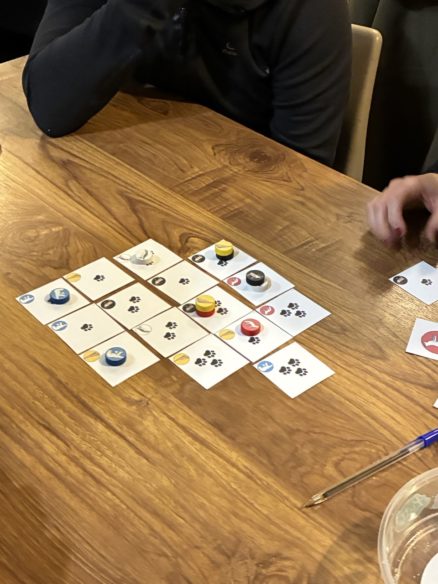
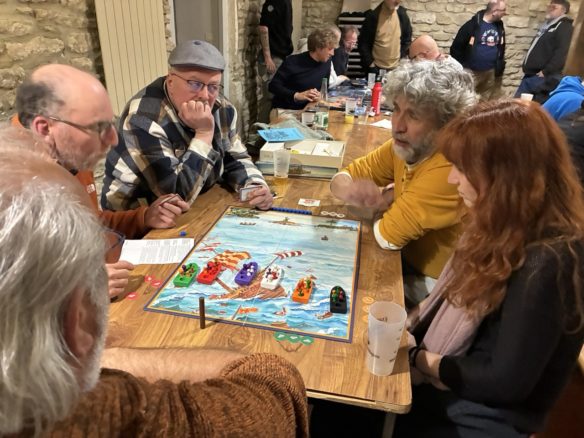
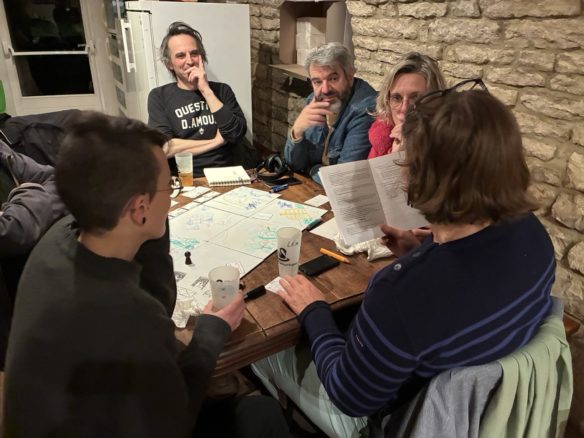
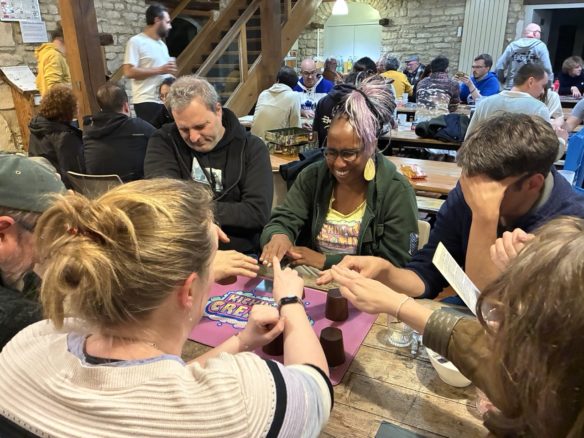
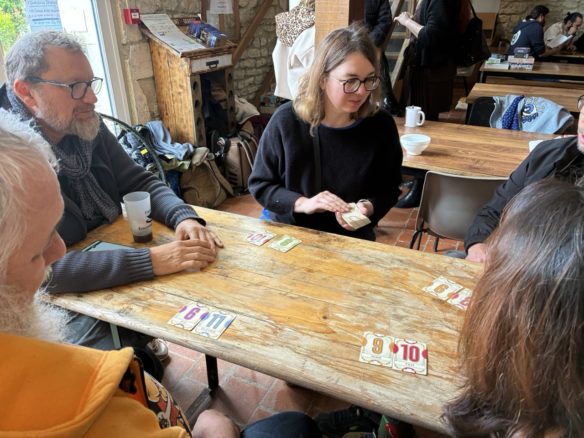
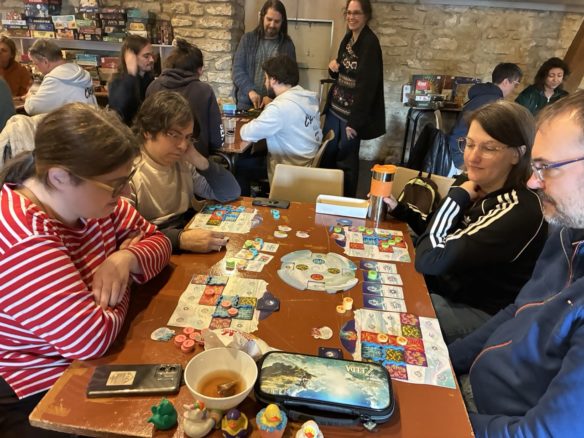
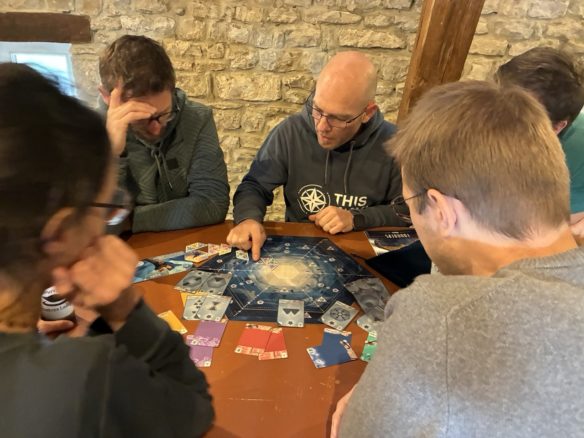
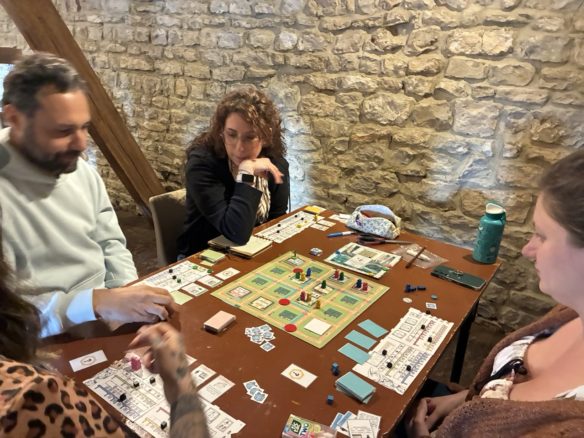
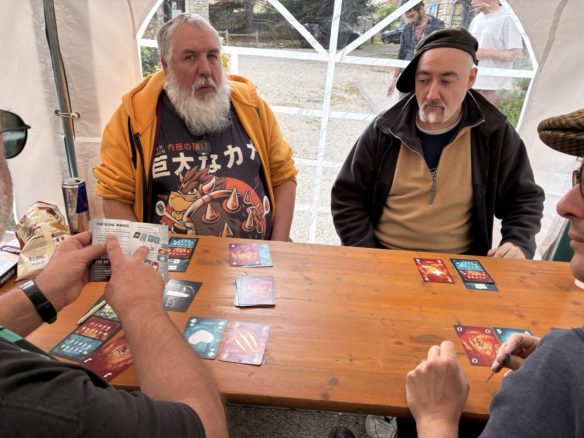
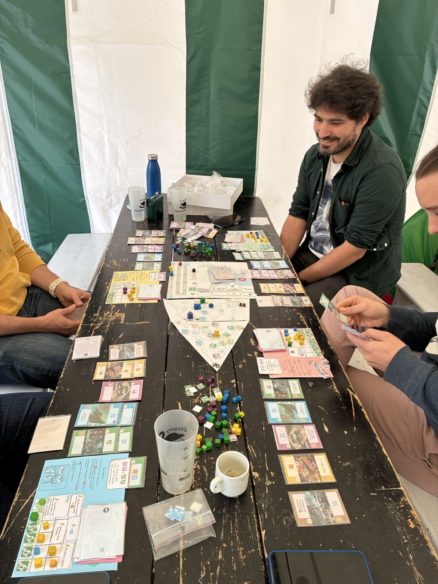
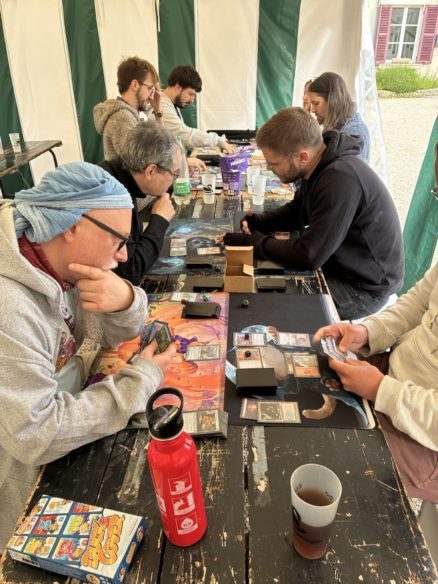
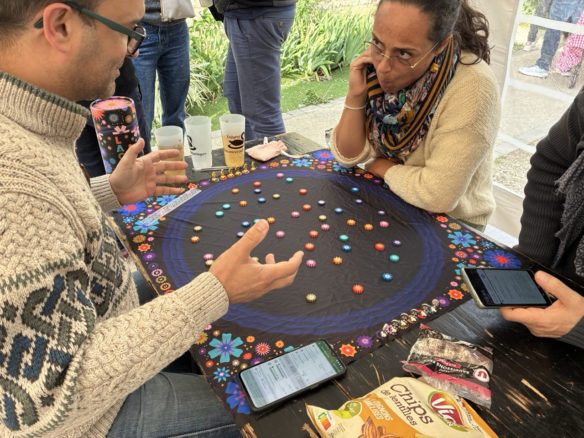
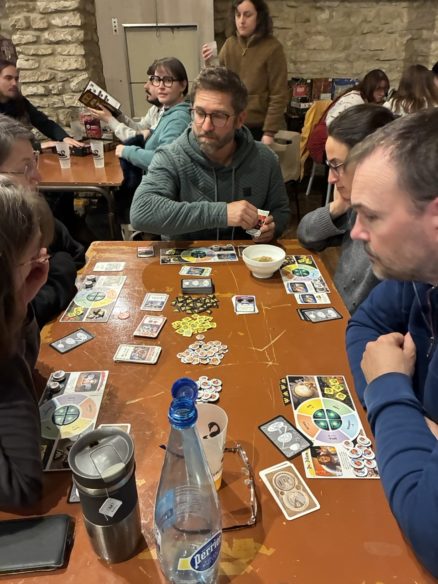
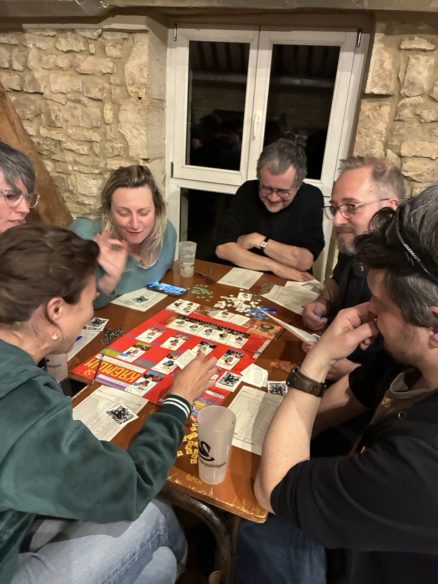
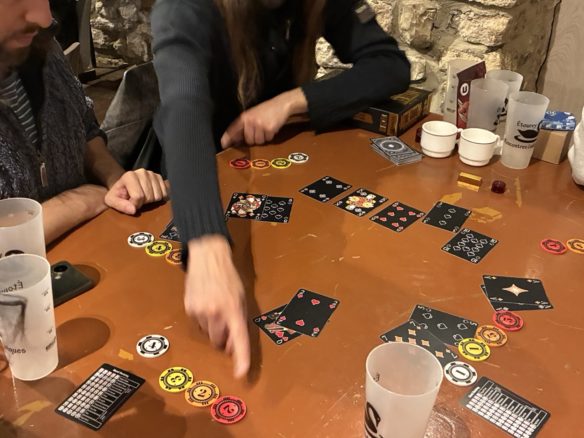
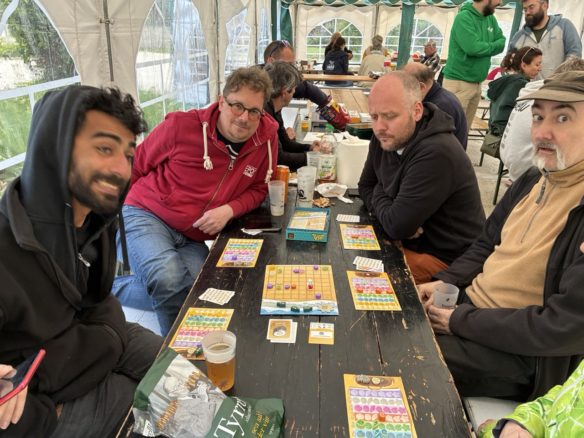
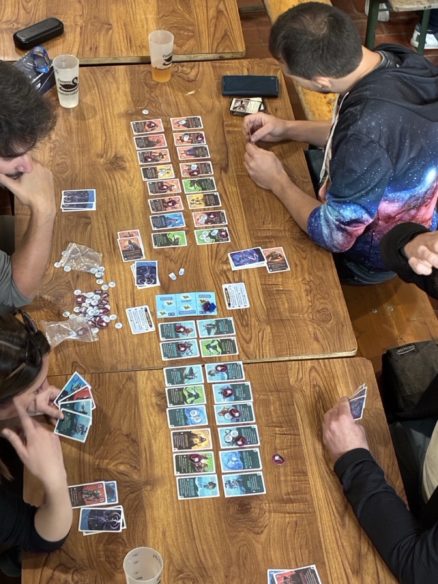
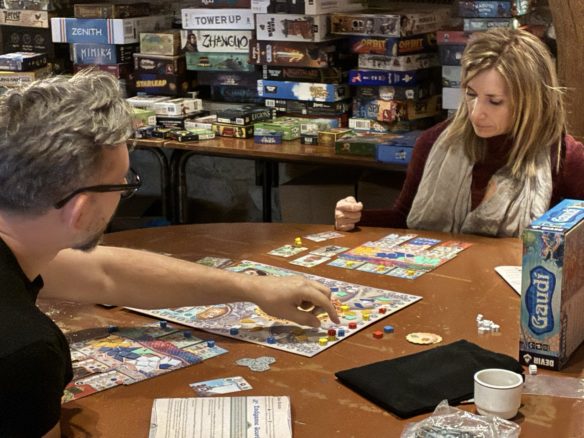
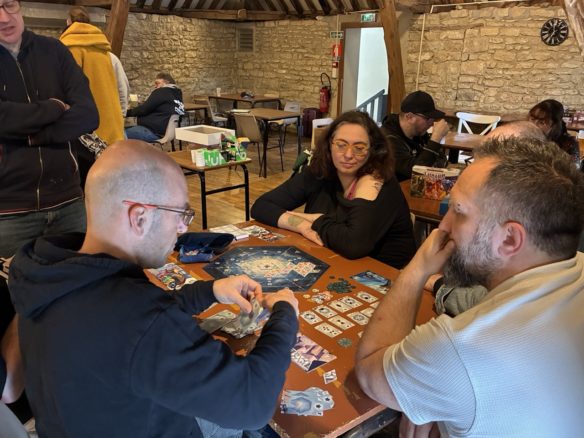
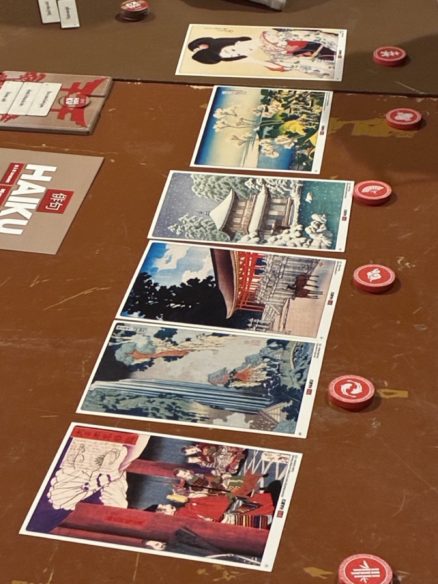
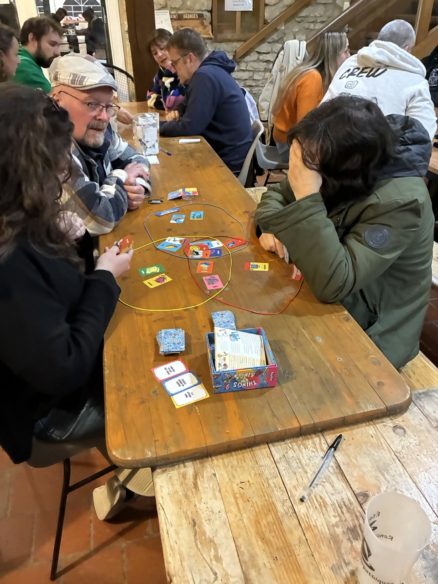
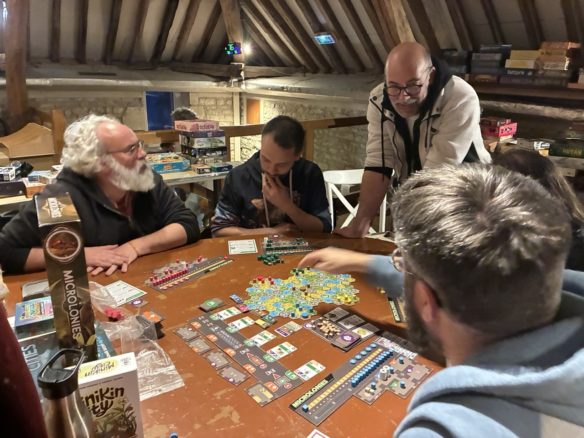
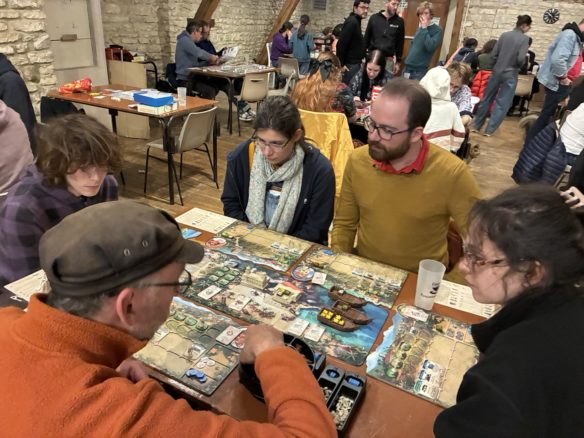
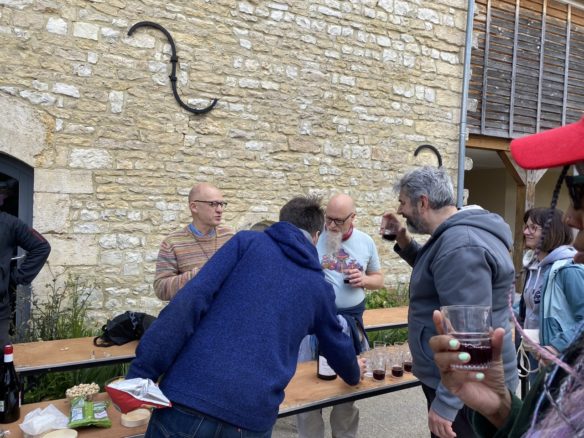
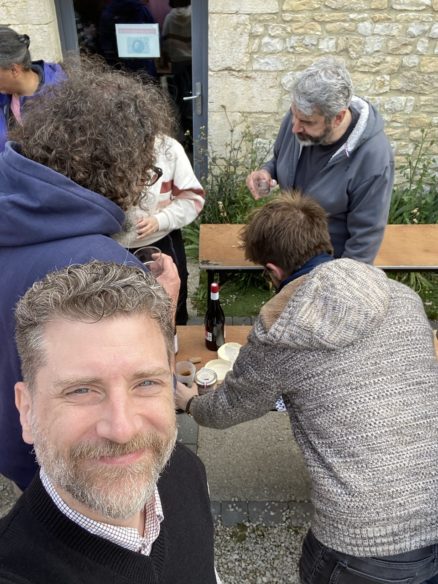
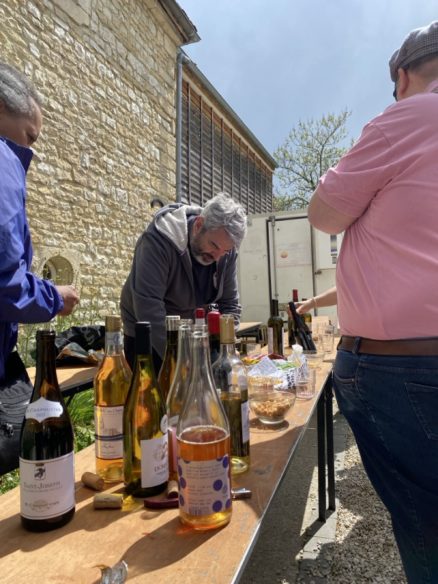
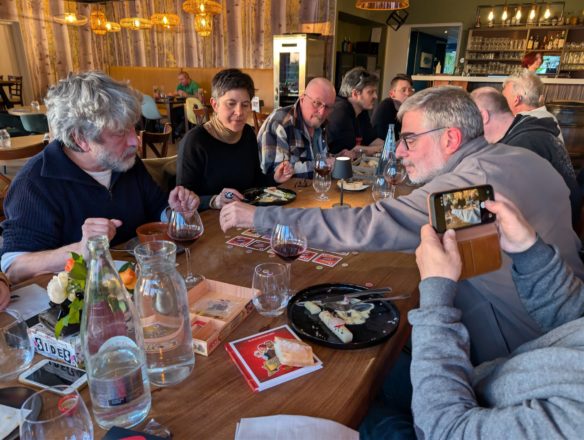
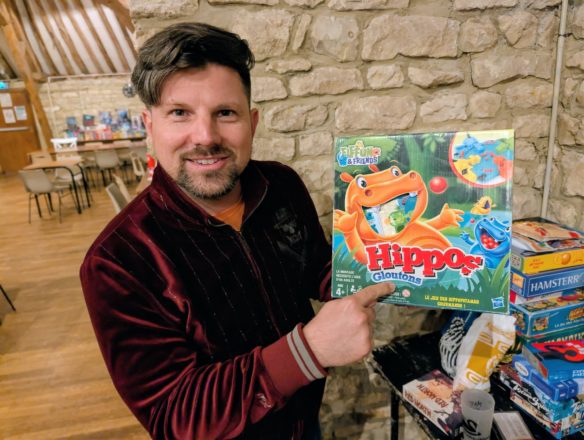
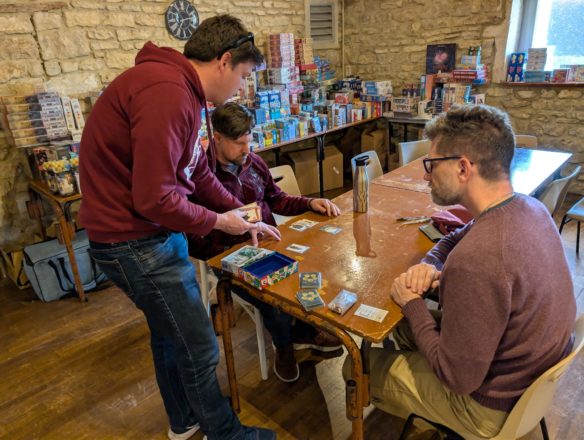
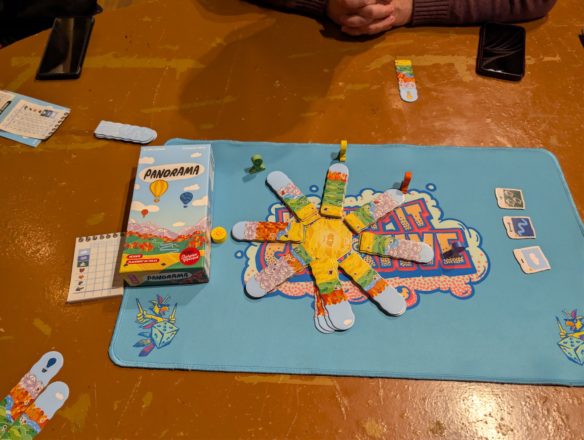
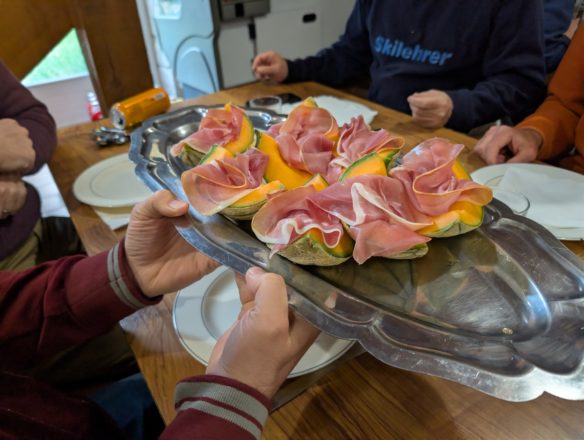
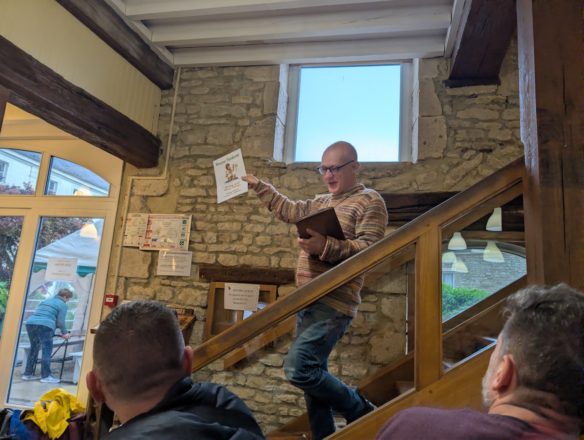
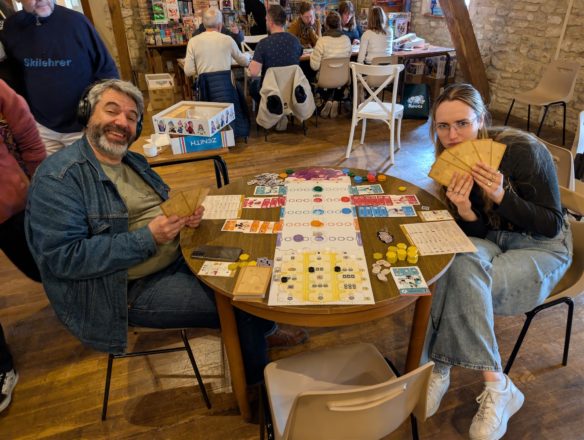
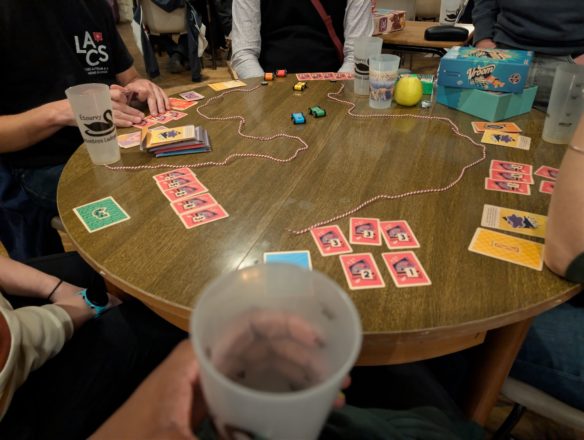
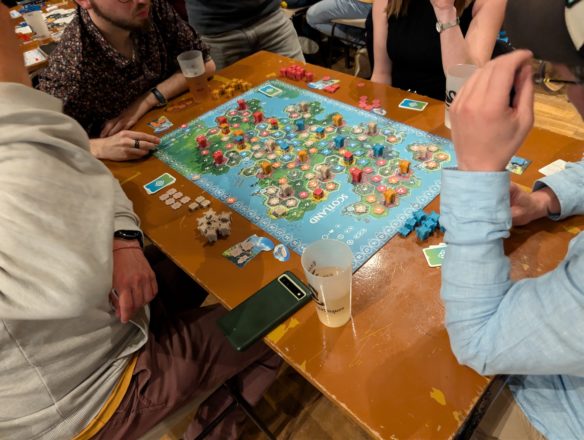
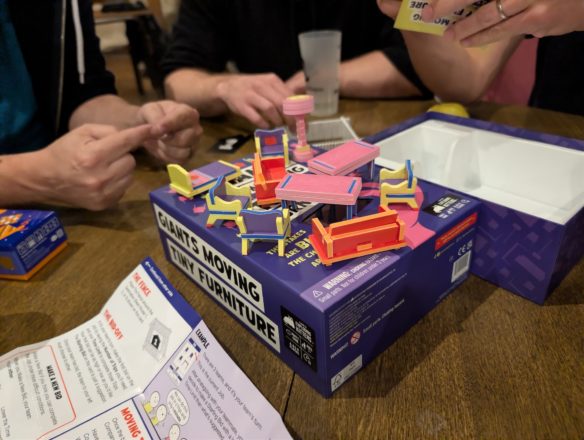
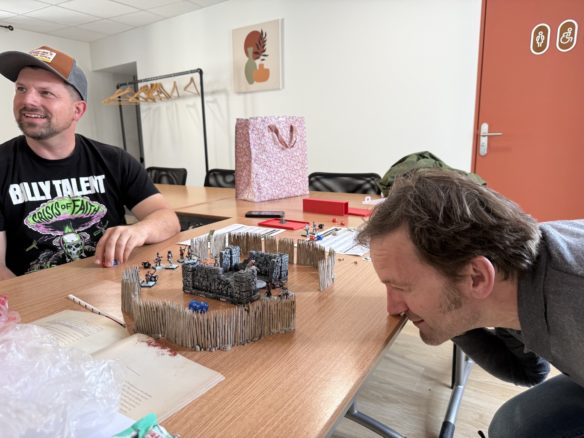
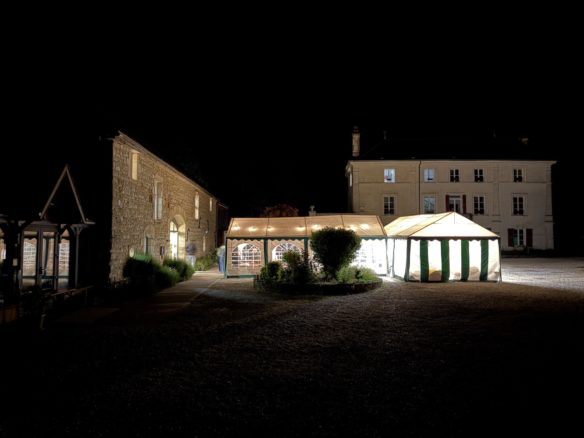
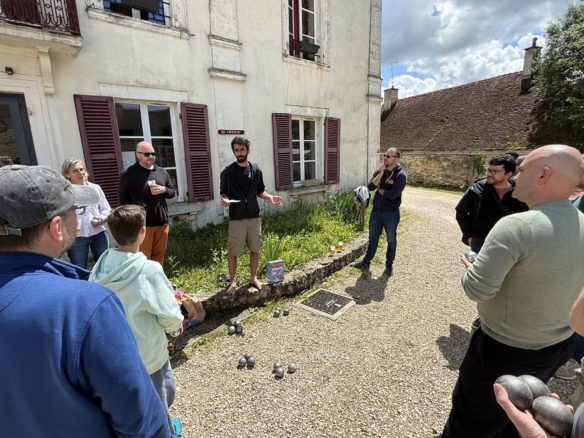
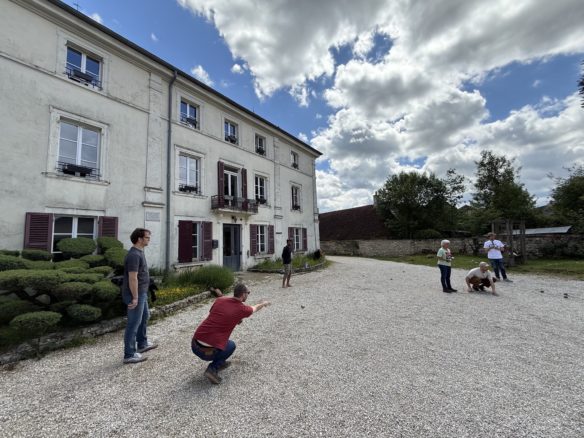
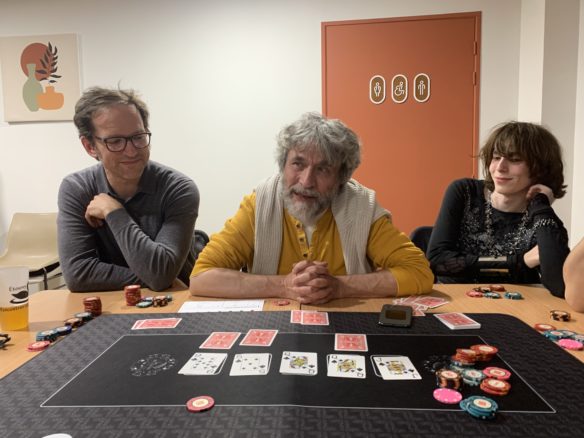
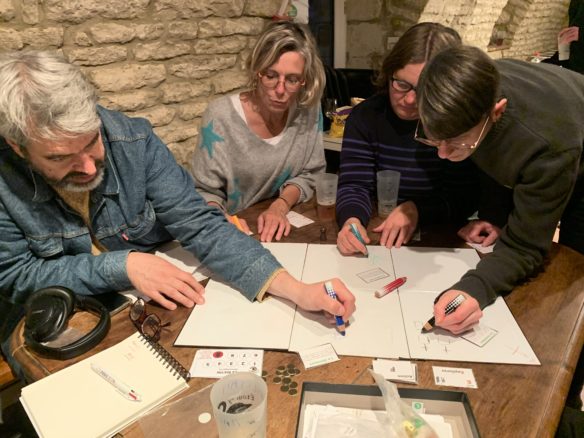
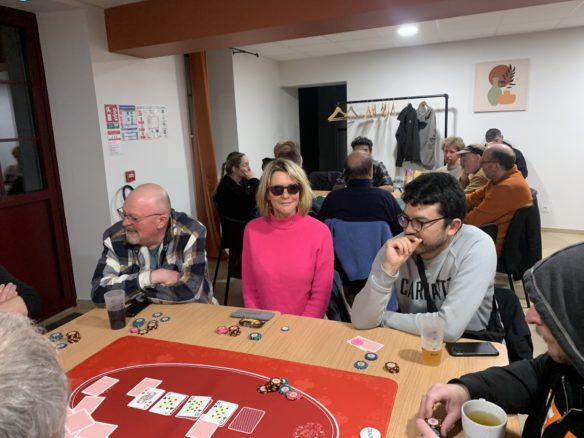
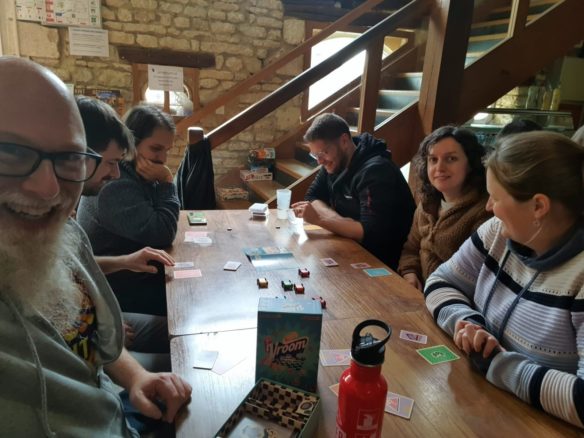
Mes photos, en ordre chronologique – My photos, in chronological order – part 1
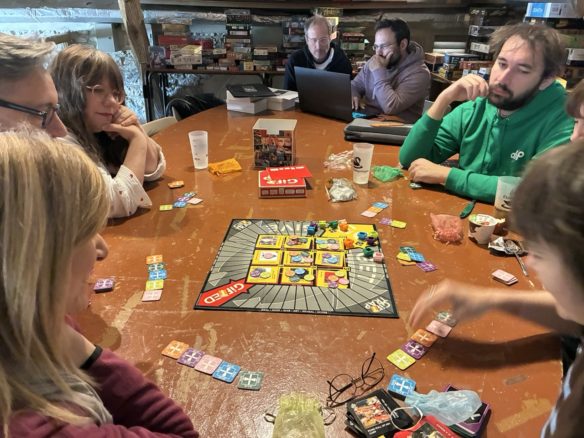
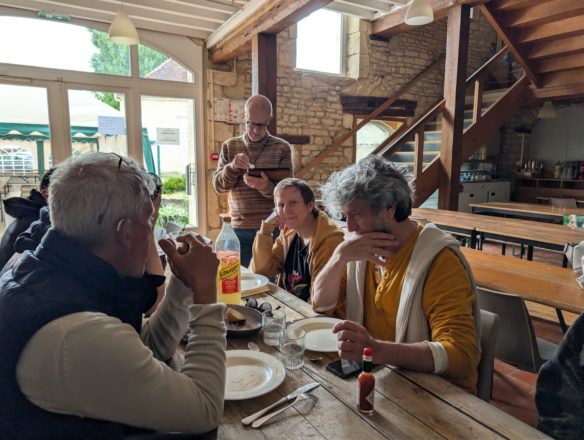
Mes photos, en ordre chronologique – My photos, in chronological order – part 2
Les photos de Dylan – Dylan’s photos
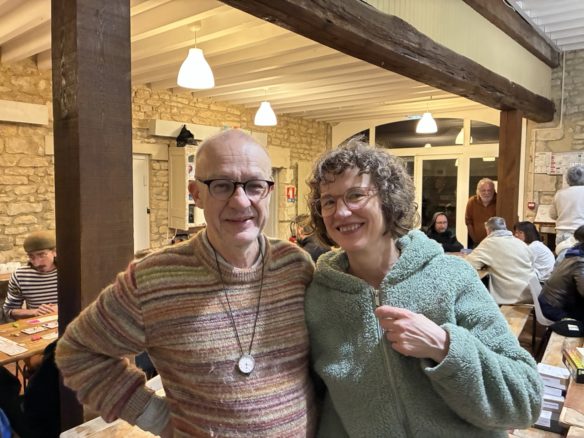
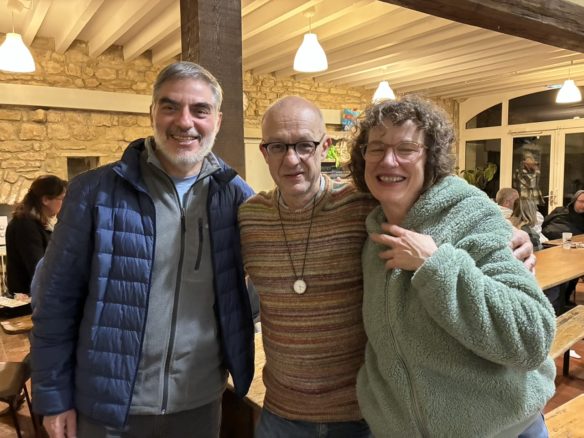
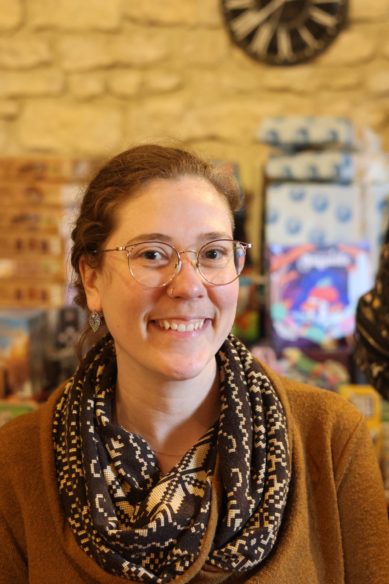
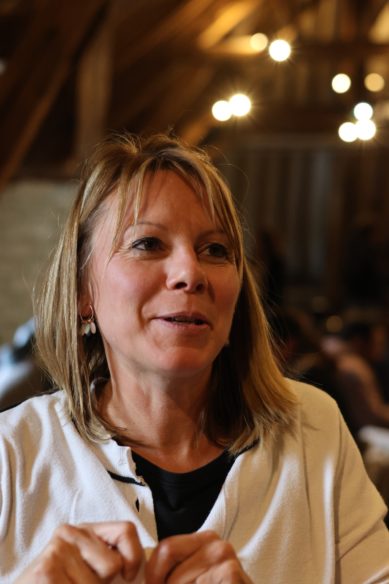
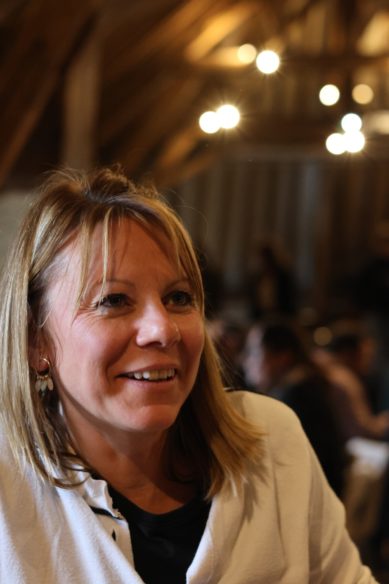
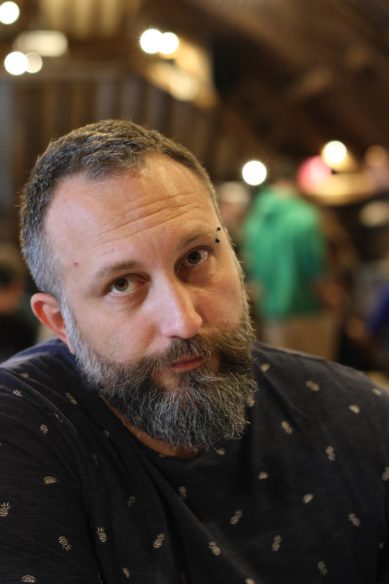
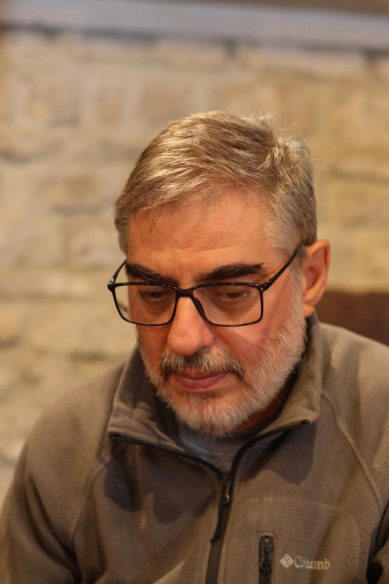
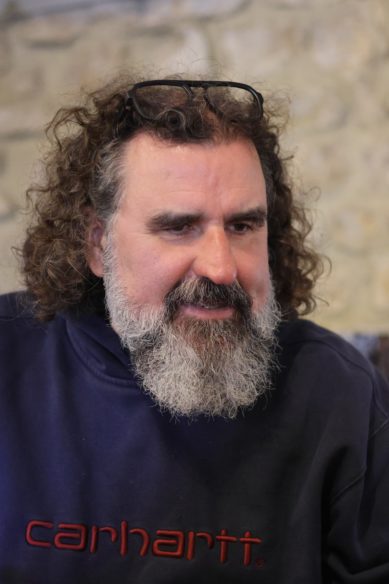
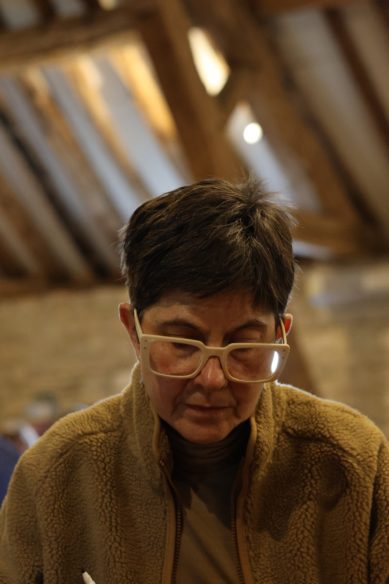
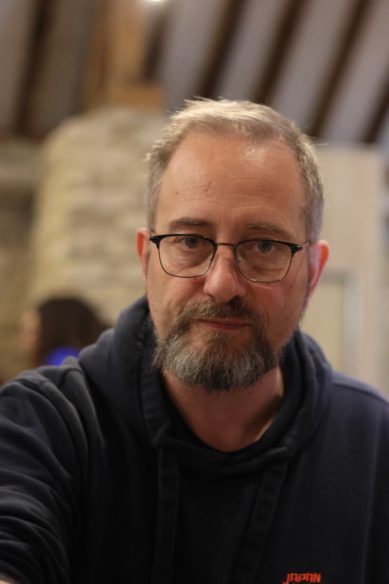
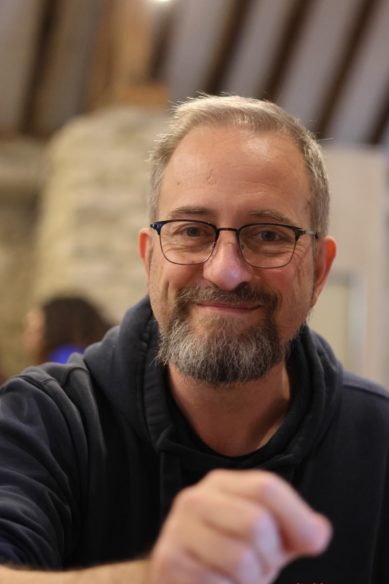
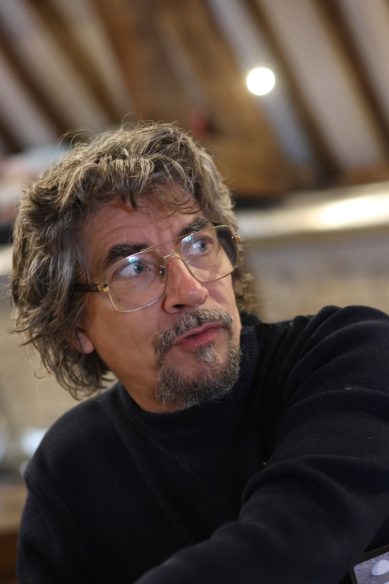
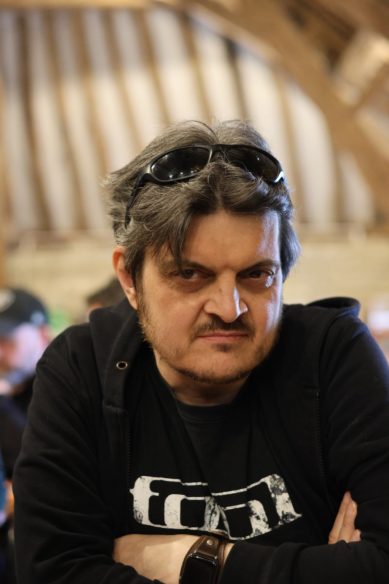
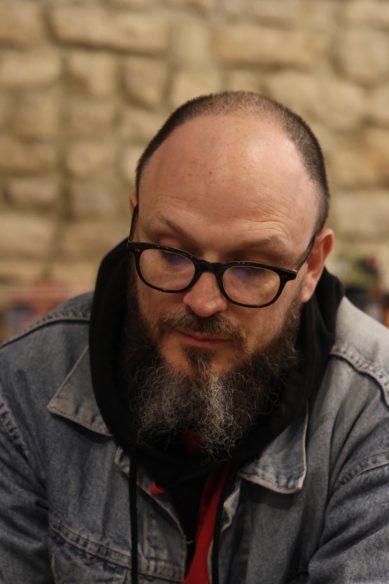
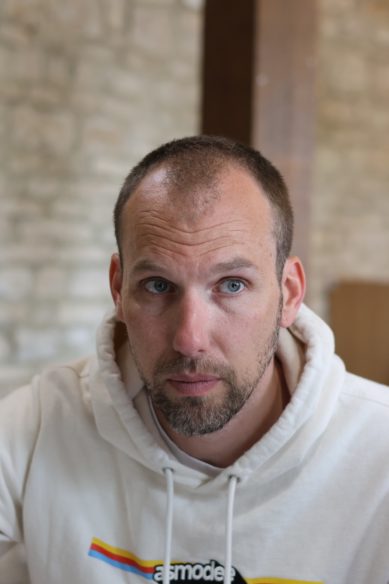
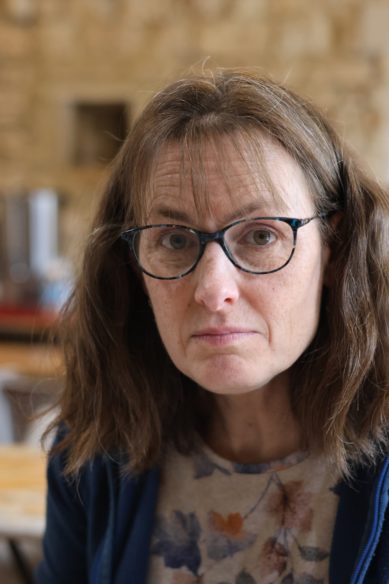
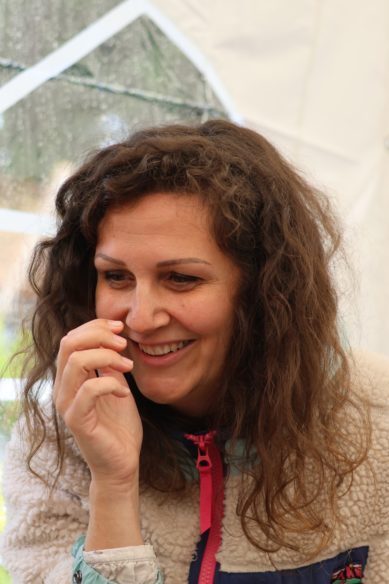
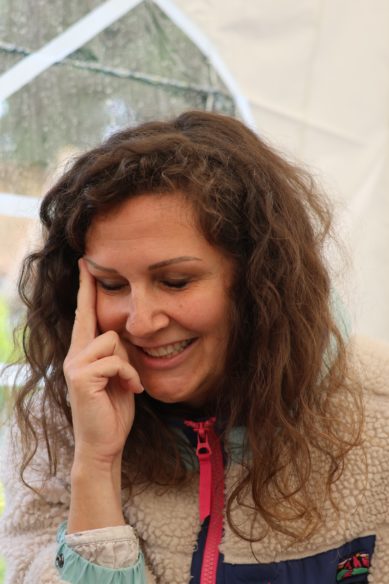
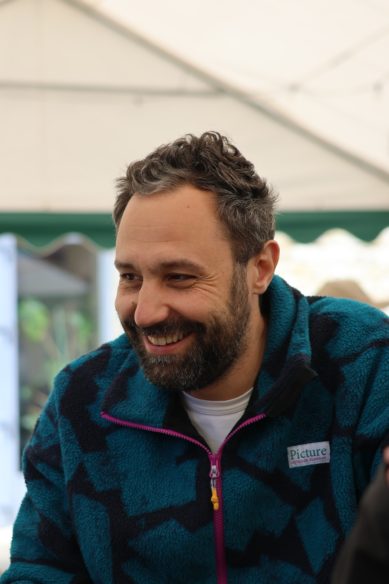
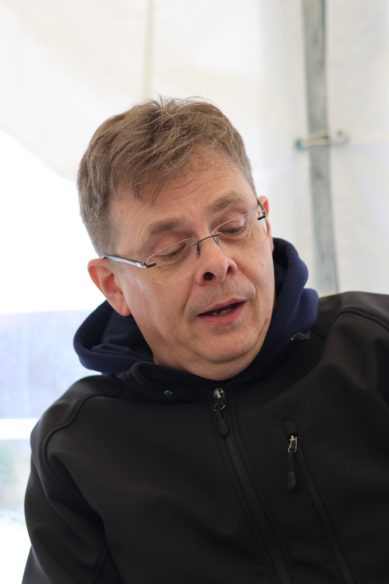
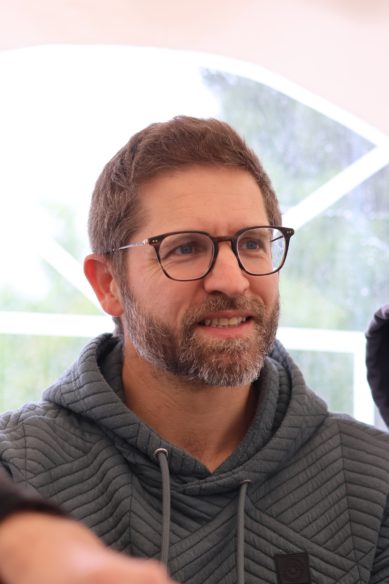
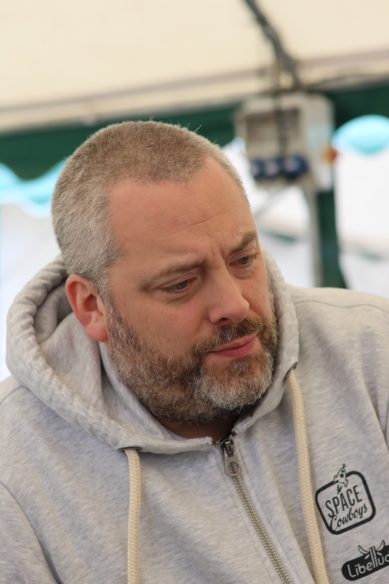
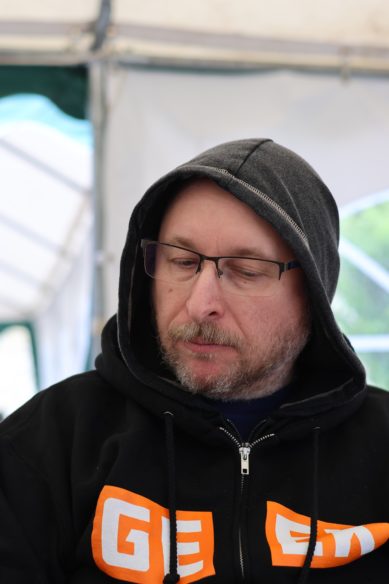
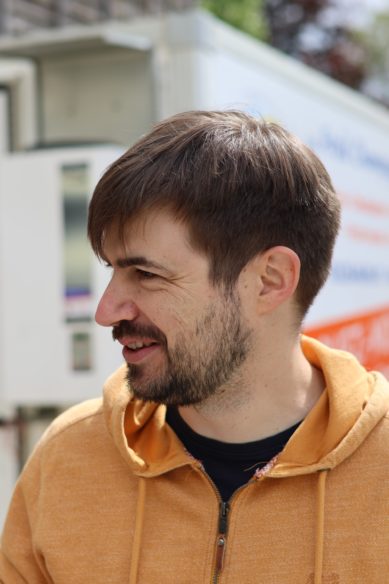
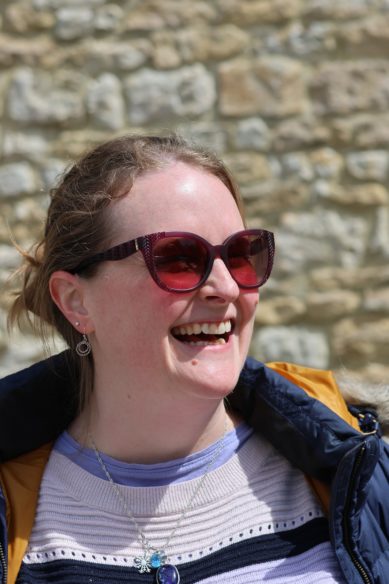
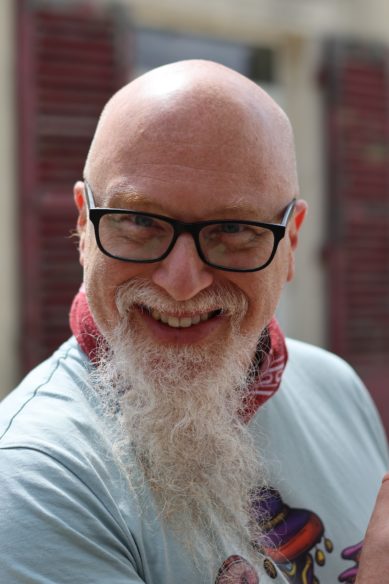
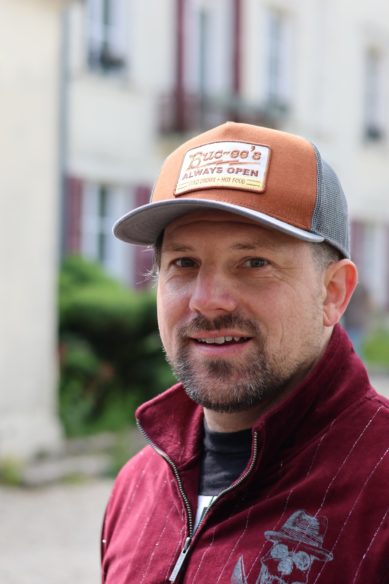
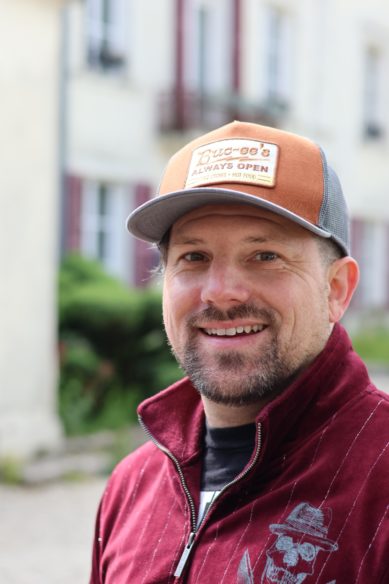
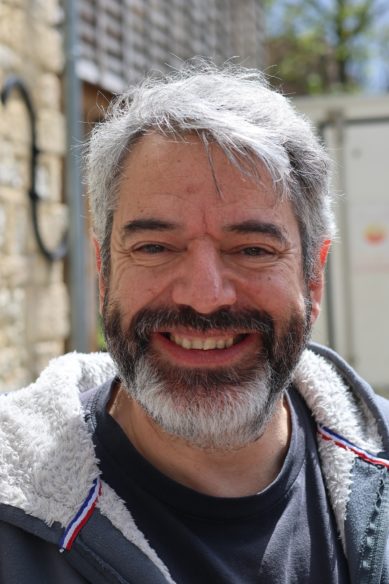
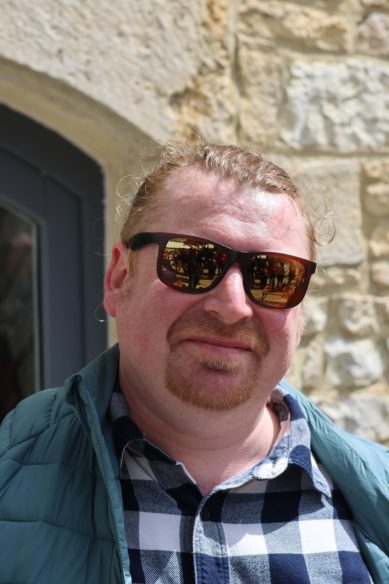
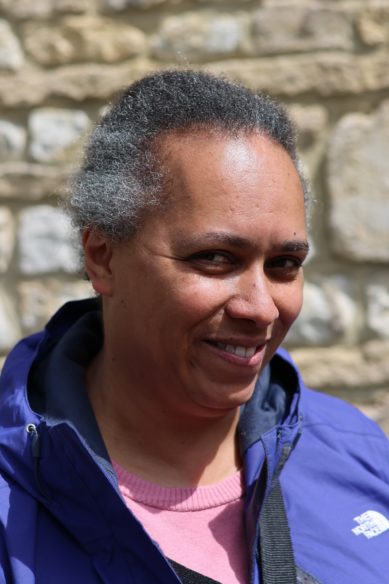
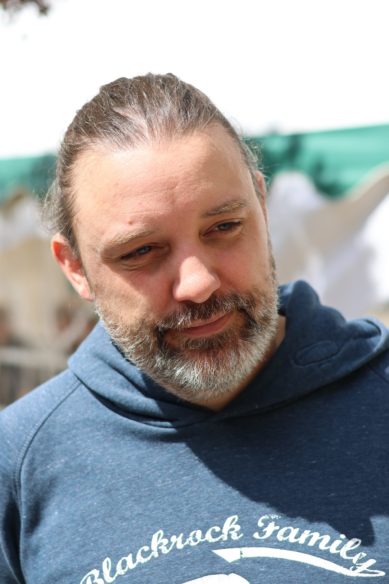
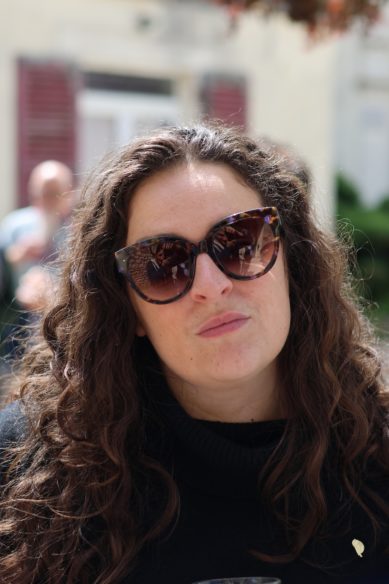
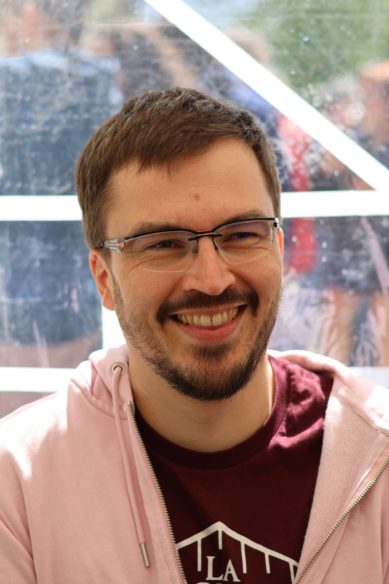
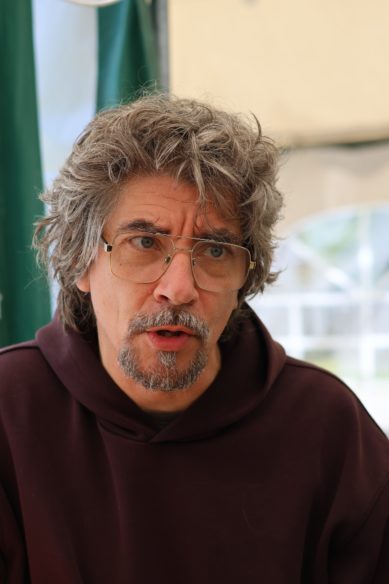
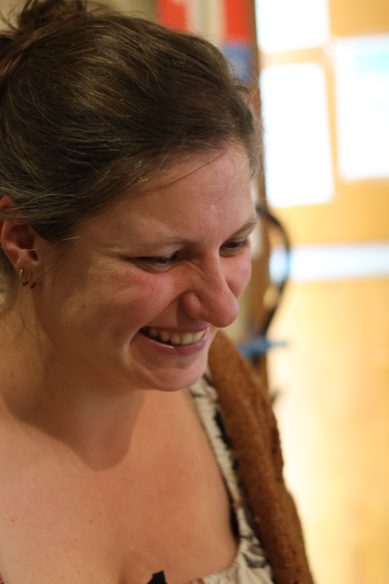
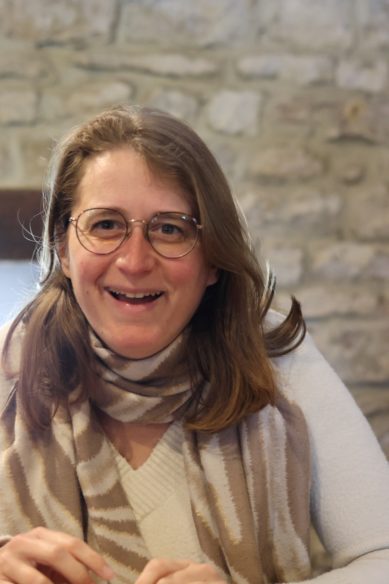
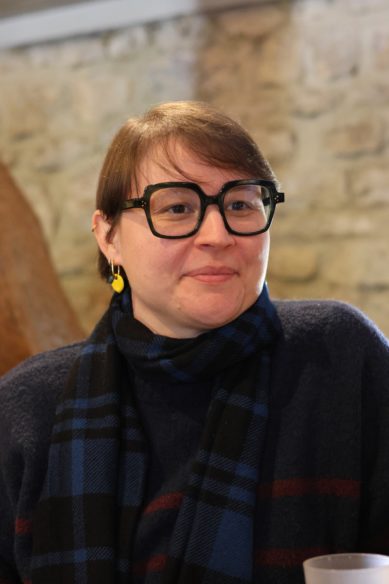
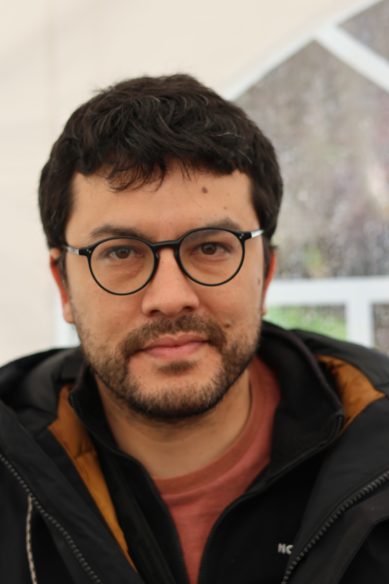
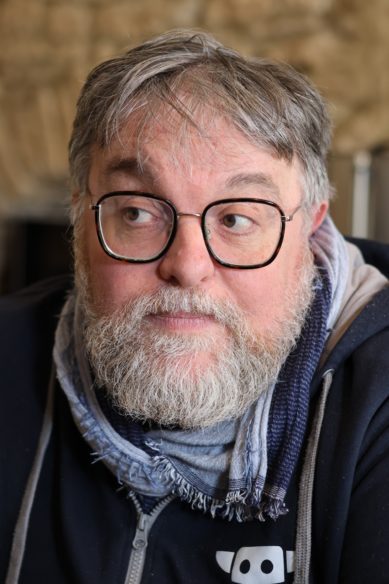
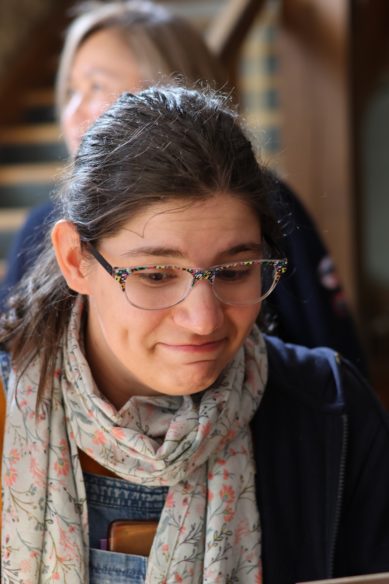
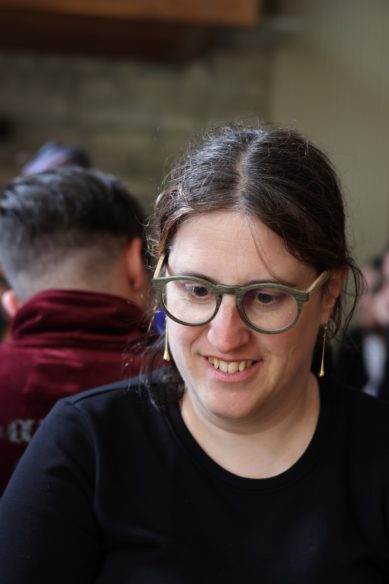
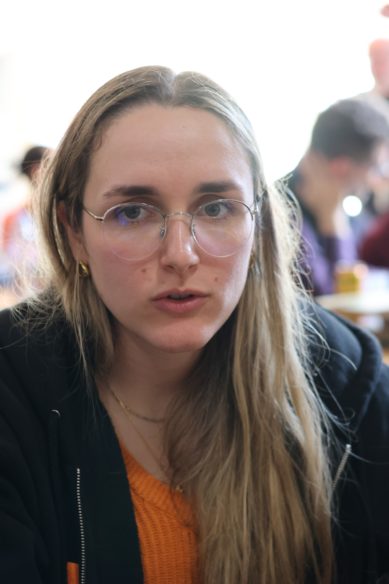
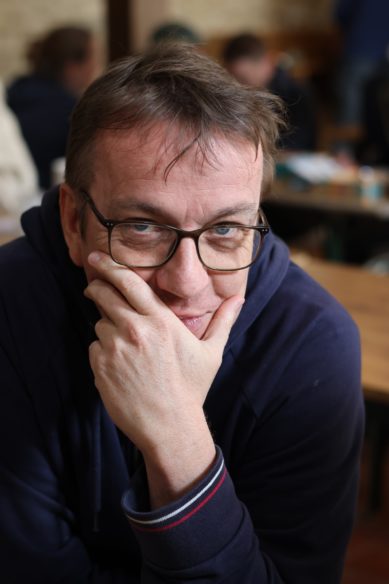
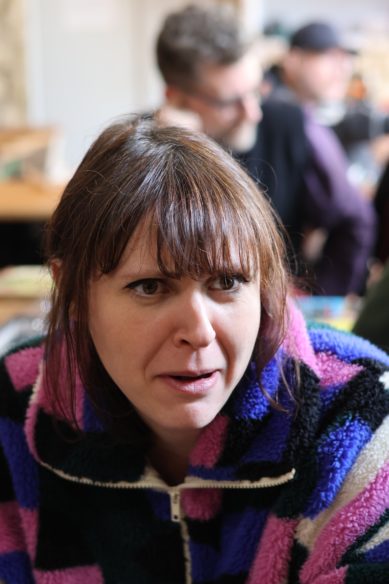
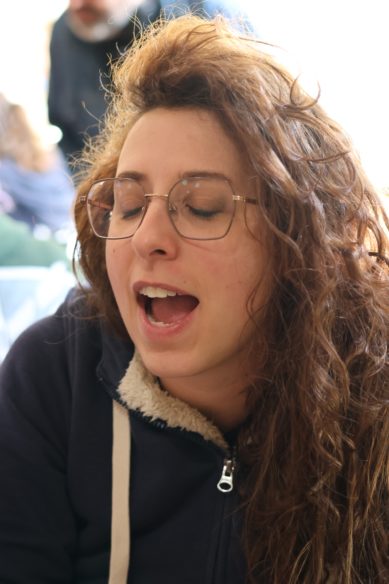
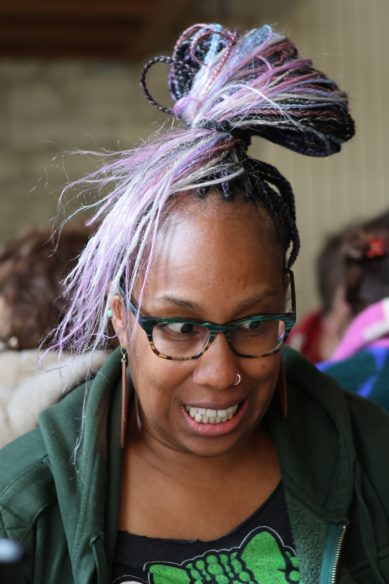
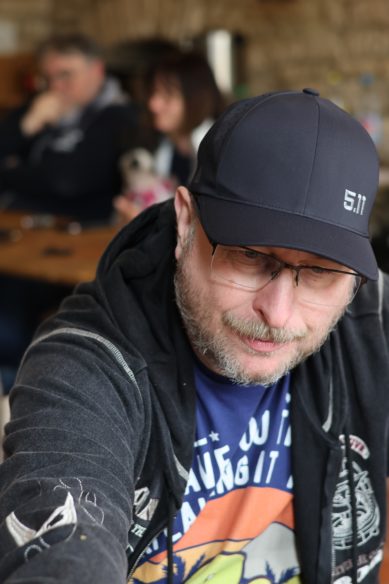
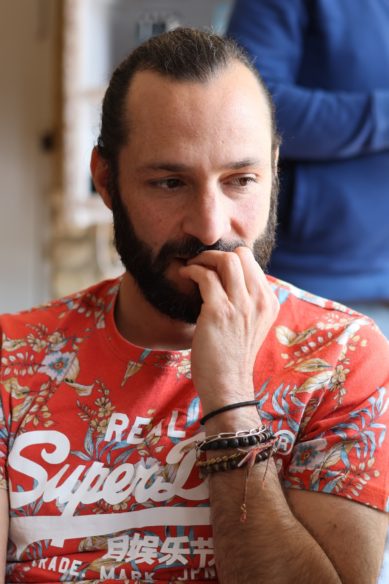
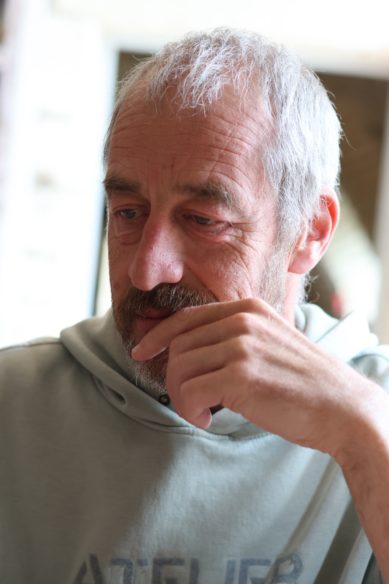
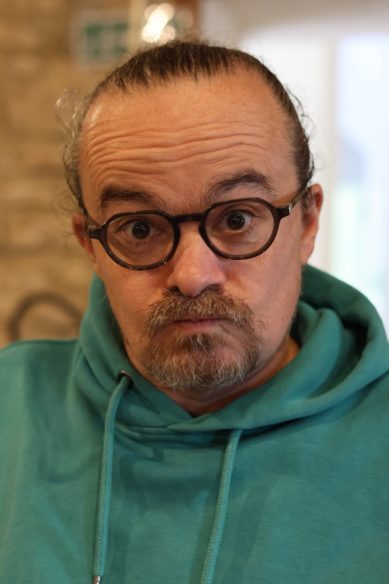
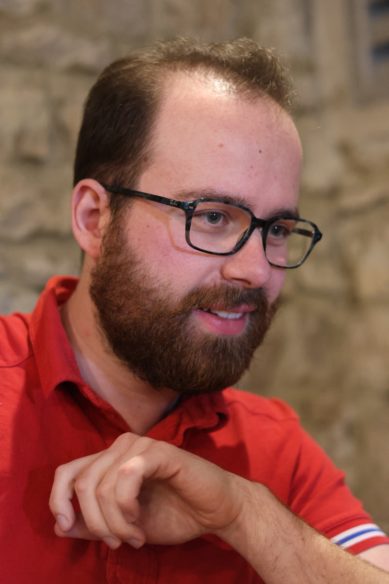
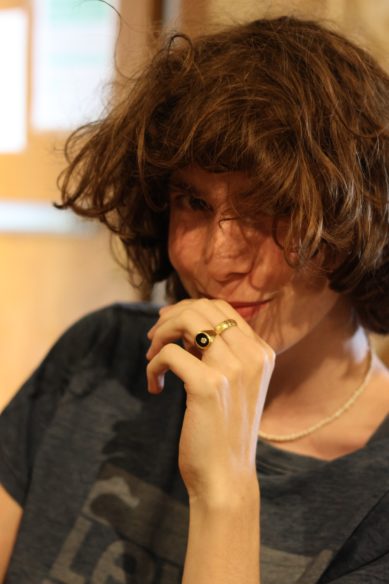
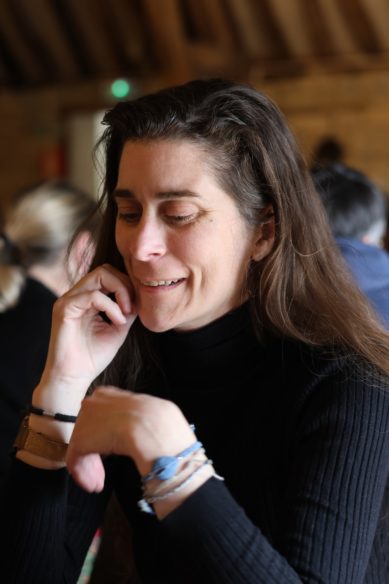
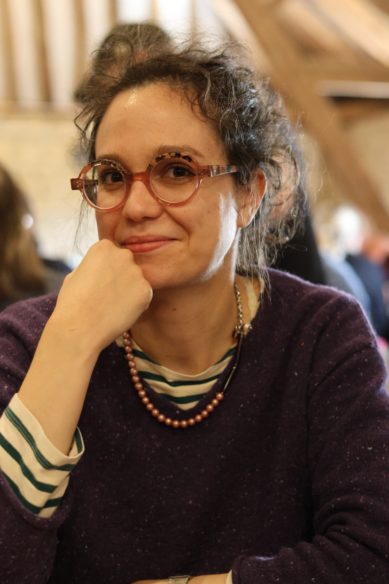
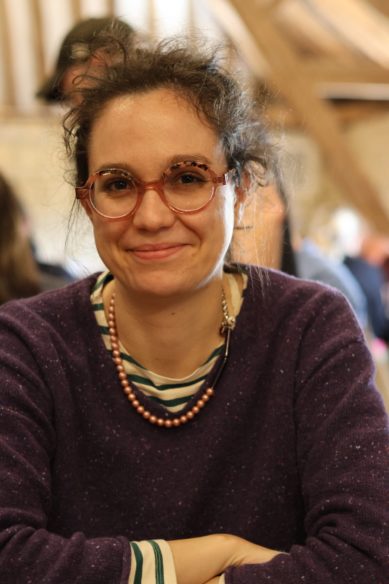
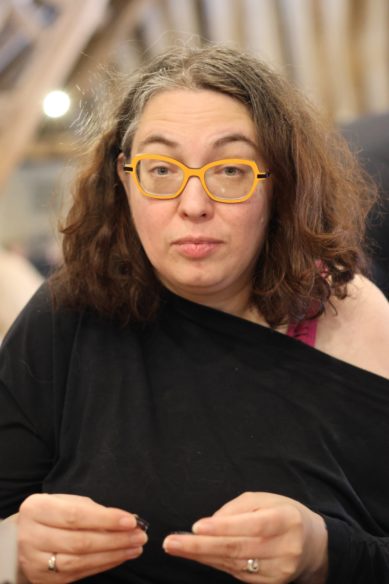
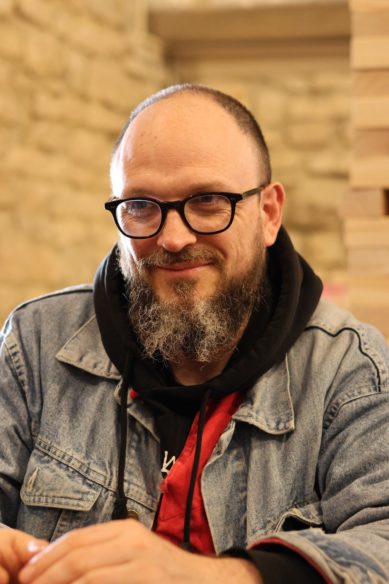
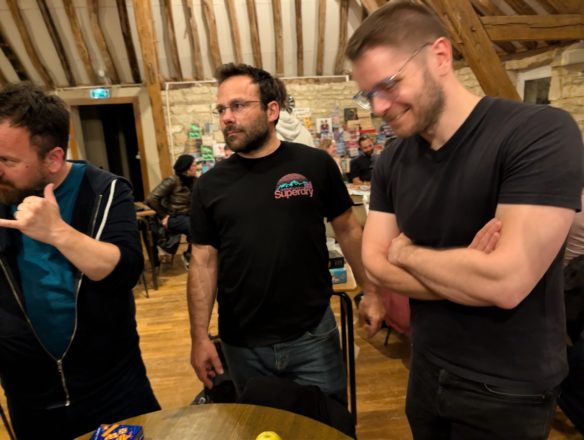
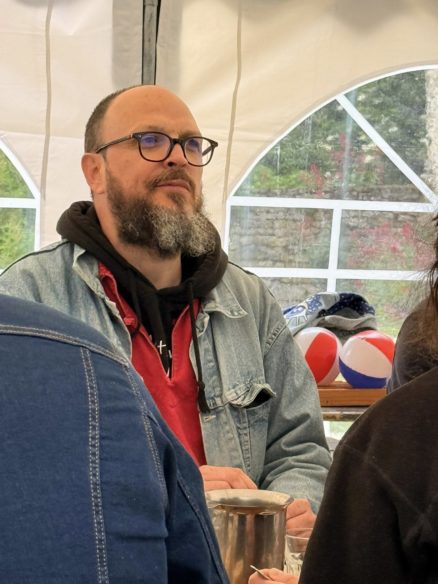
Les portraits d’Antoine – Antoine’s portraits
Les photos de Seb et Ghislain à la Murder Party – Seb & Ghislain photos of the Muder Party
Les photos de Candice – Candice’s Photos
Les photos de Sophie et Mel – Mel & Sophie’s photos
Les photos de Nathalie, Maud et Sven – Maud, Nath & Sven’s photos
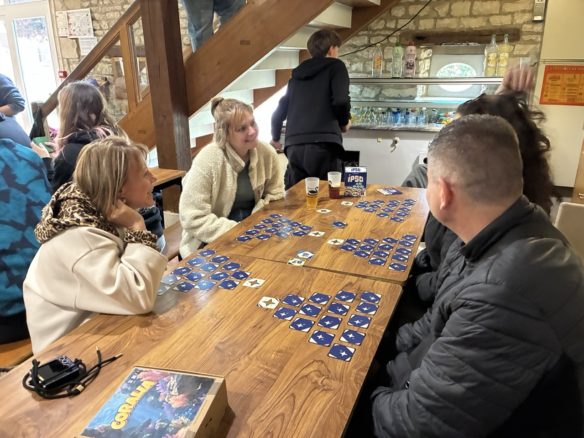
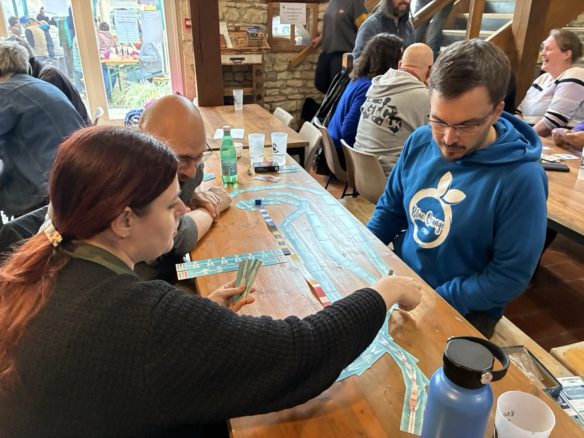
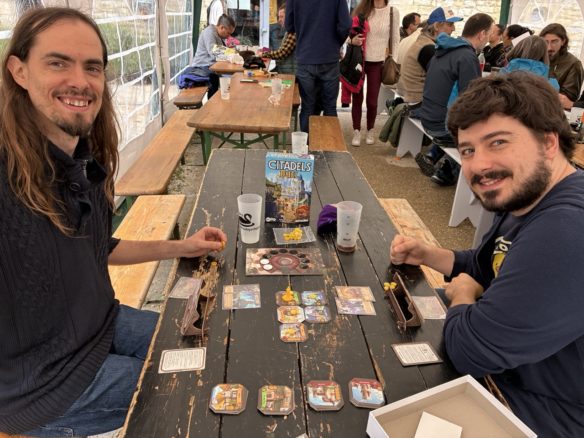
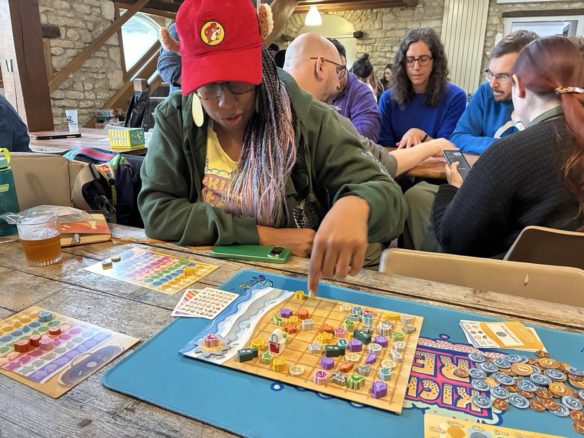
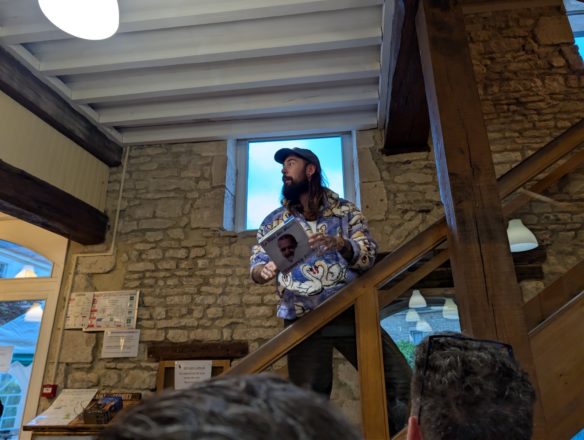
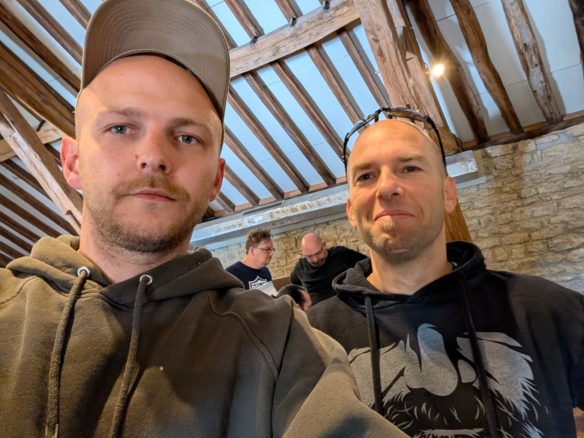
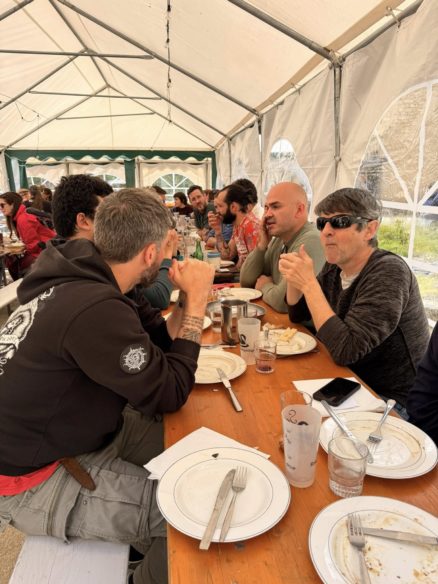
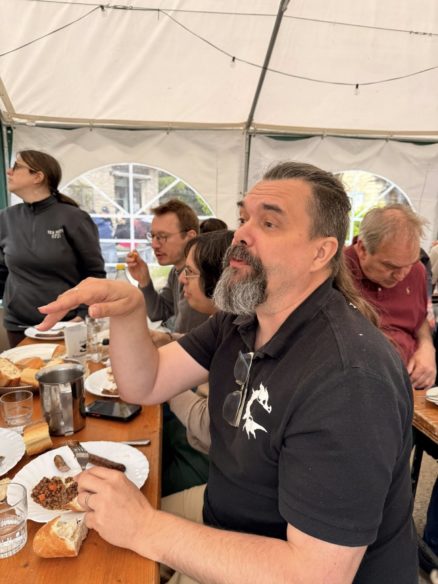
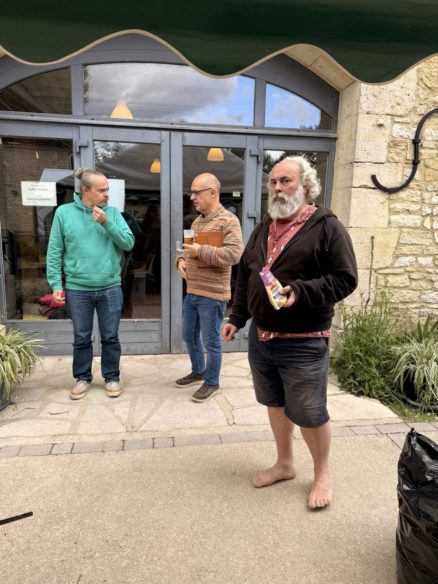
Des photos d’un peu tout le monde – Everyone’s other photos
Je ne sais trop que penser du débat un peu bizarre, assez vain et très franco-français, sur la « reconnaissance du jeu de société comme un objet culturel », discussion qui depuis deux ou trois ans anime pas mal le microcosme ludique. Comme souvent quand il est question de « culture », les intervenants évitent soigneusement de dire dans quel sens ils entendent le terme. S’agit-il de la culture au sens des gens cultivés, de l’opéra et des peintres classiques, celle qui s’oppose à la vulgarité ? S’agit-il de la culture au sens des spécificités culturelles, de la cuisine et des vêtements, celle qui s’oppose à la nature ? S’ils disent clairement qu’ils pensent à la première, ils risquent de paraître prétentieux, mais de la deuxième, en fait, ils se foutent souvent un peu.
Les enjeux sont doubles. Il s’agit d’abord de reconnaissance sociale, car il est plus classe d’être auteur avec un grand H de culture avec un grand K que puéril créateur, designer, inventeur ou bricoleur de jeux – même si je ne suis pas certain que, avec le développement des intelligences artificielles, les activités intellectuelles restent encore longtemps si valorisées.
Il y a surtout, en France, des enjeux juridiques et fiscaux, plus pour les auteurs que pour les éditeurs. Pour les auteurs comme moi, on peut considérer que c’est gagné, même si les jeux de société ne sont pas formellement dans la liste officielle des œuvres de l’esprit du code de la propriété intellectuelle. La jurisprudence va dans ce sens, et les créateurs de jeux ont accès au régime social des artistes-auteurs. Les éditeurs sont moins concernés, même si certains fantasment un peu, sans grand espoir, sur la TVA du livre.
Mais sur le fond, dans quelle mesure la création de jeu est-elle une activité culturelle, ou, si l’on admet que toute création l’est plus ou moins, plus culturelle que technique ou plus culturelle que la moyenne ? La question du style peut amener un élément de réponse. Les différentes cultures produisent-elles des jeux différents comme elles produisent des cuisines ou des musiques différentes ? Les auteurs de jeux ont-ils, comme les peintres ou les écrivains, des styles différents ?
Sur le premier point, la réponse est « un peu mais pas tant que cela ». Je me suis pas mal intéressé aux jeux traditionnels, à leur histoire et à leur circulation, et les différences ne sont pas flagrantes. J’ai récemment acheté la très belle collection de jeux traditionnels du monde entier publiée par Lemery Games, et ai déjà reçu les boites de jeux d’Afrique, d’Asie et d’Amérique, celle des anciens jeux européens étant prévue dans les mois qui viennent. Les jeux sont bien sûr différents, mais on cherche en vain un élément spécifique à telle ou telle région, comme cela existe plus ou moins pour la cuisine ou la musique. Beaucoup, en Europe mais aussi en Chine, croient d’ailleurs aujourd’hui que les dames chinoises, inventées en Allemagne au XIXe siècle, sont un jeu traditionnel chinois.
Ce n’est pas très différent pour les jeux modernes. Dans les années quatre-vingt-dix, au début de ma carrière d’auteur de jeux, on distinguait fréquemment deux écoles, deux types de jeux de société, des jeux « à l’américaine » au thème très présent, souvent simulationnistes ou assez chaotiques, et des jeux « à l’allemande », plus stratégiques et plus abstraits. Ces catégories, rebaptisées eurogames et ameritrash, sont encore parfois utilisées, par habitude, mais ne recouvrent plus aucune réalité géographique, les auteurs de tous les genres pouvant se trouver un peu partout, et de plus en plus souvent en Asie. Si l’on parle parfois aujourd’hui de la même manière des jeux japonais, leur spécificité, qui tend déjà à se réduire, me semble être au plus dans la petite taille des boites et le matériel modeste que dans des mécaniques ludiques qui n’ont rien de bien différent.
Il est aujourd’hui impossible, en jouant à un jeu, d’avoir la moindre idée de la nationalité ou de l’origine culturelle de son auteur. La culture ludique, l’ensemble des références sur lesquelles ces auteurs ont construit leurs goûts et leurs styles, est en effet pour l’essentiel bien plus récente que la culture littéraire, culinaire ou musicale, et est donc la même pour tous. C’est vrai bien sûr des mécanismes, mais c’est presque vrai aussi des thèmes, des auteurs japonais faisant des jeux situés dans l’Allemagne médiévale, et inversement. J’ai collaboré avec des auteurs japonais, coréens, américains, brésiliens et sans doute d’autres que j’oublie, et ne me suis jamais senti intellectuellement en territoire étranger.
Sur le deuxième point, celui des auteurs, la réponse est aussi « un peu mais pas tant que cela ». Si l’on considère l’ensemble des jeux que chacun d’entre nous ont créé, mon style n’est clairement pas le même que celui de mes amis Bruno Cathala, Eric Lang ou Anja Wrede, pour citer des auteurs que je connais pour avoir à l’occasion collaboré avec eux. Pour autant, si on prend un jeu particulier, il n’est pas toujours facile de l’attribuer clairement à l’un d’entre nous.
Et donc, mon style, car c’est là que je voulais en venir après cette introduction qui sera sans doute plus longue que mon principal propos. Quel est-il, et comment a-t-il évolué et, si tant est que je sois en mesure de le dire, pourquoi ?
On m’a dit parfois que j’étais, avec des gens aussi différents que Stefan Feld ou Roberto Fraga, l’un des auteurs de jeux de société dont les jeux étaient le plus aisément reconnaissables. Je ne sais pas trop bien si je dois prendre cela comme un compliment, j’ai du style, ou comme une critique, je ne me renouvelle pas assez. Je m’efforce en effet de faire des jeux où les joueurs prennent des décisions peu nombreuses, dont l’impact est important mais dépend fortement des décisions prises par les joueurs rivaux. Ce sont donc des jeux avec de l’interaction, de la psychologie, du bluff, des surprises, et souvent plus de tactique que de stratégie. Ce sont des jeux où l’on se demande en permanence quels sont les plans de nos rivaux, quelles décisions secrètes ils ont prises, quels choix ils sont en train de faire.
C’était vrai dès mon premier jeu publié, Baston, en 1984, avec son système de programmation simultanée. Pour autant, il est bien évident que je ne pourrais pas aujourd’hui créer un jeu comme celui-ci, qui d’ailleurs ne trouverait pas d’éditeur, en raison de son thème un peu trash mais aussi de sa longueur et de sa complexité. Des constantes, donc, mais aussi des changements, et mes créations sont délibérément devenues de plus en plus simples, voire épurées comme mon tout dernier, Fuit Cocktail – à propos duquel on m’a parfois dit qu’il ressemblait plus à du Knizia qu’à du Faidutti.
Ma tendance à faire des jeux aux règles simples et au matériel limité, souvent seulement quelques cartes, s’est développée peu à peu depuis une vingtaine d’années. Si elle est aujourd’hui « en phase avec les attentes du marché », comme disent les éditeurs, cela n’a pas toujours été le cas et n’en est donc pas la raison principale. Les jeux que j’imagine ont surtout suivi l’évolution de ceux auxquels je joue avec mes amis, qui sont eux aussi plus simples, plus légers, plus rapides. Quelle est la part dans ces changements de l’âge, qui fait que j’ai moins tendance à jouer jusqu’au bout de la nuit, de l’air du temps, qui veut que tout soit inclusif et abordable, et de mon histoire personnelle, je suis bien en mal de le dire. Il est néanmoins évident que, si je reprenais aujourd’hui beaucoup des jeux sur lesquels j’ai travaillé il y a une vingtaine d’années, ils prendraient une forme un peu différente, moins baroque, plus directe. Dans des genres similaires, je préfère aujourd’hui jouer à Mascarade qu’à Citadelles, à Small Detectives (qui n’a pas eu beaucoup de succès) qu’à Mystère à l’Abbaye. Tous les auteurs n’ont pourtant pas connu la même évolution, et si la 3ème édition de Mission Planète Rouge est assez peu différente de la deuxième, c’est un peu par paresse, mais c’est aussi parce que si l’autre Bruno et moi étions tous deux prêts à y faire des modifications, nous ne souhaitions pas aller dans la même direction.
Personnellement, je préfère les jeux que je fais aujourd’hui à ceux que j’ai fait il y a une vingtaine d’années. Je les pense plus élégants parce que plus aboutis, plus épurés, plus efficaces, mais ils ne se vendent pas aussi bien. Je dirais même que, de manière générale, les jeux créés et publiés de nos jours sont, dans l’ensemble, meilleurs que ceux qui paraissaient dans les années deux-mille, mais c’est sans doute une question de style et de goût.
I don’t really know what to think of a weird and a bit pointless debate which, for a few years now, has been stirring the small French boardgaming world. The question whether games should be considered a “cultural item”, whatever that means. As often when discussing “culture”, especially in France but may be also in the English speaking world where the word has the same two meanings, the protagonists carefully avoid specifying what they mean by “culture”. Is it culture like in “cultured people”, the opposite of vulgarity, or culture like in cultural differences, the opposite of nature? Not wanting to sound pretentious, no one clearly states they are thinking of the first meaning, but most don’t really care about the second.
Two things are at stake here. It is first about social recognition, since it’s far more classy to be an author of high culture stuff than a vulgar designer or inventor of childish games – even when I am not sure that, with the recent development of Ais, intellectual activities will keep being that socially recognized.
There are also, in France, legal and fiscal issues, more for designers than for publishers. For designers, we can consider that the battle is won, since judges have recognized that our designs are an intellectual creation. We have now access to the artists and authors social security status. Publishers are less involved, though some of them dream a bit, without much hope I think, of the book reduced VAT rate.
Anyway, is designing games a cultural activity, or, since everything is more or less cultural, is it more cultural than the average, or more cultural than technical? An interesting way to think on it might be the question of style. Do different cultures generate different styles of games, like they generate different styles of food and music? Do game authors have, like writers and painters, personal styles?
The answer to the first question is “not that much”. I have studied a bit traditional games, their evolutions and their circulation around the world. I have recently bought the very nice collection of old games from around the world published by Lemery game. I’ve already received the Africa, Asia and America boxes, and I’m waiting to get Europe one soon. All these games are different, of course, but there is no specific common element to the games from this or that region like there is with music or cuisine. Many people, in Europe but also in China, can believe that Chinese Checkers, which were invented in XIXth century Germany, are a traditional Chinese game.
It is not very different with modern games. In the nineties, at the beginning of my game design career, we used to talk of two boardgame design schools, American style ones, highly thematic and chaotic, and German ones, more abstract and strategic. These categories, renamed eurogames and ameritrash, are still sometimes used, but their geographical names have become meaningless, with designers of both types of games all over the world, including, more and more, in Asia. There is some talk of “Japanese style boardgames”, but their specificity is already vanishing, and is more about the size of boxes and components than about the game mechanisms.
It is basically impossible, when playing a game, to get an idea of its designer’s nationality or cultural background. The boardgame culture, the set of references from which the designers have built their tastes and their styles, is far more recent that literary, culinary or musical culture, and is basically the same for everyone everywhere. This is true of game systems and mechanisms but even to a lesser extent, of themes – Japanese designers make games about medieval Europe, and vice versa. I’ve worked with co-designers from Korea, Japan, USA and Brazil, and never intellectually felt like in an foreign land.
On the second point, that of designers, the answer is also “not that much”. Considering all the games each one of us has designed, my design style is clearly different from that of other designers I know well and have occasionally worked with like Bruno Cathala, Eric Lang or Anja Wrede. On the other hand, though, it is hard, from just playing a game, to infer who its designer is.
And, so, what about my own style? This was the intended topic of this blogpost, but I’m afraid the introduction is already longer that what I still have to tell now. What is my style, how did it change, and why?
I’m often told that I am, together with very different designers like Stefan feld or Roberto Fraga, one of the boardgame designers whose games are the easiest to recognize. I’m not sure if it’s a praise, meaning that I have some style, or a criticism, meaning I am repeating myself. Anyway, I indeed always try to design games in which players take a limited number of decisions, whose impact strongly depends on the choices made by rival players. This means my games have strong interactions, often bluffing, double guessing, surprises and various psychological features. These games are as much about outguessing opponents than about calculations and strategy.
This was true of my first published design, Baston, in 1984, which had a simultaneous programming system. I would not, however, design such a game today, and even if I did, It would not find a publisher because of its trashy setting, but also of its length and complexity. Some things stay, other change and my game have, very deliberately, become lighter and simpler, or even stripped won like my last published design, Fruit Cocktail, of which I’ve been told it feels more like Knizia than Faidutti.
My tendency, and my ability, to design games with short rules and few components, often just cards, is something I have slowly developed over the last twenty years. It might sound now like “what the market is asking for”, to quote some publishers, but it wasn’t always the case and therefore it’s not the main explanation. The game I design have changed mostly because the games enjoy playing with friends have also changed and become simpler, lighter, faster. Is this due to aging, and not being able anymore to play all night long? Is this due to the global trend towards affordability and inclusivity? Is this due to my personal history? There’s probably a bit everything. Anyway, If I were to work now on most games I designed ten or twenty years ago, I would probably make them less baroque, more direct. If I have to choose between games in the same genre, I have more fun now playing Mascarade than Citadels, playing Small Detectives (though it’s far less known) than Mystery of the Abbey. All designers don’t evolve in the same way, and if the 3d edition of Mission: Red Planet is not much different from the second, it is in part due to laziness, but it is also because while Bruno Cathala and I were both willing to make changes, they sometimes went in opposite directions.
I prefer the games I am designing these days to those I created twenty or thirty years ago. I think they are better finalized, more refined, more efficient, more elegant, but they definitely don’t sell as well ! I also think that, as a general rule, games designed and published now are better than those from the 2000s, but that’s just my personal taste.
La toute première édition de Citadelles, en 2000, ne prévoyait pas que le jeu puisse être pratiqué à deux. Les règles pour trois joueurs, un peu différentes de celles des versions actuelles, n’étaient pas très convaincantes. La version basique du jeu fonctionne bien de 4 à 6 joueurs, et j’avais consacré plus de temps, et plus de tests, à l’adapter pour 7 ou 8 joueurs que pour 2 ou 3. Il me semblait que cela ne serait pas dans l’esprit du jeu, et que de toute façon les meilleurs jeux pour 2 joueurs étaient ceux qui avaient été, dès l’origine, conçus spécifiquement pour cela.
Quoi qu’il en soit, le jeu a vite remporté un grand succès, et les éditeurs – car je travaillais alors avec trois éditeurs différents pour différentes parties du monde – ont très vite réclamé, et obtenu, une règle pour deux joueurs. Je rencontre de temps à autre des joueurs qui préfèrent Citadelles ainsi, à deux joueurs, mais je ne l’ai jamais vraiment apprécié ainsi. Cela fonctionne, mais les modifications aux règles me semblent rendre le jeu un peu tarabiscoté, et trop technique.
J’ai publié quelques jeux pour deux joueurs, souvent en collaboration avec d’autres auteurs, par exemple Raptor avec Bruno Cathala. En vieillissant, je me suis mis à apprécier le genre en tant que joueur, mais ne suis toujopurs pas très à l’aise avec comme auteur. Je n’ai donc pas trop réfléchi à une déclinaison pour deux joueurs de Citadelles, mais je savais que, un jour ou l’autre, on allait soit me la demander, soit me la proposer.
En 2009, Hayato Kisaragi, publiait au Japon un petit jeu de cartes pour deux joueurs, Greedy Kingdoms, qui, même s’il n’utilise pas le système de sélection des personnages au cœur de Citadelles, s’en inspire néanmoins beaucoup. J’ai rapporté ce jeu du Japon, l’ai apprécié et y ai beaucoup joué, au point de proposer à son auteur de travailler avec lui à une nouvelle version, dont j’espérais un peu qu’elle deviendrait le Citadelles pour deux joueurs.
Pour diverses raisons, cela n’a pas été possible. Cette refonte de Greedy Kingdoms a été publiée en 2018 par AEG, avec le titre et les illustrations japonaises d’origine – on y est en plein occidentalisme car les personnages et bâtiments décrits sont, eux, bien européens. Ce jeu a été publié en France par Gigamic, sous le nom L’Ambition des Rois. Ce fut un succès critique, mais un échec commercial, et il n’est plus disponible aujourd’hui.
En 2023, Manuel Rozoy et Guillaume Montiage, m’ont montré, à Etourvy, une ébauche d’un jeu de tuiles pour deux joueurs utilisant cette fois un système de sélection des personnages plus directement inspiré de Citadelles, et qu’ils avaient baptisé Citaduel. J’y ai joué, et j’ai beaucoup apprécié. D’une certaine manière, même si Bruno Cathala est un ami avec qui j’ai toujours beaucoup de plaisir à travailler, j’étais un peu soulagé que, après son fantastique Seven Wonders Duel, puis son Splendor Duel auquel, peut-être à tort, je n’ai pas encore joué car je n’aime pas Splendor, ce ne soit pas lui qui me propose de faire un Citadelles Duel. Je suis heureux qu’il ait été imaginé par d’autres auteurs, à la sensibilité plus littéraire, et s’annonce donc avec un style un peu différent.
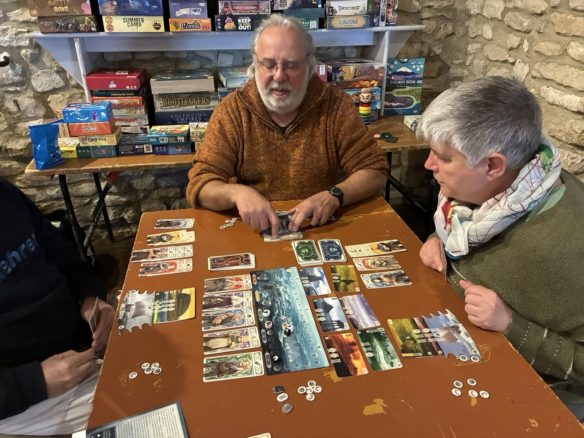
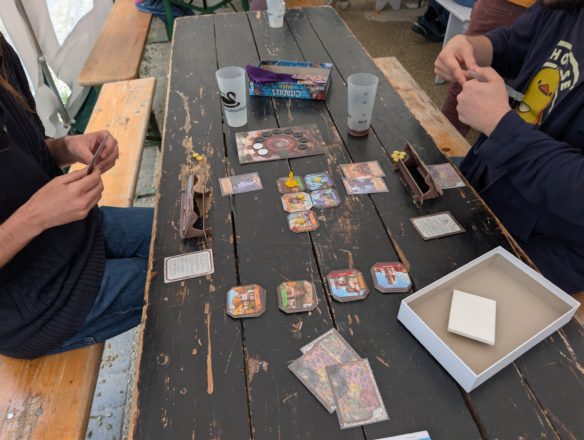
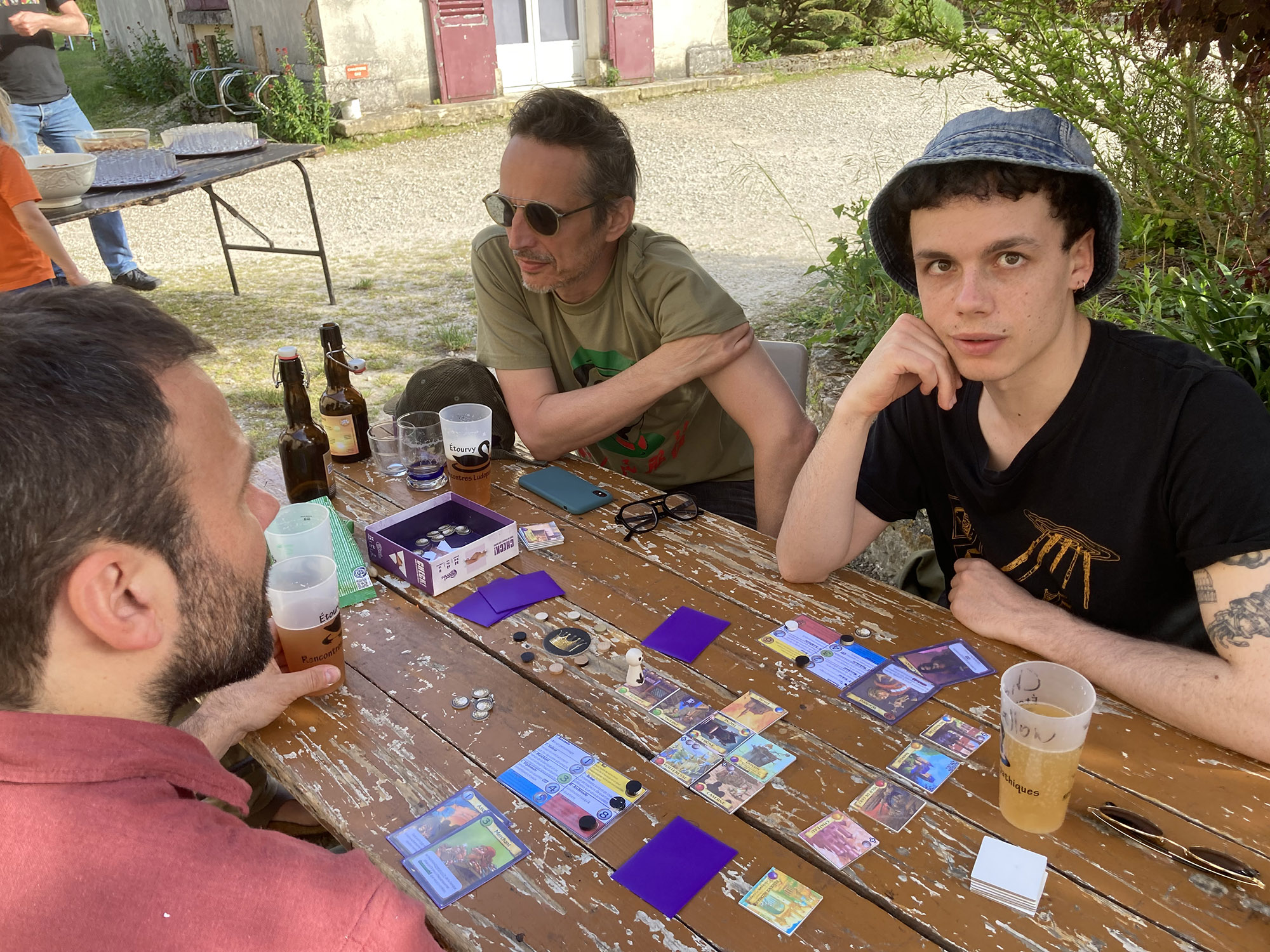
Une partie à Etourvy.
J’ai donc mis Manu et Guillaume en contact avec la petite équipe en charge de Citadelles chez Asmodee USA, à Minneapolis. Asmodee est devenue une très, très grosse machine. Les projets doivent, à chaque étape, être approuvés à tous les étages. Ce n’était donc pas si facile, mais les Américains ont été convaincus, un contrat a été signé, et le développement du jeu a démarré. Cela a été plus long que nous ne l’imaginions, et pas toujours facile, car l’équipe en charge du projet Outre-Atlantique a changé à deux ou trois reprises, mais le jeu est finalement là.
Je n’ai pas participé directement au développement du jeu, mais, Manu habitant assez près de chez moi, j’en ai régulièrement testé les versions successives. Peu à peu, un partage des rôles s’est mis en place entre les Français, qui cherchaient à introduire dans le jeu plus de subtilité et de méchanceté, et les Américains, qui tenaient à ce que tout reste simple. C’est ainsi, notamment, que Guillaume et Manu ont finalement renoncé à un petit système de pari sur les personnages adverses que j’aimais bien, mais qui compliquait un peu la mise en place de la partie.
Il est sans doute mieux que ce ne soit pas moi qui me sois attelé à la tâche de concevoir un Citadelles Duel. Guillaume et Manu sont resté fidèles à ma création d’il y a 25 ans, mais ils ont pu s’en éloigner un peu, changeant le but du jeu, introduisant le mécanisme du conseil royal, faisant de Citadelles un jeu de tuiles, toutes choses auxquelles, trop attaché à l’original, je n’aurai sans doute pas pensé.
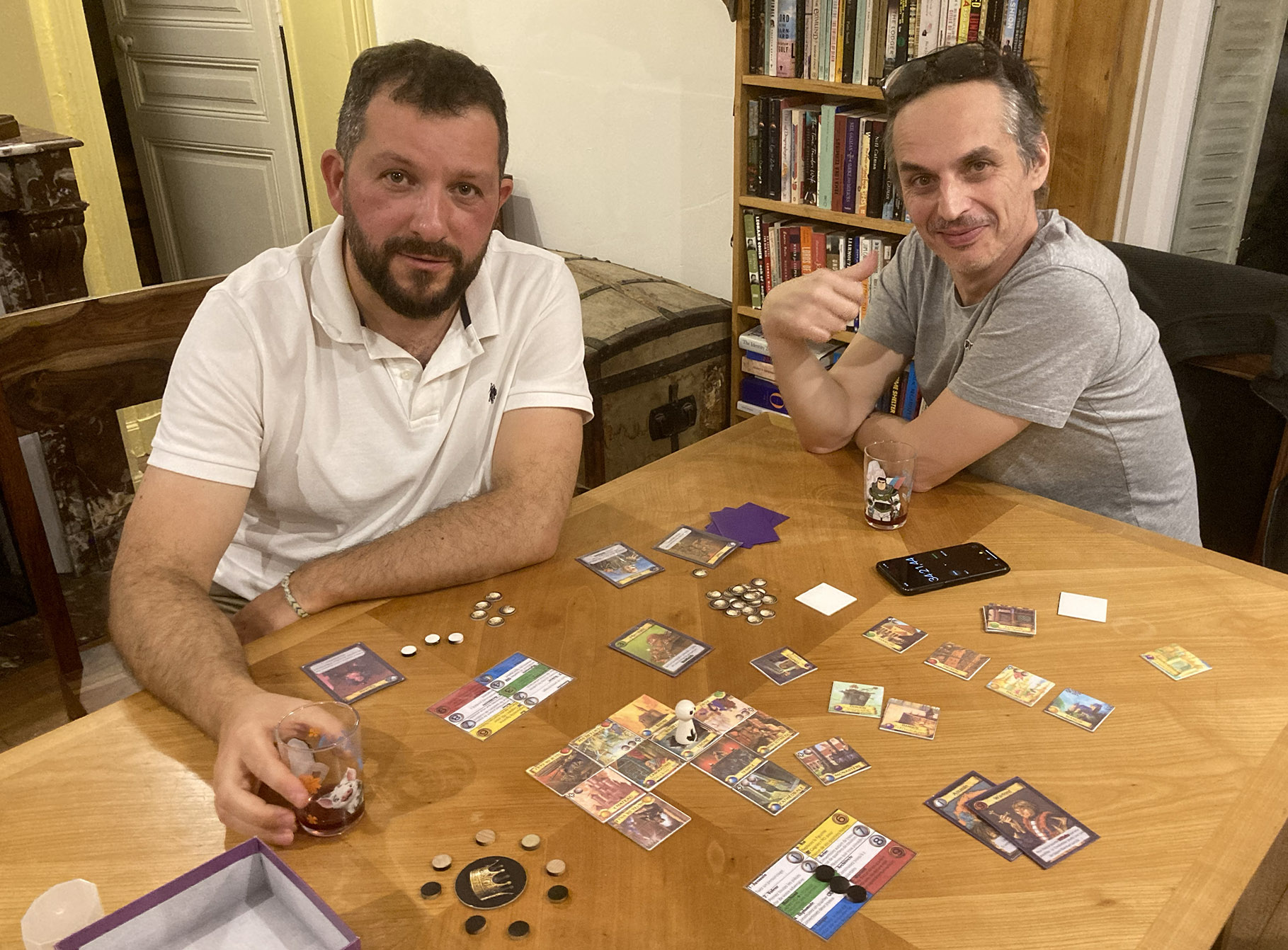
Partie de test dans mon appartement.
Guillaume et Manu
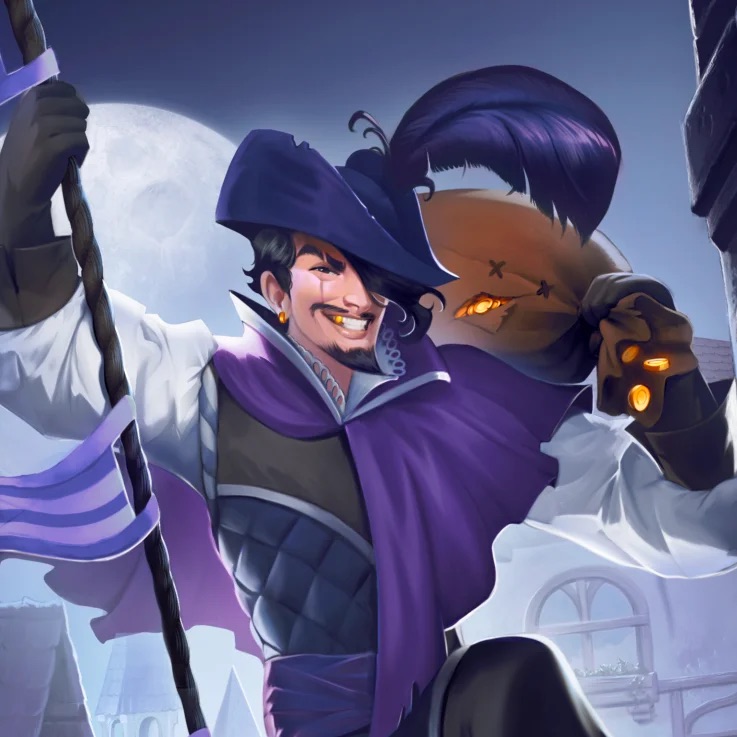
Comme le souligne Bruno, la « méchanceté » – si on peut appeler cela comme ça – a été au centre de notre intention. Dès le début, en plus de respecter les phases du jeu original (draft puis appel des personnages) nous voulions que les iconiques Assassin, Condottiere et Voleur conservent leur aura de nuisance : frontale et sans détour lorsqu’ils sont joués, dans l’ombre et omniprésents lorsqu’ils écartés dans la défausse
Le prototype à Etourvy.
Mais à deux joueurs, cette répétition devient vite un véritable moteur de frustration nous rappelant qu’en tête à tête, les actions de nuisance paraissent amplifiées et d’autant plus provocantes. Le condottière s’est révélé être parfait dans son rôle : il a cristallisé à lui seul tout cette problématique lors du développement ! Non pas uniquement en termes d’équilibrage mais plutôt de sensation de jeu : comment laisser un personnage aussi agressif dans une version à deux joueurs et dans une période où les designs ont tendance à éviter toute confrontation directe ?
C’est cette question qui a été le centre de nos discussions au cours du long développement que nous avons mené avec l’équipe américaine : l’ascenseur émotionnel que nous avions créé était parfois ressenti comme trop violent par les joueurs.
Et, sans surprise, la meilleure réponse a été de se reposer sur l’ensemble des personnages. Ou plutôt sur un draft de personnages plus serré que dans la version originale à deux joueurs. Avec quatre cartes en main à chaque tour et en en conservant que deux, cette phase devient un jeu de lecture et de contre-lecture pour tenir l’affrontement via l’Assassin, mais aussi pour permettre de la jouer défensif en protégeant ses quartiers grâce à la garde du Roi, ou simplement d’accélérer la construction avec d’autres rôles qui permettent de prendre de vitesse le Condottière.
Peu à peu, le jeu a trouvé son point d’équilibre entre ces trois piliers : un draft qui permet de faire monter la pression, un appel des personnages qui agit comme une scène de révélations, et la construction commune d’une citadelle qui donne vie à l’action des personnages et permet de délocaliser l’affrontement dans un jeu de tuiles tactique.
Le jeu final
Le résultat final est conforme à l’objectif émotionnel que nous nous étions fixés au début de notre travail et on ne peut que remercier l’équipe américaine et évidemment Bruno pour la confiance qu’il a eu dès la première présentation que nous lui avons faite à Étourvy.
Dès le départ du projet, nous avions conscience de nous attaquer à un monument du jeu de société et que forcément, notre travail allait être examiné avec un œil attentif. Bruno a fait preuve d’une bienveillance rassurante tout le long du processus et nous a encouragé à tenter des choses et à s’amuser avec son “bébé”. Ça a été un vrai plaisir que de travailler sur un jeu un peu mythique !
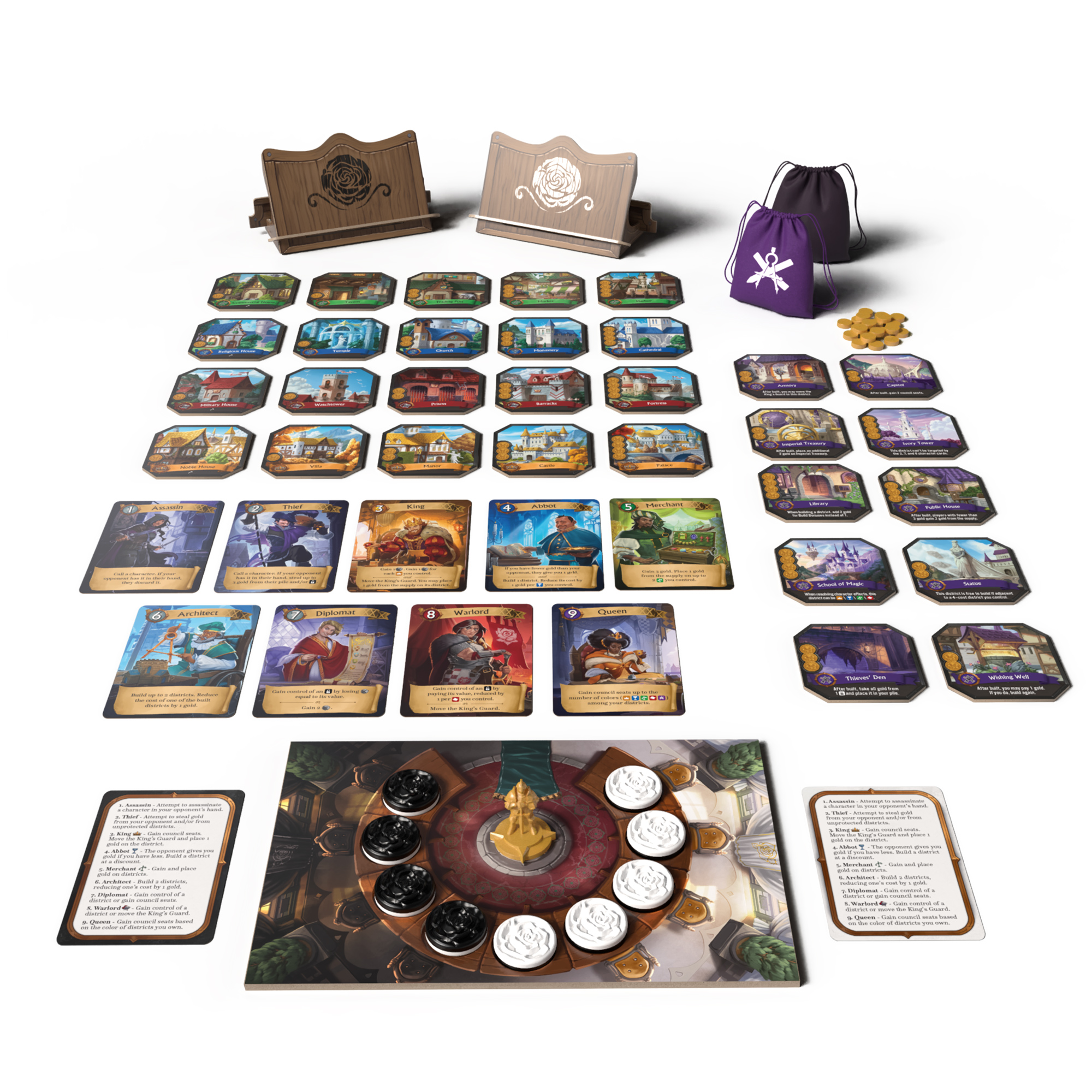
Citadelles Duel Un jeu de Guillaume Montiage et Manu Rozoy Illustré par Damien Mammoliti, Graey Erb, Aldrey de Godoy 2 joueurs – 30 minutes Publié par Z-Man Games Parution automne 2026 Boardgamegeek
Bruno
The very first edition of Citadels, didn’t even have two player rules. The three player rules, slightly different from the actual ones, were not very convincing. I had originally designed the game to be played by 4 to 6 players, and had spent more time and thought in making it work with 7 or 8 than with 2 or 3. I thought it was not really the idea of the game and that, anyway, the bets two player games were those which had been originally designed for two.
The game, nevertheless, was a hit and the publishers – because I had and still more or less have three different publishers for three different parts of the world – asked for a two player rule, which I delivered. I know a few players who prefer the original Citadels this way, as a two player game, but I never really liked it. It works, but it feels a bit too convoluted, too technical, too artificial to me.
I have designed a few two player games since, often in collaboration with other designers, like Raptor with Bruno Cathala. With getting old, I’ve started to like the genre more as a player, but it’s still not my strong suit as a designer. I didn’t devote much time and energy to the idea, but I knew that, someday, the question of a Citadels Duel will (or is it would?) arise.
In 2009, Hayato Kisaragi published in Japan a small two player card game, Greedy Kingdoms. Even when it doesn’t really use the Citadels character selection system, it is clearly inspired by my game. I brought this game back from Japan, played it a lot, and enjoyed it so much that I contacted Hayato and asked him if we could work together on a new version, which I thought might become the two player Citadels.
It didn’t happen this way, for various reasons. The new Greedy Kingdoms was published in 2018 by AEG, with the original “occidentalist” Japanese art, European buildings and characters drawn in Japanese style. It was a succès d’estime, and is not available any more.
In 2023, in Etourvy, Manuel Rozoy and Guillaume Montiage showed me, in Etourvy, the first version of a two player tile laying game using a character selection process directly inspired by Citadels, which they had called Citaduel. I played it and, once more, liked it a lot.
Bruno Cathala is a friend with whom I always enjoy working. I was nevertheless a bit relieved that it was not him who contacted me I was a bit relieved that, after the outstanding Seven Wonders Duel, after Splendor Duel which I’ve not played yet because I don’t like Splendor, it was not him who came to me with a Citadels Duel project. I am glad it has been designed by other authors, with a more literary sensibility, and therefore feels different.
Playtesting in Etourvy.
I put Manu and Guillaume in contact with the small team in charge of Citadels at Asmodee USA, in Minneapolis. Asmodee has become a big and heavy machine. Projects have to be accepted and, at every step, validated in every floor of the company building. It wasn’t that easy, but the Americans were finally convinced and a contract was signed. The development was longer and than expected because the US team changed two or three times, but in the end, the game is here.
I didn’t take an active part in the game development but, since Manu lives nearby, I regularly playtested the game’s successive versions. I saw a task sharing emerge, in which the French designers were trying to add subtlety and meanness, while the American developers insisted on keeping everything simple. That’s how Guillaume and Manu had to give up a rule which allowed a player to bet on their oponent’s choice, but was a bit complex.
It’s probably better that I didn’t try to design Citadels Duel by myself. Guillaume and Manu have been faithful to my 25 years old design, but also managed to get out of it, changing the goal of the game, adding the King Council’s mechanism, making it a tile laying game, all ideas which, being too involved with the original game, I could probably not have though of.
Playtesting at my place.
Guillaume and Manu
Keeping the “meanness”, to use Bruno’s term, of the original game has indeed been our first intention. We wanted to keep the core phases of the original game – drafting cards, then calling characters. We also wanted the iconic Assassin, Thief and Warlord retain their aura of mischief, directly and uncompromisingly harmful when played, lurking in the shadows when discarded.
The prototype in Etourvy.
With two players, however, head to head, harmful effects are amplified and can become frustrating. The Warlord has been the best illustration of this, both with balance and game feel. How could we keep such an aggressive character in the two player game, in a time when most games tend to avoid direct confrontation.
This question was the most discussed with the US team during the years long development. We had designed an emotional rollercoaster which some players found too violent and unforgiving.
Of course, the answer was to balance the characters together, as a whole. The drafting of characters in Citadels Duel is more restrained than in the basic game. Keeping only two cards out of four every round, it becomes a mind-reading duel, when one cannot at the same time attack with the Assassin, protects their districts with the king’s guard, and try to build more to outrun the Warlord.
The game finally found its balance point on three pillars: the character drafting creates tension, the calling of the characters feels like a revelation, and the building of the shared Citadel gives life to the characters and allows the confrontation to be relocated to a tactical tile laying game.
The published game.
The final game delivers the strong emotions we had set up to from the beginning. We can only thank the American team and, of course, Bruno for the trust he placed in us from the very first presentation of the game in Étourvy. From the outset of the project, we knew we were tackling a cornerstone of board games and that our work would be scrutinized. Bruno was kind and reassuring throughout the entire process and let us experiment and have fun with his “baby.” It was a true pleasure to work on such a legendary game!
Citadels Duel A game by Guillaume Montiage et Manu Rozoy Art by Damien Mammoliti, Graey Erb, Aldrey de Godoy 2 players – 30 minutes Published by Z-Man Games Due Fall 2026 Boardgamegeek
Au début des années quatre-vingt, lorsque j’ai commencé à m’intéresser à la création ludique, les auteurs de jeux de société connus, ou du moins reconnus, se comptaient sur les doigts d’une main. David Parlett, auteur du Lièvre et La Tortue, était anglais. Les autres, Sid Sackson, Peter Olotka et l’équipe de Future Pastimes, étaient américains. Nous savions vaguement que quelque chose était en train d’émerger en Allemagne, mais aucun nom n’était encore connu. Le polyglotte et cosmopolite Alex Randolph était le personnage le plus étonnant. On savait qu’après une enfance en Suisse dans de très chers pensionnats, ce riche américain, fils d’ambassadeur, avait étudié la philosophie et les mathématiques, avait été agent secret, avait rapporté d’Inde l’idée de Stupide Vautour, avait passé de longues années au Japon où il était devenu un joueur de Shogi de haut niveau, avant de s’installer à Venise où, avec ses amis Leo Colovini et Dario de Toffoli, il avait conçu Intrigues à Venise (a.k.a Incognito). C’était un personnage de roman, philosophe et voyageur, que je regrette beaucoup de n’avoir jamais eu l’occasion de rencontrer.
Les jeux d’Alex Randolph sont souvent très abstraits, presque mathématiques. Twixt ou Ricochet Robots, souvent considérés comme ses chefs d’œuvre, sont sans doute un peu trop froids pour moi, je ne les ai jamais trop appréciés. J’ai en revanche beaucoup joué à Intrigues à Venise, un jeu de déduction dans lequel on doit d’abord découvrir son partenaire avant de s’entendre avec lui pour discrètement remplir une mission commune. Superbement édité, ce jeu revisite avec humour et intelligence le Cluedo, et m’a sans doute donné envie de créer aussi mon jeu d’enquête, Mystère à l’Abbaye. Mais il y a bien d’autres créations d’Alex Randolph auxquelles j’ai beaucoup joué et joue encore à l’occasion. Stupide Vautour est inspiré d’un jeu de cartes traditionnel indien sur lequel je serais curieux d’en savoir plus, Ghosts (Fantômes) est un jeu de bluff et de tactique d’une déroutante simplicité. Sacré Chameau est l’un des jeux de course les plus originaux qui soient. Big Shot est un jeu d’enchères subtil et original récemment réédité par mes amis coréens de Mandoo Games.
Les jeux d’Alex Randolph dans ma collection. Je croyais avoir aussi les Vampires mangeurs de tomates, une grosse boite, et Die Rüsselbande, mais j’ai dû les donner ou les laisser à Avignon.. Games by Alex Randolph in my collection. I thought I also owned the tomato-vampire game, I don’t remember its name, and Die Rüsselbande, but I probably gave them or left them in my old home.
C’est un peu par hasard que j’ai joué, à la fin des années quatre-vingt, à un jeu beaucoup moins connu, Veleno. La mécanique en est simplissime, chacun à son tour déplaçant un pion commun pour prendre une pièce sur une case voisine. Ceux qui connaissent mes jeux savent que, si je me méfie des jeux de coopération, j’ai en revanche toujours été intéressé par l’idée d’un pion unique manipulé par tous les joueurs, système que j’ai exploité dans Silk Road ou Isla Dorada. Le système de score de Veleno à trois ou quatre joueurs, qui donne son nom à l’édition allemande du jeu (Gute Nachbarn = le bon voisin) était tout aussi fascinant – chacun additionne son score de base à celui de son voisin de gauche, et le total le plus élevé l’emporte. Comme dans la vraie vie, le bon voisin, c’est votre voisin de gauche, le mauvais, votre voisin de droite.
Gute Nachbarn, édition allemande de Veleno. Gute Nachbarn, German edition of Veleno
Pendant des années, ce jeu a trotté dans ma tête. L’idée me fascinait, la réalisation me laissait un peu sur ma faim. Le plateau de jeu un peu petit, et les valeurs mal équilibrées des différentes pièces, menaient en effet trop souvent à des parties assez automatiques, où les coups étaient évidents et le vainqueur connu après deux ou trois tours. Une trentaine d’années plus tard, je me suis finalement penché sur Veleno pour en faire une version qui me satisfasse, avec un plateau un peu plus grand et, surtout, beaucoup plus de variété dans les valeurs et les effets des jetons et d’interaction entre les joueurs. J’ai vite baptisé mon jeu Tonari – voisin en japonais – parce que cela sonnait bien, et parce que cela renvoyait à la fois au mécanisme central et au nom allemand du jeu, Gute Nachbarn, et au passé japonais d’Alex Randolph (et à mes accointances personnelles avec le Japon).
L’un de mes premiers prototypes One of my first prototypes.
Comme un roman, comme un morceau de musique, un jeu de société ne sort jamais de nulle part, n’est jamais totalement original, et c’est très bien ainsi. Toutes mes créations ont été plus ou moins influencées par d’autres jeux que j’avais apprécié ou non, dont j’ai voulu m’inspirer ici ou me différencier là. Il reste que certains jeux sont plus originaux que d’autres, et que Tonari ne l’est guère. La question qui se pose est donc de savoir où situer la limite entre la variante ou le développement et la création nouvelle. La limite entre les deux est floue, souvent arbitraire, et l’auteur de jeux me semble le mieux placé pour en juger – j’ai déjà abordé cela plus en détail ici. En même temps que je développais ce qui allait devenir Tonari, je travaillais sur un petit jeu de cartes sur le thème d’une vieille dame donnant des miettes de pain aux pigeons, qui s’inspirait d’un autre jeu d’Alex Randolph, Raj / Stupide Vautour, et qui est finalement devenu Chawai. C’est à l’arrivée, en y jouant avec mes amis, que j’ai jugé que les Pigeons étaient un jeu suffisamment original pour que je puisse considérer en être le seul auteur, tandis que Tonari n’était qu’une variation sur Veleno / Gute Nachbarn, dont il conservait tous les éléments, se contentant d’ajouter de nouvelles pièces. J’ai donc pris contact, par l’intermédiaire de son agent Smart Cookie Games, avec Michael Katz, le neveu et héritier d’Alex Randolph, qui a bien volontiers accepté de me laisser chercher un éditeur pour Tonari, les futurs droits d’auteur étant partagés moitié-moitié.
Les éditeurs ne se bousculent guère pour publier des jeux de stratégie abstraits. J’ai essuyé pas mal de refus avant que les américains de IDW ne décident de le publier. Après avoir vaguement considéré le thème du chaudron de sorcière, un peu trop exploité ces derniers temps, avec notamment l’excellent LesCharlatans de Beaucastel de Wolfgang Warsch, ils ont finalement opté pour la pèche. Le pion est devenu un chalutier de l’île de Kuchinoshima, après la tempête, et les jetons de couleur du prototype des poissons de diverses espèces. Cela leur a permis de situer l’action au Japon, et donc de conserver le nom que j’avais donné à mon prototype. Ils espèraient un effet de gamme avec l’excellent Seikatsu de Matt Loomis et Isaac Shalev, lui aussi un jeu abstrait au thème oriental un peu superficiel et se jouant aussi bien à trois ou quatre qu’à deux. Le thème de la pèche, bien que trouvé après coup, est étonnamment cohérent et magnifiquement servi par les dessins de Kwanchai Moriya, un illustrateur au style très original.
Lors de sa sortie en 2019, Tonari fut plutôt bien reçu par la critique, et j’espérais qu’il allait sinon devenir un classique, du moins rencontrer un certain succès et se vendre quelques années. Malheureusement, quelques mois à peine après sa sortie, IDW décida de quitter le marché du jeu de société pour se concentrer sur ce qui était son premier métier, les comics. Le premier tirage du jeu fut vendu assez rapidement, et tout s’arrêta là.
Même si, signe d’un public vieillissant, quelques éditeurs se sont récemment spécialisés dans les nouvelles versions de classiques un peu oubliés, il reste plus difficile de trouver un nouvel éditeur pour un jeu qui n’est plus sur le marché que de faire publier une nouveauté. Dans le cas de Tonari, cela était rendu plus ardu encore par le fait que toute nouvelle édition devrait supporter la comparaison avec la première version, dont le matériel était magnifique. En fait, je n’essayais pas vraiment. J’avais bien ajouté Tonari à la petite liste d’une vingtaine de jeux épuisés que je présentais à l’occasion aux éditeurs susceptibles d’être intéressés, mais ce n’était pas celui que je poussais avec le plus de conviction – les jeux que je cherche le plus assidument, et jusqu’ici sans succès, à faire republier sont Waka Tanka, Ménestrels, Small Detectives, et China Moon – si vous êtes intéressés, contactez-moi.
En février 2025, je me suis rendu aux Etats-Unis, pour participer à Louisville à la GAMA, un salon que je recommande et où je retrournerai peut-être lorsque la situation politique aux Etats-Unis sera redevenue saine et que les étrangers y seront à nouveau bienvenus. C’est là que j’ai rencontré Paul Salomon de Gamehead, qui se préparait à publier outre-Atlantique deux de mes jeux, Venture Angels et Vabanque. Je lui ai alors laissé mon habituel catalogue de créations et de jeux pouvant être réédités. Quelques jours plus tard, je reçus un mail enthousiaste où il me disait ne pas avoir réalisé plus tôt que j’étais l’un des auteurs de Tonari, un de ses jeux favoris dont il avait très envie de faire une nouvelle version.
Le défi était de faire de ce jeu une édition qui se différencie suffisamment de l’original et qui soutienne la comparaison avec la très belle première édition de Tonari. Il a été, je pense, relevé avec succès. Le jeu lui-même a connu quelques changements importants. Au verso du plateau d’origine se trouve un second plus grand, permettant des parties plus longues, et jusqu’à 5 joueurs. Cela nous a amené à imaginer de nouveaux types de poissons, comme le Kingfish (qui n’a pas de nom par chez nous car il n’existe pas en Europe) donnant une victoire immédiate au joueur qui en attrape, selon le nombre de joueurs, 2 ou 3, ou le Lunker, un gros poisson qui rapporte 5 points uniquement au dernier joueur à en avoir pris un. Il devient aussi possible de varier les configurations de jeu, en ne plaçant pas toujours dans le lac – car c’est maintenant un lac – les mêmes poissons. Voulant éviter les parties trop brèves, l’éditeur a souhaité modifier la manière dont le jeu se termine. La partie ne s’arrête plus immédiatement lorsqu’il n’est plus possible de déplacer le bateau sur une case voisine, puisque l’on repart alors de l’île centrale, et ce jusqu’à ce que cela ne soit plus possible. C’est le point de règle que nous avons le plus discuté, car, même si certaines parties un peu courtes pouvaient être frustrantes, la possibilité de provoquer la fin de partie était pour moi un élément tactique important du jeu, surtout à deux joueurs. J’ai proposé une solution intermédiaire, avec deux sorties de pêche, matinée et après-midi, et c’est ainsi que je joue désormais.
Le thème de la pêche, imaginé par l’éditeur précédent, fonctionne parfaitement, et il a donc été conservé, mais on pêche désormais dans un lac, et les variétés de poisson sont celles que l’on rencontre dans les d’Amérique du Nord. Le plateau de jeu en tissu imprimé recto-verso est absolument splendide. Les illustrations d’Alisha Giroux pour Friendly Fishing sont aussi charmantes et colorées que celles de Kwanchai Moriya pour Tonari. Le chalutier japonais est devenu une barque, et les pêcheurs des animaux anthropomorphes, une mode très présente dans les jeux de société, que j’ai cherché à expliquer il y a quelques temps dans un long article. Bref, Friendly Fishing est superbement édité, et je lui souhaite une vie plus longue qu’à Tonari.
Friendly Fishing Un jeu d’Alex Randolph & Bruno Faidutti Illustré par Alisha Giroux 2 à 5 joueurs – 30 minutes Publié par Gamehead, 2026 Boardgamegeek
I became really interested in boardgame design in the early eighties. In these times, we had a handful of games and didn’t know much, if anything, about their designers. There were very only a handful of names. David Parlett, the designer of Hare and Tortoise, was British. The other ones, Sid Sackson, Peter Olotka and the Future Pastimes team, were Americans. We vaguely knew something was beginning in Germany, but no names were famous yet. The polyglott and Cosmopolitan Alex Randolph was the most fascinating character. We knew that a after a golden childhood in very expensive swiss boarding schools, this scion of a rich American family, whose parents were ambassadors, had studied philosophy and maths, had worked as a secret agent, had brought a cute card game, Raj, from India, had lived in Japan and become a first rate Shogi player, and then had settled in Venice where, with friends Leo Colovini and Dario de Toffoli, he had designed Inkognito, a secret agent game during the carnival of Venice. Alex Randolph was a character just out of a European novel, and I deeply regret having never met him.
Alex Randolph playing Shogi
Most of Alex Randolph’s designs are abstract, if not mathy. Twixt and Ricochet Robots are often said to be his masterworks, but I’ve never been much fond of them, they feel too cold for me. I have played much more games of Inkognito, Intrigues à Venise in French, a deduction game in which one must first find out one’s partner before discreetly communicating with him about our common mission. Gorgeously edited, it revisits Clue with humor and subtleness. This game showed me that there was something more to do with Clue, and probably motivated me to design Mystery of the Abbey. There are many other Alex Randolph designs I played a lot and still occasionally play. Raj / Hol’s der Geier is inspired by a traditional indian game about which I’d like to know more. Ghostsis a deceptively simple tactical and bluffing game. Camel Go is one of the most original racing games. Big Shot, recently republished by my Korean friends at Mandoo Games, is a gem of an auction game
Alex Randolph in Venice, with a copy of Veleno.
In the late eighties, I incidentally played a lesser know Randolph design, Veleno, an abstract with very simple mechanisms.Each player on turn moves a common pawn on a board, capturing a token on a neighboring space. Those who follow my creations know that, while I am wary of cooperation games, I have always been interested in games with a single pawn moved by allplayers, and idea I have already used in Silk Roador Isla Dorada. The other fascinating aspect of Veleno is its tricky three and four players scoring system, in which each player adds their left neighbor’s score. This clever rule gave its name to the German edition of the game, Gute Nachbarn– the nice neighbor. In Veleno, you have a good neighbor on your left, a bad one on your right, and you’re the good neighbor of your bad neighbor.
For years, I had this game in my thoughts. The simple and elegant system was fascinating, the actual game play a bit lacking. The small playing board and the unbalanced values of the colored tokens often made for scripted games, in which movements were obvious and the winner determined in two or three turns. Then two years ago, on a whim, i dig up my old copy of Veleno and started to think of this game as I would like it, with a bigger board, more variety in the tokens and the scoring, and more interaction between players. I soon named my game Tonari, meaning neighbor in Japanese, because it sounded nice for an abstract, because Alex Randolph had had a japanese life, because it reminded of the German name, Gute Nachbarn, and the central idea of the game, and because at that time I was trying, with little success, to learn some Japanese.
My final prototype.
Like a novel or a piece of music, a boardgame never comes out of nowhere, is never entirely new and original, and it’s for the best. All my designs have been more or less influenced by other games, games I had liked or disliked, and an attempt to generate similar or dissimilar experiences. The truth is nevertheless that some games are more original than other ones, and Tonari belongs to the least innovative ones. It is not always easy, even for a seasoned game designer like me, to trace the line between minor development of an existing system and really new game. The line is often blurred (an idea I discussed at more length here). While I was working on what will become Tonari, i was also designing a light card game inspired by another Alex Randolph’s design, Raj. This game, featuring an old lady giving breadcrumbs to pigeons, was finally published as Miaui. It is after both games were nearly finalized, when playing them with friends, that I decided the pigeon game was original enough to be considered a new creation, while Tonari was only a variation on Veleno / Gute Nachbarn, because while it added new pieces, it kept all the original elements in the game. Through his agent Smart Cookie Games, I contacted Michael Katz, Alex Randolph’s nephew and heir, who kindly accepted that I could look for a publisher for Tonari, and that if I found one, royalties will be shared half and half.
Publishers are a bit wary nowadays of publishing abstract games. I proposed Tonari unsuccessfully to several of them, and it’s finally IDW which, probably encouraged by the success of Matt Loomis & Isaac Shalev’s Seikatsu, decided to publish it. They didn’t want to go full abstract, but finding the right setting wasn’t easy. There were too many recent games about witch cauldrons, including Wolfgang Warsch’s outstanding The Quacks of Quedlinburg. They finally settled on fishing, with the common pawn being a trawler, and the tokens of different colors different varieties of fish. Placing the action in Japan, in the Southern Kuchinoshima island, after a great tempest, even allows us to keep the name I had chosen for my prototype, Tonari. Even though it was an afterthought, the fishing theme works surprisingly well, and is well rendered by the art of Kwanchai Moriya, an artist with a very specific style with whom I had not worked before. I am particularly fond of the cover art.
When Tonari was published in 2019, it got good reviews, and I had some hope it would, if not become a classic, at least got steady sales for some years. Unfortunately, only a few months after it got on the shelves, IDW decided to quit the boardgaming business and focus on what was its core business, comics. The first print run sold quite fast, and that was it.
Even when, due to the aging audience, a few publisher have recently specialized in revamping older classics, it is still harder to find a new publisher for an older out of print game than for a brand new game. It was even harder for Tonari, due to the high quality of the first edition to which the new one would inevitably be compared. That’s why I didn’t try very hard. I had added Tonari to the short list of about twenty older games looking for new editions I occasionally gave to publishers, but the ones I was pushing the hardest were Waka Tanka, Minstrels, Small Detectives andChina Moon – if interested by these ones, please contact me !
In February 2025, I went to GAMA in Louisville, a really nice game fair I heartily recommend. I’ll probably attend it again when the political situation in the US will be back to sanity and foreigners will again be welcome. That’s where I met Paul Salomon and the small team of Gamehead, who was already planning to publish in the US two of my games, Venture Angelsand Vabanque. I gave him my small catalog of new designs and older stuff available for publication. A few days later, I received an enthusiastic email from Paul, where he told me having not realized before that I was one of the designers of Tonari, one of his favorite games, and one he was certainly willing to republish.
The challenge was to make a new version that would be sufficiently different from the original game, and that will look as nice as the gorgeous first edition. I think we achieved it. There has been a few major changes to the game itself. The cloth board is double sided, with a larger board on the back of the original one, making for longer games with up to 5 players. Of course, this gave us the opportunity to add new types of fishes, like the Kingfish, which brings an instant victory if you get 2 or 3, depending on the number of players, or the Lunker, which brings 5 points but only to the last player who caught one. This means that there can now be different set-ups, with different types of fishes in the lake – because the Eastern sea has become a North-American lake.
To avoid the occasional very short game, the publisher decided to change the end game trigger. The game now doesn’t end when it is not possible to catch a fish on the neighboring space, and the boat starts again from the central island, until this is not possible anymore. This was the rule we discussed the most because, even when short games can be frustrating, the possibility for the players to trigger the end game was for me, especially in two player games, an important tactical element. I suggested a compromise, two rounds of fishing, morning and afternoon, and that’s how I now play.
The fishing storyline imagined by the first publisher worked perfectly, and we kept it for this edition. The setting is now a forest lake, and the fishes are more or less those one can find in North America. The cloth printed board is really nice, and the art by Alisha Giroux is as cute and colorful as that by Kwanchai Moriya for the first edition. The Japanese trawler has become a cute small wooden boat, and the fishermen anthropomorphic animals – a recent trend in boardgames I recently tried to explain in a long article.
Friendly Fishing looks gorgeous, and I wish it a longer success than that of Tonari.
Friendly Fishing A game by Alex Randolph & Bruno Faidutti Art by Alisha Giroux 2 to 5 players – 30 minutes Published par Gamehead, 2026 Boardgamegeek
J’étais il y a deux semaines en Pologne, à Bydgoszcz, invité à un colloque universitaire consacré à la question de l’analyse des jeux, qu’ils soient en bits et pixels ou en bois et carton. Je ne suis presque jamais invité à ce type d’événement, quasiment jamais en France. Les praticiens du jeu y sont rarement conviés, comme si les universitaires craignaient que nous risquions de polluer leurs recherches par des considérations trop terre à terre. Ma méfiance souvent exprimée face au jeu pédagogique et aux discours sur l’utilité sociale et politique du jeu, des thèmes portés aujourd’hui aussi bien par les grands éditeurs qui financent certains de ces événements que par les universitaires qui s’en veulent les plus critiques, n’aide sans doute pas non plus.
Quoi qu’il en soit, j’ai volontiers accepté l’invitation, et préparé une intervention dans laquelle je m’efforçais de montrer les limites de l’analyse des jeux de société, qu’il s’agisse d’analyse sociale et politique à la manière ce qui se pratique en littérature, ou d’analyse formelle. Je me suis donc trouvé un peu en porte-à-faux par rapport à la plupart des autres interventions, mais j’ai aussi découvert un univers sympathique, et que je connaissais assez mal, celui des universitaires travaillant sur le jeu.
Avant d’écrire ce bref compte-rendu, j’ai donc pris le temps de lire quelques livres cités lors des présentations auxquelles j’ai assisté, Playing Oppression de Mary Flanagan, Cardboard Ghost de Annabel Holland, auxquels j’ai jouté le récent livre d’Henri Kermarec, Ce n’est qu’un jeu. Pour revenir un peu réel, j’ai aussi relu en diagonale quelques-uns des essais d’Umberto Eco dans Les limites de l’interprétation, et mon point de vue n’a donc pas beaucoup changé.
D’innombrables écrivains se sont opposés à la surinterprétation de leur œuvre. Une rapide recherche internet me donne des citations de Tolkien, Nabokov, Gombrowicz, Camus, Kundera, Sontag, Calvino, Houellebecq et Ernaux, j’en trouverai sans doute d’autres si je cherche encore demain. J’ai choisi dans mon intervention de citer Witold Gombrowicz, pour qui la forme imposée par l’analyse critique s’oppose à ce qu’il appelle le chaos, l’expérience de la lecture. J’ai fait ce choix parce qu’il était polonais, et donc connu de mon auditoire, parce que c’est un auteur que j’apprécie, mais aussi parce que sa critique s’applique encore mieux au jeu qui, moins fini que le livre, peut être vu comme une machine à créer des expériences.
Bien sûr, cela ne signifie en rien que l’analyse soit impossible, et donc nécessairement fausse ou illégitime. Je me suis moi-même livré ici à plusieurs reprises à des analyses socio-historiques de certains thèmes de jeu. Mon article Postcolonial Catan, en 2014, a contribué à lancer le débat sur le colonialisme et l’orientalisme dans les jeux de société, et est d’ailleurs cité à plusieurs reprises par Mary Flanagan et Henri Kermarec. Plus récemment, j’ai tenté le même type d’analyse sur les thèmes de la nature et des animaux, qui me semblent avoir largement pris le relais de l’exotisme géographique, et je suis un peu déçu d’avoir été moins suivi.
Cela signifie simplement qu’il faut éviter une analyse trop pointilliste, qui irait analyser individuellement chaque jeu dans les moindres détails en allant chercher partout du sens, voire une intention de l’auteur. Comme en politique, l’intentionnalisme conduit à la surinterprétation paranoïaque. L’auteur n’a souvent pas d’autre intention que de faire un jeu excitant et intéressant. Si je prends mes propres jeux, il n’y en a qu’un seul, Terra, qui ait un message politique explicite, l’idée que les égoïsmes nationaux ne peuvent suffir à régler les problèmes globaux, et c’était plus ou moins une commande. Il y a peut-être un vague message implicite dans Kamasutra, l’idée que notre société prend le sexe trop au sérieux, mais cela ne va pas plus loin.
La démarche des chercheurs travaillant sur le jeu consiste le plus souvent à utiliser des outils venus de l’analyse littéraire. C’est flatteur pour les auteurs, qui, moi le premier, n’aiment rien mieux qu’être comparés à des écrivains, et c’est, dans une certaine mesure, pertinent. C’est ce que je faisais moi-même dans mon article Postcolonial Catan, largement inspiré par la lecture d’Edward Saïd. Il n’empêche que certaines des critiques souvent faites à l’analyse littéraire sont plus pertinentes encore quand il s’agit du jeu, et surtout du jeu de société. Plus encore que les livres, les jeux de société sont de petits mondes clos, aux règles simples et connues, et c’est d’ailleurs pour cette raison qu’on les pratique, pour échapper un peu à notre monde ouvert aux règles complexes et mystérieuses, si tant est qu’il en ait. J’ai récemment, pour la première fois, animé une activité jeu de société en prison, et j’ai vu dans l’enthousiasme communicatif des prisonniers une preuve de plus que l’on ne joue guère que pour sortir du réel, pour s’évader – sans jeu de mots. Il est vain de chercher dans un jeu de société la même profondeur, les mêmes sous-entendus, que dans un roman, ou même dans un film. C’est moins vrai des jeux de rôles ou des jeux vidéo, du moins des plus sophistiqués d’entre eux, qui peuvent avoir une vraie dimension romanesque, et des qualités littéraires.
Cela permet de rebondir sur un vieux débat du jeu de société, celui du thème et des mécanismes. Peu importe que la conception du jeu soit « partie du thème » ou « partie des mécanismes », il est assez fréquent que le thème d’un jeu, l’univers dans lequel se situe l’action, soit modifié au cours de son développement. C’est d’ailleurs, je pense, la principale cause de friction entre auteurs et éditeurs, bien avant les questions financières. Cela n’arrive bien sûr pas pour un roman, et l’on n’imagine pas un éditeur demandant à un romancier de déplacer dans l’Angleterre victorienne ou dans l’espace profond un récit se déroulant dans l’antiquité grecque…. Tout au plus demandent-ils parfois de retravailler le texte pour le rendre plus long ou, plus fréquemment si j’en crois mes amis écrivains, plus court. On ne peut donc présumer que les mécanismes d’un jeu délivrent une opinion un peu subtile sur son thème.
J’ai pris comme exemple dans mon intervention mon tout dernier jeu sorti, Harvest Valley. Dans prototype initial, des prêtres dans un univers médiéval essayaient d’attirer dans leur paroisse les ouailles fréquentant les églises voisines – j’avais peut-être quelque chose à dire sur le ridicule et l’absurdité de la religion, mais cela n’allait pas bien loin et n’était guère argumenté. Dans jeu finalement publié, les joueurs sont des fermiers qui cherchent à installer leur ferme dans les coins les plus propices à la culture des légumes, des fruits et des céréales. Je n’ai absolument rien à dire sur l’agriculture, sujet sur lequel je suis totalement ignorant, mais je sais très bien que cela ne se passe pas du tout dans la réalité comme dans mon jeu, et notamment que l’on construit généralement la ferme avant de planter les carottes et de semer le blé.
D’ailleurs, à quoi ressemble vraiment le travail d’un auteur de jeu de société ? – À celui d’un écrivain, et s’agit-il alors plutôt d’un essayiste s’efforçant de faire passer un message ou de répondre à une question, ou d’un romancier racontant une histoire, avec parfois quelques sous-entendus ? – À celui d’un cuisinier qui mélange des ingrédients pour obtenir le meilleur plat, et s’efforce de le présenter au mieux. Le statut culturel de la cuisine est d’ailleurs discuté un peu comme celui du jeu. – À celui d’un compositeurs dont les œuvres, si elles ont un titre et un vague thème, restent fondamentalement abstraites. Un morceau musical est, comme un jeu, délibérément clos. – À celui d’un architecte, qui crée des lieux sans savoir avec précision quelle expérience, quel usage en sera fait ?
Ne sachant pas très bien où je débarquais, j’ai aussi abordé dans ma présentation les limites de l’analyse formelle, mathématique, des jeux. De manière assez intéressante, la critique de Gombrowicz, l’idée que l’attention à la forme peut amener à ignorer l’expérience, est également pertinente ici. La première limite, évidente, est dans le rôle du thème, et ce même quand il n’est guère qu’une astuce pour expliquer les mécanismes du jeu, mais il n’y a pas que cela.
J’ai pris comme principal exemple l’un des meilleurs jeux que j’aie rapporté cette année du salon d’Essen, Whirly Derby. À chaque tour, après avoir pris connaissance des cartes qui iront aux premier, deuxième et troisième de la course, chacun mise un certain nombre de billes à sa couleur, qui sont mélangées dans un cornet de carton avant d’être lâchées dans une sorte d’évier métallique, pour en sortir une à une par un petit trou. Cela pourrait être un jeu de cartes, et c’en était peut-être un à l’origine – chacun joue un certain nombre de cartes à sa couleur, elles sont mélangées et on pioche les trois premières. Je soupçonne même un peu que le premier prototype du jeu était un jeu de cartes. Mathématiquement, c’est la même chose – ce que l’on appelle un isomorphisme – mais il est évident que ce serait beaucoup moins drôle avec des cartes.
Bref, pas de problème, il est parfaitement légitime, et souvent intéressant et amusant, d’analyser les jeux de société, leurs thèmes, leurs mécanismes, leurs matériels et les liens entre tout cela. Cela peut nous aider à les comprendre, et à concevoir de meilleurs jeux à l’avenir. Il faut cependant se garder de les surinterpréter et, surtout, de prendre nos analyses trop au sérieux, de croire qu’elles nous livrent l’essence des jeux.
I was two weeks ago in Poland, in Bydgoszcz, where I had been invited to take part in an academic conference about the analysis of games, be they made of bits and pixels or of wood and cardboard. I am seldom asked to take part in such meetings, and almost never in France. Boardgame designers and players are rarely invited at academic conferences, as if academics were worried we could endanger their research with trivial or concrete matters. I also have expressed quite often my wariness towards educational games, and towards the idea that game should aim at social or political utility, ideas which are popular both among the publishers who fund some of the research on games and among the most critical academics, and this probably doesn’t help either.
Anyway, I gladly seized the opportunity to have a look at this exotic world. Iaccepted the invite, and prepared a keynote in which I tried to show the limits of boardgame analysis, be it sociopolitical analysis akin to what literary critics do, or more formal analysis. This went a bit against the domineering trend of the conference, but the mood was friendly and I met many interesting people among academics working on boardgames.
Before writing this short report, I took the time to read some of the books cited in the various talks I attended, namely Mary Flanagan’s Playing Oppression andAnnabel Holland’s Cardboard Ghost, as well as, in French, the recent book by Henri Kermarec, Ce n’est qu’un jeu (It’s Just a Game). I also reread diagonally (do you say this in English) some of Umberto Eco’s essays in The Limits of Interpretation, and my opinion didn’t change much.
Countless novelists have opposed what they felt was an overinterpretation of their works. A quick web research brought me quotes from Tolkien, Nabokov, Gombrowicz, Camus, Kundera, Sontag, Calvino, Houellebecq and Ernaux, I could probably find more if I search again tomorrow. The only one I quoted in my talk was Gombrowicz, who claims that the form imposed by critical analysis goes against what he calls chaos, the experience of reading. I chose him because he was polish, and therefore well known by most of the listeners, because he’s one of my fetish writers, and because his criticism is even more relevant about games which, even more than novels, can be described as machines aimed at generating experiences.
Of course, this doesn’t mean that any analysis is impossible, and therefore always wrong or illegitimate. I have myself written here a few blogposts trying to analyze sociologically, politically and historically some gaming trends. My essay Postcolonial Catan, in 2014, helped kickstart the discussion about colonial and orientalist settings in boardgames, and is quoted as such by Mary Flanagan and Henri Kermarec. More recently, I tried to make a similar analysis of the nature and cute animal settings, which have largely replaced geographical exoticism, and was a bit disappointed when it got less attention.
What I’m saying is only that we should avoid a nit-picking analysis looking everywhere for meaning, if not for a designer’s intention. Like in politics, paranoid intentionalism leads to overinterpretation. Most times, the author’s only intention is to design a fun and/or interesting game. Among my own designs, more than a hundred, there’s only one, Terra, with an explicit political message, the idea that national egoisms cannot solve global problem, and it was more or less made on order. There might be a vague implicit message in Kamasutra, the idea that western societies take sex far too seriously, but it doesn’t go very far.
Most academics working on games are using tools borrowed from literary criticism. It’s flattering for designers like me, who love being compared with novelists, and it is, to some extent, relevant. That’s what I have done in my Postcolonial Catan essay, largely inspired by a reading of Edward Saïd’s Orientalism. Many of the writers’ complaints about literary analysis are even more relevant when discussing games, and especially boardgames. Boardgames are, even more than novels, small closed worlds with simple and known rules, when the vast and open reality has complex and mysterious rules, if it has any. I recently held, for the first time, a boardgame animation in prison. I saw in the contagious enthusiasm of the attendees one more proof that we play mostly to escape reality, no pun intended. There is no point in searching in a boardgame for the same depth, the same subtleties, the same implied ideas as in book, or even a movie. This is less true of video games and role-playing games which, at least for the most complex of them, can have a true literary dimension.
Let’s come back to the evergreen question about boardgame design – what comes first, what makes a game, theme/setting or mechanisms. No matter whether the designer started with one or the other, the setting is often modified, or even entirely changed, during the development. It is even, I think, the main friction point between designers and publishers, long before money issues. This never happens with novels, and one cannot imagine a publisher asking a novelist to move to victorian Britain or deep space a story set in Ancient Greece. At most, they will ask to make the book longer or, more usually, shorter. This is why one should not presume that the mechanisms of a game express a subtle opinion about its setting. In my talk, I used as an example my very last published game, Harvest Valley. In the original prototype, players were priests trying to lure into their church the peasants and knights from nearby parishes. I might have had something to say about the ridiculous absurdity of religion, but it was neither deep nor solidly argued. In the published game, players are farmers trying to place their farms in the best spot of the valley, where they can grow vegetables, fruits and cereals. I have absolutely nothing to say about agriculture, a topic of which I am nearly completely ignorant – though I know that, unlike in my game, one builds a farm before planting crops.
And, by the way, what is a boardgame designer’s job really like? – That of a writer, and in this case is it more that of an essayist trying to convey a message or answer a question, or that of a novelist who only wants to tell a story, sometimes with a few innuendos? – That of cook mixing ingredients trying to make the best meal, and then to present it in the best way ? The cultural status of cooking recipes is ambiguous and discussed in the same way as that of games. – That of a musical composer whose works, if they often have a name and sometimes a vague setting, are nevertheless fundamentally abstract. A musical composition is, like a game, a completely closed system. – That of an architect designing places without knowing exactly how they will be experienced.
Not knowing exactly what was to be discussed, I also talked a bit about the limits of a formal, mathematical analysis of games. Interestingly, Gombrowicz’s idea, that focusing on form leads to ignore the most important, the experience, is also relevant here. The first limit, obvious, is the setting/theme of a game, and this even when it is little more than a trick used to make explaining the rules of the game simpler and faster, but there are other ones.
My main example was one of the best games I brought back from this year’s Essen fair, Whirly Derby. Every round, after the cards that will be won by the owners of the first, second and third in the race, each player puts a certain number of marbles in their color into a cardboard cone, where they are shuffled before being poured into a kind of metallic sink, as you can see in the picture. This could have been a card game – every player plays a certain number of cards in their color, which are then shuffled before drawing the three top ones. I even suspect the first prototype of the game was a card game. Mathematically, it is the exact same thing, but everyone who has played this game realize that it would not be half as fun with cards.
Analyzing games’ settings, mechanisms and components, and the relations between these elements, is perfectly legitimate, often interesting and even sometimes fun. It can help us understand games, and therefore design better ones. We must nevertheless be wary of overinterpretation, and be carefuyl not to take ours analysis too seriously, not to think they reveal the true essence of games.
Parce que numero deus impari gaudet, et parce que cela évite les compositions symétriques et inélégantes, la coutume en Occident, lorsque l’on offre un bouquet de fleurs, veut que celles-ci soient en nombre impair. Il en va de même au Japon, et pas seulement pour les fleurs, pour que le cadeau ne puisse pas être divisé en deux. En Chine, à l’inverse, les fleurs s’offrent en nombre pair, je ne sais pas pourquoi.
C’est cela qui m’a inspiré la première version d’un jeu qui, à l’origine, s’appelait Flower Bouquet. Sur une grille de 49 fleurs, sept variétés en sept couleurs différentes, chaque joueur à son tour déplaçait un unique pion pour ramasser une fleur, le but étant de faire des bouquets de fleurs de même type ou de même couleur aussi nombreuses que possible, mais toujours en nombre impair. Ça marchait plutôt bien, mais j’ai assez vite été amené à renoncer à la règle des nombres impairs, qui n’était vraiment intéressante qu’à trois joueurs, pour la remplacer par un système plus classique de majorité. Du coup, il n’y avait plus vraiment de raisons pour que cela reste des fleurs…
Playtesting Seashells at Tabletop Scotland.
J’ai apporté ce jeu encore tout frais, en février 2025, à la Gama, salon professionnel de jeu qui se tient désormais à Louisville, dans le Kentucky. C’est là que j’ai croisé Helaina Cappel, de KTBG, qui a immédiatement apprécié le jeu. Le contrat était signé quelques semaines plus tard, avec l’un des tout premiers éditeurs à avoir vu mon prototype.
L’équipe de KTBG, Joshua et Helaina Cappel, a d’abord décidé de changer le thème, passant de la cueillette des fleurs à la collecte des coquillages. Le jeu devait s’appeler Sanibel, du nom d’une plage américaine qui semble connue pour ses coquilles, mais nous avons alors appris que c’était déjà le nom d’un jeu d’Elisabeth Hargrave, qui devait arriver un peu avant le mien – il était en effet présenté à Essen. Nous avons donc opté pour le plus générique Seashells, Coquillages.
Le développement a été ensuite assez facile, l’équipe de KTBG suggérant l’ajout de quelques jetons spéciaux, fossiles et bouteille à la mer, et de cartes permettant à chaque joueur d’avoir deux « pions secrets » ignorés des autres joueurs.
Il y a juste un point sur lequel nous ne sommes pas parvenus à nous mettre d’accord, le score final. Là où j’avais opté pour une règle simple mais assez méchante, 3 points pour les joueurs majoritaires et rien pour les autres, Helaina et Joshua étaient partisans d’un système plus généreux, octroyant également 1 point pour la seconde place.
Cela m’a rappelé une discussion que j’ai assez régulièrement avec Bruno Cathala. Là où je préférais un jeu tendu, avec des renversements de situation, dans lequel il soit possible de prendre la majorité à un autre joueur, l’éditeur préférait un jeu plus cool, dans lequel les joueurs sont moins affectés par les actions de leurs rivaux. Ne parvenant pas à nous entendre, nous avons finalement inclus dans la règle les deux versions, qui ne sont pas vraiment « simple » et « avancée » mais plutôt « méchante » et « gentille ». À vous de voir ce que vous préférez.
Joshua Cappel est très fort en maquette et direction artistique. En effet, les illustrateurs changent, mais les jeux de l’éditeur canadien, parmi lesquels les excellents Creature Comfort, Haunt the House ou Wreck Raiders, n’en ont pas moins un look commun, avec des couleurs vives et un lettrage jaune un peu flashy. Je suis donc très heureux d’avoir un de mes petits jeux dans leur très belle gamme, et j’espère que beaucoup de gens iront ramasser des coquillages – activité que personnellement je ne pratique pourtant guère. Et j’ai hâte de jouer à Sanibel, l’autre jeu de collecte de coquillages sur la plage conçu par l’adorable Elizabeth Hargrave.
Seashells Un jeu de Bruno Faidutti Illustré par Christopher Ryan Chan 2 à 5 joueurs – 15 minutes Publié par KTBG Boardgamegeek
Because numero deus impari gaudet, and because symmetrical compositions are viewed as unsophisticated and inelegant, the custom in western countries, when one offers a bouquet of flowers, is to prefer an odd number of flowers. The rule is the same in Japan, not only for flowers, because an odd number cannot be divided in two. In China, on the other hand, even number are always preferred, though 9 is still preferred for anything romantic.
This useless knowledge was the starting point for a prototype called Flower Bouquet. On a 7×7 grid of flowers, 7 varieties in 7 colors, each played on turn would move a common pawn to take a flower. The goal was to made sets of flowers in the same kind of hue, as many as possible but always in an odd number. The game worked really well, but I soon abandoned the odd number rule, which was only really interesting with three players. This means there was no reason any more to stick with flowers, it could become anything.
Playtesting Seashells at Tabletop Scotland.
I brought this brand new game, in February 2025, to Gama, a US professional boardgame fair which now takes place in Louisville, Kentucky. There I met Helaina Cappel, of KTBG, who instantly liked the game. A few weeks later, the contract was signed, with one of the very first publishers to have seen my prototype.
The KTBG team, Joshua and Helaina, first decided to change the setting, from picking flowers in the field to picking seashells on the beach. The game was to be called Sanibel, a US beach known for its many seashells, but we soon learned that it was to be the name of a new game by Elizabeth Hargrave which was due to appear a few months before mine – and was indeed shown a few weeks ago in Essen. Our game was then renamed Seashell, a more generic name.
The development then went fast. Josh and Helaina added a few new elements to the games. First, there were special tokens, fossils and sand dollars (a great English name I didn’t know). Then there were cards working like two “secret tokens” for the players.
The only point where we could not find an agreement was the final score rule. My rule was a bit mean, 3 points for plurality, including ties, and nothing for other players. They wanted a more friendly scoring, with 1 point for the second place.
This reminded me of a discussion I had a few times with Bruno Cathala. I preferred a meaner and tenser game, with opportunities to steal plurality and therefore points from other players, they wanted a friendlier, cooler system in which players are not that much affected by their neighbor’s actions. In the end since we couldn’t agree, we decided to put both scoring rules in the game. They are not really “simple” and “advanced” but more “mean” and “kind” – just play this game the way you like it.
Joshua Cappel is really good at art direction. Though hiring various artists with really different styles, he has managed to give their games a very distinctive common look, with bright colors and large yellow letters. I really like it, and am therefore very happy to have a game in their cute line. I hope many players will go gathering shells on the beach, even when it’s something I’ve never actually done in real life. And I’m also eager to play the other seashells collecting game, Sanibel, designed by the adorable Elizabeth Hargrave..
Seashells A game by Bruno Faidutti Art by Christopher Ryan Chan 2 to 5 players – 15 minutes Published by KTBG Boardgamegeek
Quels sont mes meilleurs jeux ? Voici quatre manières de constituer un top 5 de la centaine de jeux que j’ai publiés.
Les ventes
Je ne note pas les chiffres de vente exacts de mes jeux, mais j’en ai une idée approximative par les droits d’auteurs que je reçois. Ceux qui se sont le mieux vendus sont :
Le boardgamegeek est le site anglophone de référence pour les jeux de société, avec une base données exhaustive sur laquelle les joueurs peuvent enregistrer les jeux de leur collection, ce que je fais, mais aussi leurs parties, et peuvent même noter les jeux qu’ils possèdent. Si l’on prend comme critère le nombre de joueurs possédant un jeu, le classement est logiquement proche de celui des ventes :
L’absence du Roi des Nains est sans doute due à ce que les ventes sont assez concentrées sur la France, et que les français sont moins nombreux que les anglo-saxons à utiliser ce site.
Bien sûr, ces deux premiers systèmes favorisent les jeux qui sont disponibles depuis longtemps – vingt ans ou plus pour Citadelles, Diamant et Mission Planète Rouge, et dans de nombreuses langues. Si l’on veut donner une chance aux créations plus récentes, il faut un autre critère.
Si l’on prend comme critère la note moyenne, sur dix, donnée par les joueurs, le classement est en effet très différent, et quelques jeux récents passent au premier plan. J’ai, comme le fait le site, limité ce classement aux jeux qui ont au moins 30 notes, considérant qu’une moyenne sur une dizaine de notes n’aurait pas beaucoup de sens. Le résultat est alors :
Bien sûr, comme tous les auteurs, j’ai tendance à surévaluer mes créations les plus récentes, celles qui sont encore fraiches dans ma tête, et à oublier un peu les plus anciennes, jusque parfois à ne plus en maîtriser les règles. Néanmoins, il y a des jeux auxquels j’ai toujours autant de plaisir à jouer, que je ressors de temps à autre, et ce sont donc ceux-là que je peux considérer comme mes préférés. La liste devient alors assez différente :
En commençant à écrire ce petit article, je m’étais dit que j’allais justifier chacun de ces choix. Au moment de le rédiger, je me rends compte que la justification serait à peu près la même pour les cinq – ce sont des jeux qui créent une forte tension entre les joueurs, des jeux dans lesquels on regarde ses adversaires dans les yeux en se demandant ce qu’ils sont en train de faire. Qu’ont-ils mis dans leur coffre au Trésor des Nains ? Rentrent-ils au camp ? Quel personnage ont-ils joué ? Ont-ils menti en posant leur carte ?
Si Treasure of the Dwarves occupe la première place, c’est parce que je le considère comme mon jeu le plus abouti, équilibré, drôle méchant et tendu. On remarque bien sûr l’absence de Citadelles. Ce n’est pas du snobisme, c’est juste que, pour moi, Mascarade et Mission Planète Rouge sont des jeux qui utilisent un système de cartes personnages proche de Citadelles et le font, je pense, de manière plus efficace. Quant à Waka Tanka, qui n’est plus disponible et n’a pas été vraiment un succès commercial, c’est le plus simple, le plus basique de ces cinq jeux, mais je pense que, comme petit jeu de cartes et de bluff familial, il vaut bien l’excellent poker des cafards. Il cherche d’ailleurs un nouvel éditeur, et j’ai une idée de thème qui passerait mieux aujourd’hui.
La vraie raison pour laquelle j’ai écrit ce petit article n’est pourtant pas là. Trollfest et Treasure of the Dwarves sont des jeux dont je suis très fier, qui semblent très appréciés des joueurs, mais leurs ventes restent très modestes et je voudrais les pousser un peu. Si vous n’y avez pas joué, jetez-y un coup d’œil, même s’ils ne sont malheureusement pas disponibles en français.
Les goûts des auteurs sont cependant quelque chose d’un peu particulier….. Je me souviens de Bruno Cathala m’expliquant que sa création préférée était Insert / Donuts, qui n’est pas non plus celui de ses jeux ayant remporté le plus grand succès.
Which of my own designs are the best ? Here are four different ways to make a top 5 of the boardgames I designed :
Sales
I don’t keep tarck of the global sales of all my games, but I have a vague notion of it, mostly through the royalties I get. My best sellers are :
The boardgamegeek is the reference boardgame database, where players can register their collection, which I do, and also rate their games and even register the ones they played. If I rank my games according to the number of boardgamegeek users owning them, the list is logicall similar with the former one.
The absence of the Dwarf King is probably due to the fact that it sold mostly in France, and that French speaking gamers are not using the boardgamegeek database as much as others, especially americans. Of course, this rating system favours games that have been on the market for a long time, twenty years or more for Citadels, Diamant and Mission: Red Planet, and published in many languages. If I want recent games to be treated more fairly, I need a different and more subjective ranking system.
If I rank the games according to the average rating given by the players, on a 0-10 scale, the list becomes indeed very different. I have only kept here games with at least 30 ratings, considering that an average on fewer ratings would be meaningless.
Like all creators, I tend to overrate my recent creations, which still feel fresh when playing them, and to forget a bit about older ones. There are nevertheless a few games, old and new, which I still have fun playing, and try to get on the table as often as possible. These favorites of mine are :
When I started writing this short blogpost, I intended to justify every one of these five choices. I now realizes that the reason is the same for all five games – these are games which manage to create a strong tension between players, games in which one is often looking at other players, sometimes right into the eyes, wondering what they are doing and planning to do. What did they put in their chest? Are they coming back to the base camp? What characters did they chose? Is this face down card really what they claim it is?
Treasure of the Dwarves is first because I consider it my most achieved design, balanced, tense, fun and mean. If Citadels is not here, its not some kind of snobbism, it’s because I think Mascarade and Mission: Red Planet made a more efficient use of similar character cards system. As for Waka Tanka, it didn’t sell, and is not available anymore, but it’s one of the simplest and most basic of my designs, but I really think this light bluffing card game is as good as the well known cockroach poker. It is now looking for a new publisher, and I have an idea for a different setting.
Let’s be honest however – the reason why I’ve written this blogpost is that I want tro push Trollfest and, even more, my own favorite Treasure of the Dwarves. These games have high ra,kings, are enjoyed by those who play them, but they don’t seem to sell that well so far. If you didn’t play them yet, give them a try.
Anyway, designers’ own tastes are something special. Bruno Cathala told me once that his favorite among his own games was Insert / Donuts, which has not been the most successful one.